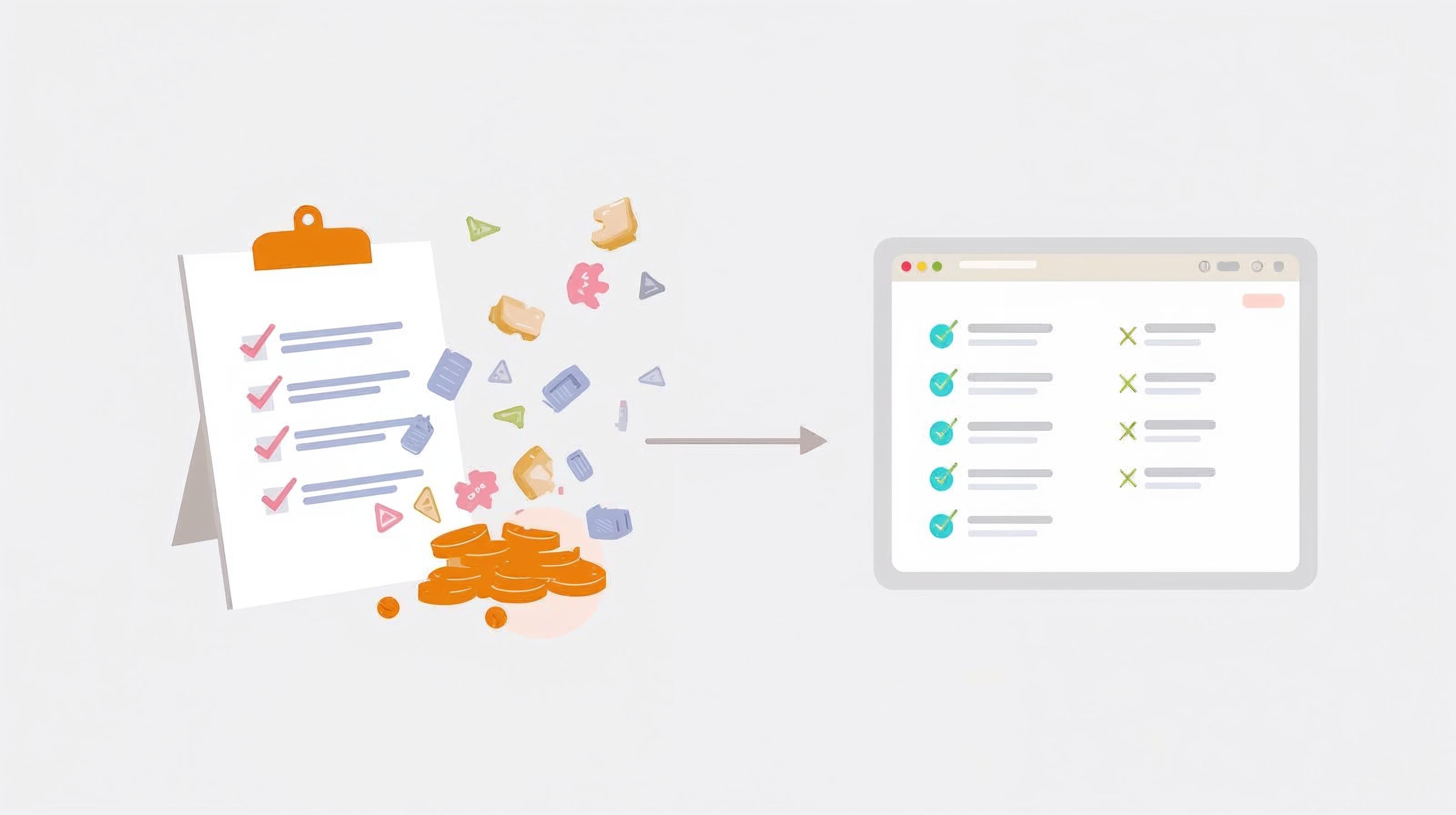

Many service teams feel overwhelmed by tasks. To-do lists grow longer, priorities shift daily, and people struggle to keep up despite working hard.
This situation is often described as task overload. Yet in most cases, the real issue is not the number of tasks, but the lack of structure around how tasks are created, assigned, and completed.
More Tasks Do Not Always Mean More Work
In service businesses, tasks are often used to capture everything: requests, reminders, ideas, and problems.
When tasks are not clearly defined, a single piece of work can turn into multiple overlapping tasks. This inflates task lists without increasing actual output.
Teams feel busy, but progress remains limited.
Unclear Tasks Create Mental Load
A task that lacks context forces people to think before they act. They must remember details, search for information, or ask questions.
This mental effort adds friction to execution. Over time, it contributes to fatigue and slower delivery.
Clear tasks reduce cognitive load and improve focus.
Priority Changes Create Hidden Overload
When priorities change frequently, unfinished tasks accumulate.
People hesitate to complete work that may soon be deprioritized. New tasks replace old ones before progress is made.
This creates the feeling of overload even when actual workload remains manageable.
Ownership Is More Important Than Assignment
Assigning a task is not the same as establishing ownership.
When ownership is unclear, tasks wait for action instead of moving forward. People assume someone else will handle the next step.
Clear ownership ensures accountability and continuous progress.
Task Lists Without Flow Create Bottlenecks
Tasks rarely exist in isolation. They depend on decisions, inputs, or completion of other work.
Without a clear flow, tasks pile up in the same stage. Teams lose visibility into what is blocking progress.
Structure reveals where work slows down.
Fewer, Better Tasks Improve Execution
Reducing task overload often means creating fewer tasks, not completing them faster.
Well-defined tasks with clear purpose, ownership, and expected outcomes move forward smoothly.
This creates a sense of control and reduces stress across the team.
Conclusion
Task overload is rarely caused by laziness or lack of discipline.
In most service businesses, it is a structural problem. By improving clarity, ownership, and flow, teams can reduce overload and improve execution without working longer hours.