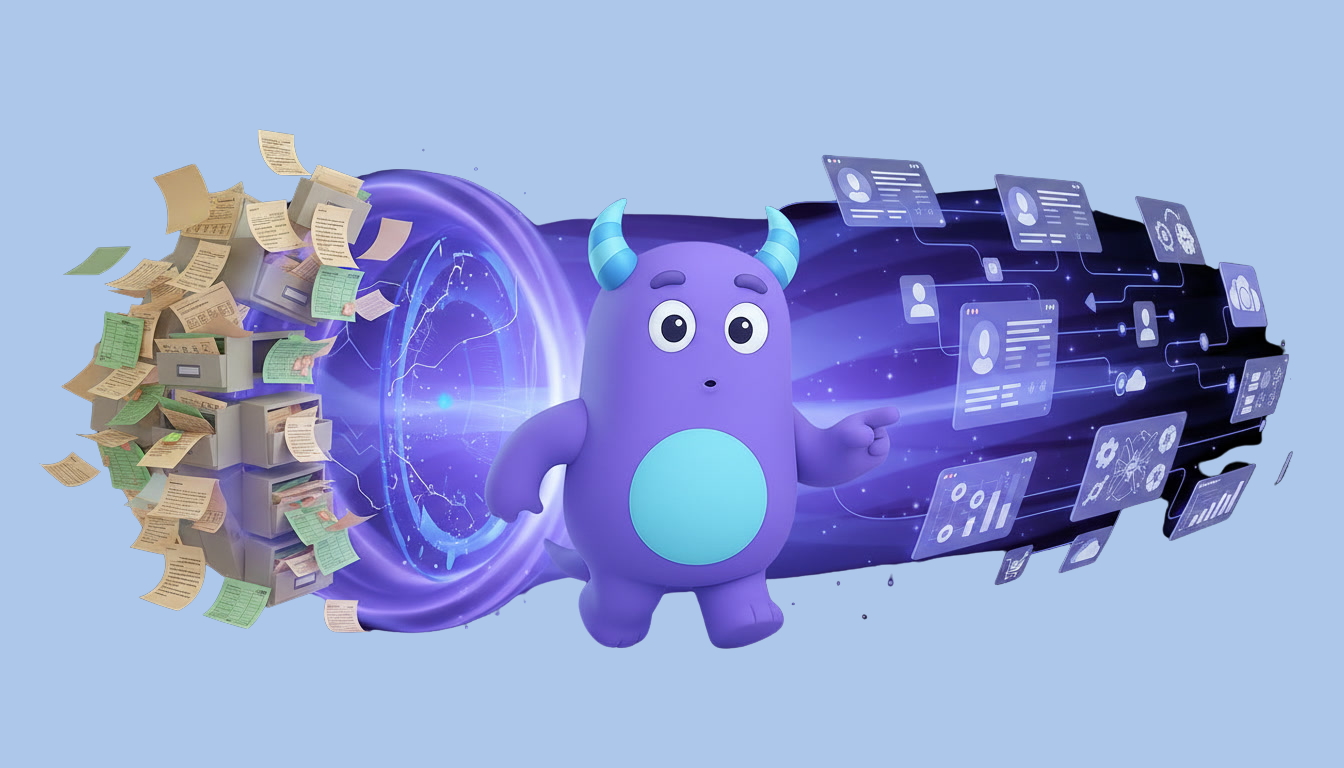

Cela crée de la frustration et de la confusion. Les chefs d’entreprise supposent souvent que le problème est la qualité des prospects ou le manque de demande. Cependant, dans la plupart des cas, le véritable problème n’est pas les prospects, mais le processus.
Les prospects ne se convertissent pas lorsque le système qui les sous-tend est défaillant, incohérent ou flou. Et à moins que ce système ne soit corrigé, la génération de plus de prospects ne fera qu’aggraver le problème.
Le véritable problème n’est pas les prospects
Il est facile de blâmer les prospects lorsque les conversions sont faibles. Mais en réalité, la plupart des prospects ne sont tout simplement pas gérés correctement. Ils ne sont pas suivis à temps, ne sont pas guidés par un processus clair et ne reçoivent pas suffisamment de valeur pour prendre une décision.
Lorsqu’un client potentiel manifeste son intérêt, il s’attend à une réponse rapide, pertinente et structurée. S’il ne la reçoit pas, il perd rapidement son intérêt ou se tourne vers un concurrent qui répond mieux.
Cela signifie que la conversion ne consiste pas seulement à attirer des prospects, mais aussi à ce qui se passe après leur entrée dans votre système.
Erreurs courantes qui tuent les conversions
Plusieurs erreurs récurrentes empêchent les prospects de se convertir, même dans les entreprises qui génèrent un volume élevé de demandes de renseignements.
L’un des problèmes les plus critiques est le temps de réponse lent. Dans de nombreux cas, les prospects sont contactés des heures, voire des jours après avoir manifesté leur intérêt. À ce moment-là, l’occasion est déjà perdue.
Une autre erreur courante est le manque de suivi. De nombreuses entreprises contactent un prospect une seule fois, puis s’arrêtent. Cependant, la plupart des clients ont besoin de plusieurs points de contact avant de prendre une décision.
Une communication peu claire est également un problème majeur. Si la proposition de valeur n’est pas claire ou si l’offre est déroutante, les prospects hésiteront et finiront par se désister.
Enfin, des processus désorganisés créent de l’incohérence. Différents membres de l’équipe gèrent les prospects différemment, les tâches ne sont pas suivies et des étapes importantes sont ignorées.
Pourquoi les processus de vente échouent
La cause profonde de la faible conversion est généralement l’absence d’un processus de vente structuré. Au lieu de suivre un système clair, les entreprises s’appuient sur des efforts manuels et des habitudes individuelles.
Cela conduit à l’imprévisibilité. Certains prospects sont bien gérés, d’autres sont négligés. Certaines transactions sont suivies de manière cohérente, d’autres sont oubliées.
Sans processus défini, il est impossible de mettre à l’échelle ou d’améliorer les performances. L’entreprise devient réactive au lieu d’être systématique.
À mesure que le nombre de prospects augmente, le problème s’aggrave. Plus de prospects créent plus de chaos, pas plus de ventes.
À quoi ressemble un système à forte conversion
Une entreprise à forte conversion ne s’appuie pas sur la chance ou l’effort, mais sur un système.
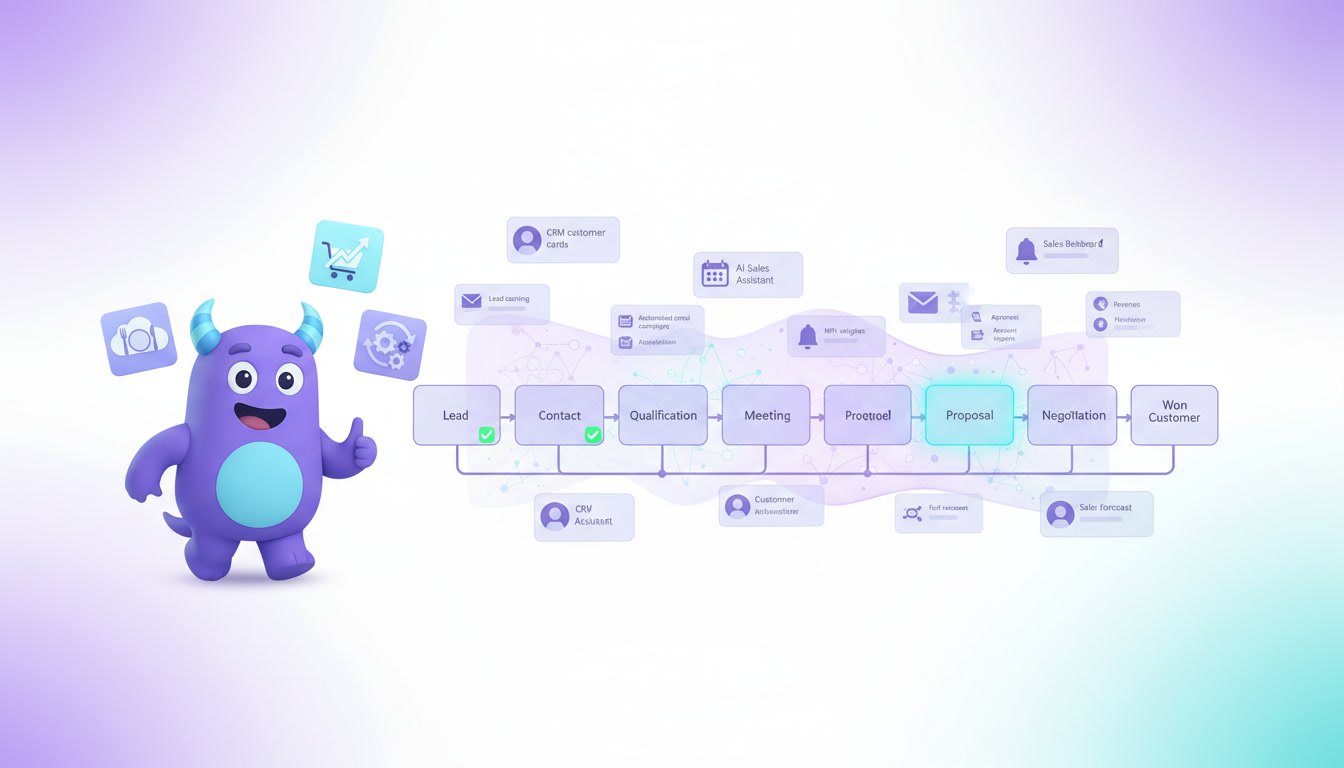
Chaque prospect suit un chemin clair. Dès le moment où un prospect entre dans le système, il existe une séquence d’actions définie.
Le prospect est capturé, affecté, contacté rapidement et guidé à travers un processus structuré. Les suivis sont programmés automatiquement et la communication est cohérente.
Cela crée un flux prévisible où chaque opportunité est gérée correctement.
Au lieu de deviner quoi faire ensuite, le système le définit.
Le rôle du CRM dans la conversion
Pour la plupart des petites entreprises, le plus grand écart entre les prospects et les conversions est l’absence d’un système central.
Les prospects sont dispersés dans les courriels, les messages et les notes. Il n’y a pas de vue d’ensemble claire de qui a été contacté, qui a besoin d’un suivi et à quelle étape se trouve chaque prospect.
Un système CRM résout ce problème en centralisant toutes les informations et en structurant le processus de vente.
Avec un CRM, chaque prospect est suivi, chaque interaction est enregistrée et chaque tâche est gérée. Cela crée de la clarté et de la cohérence.
Plus important encore, les systèmes CRM modernes permettent l’automatisation. Les suivis, la création de tâches et les étapes du flux de travail peuvent être gérés automatiquement, ce qui réduit le risque d’erreur humaine.
Les plateformes comme Lua CRM aident les entreprises à mettre en place ces systèmes en combinant la gestion des prospects, l’automatisation et la structure du flux de travail en un seul endroit.
Au lieu de s’appuyer sur des processus manuels, les entreprises peuvent créer un système qui garantit que chaque prospect est géré correctement.
Le passage des prospects aux systèmes
L’un des changements d’état d’esprit les plus importants dans les affaires est de comprendre que plus de prospects ne répareront pas un système défaillant.
Si votre taux de conversion est faible, l’augmentation du trafic ne fera qu’accroître l’inefficacité.
La véritable solution consiste à améliorer d’abord le système. Une fois que le processus est structuré et optimisé, chaque prospect supplémentaire devient plus précieux.
C’est ainsi que les entreprises prospères se développent. Elles se concentrent sur l’amélioration de la conversion avant d’augmenter le volume.
Dernières réflexions
Si vos prospects ne se convertissent pas, le problème n’est pas le marché, la demande, ni même les prospects eux-mêmes. Le problème est la façon dont ces prospects sont gérés.
En identifiant les faiblesses de votre processus, en mettant en place un système structuré et en utilisant les bons outils, vous pouvez améliorer considérablement votre taux de conversion.
L’objectif n’est pas de générer plus de prospects, mais de convertir ceux que vous avez déjà.
Et la seule façon d’y parvenir de manière cohérente est par le biais de systèmes.
.jpg)

.jpg)