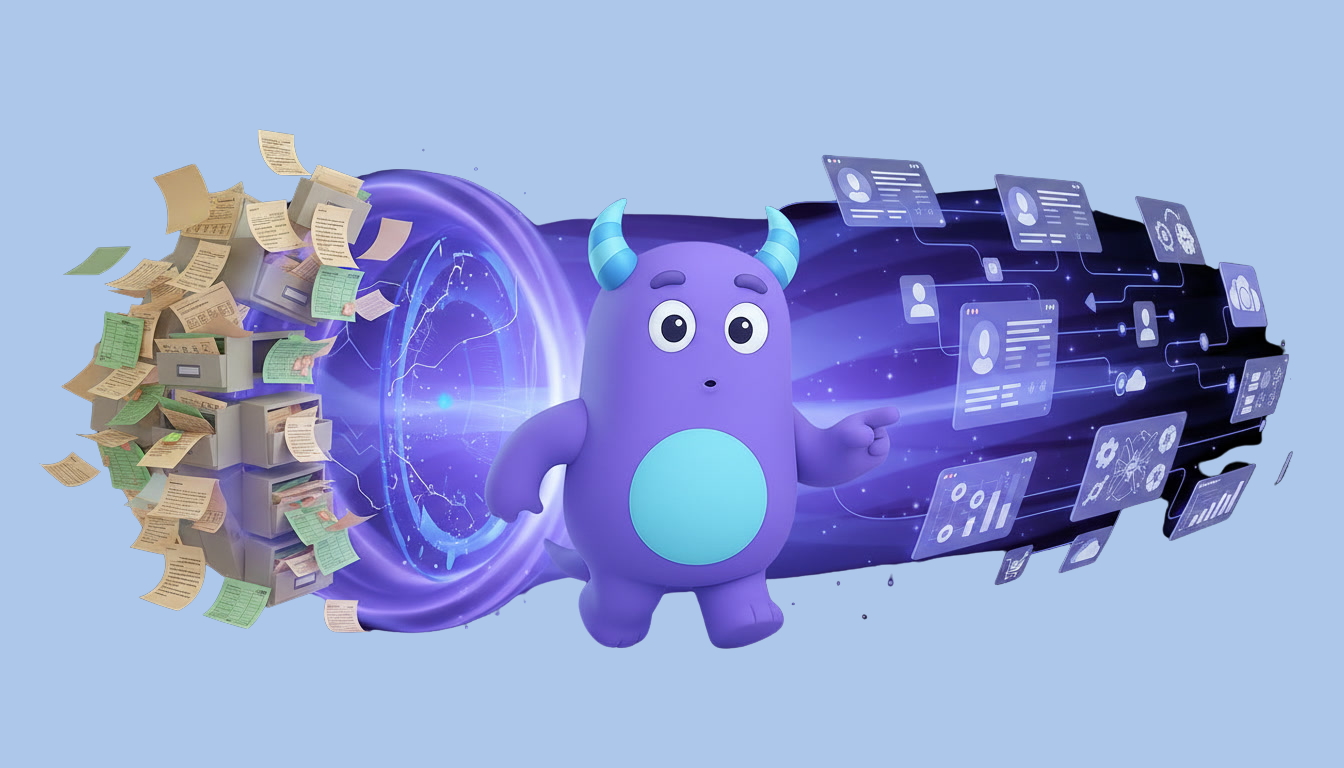

Aux débuts d'une entreprise, les informations clients sont souvent gérées via des feuilles de calcul, des e-mails, des journaux d'appels, des carnets de notes et des applications de messagerie. Bien que ces méthodes puissent fonctionner avec un petit nombre de clients, elles deviennent rapidement inefficaces à mesure que l'entreprise se développe.
Les informations clients importantes se retrouvent dispersées sur plusieurs plateformes. Les opportunités de vente sont oubliées. Les suivis sont manqués. La communication devient incohérente. Les équipes perdent en visibilité sur les interactions avec les clients.
C'est pourquoi les entreprises en croissance investissent de plus en plus dans des systèmes de gestion client.
Un système de gestion client offre un environnement centralisé où les entreprises peuvent organiser les informations clients, gérer la communication, suivre les opportunités de vente, automatiser les flux de travail et obtenir des informations précieuses sur les relations clients.
Les systèmes de gestion client modernes font bien plus que stocker des coordonnées. Ils aident les organisations à améliorer l'expérience client, à accroître les performances commerciales, à simplifier les opérations et à créer des processus évolutifs qui soutiennent la croissance à long terme.
Alors que les attentes des clients continuent de croître et que la concurrence s'intensifie, les entreprises qui mettent en œuvre des systèmes de gestion client efficaces obtiennent des avantages significatifs par rapport à celles qui continuent de s'appuyer sur des processus manuels.
Qu'est-ce qu'un système de gestion client ?
Un système de gestion client est une plateforme logicielle conçue pour aider les entreprises à organiser, gérer et optimiser les relations clients tout au long de leur cycle de vie.
Il agit comme un hub centralisé où toutes les informations clients, l'historique des communications, les activités de vente, les interactions d'assistance, les tâches, les notes et les processus métier peuvent être stockés et gérés.
Au lieu que les informations clients soient dispersées dans des feuilles de calcul, des e-mails, des applications de messagerie et la mémoire des employés, tout est organisé en un seul endroit.
Cela crée une meilleure visibilité, améliore la collaboration et garantit que les employés ont toujours accès aux informations dont ils ont besoin.
Les systèmes de gestion client modernes comprennent souvent des bases de données clients, des outils de gestion des ventes, le suivi des communications, l'automatisation des flux de travail, des tableaux de bord de reporting, des analyses et des fonctionnalités d'intelligence artificielle.
Pour de nombreuses entreprises, un système de gestion client devient la plateforme opérationnelle centrale qui soutient les ventes, le service client, le marketing et les activités opérationnelles.
Pourquoi la gestion client est plus importante que jamais
Les attentes des clients ont considérablement changé au cours de la dernière décennie.
Les clients d'aujourd'hui s'attendent à des réponses rapides, une communication personnalisée, un service cohérent et des expériences fluides sur plusieurs canaux. Ils attendent des entreprises qu'elles comprennent leurs besoins, se souviennent des interactions précédentes et fournissent rapidement des solutions adaptées.
Dans le même temps, les entreprises gèrent des bases de données clients plus importantes et plus de canaux de communication que jamais auparavant.
Les appels téléphoniques, les e-mails, les sites web, les réseaux sociaux, les applications de messagerie et les formulaires en ligne génèrent tous des interactions clients qui doivent être suivies et gérées efficacement.
Sans un système de gestion client structuré, maintenir la cohérence devient de plus en plus difficile.
Les opportunités manquées, les réponses tardives et les mauvaises expériences clients peuvent rapidement avoir un impact sur le chiffre d'affaires et la fidélisation des clients.
Les entreprises qui investissent dans des systèmes de gestion client sont mieux équipées pour répondre aux attentes des clients modernes tout en maintenant leur efficacité opérationnelle.
Problèmes courants rencontrés par les entreprises sans système de gestion client
De nombreuses organisations sous-estiment le coût d'une mauvaise gestion client.
Sans système centralisé, les employés passent souvent un temps considérable à rechercher des informations clients, à mettre à jour des feuilles de calcul, à coordonner les communications et à suivre manuellement les relances.
L'un des problèmes les plus courants est la fragmentation des informations.
Les données clients se trouvent souvent dans plusieurs endroits, ce qui rend difficile l'obtention d'une vue complète des relations clients. Les équipes commerciales peuvent ne pas savoir ce que les équipes d'assistance ont discuté avec les clients. Les managers peuvent manquer de visibilité sur les interactions clients. Des informations importantes peuvent facilement être perdues.
Un autre problème majeur réside dans les opportunités manquées.
Sans processus de suivi structurés, les clients potentiels passent fréquemment entre les mailles du filet. Les pistes sont oubliées, les opportunités restent inactives et du chiffre d'affaires est perdu.
La communication avec les clients peut également devenir incohérente lorsque les équipes s'appuient sur des processus manuels. Différents employés peuvent fournir des informations différentes ou ne pas suivre les procédures établies.
À mesure que les entreprises se développent, ces défis deviennent de plus en plus difficiles à gérer.
Fonctionnalités clés d'un système de gestion client moderne
Les systèmes de gestion client modernes offrent un large éventail de fonctionnalités conçues pour améliorer les relations clients et les performances de l'entreprise.
L'une des fonctionnalités les plus importantes est la gestion centralisée des données clients.
Les entreprises ont besoin d'une source unique de vérité où les informations clients peuvent être stockées, mises à jour et consultées par les membres de l'équipe autorisés.
Le suivi des communications est tout aussi important. Chaque interaction avec un client doit être enregistrée et disponible pour référence future.
Les outils de gestion des tâches et de suivi permettent de s'assurer que les activités importantes sont réalisées à temps et que les opportunités ne sont pas manquées.
L'automatisation des flux de travail améliore l'efficacité en attribuant automatiquement des tâches, en envoyant des notifications, en mettant à jour les dossiers et en gérant les processus répétitifs.
Les rapports et les analyses offrent une visibilité sur le comportement des clients, les performances commerciales, la productivité des équipes et l'efficacité opérationnelle.
Ensemble, ces fonctionnalités aident les organisations à créer des processus de gestion client plus structurés et évolutifs.
Gestion de la base de données clients
Une base de données clients est souvent le fondement d'un système de gestion client.
La base de données stocke des informations sur les clients, les prospects, l'historique des communications, les achats, les contrats, les demandes d'assistance, les notes et d'autres données commerciales importantes.
Le fait de disposer de toutes les informations en un seul endroit améliore la visibilité et réduit la dépendance vis-à-vis des employés individuels.
Lorsque les informations clients sont correctement organisées, les entreprises peuvent répondre plus rapidement, fournir un meilleur service et prendre des décisions plus éclairées.
Les bases de données clients centralisées améliorent également la collaboration car les équipes peuvent accéder aux mêmes informations et travailler à partir d'une compréhension partagée des relations clients.
Gestion des pistes et des opportunités
Gérer efficacement les pistes est l'une des fonctions les plus importantes d'un système de gestion client.
Chaque piste représente une opportunité de chiffre d'affaires potentielle. Cependant, sans une gestion appropriée, de nombreuses opportunités sont perdues avant même de devenir des clients.
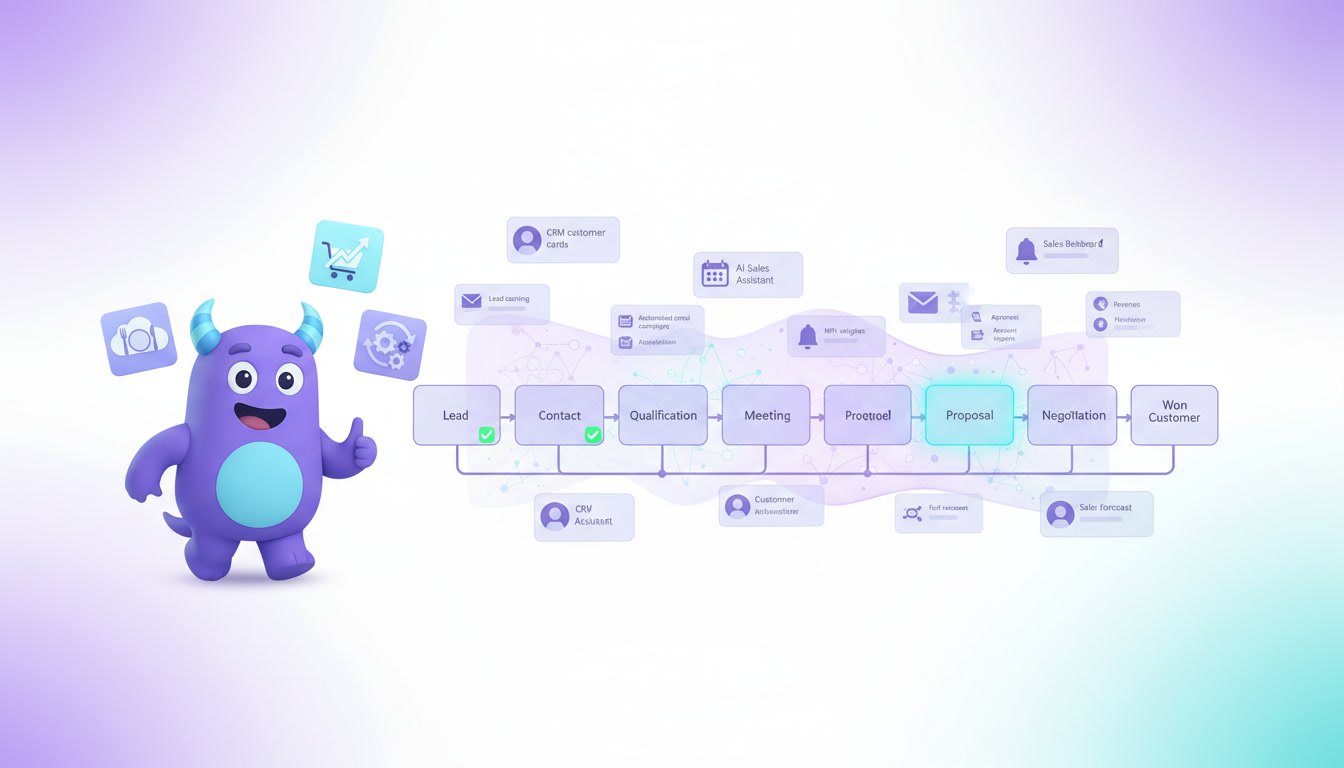
Les systèmes de gestion client aident les entreprises à organiser les pistes, à suivre les progrès, à attribuer les responsabilités, à planifier les relances et à surveiller les pipelines de vente.
Cela crée une plus grande visibilité sur le processus de vente et garantit que les opportunités reçoivent l'attention appropriée.
En conséquence, les entreprises améliorent souvent leurs taux de conversion et augmentent leur génération de revenus.
Suivi des communications clients
Les relations clients réussies dépendent fortement de la communication.
Chaque conversation, e-mail, réunion, proposition et interaction d'assistance contribue à l'expérience client globale.
Les systèmes de gestion client enregistrent l'historique des communications et offrent aux équipes une vue complète des interactions clients.
Cela évite les malentendus, améliore la cohérence et garantit que les employés peuvent poursuivre les conversations sans obliger les clients à répéter les informations.
Un suivi rigoureux des communications aide également les managers à surveiller l'engagement des clients et à identifier les risques ou opportunités potentiels.
Système de gestion client vs CRM
De nombreuses personnes utilisent indifféremment les termes Système de gestion client et CRM.
En pratique, le logiciel CRM (Customer Relationship Management) est souvent la forme la plus avancée de système de gestion client.
Alors que les systèmes de gestion client de base se concentrent principalement sur le stockage des informations clients et le suivi des communications, les plateformes CRM incluent généralement la gestion des ventes, l'automatisation, le reporting, les analyses, la gestion des flux de travail et le suivi du cycle de vie des clients.
Les systèmes CRM modernes offrent aux entreprises une solution complète pour gérer les relations clients et les processus opérationnels.
Pour en savoir plus, consultez notre Guide du système CRM.
Comment les systèmes de gestion client améliorent les performances commerciales
Le succès des ventes dépend de l'organisation, de la cohérence et de la visibilité.
Les systèmes de gestion client aident les équipes commerciales à gérer plus efficacement les opportunités en fournissant des processus de vente structurés et des informations clients centralisées.
Les commerciaux peuvent suivre les opportunités, planifier les relances, surveiller l'engagement des clients et hiérarchiser les activités en fonction des données disponibles.
Les managers obtiennent une visibilité sur les performances du pipeline, les taux de conversion et la productivité de l'équipe.
Cela permet aux organisations d'identifier les goulots d'étranglement, d'améliorer les processus et d'accroître l'efficacité globale des ventes.
Comment les systèmes de gestion client améliorent la fidélisation des clients
Acquérir de nouveaux clients est important, mais fidéliser les clients existants est souvent plus rentable.
Les systèmes de gestion client aident les entreprises à maintenir des relations plus solides grâce à une communication cohérente, un support proactif et une meilleure visibilité sur les besoins des clients.
En suivant les interactions et en surveillant l'activité des clients, les organisations peuvent identifier les problèmes potentiels avant qu'ils ne conduisent à l'insatisfaction des clients.
Cette approche proactive améliore la satisfaction des clients et augmente la fidélisation à long terme.
Les entreprises qui gèrent efficacement les relations clients obtiennent souvent une valeur à vie client plus élevée et une fidélité plus forte.
L'IA et les systèmes de gestion client
L'intelligence artificielle transforme la gestion client.
Les systèmes de gestion client modernes alimentés par l'IA peuvent analyser le comportement des clients, identifier des tendances, prédire des opportunités, automatiser des tâches et générer des informations commerciales précieuses.
L'IA aide les entreprises à hiérarchiser les pistes, à personnaliser la communication, à prévoir le comportement des clients et à améliorer la prise de décision.
Au lieu de simplement stocker des informations, les systèmes dotés d'IA aident activement les entreprises à optimiser leurs relations clients.
Pour en savoir plus, consultez notre Guide du CRM IA.
Systèmes de gestion client pour les petites entreprises
De nombreux propriétaires de petites entreprises pensent que les systèmes de gestion client ne sont nécessaires que pour les grandes organisations.
En réalité, ce sont souvent les plus petites entreprises qui en tirent les plus grands avantages.
Les systèmes de gestion client aident les petites équipes à rester organisées, à améliorer la communication, à automatiser le travail de routine et à gérer la croissance plus efficacement.
En mettant en œuvre des systèmes structurés dès le départ, les entreprises peuvent éviter bon nombre des défis opérationnels qui accompagnent généralement la croissance.
Cela crée une base plus solide pour un succès à long terme.
Comment choisir le bon système de gestion client
Sélectionner le bon système de gestion client nécessite une évaluation minutieuse des besoins de l'entreprise, des exigences opérationnelles et des objectifs de croissance.
Les organisations doivent rechercher des solutions qui offrent une gestion client centralisée, un suivi des ventes, des capacités d'automatisation, des rapports, des analyses et des options d'intégration.
L'évolutivité est particulièrement importante car les exigences de l'entreprise évoluent souvent avec le temps.
La solution idéale doit soutenir à la fois les opérations actuelles et la croissance future.
Les entreprises doivent également donner la priorité à la facilité d'utilisation, car les taux d'adoption ont un impact direct sur l'efficacité du système.
Pourquoi Lua CRM est plus qu'un simple système de gestion client
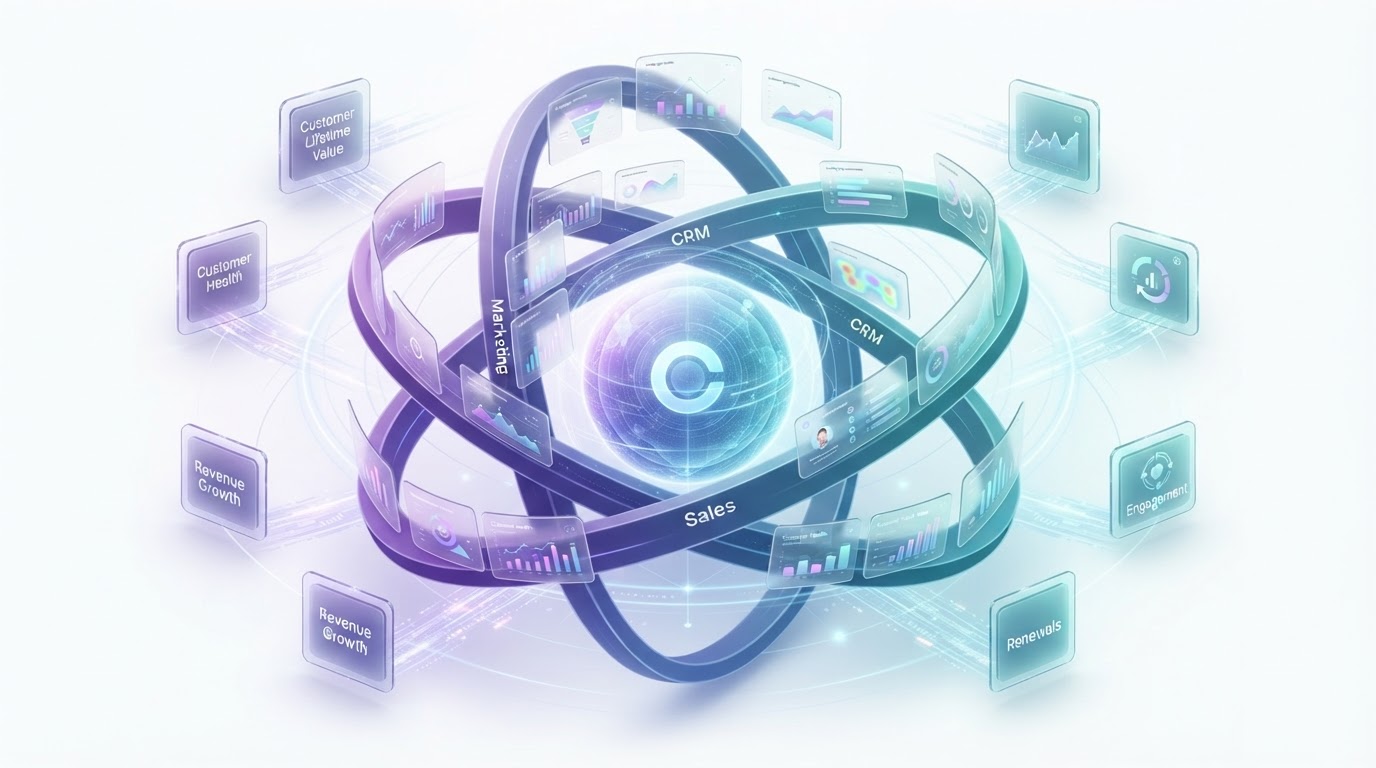
Lua CRM combine la gestion client, les fonctionnalités CRM, l'automatisation des flux de travail, le reporting, les analyses, la gestion d'entreprise et des capacités alimentées par l'IA au sein d'une seule plateforme centralisée.
Au lieu de s'appuyer sur plusieurs outils déconnectés, les entreprises peuvent gérer les relations clients, les opérations de vente, la communication, les tâches, les flux de travail et les processus métier via un système unique.
Cela améliore la visibilité, augmente l'efficacité et crée des bases opérationnelles évolutives.
Que votre objectif soit d'améliorer le service client, d'accroître les performances commerciales, d'automatiser les flux de travail ou de soutenir la croissance de l'entreprise, Lua CRM fournit les outils nécessaires pour gérer plus efficacement les relations clients.
Foire aux questions
Qu'est-ce qu'un système de gestion client ?
Un système de gestion client est un logiciel qui aide les entreprises à organiser les informations clients, à suivre les communications, à gérer les opportunités et à améliorer les relations clients.
Quelle est la différence entre un système de gestion client et un CRM ?
Le logiciel CRM est généralement un système de gestion client plus avancé qui comprend la gestion des ventes, l'automatisation, le reporting et le suivi du cycle de vie des clients.
Pourquoi les entreprises ont-elles besoin de systèmes de gestion client ?
Ils améliorent l'organisation, la communication, le service client, les performances commerciales et l'efficacité opérationnelle.
Les petites entreprises peuvent-elles bénéficier des systèmes de gestion client ?
Oui. Les petites entreprises améliorent souvent leur productivité, leur gestion client et leur évolutivité grâce à des systèmes structurés.
Réflexions finales
Les relations clients figurent parmi les actifs les plus précieux qu'une entreprise puisse posséder.
Les organisations qui gèrent efficacement les relations clients sont mieux positionnées pour améliorer la satisfaction des clients, augmenter le chiffre d'affaires, renforcer la fidélité et soutenir la croissance à long terme.
Un système de gestion client moderne offre la structure, la visibilité et l'automatisation nécessaires pour gérer les relations clients à grande échelle.
Alors que les attentes des clients continuent d'évoluer, les entreprises qui investissent dans les technologies de gestion client obtiendront des avantages significatifs en termes d'efficacité, de qualité de service et de performance concurrentielle.
.jpg)
.jpg)