Բիզնեսի աճին զուգընթաց անխուսափելիորեն փոխվում է նաև դրա գործունեության ձևը։ Այն, ինչը ժամանակին կարելի էր կառավարել ոչ պաշտոնական հաղորդակցության, էլեկտրոնային աղյուսակների և մի քանի անկապ գործիքների միջոցով, աստիճանաբար դառնում է ավելի դժվար վերահսկելի։ Ավելի շատ հաճախորդներ, ավելի շատ գործարքներ, ավելի շատ աշխատակիցներ և ավելի շատ գործընթացներ ստեղծում են բարդություն, որը ձեռքով կառավարվող համակարգերը նախատեսված չեն հաղթահարելու համար։
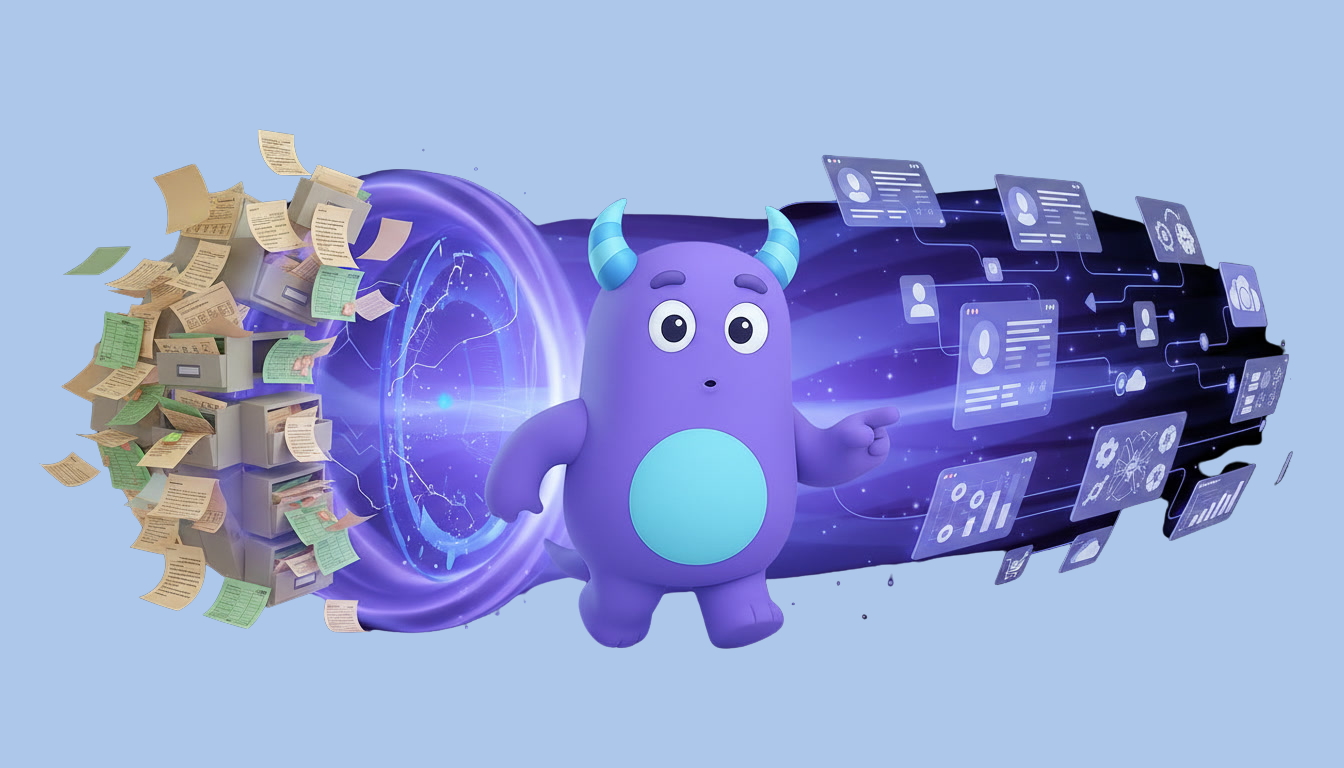
Որոշակի փուլում թիմերը սկսում են դժվարություններ զգալ ամենօրյա աշխատանքում։ Տեղեկատվությունը պահվում է տարբեր վայրերում, թվերը միշտ չէ, որ համընկնում են, և մենեջերներն ավելի շատ ժամանակ են ծախսում տվյալները ստուգելու, քան դրանց հիման վրա գործելու վրա։ Սա սովորաբար այն պահն է, երբ բիզնեսները սկսում են փնտրել ավելի կառուցվածքային համակարգ։
Ի՞նչ է իրականում նշանակում ERP-ն գործնականում
ERP-ն նշանակում է Enterprise Resource Planning (Ձեռնարկության ռեսուրսների պլանավորում)։ Պարզ ասած՝ ERP համակարգը ծրագրային ապահովում է, որը միավորում է բիզնեսի հիմնական գործառնական մասերը մեկ միասնական հարթակում։ Ֆինանսները, գործառնությունները, պաշարները և ներքին գործընթացներն առանձին կառավարելու փոխարեն՝ ERP-ն դրանք միավորում է։
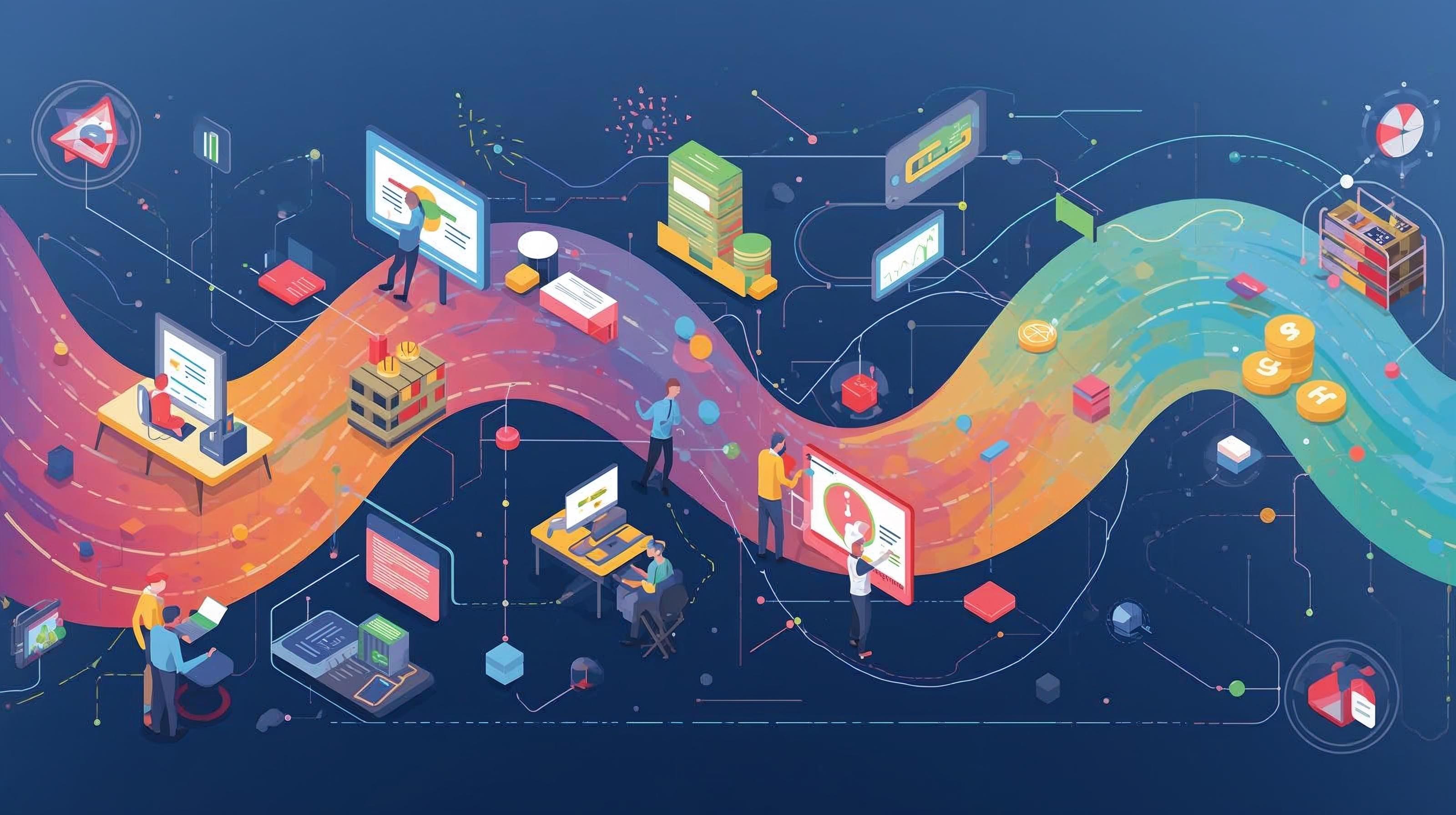
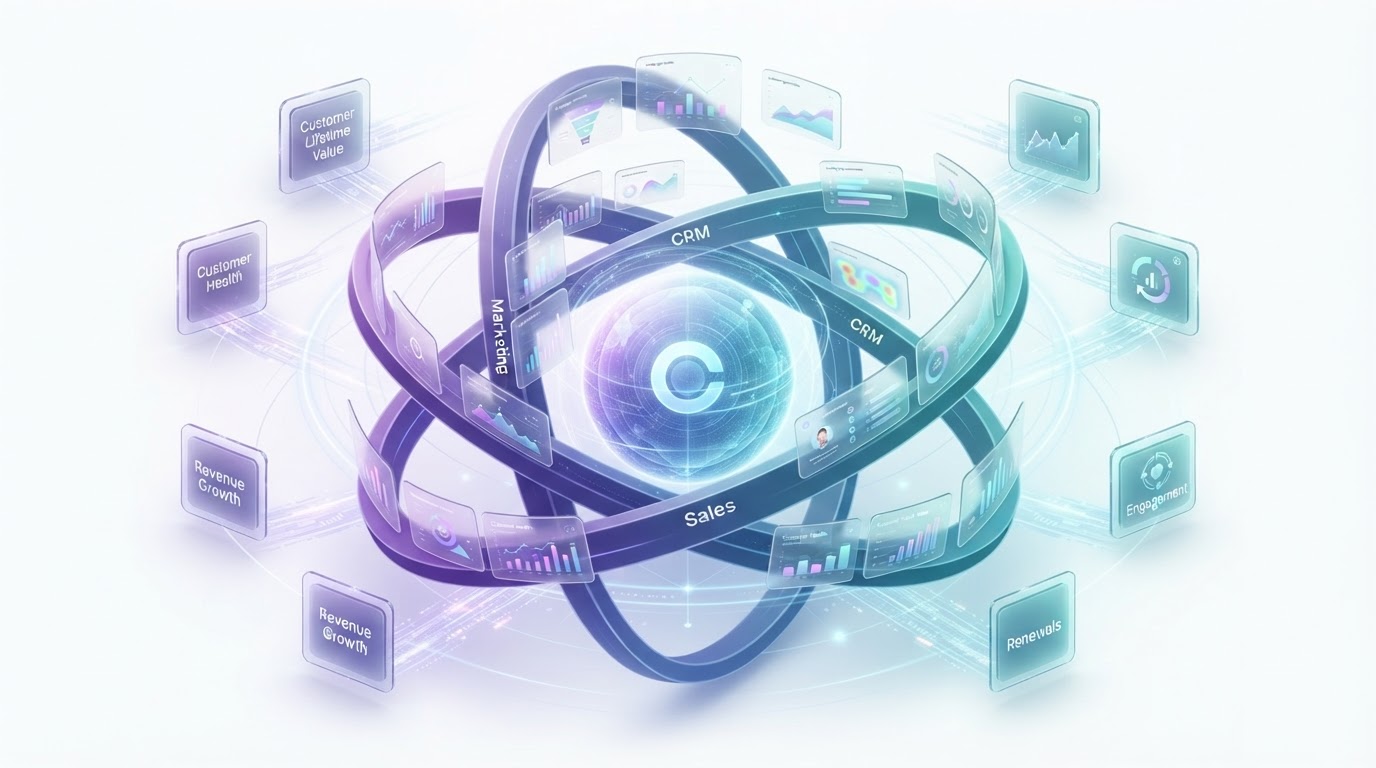
ERP-ի հիմնական գաղափարը ինտեգրումն է։ Բիզնեսի ներսում յուրաքանչյուր գործողություն ազդում է բազմաթիվ ոլորտների վրա։ Վաճառքն ազդում է եկամտի, ծախսերի, պաշարների և աշխատանքային ծանրաբեռնվածության վրա։ ERP համակարգն ավտոմատ կերպով արտացոլում է այս կապերը՝ առանց ձեռքով թարմացումների անհրաժեշտության։
Պարզապես մեկ այլ գործիք լինելու փոխարեն՝ ERP-ն դառնում է այն հիմնական համակարգը, որտեղ բիզնեսն ամեն օր գործում է։
Ինչու են բիզնեսները դուրս գալիս էլեկտրոնային աղյուսակների և անկապ գործիքների շրջանակից
Էլեկտրոնային աղյուսակները հաճախ առաջին լուծումն են, որոնք բիզնեսներն օգտագործում են կազմակերպված մնալու համար։ Դրանք ճկուն են, ծանոթ և հեշտ է սկսել դրանցով աշխատել։ Սակայն, բիզնեսի աճին զուգընթաց, աղյուսակները դառնում են ավելի դժվար սպասարկելի։ Հայտնվում են բազմաթիվ տարբերակներ, տվյալները արագ հնանում են, և սխալներն ավելի հաճախակի են դառնում։
Անկապ գործիքները ստեղծում են նմանատիպ խնդիր։ Երբ վաճառքը, ֆինանսները, պաշարները և գործառնությունները գտնվում են առանձին համակարգերում, թիմերը կորցնում են տեսանելիությունը։ Տվյալները պետք է պատճենվեն մի տեղից մյուսը, ինչը մեծացնում է սխալների և ուշացումների ռիսկը։
ERP-ն փոխարինում է այս մասնատված կառուցվածքը մեկ միասնական համակարգով, որտեղ տեղեկատվությունն ավտոմատ կերպով հոսում է բաժինների միջև։
ERP-ի դերը ֆինանսական վերահսկողության մեջ
ERP համակարգի ամենակարևոր գործառույթներից մեկը ֆինանսական տեսանելիությունն է։ Շատ աճող բիզնեսներում ֆինանսները կառավարվում են գործառնություններից առանձին։ Սա բացեր է ստեղծում իրականում տեղի ունեցողի և հաշվետվություններում երևացողի միջև։
ERP-ի միջոցով ֆինանսական տվյալները ուղղակիորեն կապված են գործառնական գործունեության հետ։ Երբ ծառայություն է մատուցվում, ապրանք է վաճառվում կամ ռեսուրս է օգտագործվում, ֆինանսական ազդեցությունն անմիջապես արտացոլվում է։ Սա թույլ է տալիս բիզնեսի սեփականատերերին և մենեջերներին տեսնել ճշգրիտ եկամուտը, ծախսերը և շահութաբերությունը՝ առանց սպասելու ձեռքով համադրման։
Արդյունքում, որոշումները կայացվում են իրական տվյալների, այլ ոչ թե ենթադրությունների հիման վրա։
Ինչպես է ERP-ն աջակցում ամենօրյա գործառնություններին
ERP համակարգերը միայն հաշվետվությունների համար չեն։ Դրանք աջակցում են թիմերի ամենօրյա աշխատանքին։ Առաջադրանքները, աշխատանքային հոսքերը, հաստատումները և ներքին գործընթացները կարող են կառուցվածքավորվել հետևողական կերպով։
Երբ գործընթացները ստանդարտացված են, աշխատակիցները գիտեն, թե ինչ անել հետո՝ առանց մշտական պարզաբանումների։ Սա նվազեցնում է ուշացումները, թյուրիմացությունները և կախվածությունը անհատական գիտելիքներից։
Ժամանակի ընթացքում այս կառուցվածքը բարելավում է արդյունավետությունը և նվազեցնում գործառնական սթրեսը։
ERP և ռեսուրսների կառավարում
Մեկ այլ կարևոր ոլորտ, որին անդրադառնում է ERP-ն, ռեսուրսների պլանավորումն է։ Սա կարող է ներառել պաշարները, նյութերը, ժամանակը կամ աշխատուժի կարողությունները՝ կախված բիզնեսի տեսակից։
Առանց ERP-ի, ռեսուրսների պլանավորումը հաճախ հիմնված է գնահատականների վրա։ ERP-ի միջոցով հասանելիությունը և օգտագործումը հետևվում են իրական ժամանակում։ Սա օգնում է կանխել պակասորդները, գերամրագրումը կամ թերօգտագործումը։
Ռեսուրսների ավելի լավ պլանավորումն ուղղակիորեն ազդում է ծառայության որակի և հաճախորդների գոհունակության վրա։
ERP ընդդեմ CRM. հասկանալով տարբերությունը
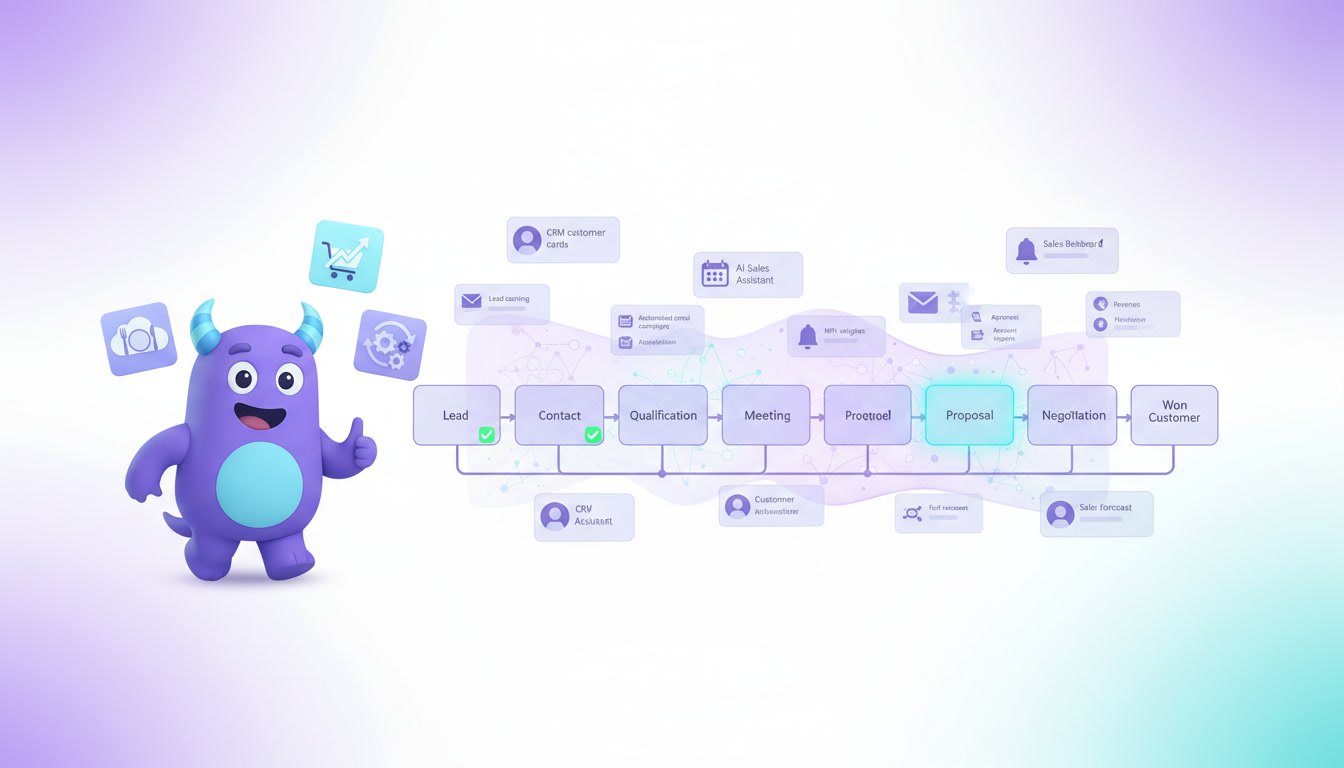
ERP-ն հաճախ շփոթում են CRM համակարգերի հետ։ Մինչ CRM-ը կենտրոնանում է հաճախորդների հետ հարաբերությունների, պոտենցիալ հաճախորդների (լիդերի) և վաճառքի հաղորդակցության կառավարման վրա, ERP-ն ընդգրկում է բիզնեսի ամբողջ գործառնական հիմքը։
Ժամանակակից հարթակներում CRM ֆունկցիոնալությունը հաճախ ներառված է ավելի լայն ERP համակարգի կազմում։ Սա թույլ է տալիս հաճախորդների ակտիվությունը ուղղակիորեն կապել գործառնությունների և ֆինանսների հետ՝ մեկուսացված լինելու փոխարեն։
Հատկապես ծառայություններ մատուցող բիզնեսների համար այս համադրությունը էական է։
Ե՞րբ է ERP-ն դառնում անհրաժեշտ
ERP-ն միայն խոշոր ձեռնարկությունների համար չէ։ Շատ փոքր և միջին բիզնեսներ հասնում են մի կետի, երբ աճը ստեղծում է ավելի շատ բարդություն, քան իրենց ընթացիկ համակարգերը կարող են հաղթահարել։
Նշանները, որոնք վկայում են ERP-ի անհրաժեշտության մասին, ներառում են անհամապատասխան տվյալներ, հաճախակի գործառնական սխալներ, ֆինանսական հստակության բացակայություն և ձեռքով համակարգման վրա մեծ կախվածություն։
ERP-ի ներդրումը ավելի շուտ, քան ուշ, օգնում է բիզնեսներին ընդլայնվել՝ առանց կորցնելու վերահսկողությունը։
Եզրակացություն
ERP համակարգը կառուցվածք է ապահովում այնտեղ, որտեղ բարդությունն աճում է։ Այն միավորում է ֆինանսները, գործառնությունները և ռեսուրսները մեկ միասնական միջավայրում, որն արտացոլում է, թե ինչպես է բիզնեսն իրականում աշխատում։
Կայուն աճի ձգտող բիզնեսների համար ERP-ն մարդկանց կամ ռազմավարությանը փոխարինելու մասին չէ։ Այն հստակություն ստեղծելու, դժվարությունները նվազեցնելու և ավելի լավ որոշումներ կայացնելու հնարավորություն տալու մասին է։
Մրցակցային միջավայրում, որտեղ արդյունավետությունն ու տեսանելիությունը կարևոր են, ERP-ն դառնում է երկարաժամկետ կայունության և աճի հիմք։
.jpg)
.jpg)