مع نمو الشركات، تتغير طريقة عملها حتمًا. ما كان يمكن التعامل معه في السابق من خلال التواصل غير الرسمي وجداول البيانات وعدد قليل من الأدوات غير المتصلة، يصبح تدريجيًا أكثر صعوبة في السيطرة عليه. المزيد من العملاء والمزيد من المعاملات والمزيد من الموظفين والمزيد من العمليات يقدم تعقيدًا لم يتم تصميم الأنظمة اليدوية للتعامل معه.
في مرحلة معينة، تبدأ الفرق في الشعور بالاحتكاك في العمل اليومي. يتم تخزين المعلومات في أماكن مختلفة، والأرقام لا تتطابق دائمًا، ويقضي المديرون وقتًا أطول في التحقق من البيانات بدلاً من التصرف بناءً عليها. عادة ما تكون هذه هي اللحظة التي تبدأ فيها الشركات في البحث عن نظام أكثر تنظيماً.
ماذا يعني تخطيط موارد المؤسسات (ERP) فعليًا من الناحية العملية
يرمز ERP إلى تخطيط موارد المؤسسات. بعبارات بسيطة، نظام ERP هو برنامج يربط الأجزاء التشغيلية الرئيسية للشركة في منصة موحدة واحدة. بدلاً من إدارة الشؤون المالية والعمليات والمخزون والعمليات الداخلية بشكل منفصل، يجمع ERP بينها.
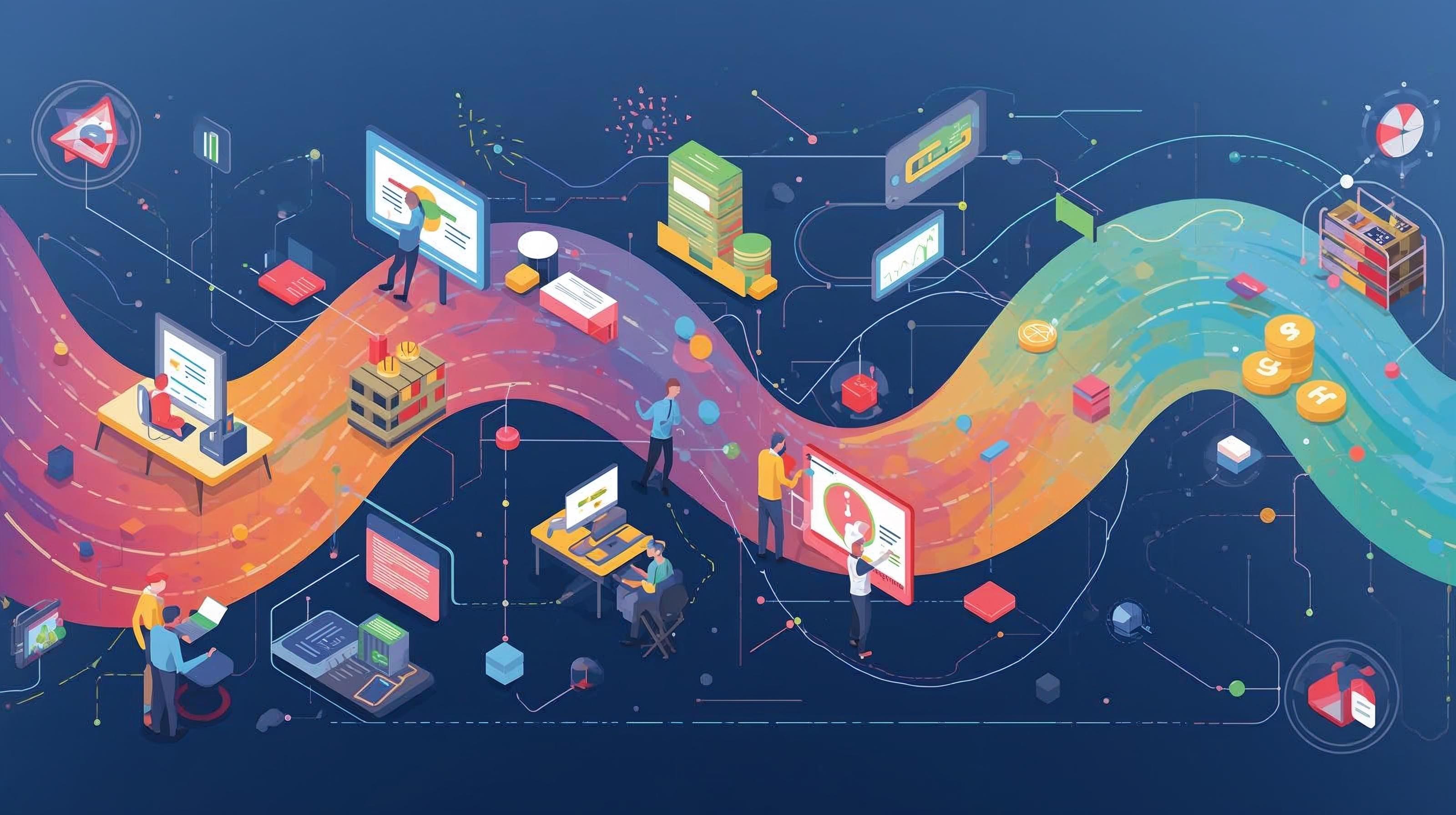
الفكرة الرئيسية وراء ERP هي التكامل. كل إجراء داخل الشركة يؤثر على مناطق متعددة. تؤثر عملية البيع على الإيرادات والتكاليف والمخزون وحجم العمل. يعكس نظام ERP هذه الاتصالات تلقائيًا، دون الاعتماد على التحديثات اليدوية.
بدلاً من أن يكون مجرد أداة أخرى، يصبح ERP النظام الأساسي الذي تعمل عليه الشركة على أساس يومي.
لماذا تتجاوز الشركات جداول البيانات والأدوات غير المتصلة
غالبًا ما تكون جداول البيانات هي الحل الأول الذي تستخدمه الشركات للبقاء منظمة. إنها مرنة ومألوفة وسهلة البدء بها. ومع ذلك، مع نمو الأعمال، يصبح من الصعب الحفاظ على جداول البيانات. تظهر إصدارات متعددة، وتصبح البيانات قديمة بسرعة، وتصبح الأخطاء أكثر تكرارًا.
تخلق الأدوات غير المتصلة مشكلة مماثلة. عندما تعيش المبيعات والمالية والمخزون والعمليات في أنظمة منفصلة، تفقد الفرق الرؤية. يجب نسخ البيانات من مكان إلى آخر، مما يزيد من خطر الأخطاء والتأخير.
يستبدل ERP هذا الهيكل المجزأ بنظام واحد تتدفق فيه المعلومات تلقائيًا بين الأقسام.
دور تخطيط موارد المؤسسات (ERP) في الرقابة المالية
تتمثل إحدى أهم وظائف نظام ERP في الرؤية المالية. في العديد من الشركات المتنامية، تتم إدارة الشؤون المالية بشكل منفصل عن العمليات. هذا يخلق فجوات بين ما يحدث في الواقع وما يظهر في التقارير.
باستخدام ERP، يتم توصيل البيانات المالية مباشرة بالنشاط التشغيلي. عند تقديم خدمة أو بيع منتج أو استخدام مورد، ينعكس التأثير المالي على الفور. يتيح ذلك لأصحاب الأعمال والمديرين رؤية الإيرادات والتكاليف والربحية الدقيقة دون انتظار التسوية اليدوية.
ونتيجة لذلك، يتم اتخاذ القرارات بناءً على بيانات حقيقية بدلاً من الافتراضات.
كيف يدعم ERP العمليات اليومية
أنظمة ERP ليست فقط حول إعداد التقارير. إنها تدعم العمل اليومي عبر الفرق. يمكن تنظيم المهام وسير العمل والموافقات والعمليات الداخلية بطريقة متسقة.
عندما تكون العمليات موحدة، يعرف الموظفون ما يجب عليهم فعله بعد ذلك دون توضيح مستمر. هذا يقلل من التأخير وسوء الفهم والاعتماد على المعرفة الفردية.
بمرور الوقت، يحسن هذا الهيكل الكفاءة ويقلل من الضغط التشغيلي.
تخطيط موارد المؤسسات (ERP) وإدارة الموارد
هناك مجال حاسم آخر يعالجه ERP وهو تخطيط الموارد. يمكن أن يشمل ذلك المخزون أو المواد أو الوقت أو قدرة القوى العاملة، اعتمادًا على نوع العمل.
بدون ERP، غالبًا ما يعتمد تخطيط الموارد على التقديرات. باستخدام ERP، يتم تتبع التوفر والاستخدام في الوقت الفعلي. وهذا يساعد على منع النقص أو الحجز الزائد أو الاستخدام الناقص.
يؤثر تحسين تخطيط الموارد بشكل مباشر على جودة الخدمة ورضا العملاء.
ERP مقابل CRM: فهم الفرق
غالبًا ما يتم الخلط بين ERP وأنظمة CRM. بينما يركز CRM على إدارة علاقات العملاء والعملاء المحتملين والتواصل مع المبيعات، يغطي ERP العمود الفقري التشغيلي الكامل للشركة.
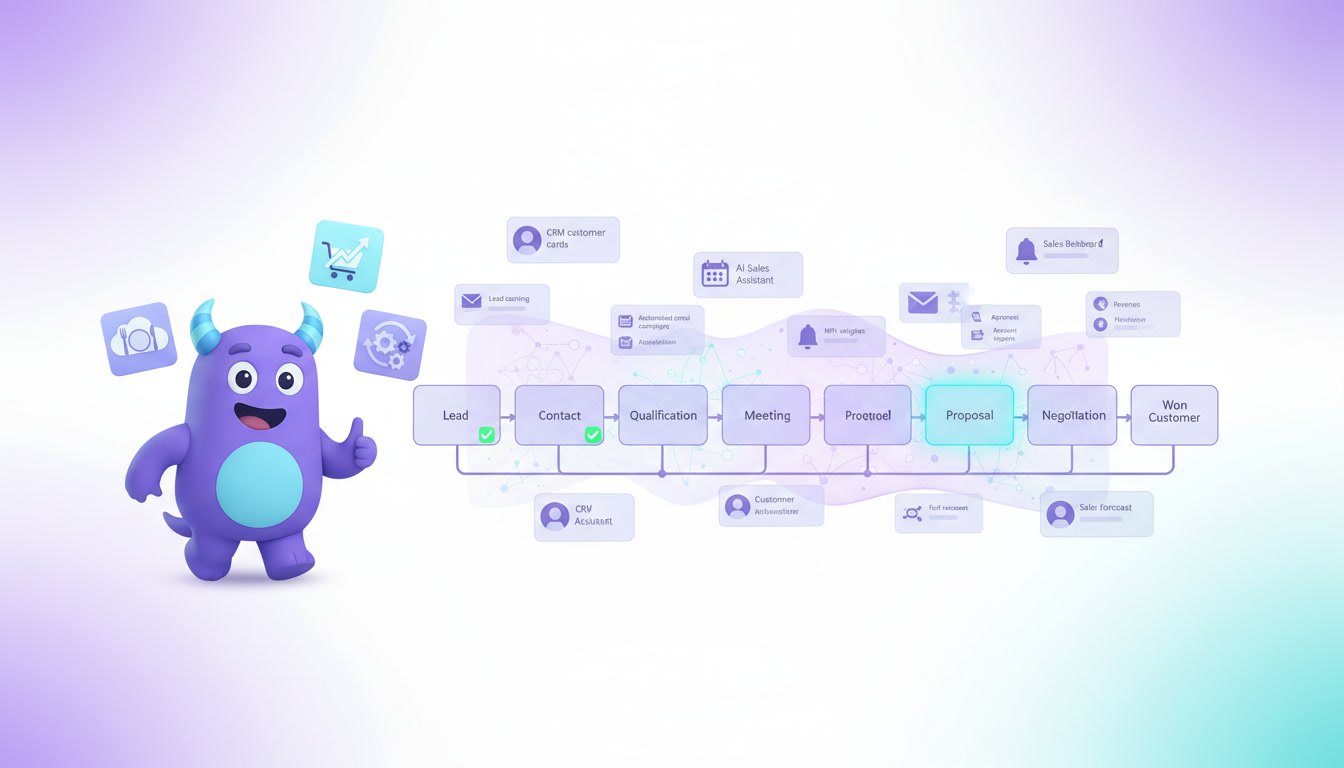
في المنصات الحديثة، غالبًا ما يتم تضمين وظائف CRM كجزء من نظام ERP أوسع. يتيح ذلك ربط نشاط العملاء مباشرة بالعمليات والمالية بدلاً من وجوده بمعزل عن غيره.
بالنسبة للشركات الخدمية على وجه الخصوص، هذا المزيج ضروري.
متى يصبح تخطيط موارد المؤسسات (ERP) ضروريًا
تخطيط موارد المؤسسات (ERP) ليس فقط للمؤسسات الكبيرة. تصل العديد من الشركات الصغيرة والمتوسطة الحجم إلى نقطة يخلق فيها النمو تعقيدًا أكثر مما تستطيع أنظمتها الحالية التعامل معه.
تشمل العلامات التي تشير إلى الحاجة إلى ERP بيانات غير متناسقة وأخطاء تشغيلية متكررة ونقص في الوضوح المالي واعتماد كبير على التنسيق اليدوي.
يساعد تطبيق ERP في وقت مبكر بدلاً من وقت لاحق الشركات على التوسع دون فقدان السيطرة.
الخلاصة
يوفر نظام ERP هيكلًا حيث ينمو التعقيد. فهو يربط الشؤون المالية والعمليات والموارد في بيئة واحدة تعكس كيفية عمل الشركة حقًا.
بالنسبة للشركات التي تهدف إلى النمو بشكل مستدام، فإن ERP لا يتعلق باستبدال الأشخاص أو الإستراتيجية. يتعلق الأمر بخلق الوضوح وتقليل الاحتكاك وتمكين اتخاذ قرارات أفضل.
في بيئة تنافسية حيث تهم الكفاءة والرؤية، يصبح ERP أساسًا للاستقرار والنمو على المدى الطويل.
.jpg)

.jpg)