
Rapid growth is usually interpreted as proof that a business is healthy. New customers arrive, service demand increases, and teams expand. Revenue rises month after month. Yet many service companies discover that long before sales slow down, their internal processes begin to fracture. Work becomes harder to coordinate. Decisions take longer. Errors appear more frequently. Managers spend more time resolving confusion than improving strategy.
This phase is dangerous precisely because revenue still looks strong. Leaders may assume the business is functioning well, even as operational strain builds beneath the surface. In reality, broken processes often represent the earliest warning sign that systems and workflows have failed to keep pace with expansion.
How Process Failure Starts Quietly
Process breakdown rarely happens overnight. It begins subtly: approvals move through email instead of systems, teams maintain side spreadsheets to track work, and departments create their own tools to compensate for gaps. What once felt flexible slowly becomes fragmented.
Customer information spreads across platforms. Project plans live in separate documents. Finance waits for delivery updates before billing. Managers rely on manual status checks rather than dashboards. Each workaround solves a short-term problem while weakening the overall operating model.
The Operational Symptoms Leaders Should Watch
As processes degrade, predictable patterns emerge. Projects run longer than planned. Employees duplicate work because responsibilities are unclear. New hires require constant guidance because workflows are undocumented. Reporting cycles stretch. Forecasts feel unreliable.
Communication becomes reactive instead of structured. Teams escalate issues informally rather than through defined channels. Senior leaders become involved in day-to-day coordination because middle layers lack visibility.
Why Service Businesses Are Especially Exposed
Service organizations depend on timing, people, and coordination more than physical inventory. Labor utilization affects margins. Scheduling determines delivery speed. Scope changes influence revenue. When workflows connecting these elements are unclear or manual, inefficiency spreads quickly.
Because services are delivered in real time, mistakes cannot always be corrected later. Missed handoffs, delayed approvals, and incomplete information immediately affect customer experience and profitability.
Growth Multiplies Complexity Faster Than Teams Expect
Early-stage businesses rely on informal communication and personal knowledge. Everyone knows the customers. Leaders review most deals personally. Projects are manageable in number. As volume increases, this model collapses.
New locations open. Remote teams form. Service lines diversify. Compliance requirements grow. Without structured systems to standardize workflows, complexity increases exponentially. The organization becomes dependent on hero employees rather than reliable processes.
From Ad Hoc Workflows to Operational Discipline
Repairing broken processes does not mean adding bureaucracy. It means replacing informal coordination with clear, repeatable workflows embedded inside systems. Tasks move automatically between departments. Approvals follow defined paths. Project stages trigger billing. Dashboards replace status meetings.
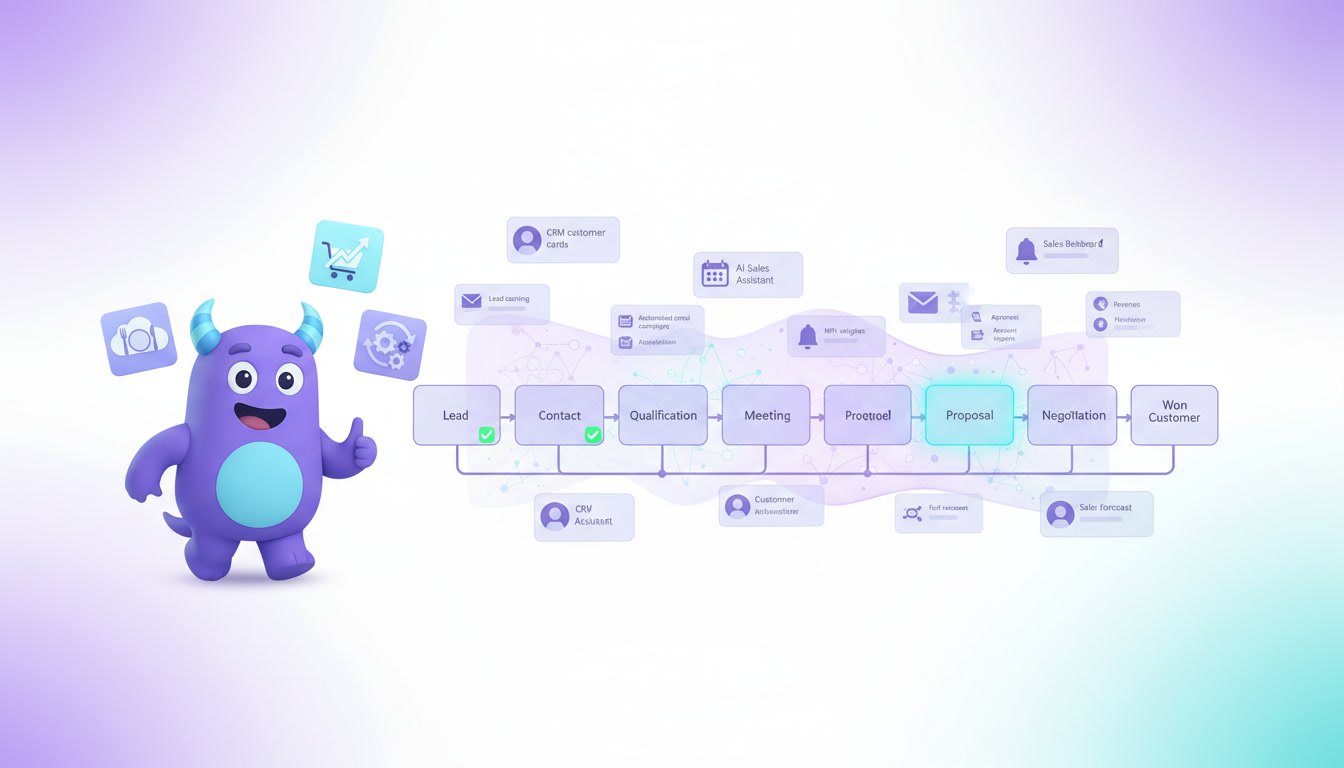
Integrated platforms connect CRM, project delivery, scheduling, finance, and reporting into a single operational backbone. Instead of chasing information, teams work from shared data. Leaders gain real-time insight rather than retrospective reports.
The Leadership Turning Point
Most executives recognize the problem when growth begins to feel exhausting instead of energizing. Board meetings focus on explaining surprises. Hiring plans slow because capacity is unclear. Expansion decisions feel risky because forecasts lack credibility.
These signals indicate that process maturity has fallen behind business maturity. Organizations that address this gap early stabilize operations and regain momentum. Those that delay often face customer churn, margin erosion, and costly system replacements under pressure.
Conclusion
When processes break before revenue does, businesses stand at a crossroads. Continued growth will only amplify inefficiency, confusion, and risk. Repairing workflows and upgrading systems transforms operations from fragile to resilient.
Service companies that invest in operational clarity gain faster delivery, stronger margins, and more predictable growth. In competitive markets, disciplined processes become a strategic advantage rather than an administrative burden.
.jpg)

.jpg)