.jpg)
Expansion is usually celebrated as the ultimate sign of success. More customers, additional service lines, new hires, and rising workloads all point toward a healthy business. Yet many service organizations discover that operational growth arrives faster than financial control. Teams become busier, revenue increases, but clarity around costs, margins, and cash flow weakens instead of improving.
This disconnect creates tension at the leadership level. Forecasting becomes uncomfortable. Budgets feel fragile. Strategic planning slows because executives are no longer confident in the numbers guiding decisions. These challenges are rarely caused by weak demand or poor execution. They are usually symptoms of systems that failed to evolve alongside operations.
How Growth Outpaces Financial Oversight
Early-stage companies often manage finances with a small accounting stack, spreadsheets, and manual reports. As operations expand, complexity multiplies. New projects require different staffing models. Procurement increases. Payroll grows rapidly. Billing structures diversify. When these elements are tracked across disconnected platforms, financial visibility fragments.
Finance teams rely on exports and reconciliations to understand performance. Project managers do not see real-time costs. Sales teams close deals without current margin insight. Leadership reviews historical snapshots instead of live metrics. The business moves forward, but financial oversight lags behind.
The Silent Risks Behind Busy Operations
When financial control erodes, risk accumulates quietly. Invoices go out late because delivery data arrives slowly. Billable work is missed because time logs are incomplete. Cost overruns become routine rather than exceptional. Procurement lacks guardrails. Each issue may appear minor in isolation, but together they compress margins and destabilize cash flow.
Customer trust also suffers. Billing disputes increase. Payment cycles lengthen. Service teams face frustration when financial problems interrupt otherwise successful engagements.
Why Service Businesses Are Especially Vulnerable
Service companies operate on tight coordination between labor, scheduling, materials, and customer commitments. Utilization rates determine profitability. Scope changes affect revenue. Delays increase costs. Without systems linking these factors to finance in real time, leaders lose their ability to steer operations precisely.
As headcount grows and geographic reach expands, informal controls collapse. Approvals slow. Budget accountability weakens. Managers depend on manual checks instead of structured workflows.
From Accounting Tools to Operational Finance Systems
Traditional accounting software records transactions after the fact. Modern growth requires something more proactive. Financial control depends on connecting operational data—projects, tasks, time tracking, inventory, and approvals—directly to revenue and costs.
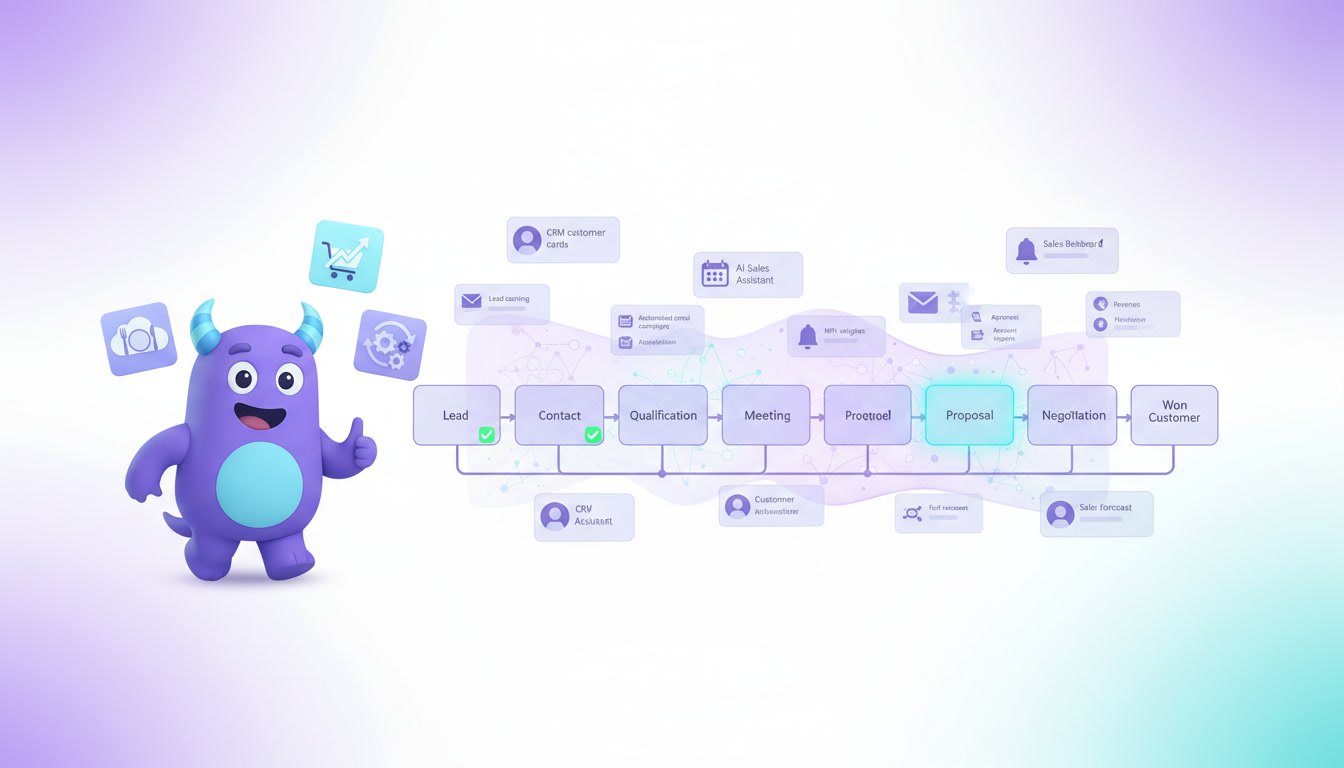
Integrated platforms unify CRM, operations, finance, scheduling, and reporting in a shared environment. As work progresses, costs update automatically. Invoices trigger from milestones. Dashboards reflect current performance rather than month-old numbers.
This shift allows leaders to correct course early. Underperforming projects are flagged. Hiring aligns with workload. Pricing models adjust based on real delivery costs.
The Leadership Decision Point
Most executives recognize this stage when forecasting becomes stressful, board reporting takes longer than it should, and surprise expenses appear too often. These are signs that growth has surpassed the company’s financial infrastructure.
Organizations that invest early in integrated systems stabilize margins, shorten closing cycles, and regain confidence in planning. Those that delay often encounter sudden cash constraints or profitability shocks that force rushed transformations.
Conclusion
Operational growth without financial control is one of the most dangerous phases for a scaling service business. Activity increases, but visibility declines. Revenue rises, but confidence erodes.
By connecting finance with daily operations through unified systems, companies transform growth into a controlled, predictable strategy rather than a gamble. Financial clarity becomes the foundation that supports long-term expansion.
.jpg)

.jpg)