.jpg)
شرکتهای خدماتی از طریق افراد، پروژهها و روابط رشد میکنند. در مراحل اولیه، بیشتر عملیات با استفاده از ابزارهای ساده انجام میشود: صفحات گسترده برای ردیابی کار، ایمیل برای ارتباطات، نرمافزار حسابداری اولیه و مدیران وظیفه مستقل. این تنظیمات اغلب زمانی کارآمد و انعطافپذیر به نظر میرسند که تیمها کوچک و حجم کارها قابل مدیریت باشد.
با گسترش سازمان، پیچیدگی در هر بخش از کسبوکار افزایش مییابد. مشتریان بیشتر به معنای قراردادهای بیشتر، پروژههای بیشتر، فاکتورهای بیشتر و هماهنگی بیشتر بین تیمها است. در عین حال، رهبری نیاز به دید بهتری نسبت به عملکرد، سودآوری و ظرفیت دارد. سیستمهایی که زمانی به خوبی کار میکردند، شروع به نشان دادن محدودیتهای خود میکنند.
این نقطهای است که بسیاری از شرکتهای خدماتی فشار عملیاتی را مدتها قبل از اینکه آگاهانه به ERP فکر کنند، احساس میکنند.
رشد، محدودیتهای ابزارهای ناهمگون را آشکار میکند
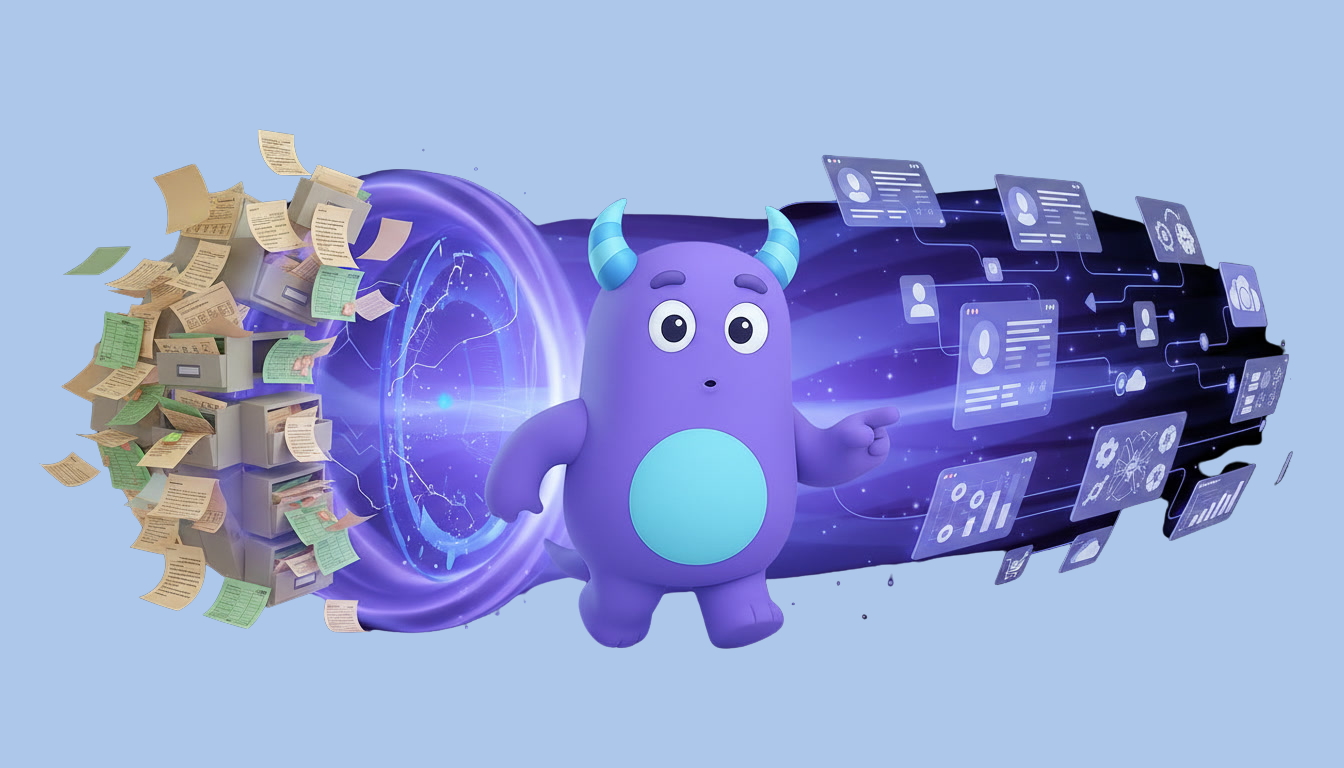
بیشتر شرکتهای خدماتی در حال رشد، نرمافزار را به تدریج جمعآوری میکنند. یک ابزار برای حل مشکل زمانبندی اضافه میشود. ابزار دیگری برای صدور فاکتور معرفی میشود. بعداً، یک CRM برای مدیریت مشتریان اتخاذ میشود و نرمافزار پروژه برای تحویل اضافه میشود. هر تصمیم در زمان خود منطقی است.
با گذشت زمان، مدیریت این مجموعه ابزارها دشوار میشود. دادهها در سراسر سیستمها تکرار میشوند. تیمها وقت خود را با جابجایی بین پلتفرمها تلف میکنند. مدیران به جای داشبوردهای بیدرنگ، به بهروزرسانیهای دستی تکیه میکنند. اطلاعات مهم از بین میروند.
هزینه این پراکندگی در تأخیرها، خطاهای صورتحساب، سوءتفاهم و از دست دادن فرصتها ظاهر میشود.
پیچیدگی عملیاتی سریعتر از تعداد کارکنان رشد میکند
استخدام افراد بیشتر رایجترین پاسخ به فشار عملیاتی است. با این حال، افزودن کارکنان اغلب نیازهای هماهنگی را افزایش میدهد تا اینکه آنها را کاهش دهد. هر کارمند جدید، تحویلها، تأییدیهها و وابستگیهای جدیدی را معرفی میکند.
بدون سیستمهایی که کار را در بین بخشها به هم متصل میکنند، مدیران به گلوگاه تبدیل میشوند. تصمیمات کند میشوند. تیمها منتظر شفافسازی میمانند. پروژهها حتی با افزایش منابع، مدت بیشتری طول میکشند تا تکمیل شوند.
در مقیاس بزرگ، موفقیت عملیاتی کمتر به تلاش فردی و بیشتر به نحوه جریان فرآیندها و اطلاعات در سازمان بستگی دارد.
دید مالی حیاتی میشود
در مراحل اولیه، نظارت مالی اغلب محدود به گزارشهای ماهانه و ردیابی جریان نقدی اولیه است. با رشد شرکتهای خدماتی، این سطح از دید کافی نیست. رهبران نیاز به درک سودآوری بر اساس مشتری، پروژه یا خط خدمات دارند.
هنگامی که سیستمهای مالی از دادههای عملیاتی جدا هستند، بینش خیلی دیر میرسد. تصمیمات قیمتگذاری بدون اطلاع از هزینههای واقعی تحویل گرفته میشوند. برنامههای استخدام بر اساس درآمد به جای حاشیه سود است. رشد خطرناک میشود.
سیستمهای ERP دادههای مالی و عملیاتی را گرد هم میآورند و رهبران را قادر میسازند تا بر اساس اطلاعات جاری و قابل اعتماد تصمیمگیری کنند.
چرا ERP نشاندهنده یک تغییر ساختاری است
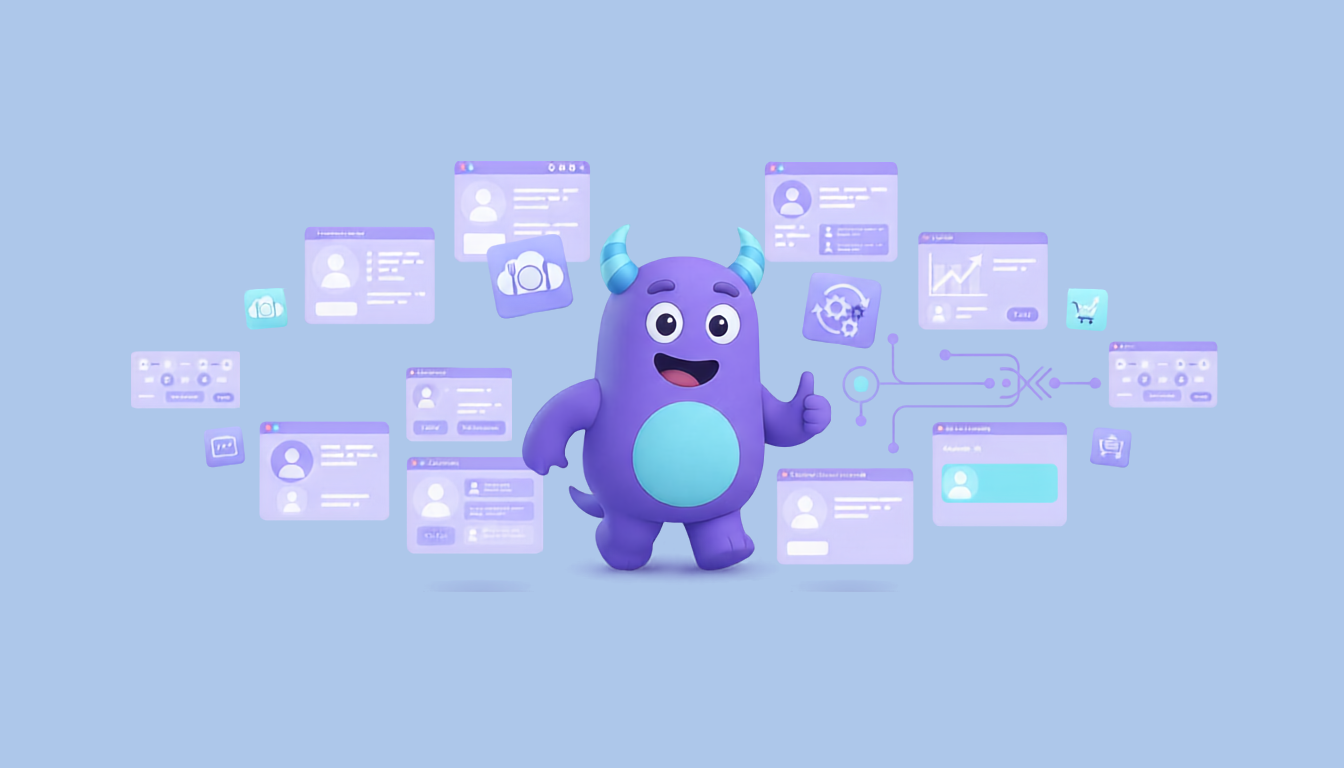
ERP اغلب به عنوان یک خرید نرمافزاری دیگر اشتباه گرفته میشود. در واقعیت، این نشاندهنده تغییری به سمت عملیات یکپارچه است. یک سیستم ERP عملکردهای اصلی کسبوکار مانند مدیریت مشتری، پروژهها، امور مالی، موجودی، زمانبندی و گزارشدهی را در یک محیط واحد به هم متصل میکند.
این یکپارچگی کار دستی را کاهش میدهد، ورود دادههای تکراری را حذف میکند و اطمینان میدهد که همه تیمها از یک منبع حقیقت واحد عمل میکنند. سازمانها به جای واکنش نشان دادن به مشکلات، میتوانند از طریق دید مشترک، آنها را پیشبینی کنند.
برای شرکتهای خدماتی، این همسویی ساختاری همان چیزی است که رشد را از آشفته به قابل پیشبینی تبدیل میکند.
زمانبندی مهمتر از اندازه است
بسیاری از کسبوکارها پذیرش ERP را به تعویق میاندازند زیرا معتقدند که این فقط برای شرکتهای بزرگ است. در واقعیت، لحظه مناسب با پیچیدگی تعریف میشود، نه اندازه شرکت. هنگامی که رهبران زمان بیشتری را صرف تطبیق اطلاعات میکنند تا برنامهریزی استراتژی، زمانی که گزارشدهی دستی میشود و زمانی که پروژهها به طور مرتب از بودجه فراتر میروند، احتمالاً کسبوکار از سیستمهای خود فراتر رفته است.
پذیرش زودهنگام به شرکتها اجازه میدهد تا فرآیندها را قبل از اینکه ناکارآمدیها عمیقاً ریشه بدوانند، شکل دهند. پذیرش دیرهنگام اغلب نیاز به بازسازی عملیاتی دردناک دارد.
تشخیص زودهنگام این نقطه عطف همان چیزی است که رشد کنترلشده را از آتشنشانی مداوم جدا میکند.
نتیجهگیری
ERP برای شرکتهای خدماتی اجتنابناپذیر میشود زیرا رشد، نیازهای هماهنگی، پیچیدگی مالی و فشار تصمیمگیری را چند برابر میکند. ابزارهای ناهمگون و فرآیندهای دستی در نهایت به محدودیتهای خود میرسند.
شرکتهایی که زودتر به سیستمهای یکپارچه روی میآورند، وضوح، کارایی و اطمینان در مقیاسبندی به دست میآورند. کسانی که این تغییر را به تعویق میاندازند، اغلب با افزایش هزینههای عملیاتی، کاهش دید و پیشرفت استراتژیک کندتر مواجه میشوند.
در درازمدت، ERP یک تجمل برای کسبوکارهای خدماتی نیست. این پایه عملیاتی است که گسترش پایدار را امکانپذیر میکند.
.jpg)
.jpg)