.jpg)
Las empresas de servicios crecen a través de personas, proyectos y relaciones. En las primeras etapas, la mayoría de las operaciones se gestionan con herramientas sencillas: hojas de cálculo para el seguimiento del trabajo, correo electrónico para la comunicación, software de contabilidad básico y gestores de tareas independientes. Esta configuración a menudo se siente eficiente y flexible cuando los equipos son pequeños y los volúmenes son manejables.
Sin embargo, a medida que la organización se expande, la complejidad aumenta en cada parte del negocio. Más clientes significan más contratos, más proyectos, más facturas y más coordinación entre los equipos. Al mismo tiempo, el liderazgo necesita una mejor visibilidad del rendimiento, la rentabilidad y la capacidad. Los sistemas que antes funcionaban bien empiezan a mostrar sus límites.
Este es el punto en el que muchas empresas de servicios empiezan a sentir presión operativa mucho antes de pensar conscientemente en el ERP.
El crecimiento expone los límites de las herramientas desconectadas
La mayoría de las empresas de servicios en crecimiento acumulan software gradualmente. Se añade una herramienta para resolver un problema de programación. Se introduce otra para la facturación. Más tarde, se adopta un CRM para gestionar los clientes y se añade software de proyectos para la entrega. Cada decisión tiene sentido en ese momento.
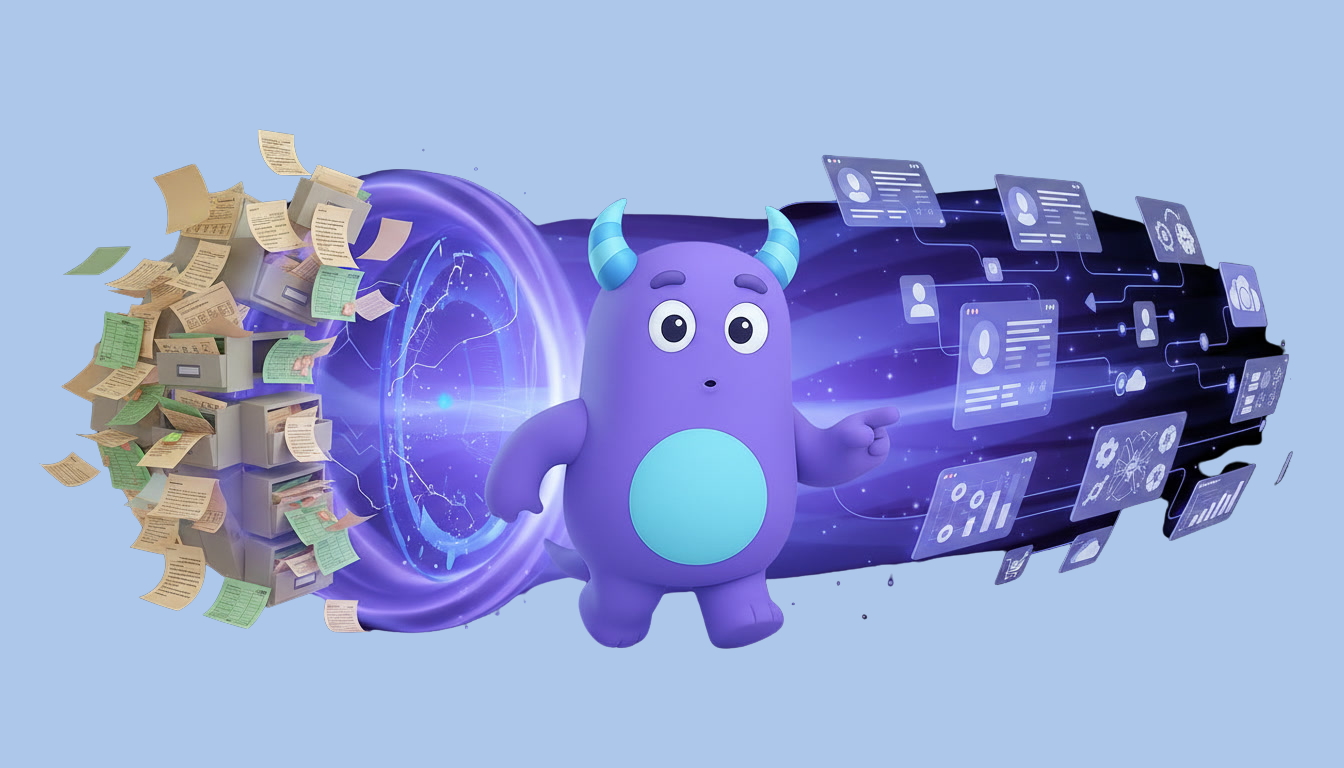
Con el tiempo, esta colección de herramientas se vuelve difícil de gestionar. Los datos se duplican en los sistemas. Los equipos pierden tiempo cambiando entre plataformas. Los gerentes confían en las actualizaciones manuales en lugar de los paneles de control en tiempo real. La información importante se pierde.
El costo de esta fragmentación aparece en retrasos, errores de facturación, falta de comunicación y oportunidades perdidas.
La complejidad operativa crece más rápido que el número de empleados
Contratar a más personas es la respuesta más común a la tensión operativa. Sin embargo, añadir personal a menudo aumenta los requisitos de coordinación en lugar de reducirlos. Cada nuevo empleado introduce nuevas transferencias, aprobaciones y dependencias.
Sin sistemas que conecten el trabajo entre los departamentos, los gerentes se convierten en cuellos de botella. Las decisiones se ralentizan. Los equipos esperan una aclaración. Los proyectos tardan más en completarse, incluso cuando aumentan los recursos.
A escala, el éxito operativo depende menos del esfuerzo individual y más de lo bien que los procesos y la información fluyen a través de la organización.
La visibilidad financiera se vuelve crítica
En las primeras etapas, la supervisión financiera a menudo se limita a los informes mensuales y al seguimiento básico del flujo de caja. A medida que las empresas de servicios crecen, este nivel de visibilidad se vuelve insuficiente. Los líderes necesitan entender la rentabilidad por cliente, proyecto o línea de servicio.
Cuando los sistemas financieros están desconectados de los datos operativos, la información llega demasiado tarde. Las decisiones de precios se toman sin conocer los verdaderos costos de entrega. Los planes de contratación se basan en los ingresos en lugar del margen. El crecimiento se vuelve arriesgado.
Los sistemas ERP reúnen los datos financieros y operativos, lo que permite a los líderes tomar decisiones basadas en información actual y fiable.
Por qué el ERP representa un cambio estructural
El ERP a menudo se malinterpreta como una simple compra de software. En realidad, representa un cambio hacia las operaciones integradas. Un sistema ERP conecta las funciones empresariales básicas, como la gestión de clientes, los proyectos, las finanzas, el inventario, la programación y la presentación de informes, en un único entorno.
Esta integración reduce el trabajo manual, elimina la entrada de datos duplicados y garantiza que todos los equipos operen desde la misma fuente de verdad. En lugar de reaccionar a los problemas, las organizaciones pueden anticiparlos a través de la visibilidad compartida.
Para las empresas de servicios, esta alineación estructural es lo que transforma el crecimiento de caótico a predecible.
El momento oportuno importa más que el tamaño
Muchas empresas retrasan la adopción del ERP porque creen que es solo para grandes empresas. En realidad, el momento adecuado se define por la complejidad, no por el tamaño de la empresa. Cuando los líderes dedican más tiempo a conciliar la información que a planificar la estrategia, cuando la presentación de informes se vuelve manual y cuando los proyectos superan regularmente los presupuestos, es probable que la empresa haya superado sus sistemas.
La adopción temprana permite a las empresas dar forma a los procesos antes de que las ineficiencias se arraiguen profundamente. La adopción tardía a menudo requiere una dolorosa reestructuración operativa.
Reconocer este punto de inflexión temprano es lo que separa el crecimiento controlado de la lucha constante contra los incendios.
Conclusión
El ERP se vuelve inevitable para las empresas de servicios porque el crecimiento multiplica los requisitos de coordinación, la complejidad financiera y la presión en la toma de decisiones. Las herramientas desconectadas y los procesos manuales eventualmente alcanzan sus límites.
Las empresas que hacen la transición a sistemas integrados antes obtienen claridad, eficiencia y confianza en la escalabilidad. Aquellas que posponen este cambio a menudo enfrentan costos operativos crecientes, una visibilidad decreciente y un progreso estratégico más lento.
A largo plazo, el ERP no es un lujo para las empresas de servicios. Es la base operativa que permite una expansión sostenible.
.jpg)
.jpg)