.jpg)
Xizmat ko'rsatuvchi kompaniyalar odamlar, loyihalar va munosabatlar orqali o'sadi. Dastlabki bosqichlarda operatsiyalarning aksariyati oddiy vositalar yordamida amalga oshiriladi: ishlarni kuzatish uchun elektron jadvallar, aloqa uchun elektron pochta, asosiy buxgalteriya dasturlari va alohida vazifa menejerlari. Jamoalar kichik va hajmlar boshqariladigan bo'lganda, bu sozlash ko'pincha samarali va moslashuvchan bo'lib tuyuladi.
Biroq, tashkilot kengayishi bilan biznesning har bir qismida murakkablik ortadi. Ko'proq mijozlar ko'proq shartnomalar, ko'proq loyihalar, ko'proq hisob-fakturalar va jamoalar o'rtasida ko'proq muvofiqlashtirishni anglatadi. Shu bilan birga, rahbariyat ishlash, rentabellik va imkoniyatlarni yaxshiroq ko'rishni talab qiladi. Bir vaqtlar yaxshi ishlagan tizimlar o'z chegaralarini ko'rsata boshlaydi.
Bu xizmat ko'rsatuvchi ko'plab kompaniyalar ERP haqida ongli ravishda o'ylashdan ancha oldin operatsion bosimni his qila boshlaydigan nuqtadir.
O'sish aloqasi uzilgan vositalarning chegaralarini ochib beradi
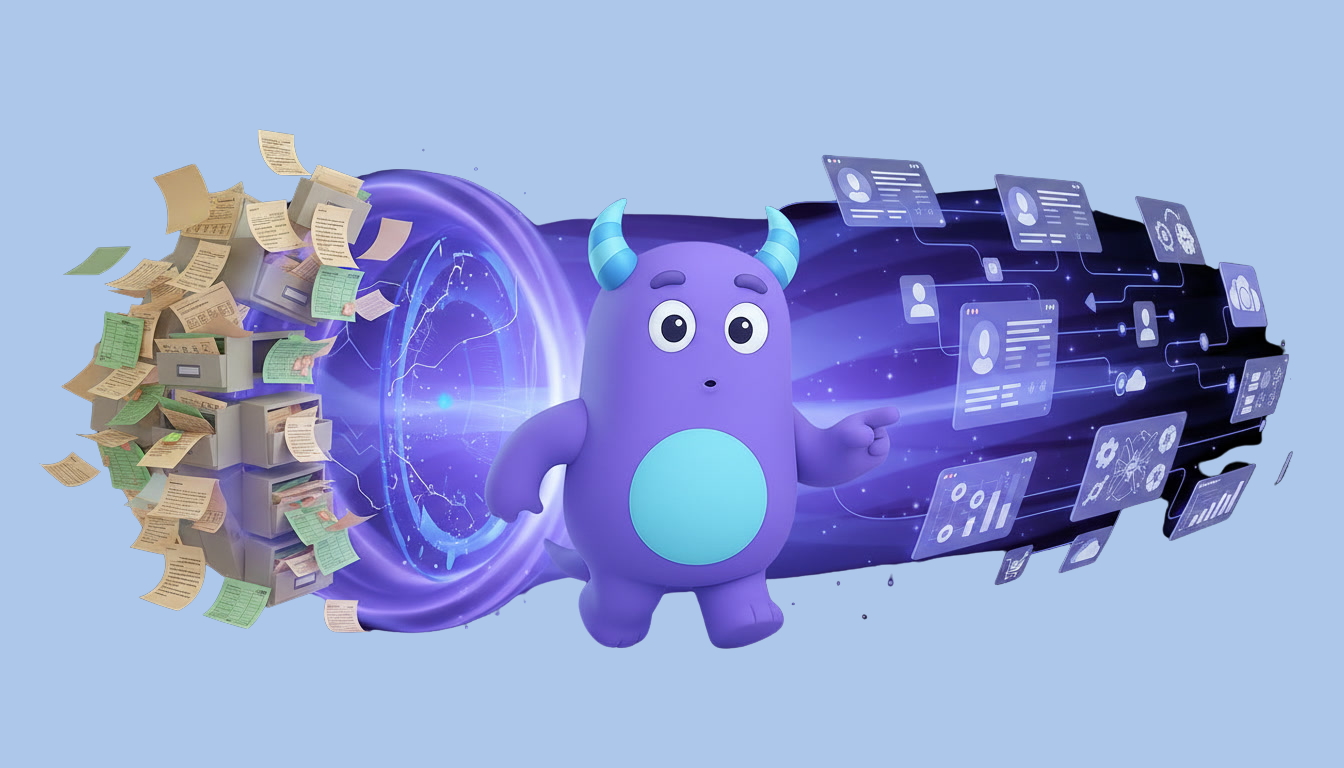
Xizmat ko'rsatuvchi ko'plab kompaniyalar dasturiy ta'minotni asta-sekin to'plashadi. Rejalashtirish muammosini hal qilish uchun vosita qo'shiladi. Hisob-faktura uchun yana biri kiritilgan. Keyinchalik, mijozlarni boshqarish uchun CRM qabul qilinadi va yetkazib berish uchun loyiha dasturi qo'shiladi. Har bir qaror o'sha paytda mantiqan.
Vaqt o'tishi bilan ushbu vositalar to'plamini boshqarish qiyinlashadi. Ma'lumotlar tizimlar bo'ylab takrorlanadi. Jamoalar platformalar o'rtasida almashishga vaqtni behuda sarflaydilar. Menejerlar real vaqt rejimida boshqaruv panellari o'rniga qo'lda yangilanishlarga tayanadilar. Muhim ma'lumotlar yoriqlar orasidan o'tib ketadi.
Ushbu parchalanishning narxi kechikishlar, hisob-kitoblardagi xatolar, noto'g'ri aloqa va boy berilgan imkoniyatlarda namoyon bo'ladi.
Operatsion murakkablik shtatdan tezroq o'sadi
Ko'proq odamlarni yollash operatsion zo'riqishga eng keng tarqalgan javobdir. Biroq, xodimlarni qo'shish ularni kamaytirishdan ko'ra ko'proq muvofiqlashtirish talablarini oshiradi. Har bir yangi xodim yangi topshiriqlar, tasdiqlar va bog'liqliklarni taqdim etadi.
Bo'limlar bo'ylab ishlarni bog'laydigan tizimlarsiz menejerlar to'siq bo'lib qoladilar. Qarorlar sekinlashadi. Jamoalar aniqlik kutishadi. Loyihalar resurslar ko'paygan taqdirda ham uzoqroq vaqtni oladi.
Miqyosda operatsion muvaffaqiyat individual harakatlarga emas, balki jarayonlar va ma'lumotlar tashkilot orqali qanchalik yaxshi o'tishiga bog'liq.
Moliyaviy ko'rinish muhim ahamiyatga ega
Dastlabki bosqichlarda moliyaviy nazorat ko'pincha oylik hisobotlar va asosiy pul oqimini kuzatish bilan cheklanadi. Xizmat ko'rsatuvchi kompaniyalar o'sishi bilan ko'rinishning bu darajasi etarli emas. Rahbarlar mijoz, loyiha yoki xizmat turi bo'yicha rentabellikni tushunishlari kerak.
Moliyaviy tizimlar operatsion ma'lumotlardan uzilgan bo'lsa, tushuncha juda kech keladi. Narxlar haqiqiy yetkazib berish xarajatlarini bilmasdan qabul qilinadi. Yollash rejalari marjadan ko'ra daromadga asoslangan. O'sish xavfli bo'lib qoladi.
ERP tizimlari moliyaviy va operatsion ma'lumotlarni birlashtirib, rahbarlarga joriy, ishonchli ma'lumotlarga asoslangan qarorlar qabul qilish imkonini beradi.
Nima uchun ERP tarkibiy o'zgarishni anglatadi
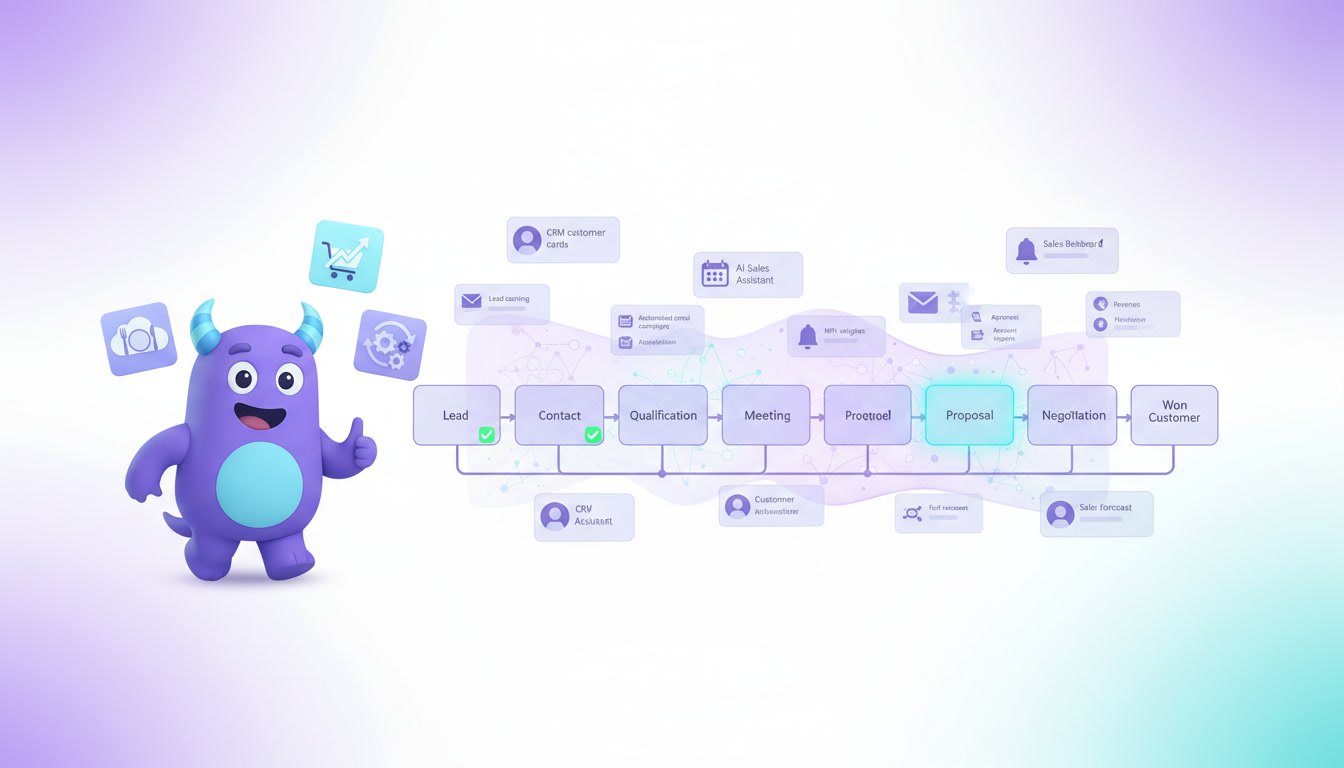
ERP ko'pincha shunchaki yana bir dasturiy ta'minot xaridi sifatida noto'g'ri tushuniladi. Aslida, u integratsiyalashgan operatsiyalarga o'tishni anglatadi. ERP tizimi mijozlarni boshqarish, loyihalar, moliya, inventarizatsiya, rejalashtirish va hisobot berish kabi asosiy biznes funktsiyalarini yagona muhitga bog'laydi.
Ushbu integratsiya qo'lda ishlashni kamaytiradi, takroriy ma'lumotlar kiritilishini yo'q qiladi va barcha jamoalar bir xil haqiqat manbasidan ishlashini ta'minlaydi. Muammolarga javob berish o'rniga, tashkilotlar umumiy ko'rinish orqali ularni kutishlari mumkin.
Xizmat ko'rsatuvchi kompaniyalar uchun ushbu tarkibiy moslashuv o'sishni tartibsizdan bashorat qilinadigan holatga aylantiradi.
Vaqt o'lchamdan ko'ra muhimroq
Ko'pgina korxonalar ERPni qabul qilishni kechiktiradilar, chunki ular faqat yirik korxonalar uchun deb hisoblashadi. Aslida, to'g'ri vaqt kompaniya hajmi bilan emas, balki murakkablik bilan belgilanadi. Rahbarlar strategiyani rejalashtirishdan ko'ra ko'proq vaqtni ma'lumotlarni yarashishga sarflaganda, hisobot berish qo'lda bo'lib qolganda va loyihalar doimiy ravishda byudjetdan oshib ketganda, biznes o'z tizimlaridan oshib ketgan bo'lishi mumkin.
Erta qabul qilish kompaniyalarga samarasizlik chuqur o'rnashib qolishidan oldin jarayonlarni shakllantirishga imkon beradi. Kech qabul qilish ko'pincha og'riqli operatsion qayta qurishni talab qiladi.
Ushbu burilish nuqtasini erta tan olish doimiy o't o'chirishdan nazorat qilinadigan o'sishni ajratib turadi.
Xulosa
Xizmat ko'rsatuvchi kompaniyalar uchun ERP muqarrar bo'lib qoladi, chunki o'sish muvofiqlashtirish talablarini, moliyaviy murakkablikni va qaror qabul qilish bosimini ko'paytiradi. Aloqasi uzilgan vositalar va qo'lda bajariladigan jarayonlar oxir-oqibat o'z chegaralariga etadi.
Integratsiyalashgan tizimlarga erta o'tadigan kompaniyalar aniqlik, samaradorlik va miqyosni oshirishga ishonch hosil qiladilar. Ushbu o'tishni kechiktiradiganlar ko'pincha operatsion xarajatlarning oshishi, ko'rinishning pasayishi va strategik taraqqiyotning sekinlashishi bilan duch kelishadi.
Uzoq muddatda ERP xizmat ko'rsatish biznesi uchun hashamat emas. Bu barqaror kengayishni ta'minlaydigan operatsion asosdir.
.jpg)

.jpg)