.jpg)
Servicevirksomheder vokser gennem mennesker, projekter og relationer. I de tidlige faser håndteres de fleste operationer ved hjælp af simple værktøjer: regneark til sporing af arbejde, e-mail til kommunikation, grundlæggende regnskabssoftware og selvstændige opgavestyringsværktøjer. Denne opsætning føles ofte effektiv og fleksibel, når teams er små, og mængderne er overskuelige.
Efterhånden som organisationen udvides, øges kompleksiteten imidlertid på tværs af alle dele af virksomheden. Flere kunder betyder flere kontrakter, flere projekter, flere fakturaer og mere koordinering mellem teams. Samtidig har ledelsen brug for bedre synlighed i forhold til performance, rentabilitet og kapacitet. De systemer, der engang fungerede godt, begynder at vise deres begrænsninger.
Det er her, mange servicevirksomheder begynder at føle et operationelt pres, længe før de bevidst tænker på ERP.
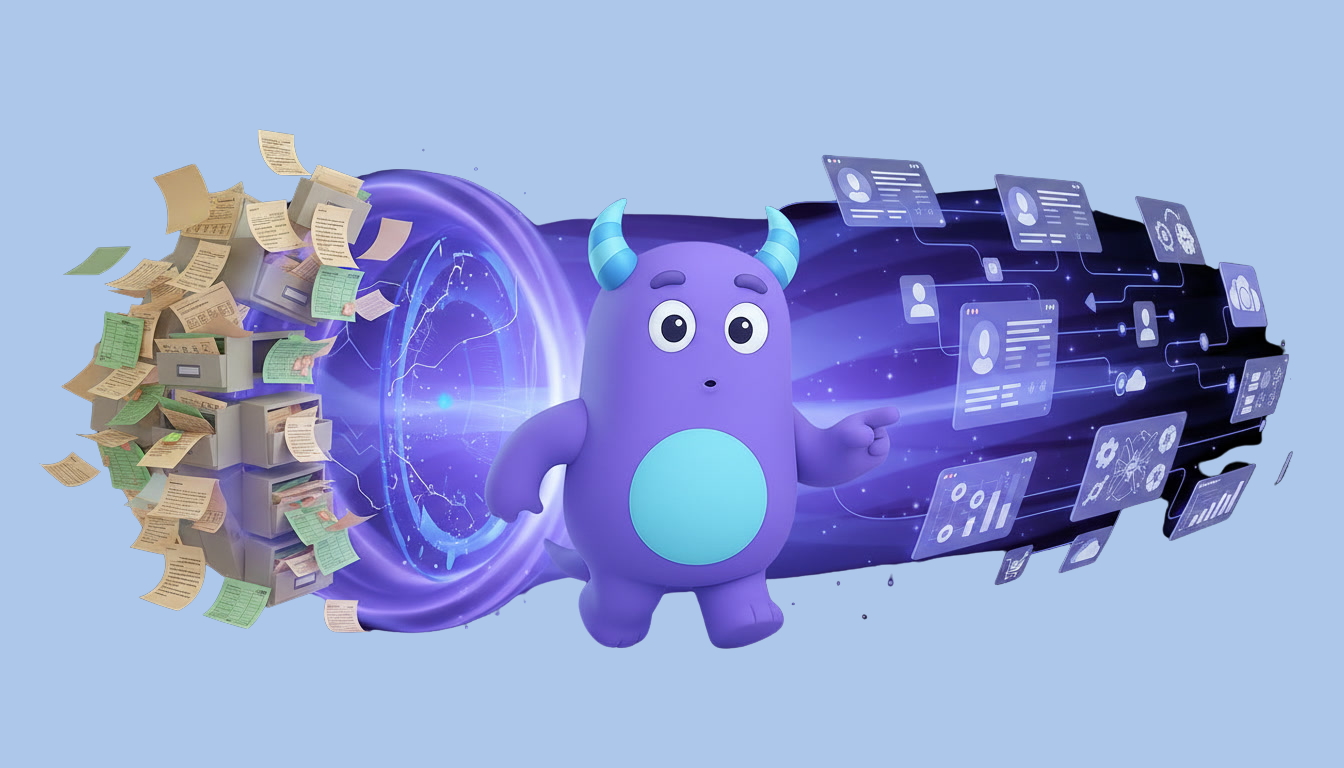
Vækst afslører begrænsningerne ved usammenhængende værktøjer
De fleste voksende servicevirksomheder akkumulerer software gradvist. Et værktøj tilføjes for at løse et planlægningsproblem. Et andet introduceres til fakturering. Senere indføres et CRM til at administrere kunder, og projektsoftware tilføjes til levering. Hver beslutning giver mening på det tidspunkt.
Med tiden bliver denne samling af værktøjer vanskelig at administrere. Data duplikeres på tværs af systemer. Teams spilder tid på at skifte mellem platforme. Ledere er afhængige af manuelle opdateringer i stedet for realtidsdashboards. Vigtige oplysninger går tabt.
Omkostningerne ved denne fragmentering viser sig i forsinkelser, faktureringsfejl, misforståelser og tabte muligheder.
Operationel kompleksitet vokser hurtigere end antallet af medarbejdere
Ansættelse af flere medarbejdere er det mest almindelige svar på operationelt pres. Men tilføjelse af personale øger ofte koordinationskravene snarere end at reducere dem. Hver ny medarbejder introducerer nye overdragelser, godkendelser og afhængigheder.
Uden systemer, der forbinder arbejde på tværs af afdelinger, bliver ledere flaskehalse. Beslutninger tager længere tid. Teams venter på afklaring. Projekter tager længere tid at gennemføre, selvom ressourcerne øges.
I stor skala afhænger operationel succes mindre af individuel indsats og mere af, hvor godt processer og information flyder gennem organisationen.
Finansiel synlighed bliver afgørende
I de tidlige faser er det finansielle tilsyn ofte begrænset til månedlige rapporter og grundlæggende cashflow-sporing. Efterhånden som servicevirksomheder vokser, bliver dette niveau af synlighed utilstrækkeligt. Ledere har brug for at forstå rentabiliteten efter kunde, projekt eller serviceområde.
Når finansielle systemer er afbrudt fra operationelle data, kommer indsigt for sent. Prisfastsættelsesbeslutninger træffes uden at kende de reelle leveringsomkostninger. Ansættelsesplaner er baseret på omsætning snarere end margin. Vækst bliver risikabel.
ERP-systemer samler finansielle og operationelle data, hvilket gør det muligt for ledere at træffe beslutninger baseret på aktuelle, pålidelige oplysninger.
Hvorfor ERP repræsenterer et strukturelt skift
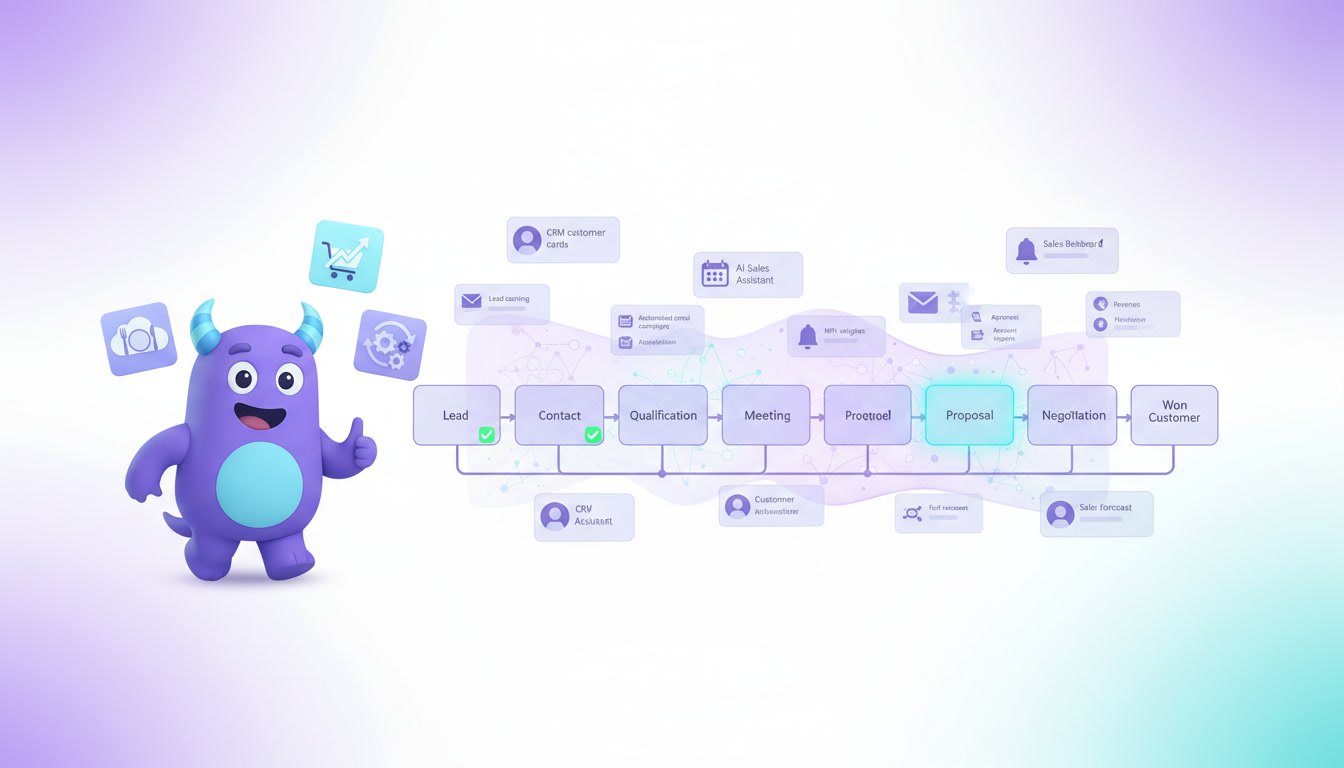
ERP misforstås ofte som blot endnu et softwarekøb. I virkeligheden repræsenterer det et skift mod integrerede operationer. Et ERP-system forbinder centrale forretningsfunktioner såsom kundestyring, projekter, finans, lager, planlægning og rapportering i et enkelt miljø.
Denne integration reducerer manuelt arbejde, eliminerer duplikeret dataindtastning og sikrer, at alle teams arbejder ud fra den samme kilde til sandhed. I stedet for at reagere på problemer kan organisationer forudse dem gennem fælles synlighed.
For servicevirksomheder er denne strukturelle tilpasning det, der transformerer vækst fra kaotisk til forudsigelig.
Timing betyder mere end størrelse
Mange virksomheder udskyder ERP-implementering, fordi de tror, at det kun er for store virksomheder. I virkeligheden defineres det rigtige tidspunkt af kompleksitet, ikke virksomhedsstørrelse. Når ledere bruger mere tid på at afstemme information end på at planlægge strategi, når rapportering bliver manuel, og når projekter regelmæssigt overskrider budgetterne, er virksomheden sandsynligvis vokset fra sine systemer.
Tidlig implementering giver virksomheder mulighed for at forme processer, før ineffektivitet bliver dybt forankret. Sen implementering kræver ofte smertefuld operationel omstrukturering.
At erkende dette vendepunkt tidligt er det, der adskiller kontrolleret vækst fra konstant brandslukning.
Konklusion
ERP bliver uundgåeligt for servicevirksomheder, fordi vækst multiplicerer koordinationskrav, finansiel kompleksitet og beslutningstagningspres. Usammenhængende værktøjer og manuelle processer når til sidst deres grænser.
Virksomheder, der overgår til integrerede systemer tidligere, opnår klarhed, effektivitet og tillid til skalering. De, der udskyder dette skift, står ofte over for stigende driftsomkostninger, faldende synlighed og langsommere strategiske fremskridt.
På lang sigt er ERP ikke en luksus for servicevirksomheder. Det er det operationelle fundament, der muliggør bæredygtig ekspansion.
.jpg)

.jpg)