.jpg)
Service companies grow through people, projects, and relationships. In the early stages, most operations are handled using simple tools: spreadsheets for tracking work, email for communication, basic accounting software, and standalone task managers. This setup often feels efficient and flexible when teams are small and volumes are manageable.
As the organization expands, however, complexity increases across every part of the business. More clients mean more contracts, more projects, more invoices, and more coordination between teams. At the same time, leadership needs better visibility into performance, profitability, and capacity. The systems that once worked well begin to show their limits.
This is the point where many service companies start to feel operational pressure long before they consciously think about ERP.
Growth Exposes the Limits of Disconnected Tools
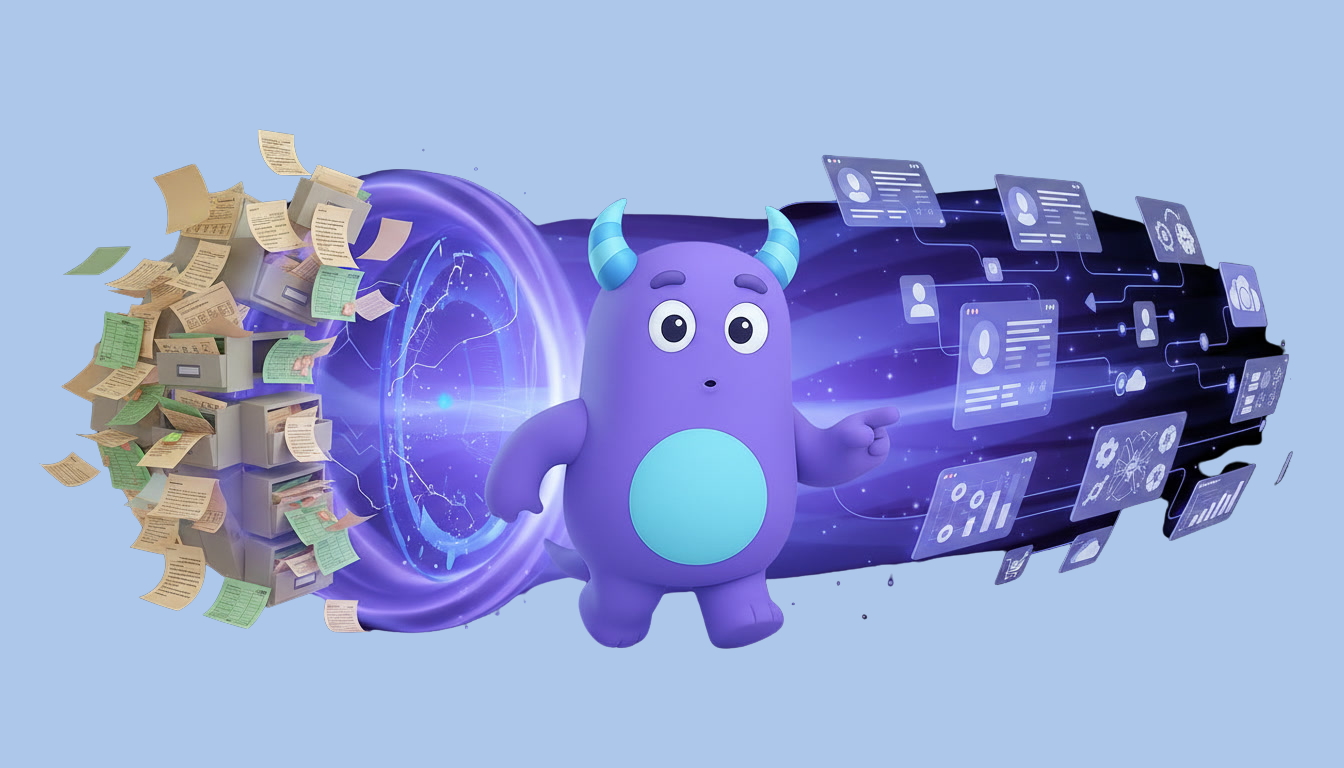
Most growing service companies accumulate software gradually. A tool is added to solve a scheduling problem. Another is introduced for invoicing. Later, a CRM is adopted to manage customers, and project software is added for delivery. Each decision makes sense at the time.
Over time, this collection of tools becomes difficult to manage. Data is duplicated across systems. Teams waste time switching between platforms. Managers rely on manual updates instead of real-time dashboards. Important information falls through the cracks.
The cost of this fragmentation appears in delays, billing errors, miscommunication, and lost opportunities.
Operational Complexity Grows Faster Than Headcount
Hiring more people is the most common response to operational strain. Yet adding staff often increases coordination requirements rather than reducing them. Every new employee introduces new handoffs, approvals, and dependencies.
Without systems that connect work across departments, managers become bottlenecks. Decisions slow down. Teams wait for clarification. Projects take longer to complete even as resources increase.
At scale, operational success depends less on individual effort and more on how well processes and information flow through the organization.
Financial Visibility Becomes Critical
In early stages, financial oversight is often limited to monthly reports and basic cash-flow tracking. As service companies grow, this level of visibility becomes insufficient. Leaders need to understand profitability by client, project, or service line.
When financial systems are disconnected from operational data, insight arrives too late. Pricing decisions are made without knowing true delivery costs. Hiring plans are based on revenue rather than margin. Growth becomes risky.
ERP systems bring financial and operational data together, enabling leaders to make decisions based on current, reliable information.
Why ERP Represents a Structural Shift
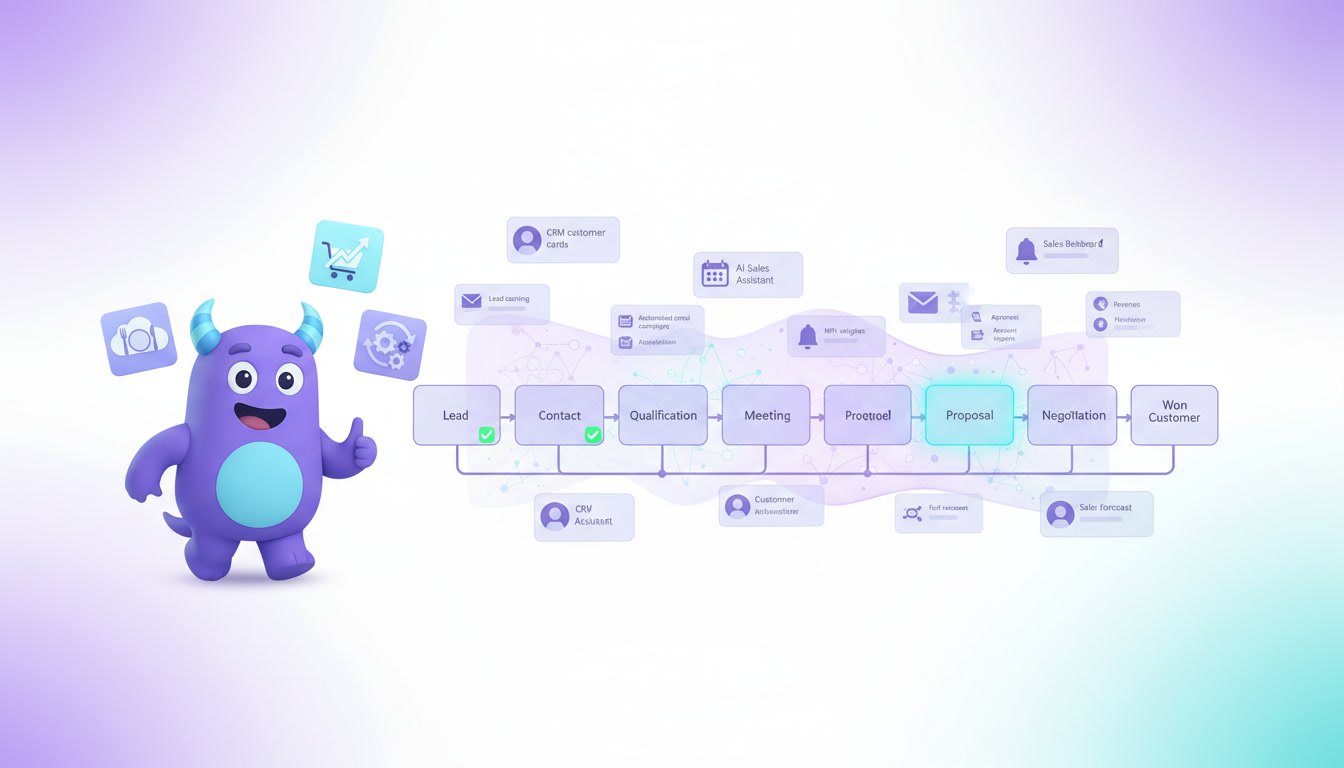
ERP is often misunderstood as just another software purchase. In reality, it represents a shift toward integrated operations. An ERP system connects core business functions such as customer management, projects, finance, inventory, scheduling, and reporting into a single environment.
This integration reduces manual work, eliminates duplicated data entry, and ensures that all teams operate from the same source of truth. Instead of reacting to problems, organizations can anticipate them through shared visibility.
For service companies, this structural alignment is what transforms growth from chaotic to predictable.
Timing Matters More Than Size
Many businesses delay ERP adoption because they believe it is only for large enterprises. In reality, the right moment is defined by complexity, not company size. When leaders spend more time reconciling information than planning strategy, when reporting becomes manual, and when projects regularly overrun budgets, the business has likely outgrown its systems.
Early adoption allows companies to shape processes before inefficiencies become deeply embedded. Late adoption often requires painful operational restructuring.
Recognizing this inflection point early is what separates controlled growth from constant firefighting.
Conclusion
ERP becomes inevitable for service companies because growth multiplies coordination requirements, financial complexity, and decision-making pressure. Disconnected tools and manual processes eventually reach their limits.
Companies that transition to integrated systems earlier gain clarity, efficiency, and confidence in scaling. Those that postpone this shift often face rising operational costs, declining visibility, and slower strategic progress.
In the long term, ERP is not a luxury for service businesses. It is the operational foundation that enables sustainable expansion.
.jpg)

.jpg)