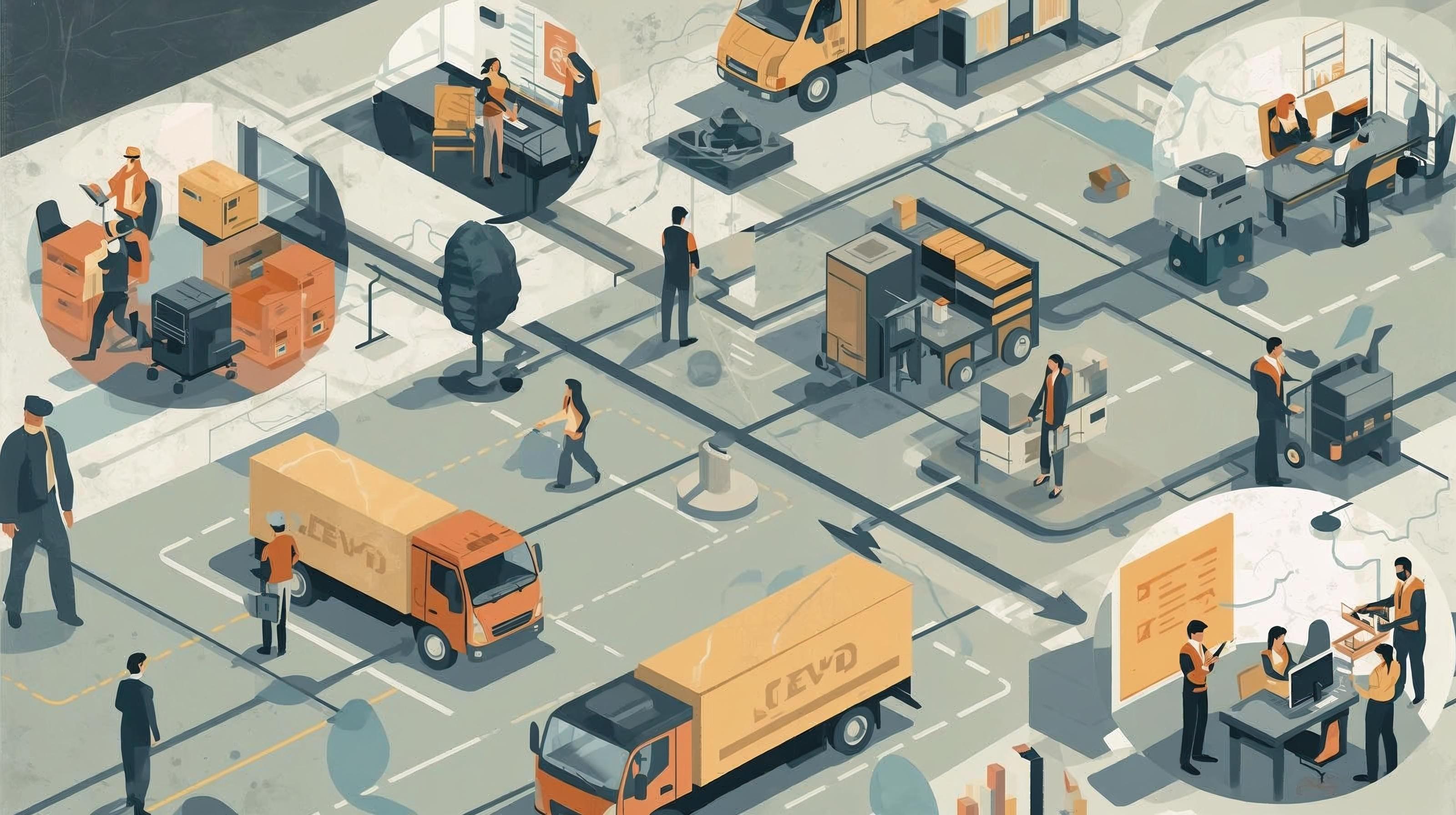
شرکتهای خدمات لجستیک بر اساس هماهنگی بنا شدهاند. هر محموله به اطلاعات دقیق، زمانبندی دقیق و همکاری روان بین تیمها، شرکا و سیستمها بستگی دارد. وقتی یک کسبوکار لجستیک کوچک است، این هماهنگی اغلب بهطور طبیعی از طریق ارتباط مستقیم و ابزارهای ساده اتفاق میافتد. با این حال، با مقیاسبندی عملیات، همان رویکردها شروع به شکست میکنند.
بسیاری از شرکتهای لجستیک رشد سریعی در مشتریان، مسیرها، محمولهها و کارکنان تجربه میکنند، اما هماهنگی داخلی آنها با همان سرعت تکامل نمییابد. این شکاف باعث تأخیر، سردرگمی، کار تکراری و افزایش استرس عملیاتی میشود. نتیجه نهتنها ناکارآمدی، بلکه افزایش هزینهها، نارضایتی مشتری و کاهش سودآوری است.
درک اینکه چرا هماهنگی با مقیاس بزرگ سختتر میشود، اولین قدم برای رفع آن است. بیشتر مشکلات ناشی از افراد یا تلاش نیست، بلکه از سیستمها و ساختاری است که هرگز برای رشد طراحی نشدهاند.
هماهنگی قبل از اینکه شرکتها متوجه شوند پیچیده میشود
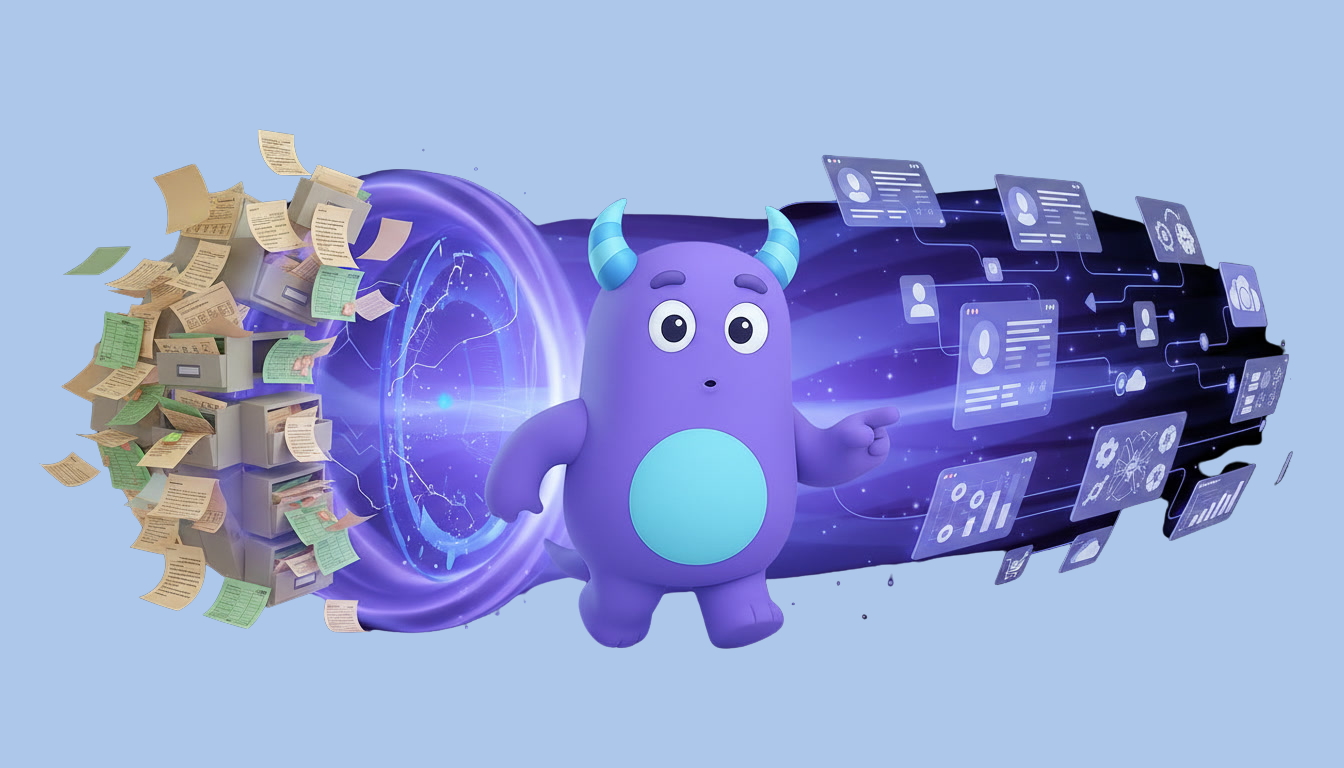
در مراحل اولیه، تیمهای لجستیک برای مدیریت محمولهها، رانندگان، مستندات و صورتحسابها به صفحات گسترده، برنامههای پیامرسان، ایمیلها و تماسهای تلفنی متکی هستند. این روش زمانی کار میکند که حجم کم باشد و همه بدانند چه اتفاقی میافتد. بهمحض اینکه تعداد محمولهها افزایش مییابد، این هماهنگی غیررسمی به آتشنشانی مداوم تبدیل میشود.
اطلاعات شروع به زندگی در چندین مکان بهطور همزمان میکنند. یک تیم یک صفحه گسترده را بهروز میکند، تیم دیگری جزئیات را از طریق ایمیل تأیید میکند، درحالیکه رانندگان از طریق برنامههای پیامرسان دستورالعمل دریافت میکنند. هیچ منبع واحدی از حقیقت وجود ندارد. تیمها زمان بیشتری را صرف تأیید اطلاعات میکنند تا اجرای کار، و اشتباهات کوچک بهسرعت به تأخیرهای پرهزینه تبدیل میشوند.
مشکل کمبود تلاش نیست، بلکه کمبود ساختار است. هماهنگی نیازمند دید، ثبات و مالکیت واضح دادهها و فرآیندها است. بدون اینها، رشد بهطور خودکار باعث افزایش هرجومرج میشود.
سیستمهای ناهمگون نقاط کور عملیاتی ایجاد میکنند
با مقیاسبندی شرکتهای لجستیک، آنها اغلب ابزارهای نرمافزاری جدیدی را برای حل مشکلات فوری اضافه میکنند. یک ابزار برای اعزام، دیگری برای صدور فاکتور، دیگری برای ذخیرهسازی اسناد و دیگری برای ارتباط با مشتری. درحالیکه هر ابزار ممکن است بهخوبی بهتنهایی کار کند، اما در کنار هم باعث ایجاد تفرقه میشوند.
وقتی سیستمها به هم متصل نیستند، تیمها دید خود را در کل عملیات از دست میدهند. اعزام وضعیت صورتحساب را نمیبیند. امور مالی دادههای محموله را بهصورت لحظهای ندارد. پشتیبانی مشتری به بهروزرسانیهای عملیاتی دسترسی ندارد. مدیران برای دریافت پاسخهای دقیق به سؤالات سادهای مانند اینکه تأخیرها در کجا رخ میدهند یا کدام مسیرها سودآورتر هستند، تلاش میکنند.
این نقاط کور باعث میشود هماهنگی بهجای پیشگیرانه، واکنشی باشد. مشکلات پس از شکایت مشتریان کشف میشوند، نه اینکه از طریق دید و برنامهریزی از آنها جلوگیری شود.
رشد وابستگی بین تیمها را چند برابر میکند
در لجستیک، هیچ تیمی بهصورت مجزا کار نمیکند. عملیات به پیشبینیهای فروش بستگی دارد. امور مالی به تحویلهای تأییدشده بستگی دارد. پشتیبانی مشتری به وضعیت دقیق محموله بستگی دارد. با افزایش حجم، تعداد وابستگیها بهصورت تصاعدی افزایش مییابد.
بدون گردش کار و مسئولیتهای مشخص، تیمها شروع به منتظر ماندن یکدیگر میکنند. وظایف بین نقشها تقسیم میشوند. مراحل مهم نادیده گرفته میشوند زیرا همه فرض میکنند شخص دیگری در حال رسیدگی به آنها است. هماهنگی کند میشود نه به این دلیل که تیمها ناتوان هستند، بلکه به این دلیل که فرآیندها نامشخص هستند.
این امر باعث ایجاد اصطکاک داخلی میشود. تیمها تمام روز احساس میکنند مشغول هستند، اما پیشرفت کند به نظر میرسد. مدیران با افزودن کارکنان بیشتر پاسخ میدهند، که اغلب بهجای حل مشکل اصلی، پیچیدگی را افزایش میدهد.
هماهنگی دستی مقیاسپذیر نیست
بسیاری از شرکتهای لجستیک بهشدت به هماهنگی دستی متکی هستند: تماسهای تلفنی برای تأیید تحویل، ایمیل برای بهروزرسانی مشتریان و بررسیهای انسانی برای تأیید اسناد. درحالیکه این امر در ابتدا حس کنترل را ایجاد میکند، اما در مقیاس بزرگ ناپایدار میشود.
هماهنگی دستی باعث تأخیر و خطای انسانی میشود. بهروزرسانیهای مهم از دست میروند، اسناد ناقص هستند و پیگیریها فراموش میشوند. کارمندان بهجای مدیریت عملیات، وقت خود را صرف ردیابی اطلاعات میکنند.
درنتیجه، کیفیت خدمات ناهمگون میشود. برخی از محمولهها بهطور کامل رسیدگی میشوند، درحالیکه برخی دیگر از اشتباهات قابل اجتناب رنج میبرند. این ناهمگونی به اعتماد مشتریان و شرکا آسیب میرساند.
نقش سیستمهای متمرکز در هماهنگی مقیاسپذیر
هماهنگی پایدار در مقیاس بزرگ نیازمند تمرکز است. این به معنای حذف انعطافپذیری نیست، بلکه ایجاد یک ستون فقرات عملیاتی مشترک است که در آن همه تیمها با دادهها، فرآیندها و دید یکسان کار میکنند.
یک سیستم متمرکز به شرکتهای لجستیک اجازه میدهد تا محمولهها، وظایف، مستندات، صورتحساب و ارتباطات را در یک محیط مدیریت کنند. این سیستم تضمین میکند که بهروزرسانیها بهطور خودکار بین تیمها جریان مییابند و همه واقعیت عملیاتی یکسانی را میبینند.
با وجود سیستم مناسب، هماهنگی بهجای بداهه، ساختاریافته میشود. تیمها زمان کمتری را صرف جستجوی اطلاعات میکنند و زمان بیشتری را صرف اجرای کار میکنند. مدیران دیدی نسبت به گلوگاهها پیدا میکنند و میتوانند بر اساس دادههای واقعی تصمیمات آگاهانه بگیرند.
نتیجهگیری
شرکتهای خدمات لجستیک به این دلیل با هماهنگی مشکل ندارند که تیمهای ماهری ندارند. آنها به این دلیل مشکل دارند که رشد محدودیتهای فرآیندهای دستی و ابزارهای ناهمگون را آشکار میکند. با مقیاسبندی عملیات، هماهنگی باید از ارتباطات غیررسمی به سیستمهای ساختاریافته تکامل یابد.
شرکتهایی که این موضوع را زود تشخیص میدهند، میتوانند یک پایه عملیاتی قوی بسازند، کیفیت خدمات را حفظ کنند و بدون هرجومرج رشد کنند. کسانی که رسیدگی به چالشهای هماهنگی را به تأخیر میاندازند، اغلب با افزایش هزینهها، استرس عملیاتی و از دست دادن اعتماد مشتری مواجه میشوند.
مقیاسبندی موفقیتآمیز عملیات لجستیک نیازمند چیزی بیش از تلاش است. این امر نیازمند سیستمهایی است که برای پشتیبانی از هماهنگی، دید و کنترل در هر مرحله از رشد طراحی شدهاند.
.jpg)

.jpg)