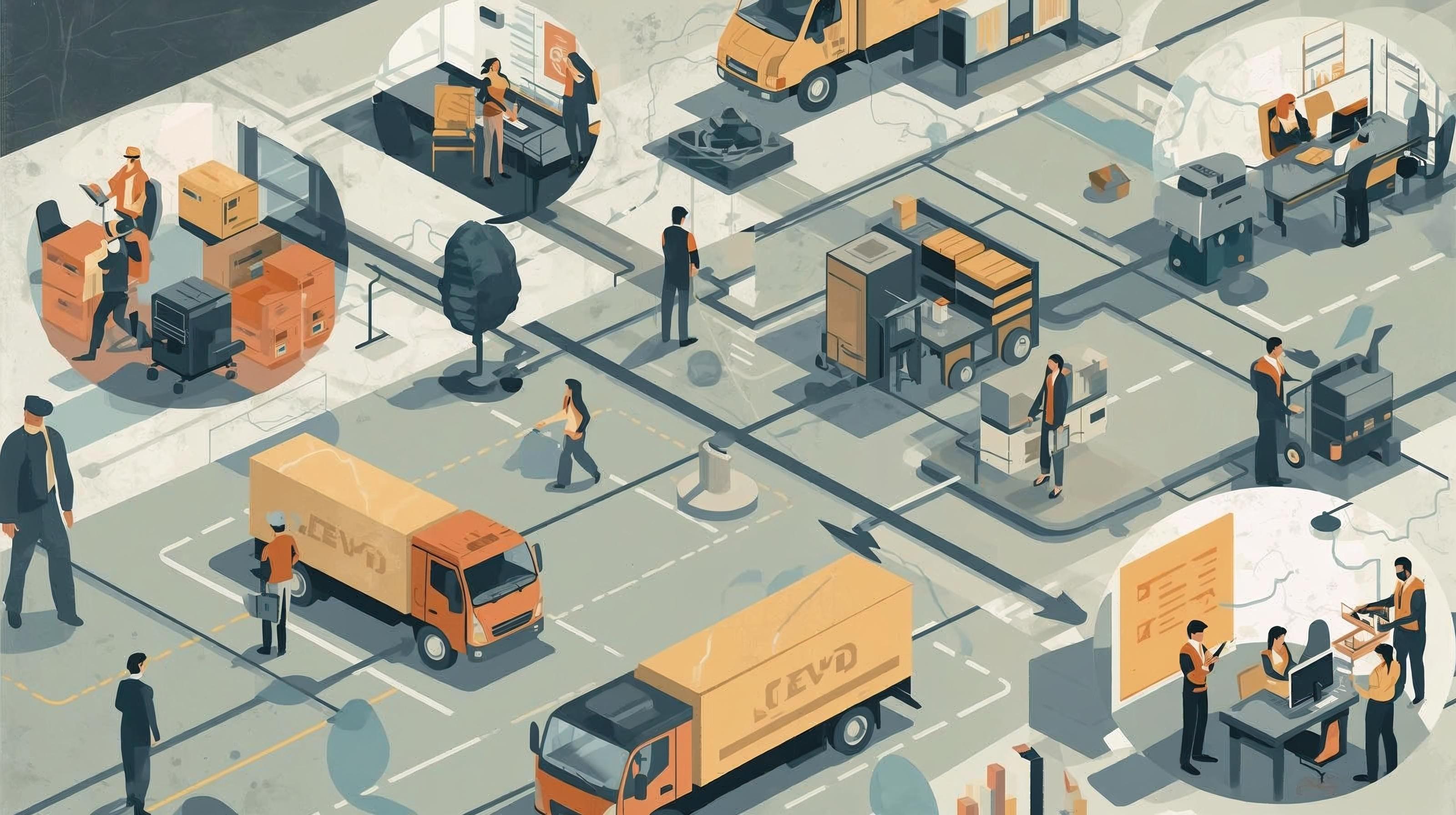
Компаниите за логистични услуги са изградени върху координация. Всяка пратка зависи от точна информация, прецизно време и гладко сътрудничество между екипи, партньори и системи. Когато логистичният бизнес е малък, тази координация често се случва естествено чрез директна комуникация и прости инструменти. Въпреки това, с разрастването на операциите, същите подходи започват да се провалят.
Много логистични компании изпитват бърз растеж на клиенти, маршрути, пратки и персонал, но вътрешната им координация не се развива със същото темпо. Тази разлика създава закъснения, объркване, дублирана работа и нарастващ оперативен стрес. Резултатът е не само неефективност, но и увеличени разходи, недоволство на клиентите и намалена рентабилност.
Разбирането защо координацията става по-трудна с мащаба е първата стъпка към отстраняването ѝ. Повечето проблеми не идват от хора или усилия, а от системи и структура, които никога не са били проектирани за растеж.
Координацията става сложна, преди компаниите да забележат
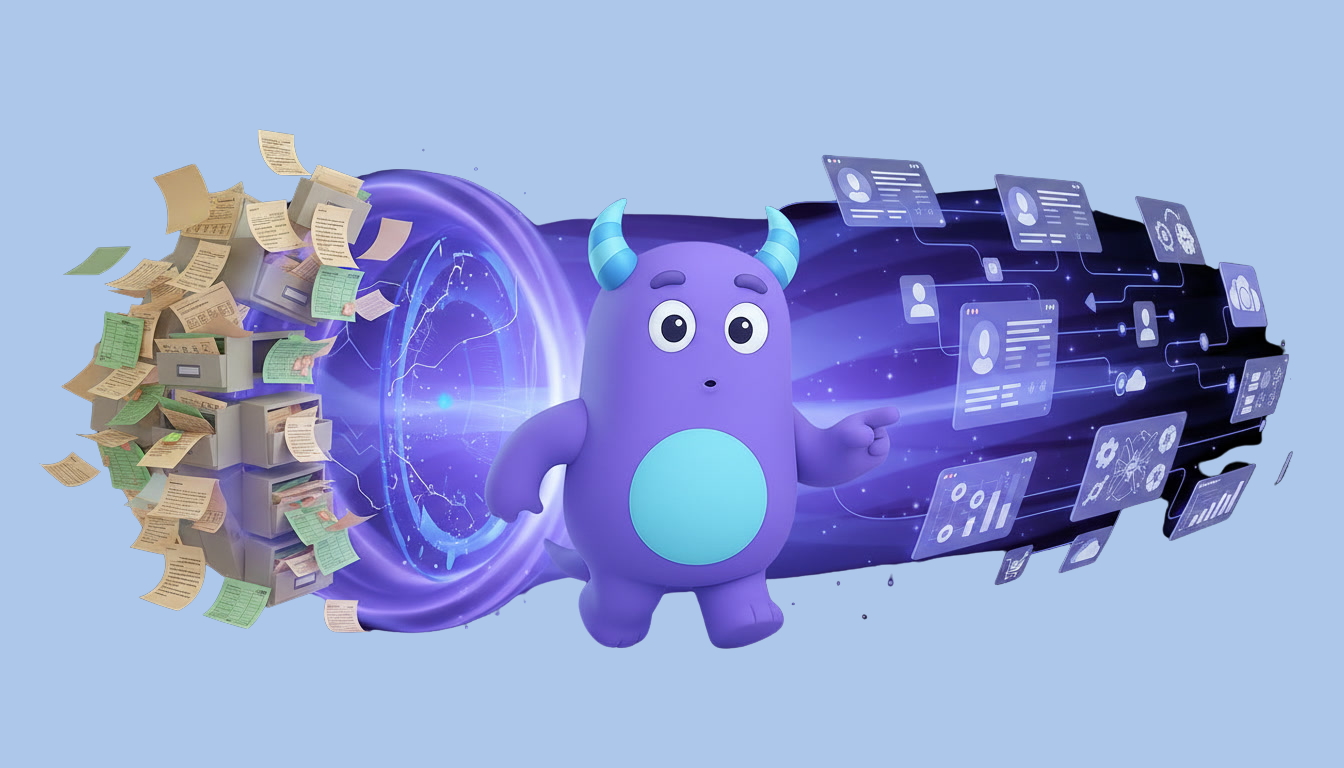
В ранните етапи логистичните екипи разчитат на електронни таблици, приложения за съобщения, имейли и телефонни разговори, за да управляват пратки, шофьори, документация и фактуриране. Това работи, когато обемите са ниски и всички знаят какво се случва. Веднага щом броят на пратките нарасне, тази неформална координация се превръща в постоянна борба с пожари.
Информацията започва да живее на много места едновременно. Един екип актуализира електронна таблица, друг потвърждава подробности по имейл, докато шофьорите получават инструкции чрез приложения за съобщения. Няма единствен източник на истина. Екипите прекарват повече време в потвърждаване на информация, отколкото в изпълнение на работа, а малките грешки бързо се превръщат в скъпи закъснения.
Проблемът не е в липсата на усилия, а в липсата на структура. Координацията изисква видимост, последователност и ясна собственост върху данните и процесите. Без тях растежът автоматично увеличава хаоса.
Разделените системи създават оперативни слепи петна
С разрастването на логистичните компании те често добавят нови софтуерни инструменти за решаване на непосредствени проблеми. Един инструмент за изпращане, друг за фактуриране, друг за съхранение на документи и още един за комуникация с клиенти. Въпреки че всеки инструмент може да работи добре сам по себе си, заедно те създават фрагментация.
Когато системите не са свързани, екипите губят видимост в цялата операция. Диспечирането не вижда статуса на фактуриране. Финансите нямат данни за пратки в реално време. Поддръжката на клиенти няма достъп до оперативни актуализации. Мениджърите се борят да получат точни отговори на прости въпроси, като например къде възникват закъснения или кои маршрути са най-рентабилни.
Тези слепи петна правят координацията реактивна, а не проактивна. Проблемите се откриват, след като клиентите се оплакват, а не се предотвратяват чрез видимост и планиране.
Растежът умножава зависимостите между екипите
В логистиката никой екип не работи изолирано. Операциите зависят от прогнозите за продажби. Финансите зависят от потвърдените доставки. Поддръжката на клиенти зависи от точния статус на пратката. Когато обемът се увеличи, броят на зависимостите нараства експоненциално.
Без ясно дефинирани работни процеси и отговорности, екипите започват да чакат един на друг. Задачите попадат между ролите. Важни стъпки се пропускат, защото всеки предполага, че някой друг се занимава с тях. Координацията се забавя не защото екипите са неспособни, а защото процесите са неясни.
Това създава вътрешно напрежение. Екипите се чувстват заети цял ден, но напредъкът е бавен. Мениджърите отговарят, като добавят повече персонал, което често увеличава сложността, вместо да реши основния проблем.
Ръчната координация не се мащабира
Много логистични компании разчитат в голяма степен на ръчна координация: телефонни разговори за потвърждаване на доставки, имейли за актуализиране на клиенти и човешки проверки за проверка на документи. Въпреки че това дава усещане за контрол в началото, то става неустойчиво в мащаб.
Ръчната координация въвежда закъснения и човешка грешка. Важни актуализации се пропускат, документите са непълни и последващите действия се забравят. Служителите прекарват времето си в проследяване на информация, вместо да управляват операциите.
В резултат на това качеството на обслужване става непоследователно. Някои пратки се обработват перфектно, докато други страдат от избежни грешки. Тази непоследователност уврежда доверието с клиенти и партньори.
Ролята на централизираните системи в мащабируемата координация
Устойчивата координация в мащаб изисква централизация. Това не означава премахване на гъвкавостта, а създаване на споделен оперативен гръбнак, където всички екипи работят с едни и същи данни, процеси и видимост.
Централизираната система позволява на логистичните компании да управляват пратки, задачи, документация, фактуриране и комуникация в една среда. Тя гарантира, че актуализациите протичат автоматично между екипите и че всички виждат една и съща оперативна реалност.
С правилната система координацията става структурирана, а не импровизирана. Екипите прекарват по-малко време в търсене на информация и повече време в изпълнение на работа. Мениджърите придобиват видимост върху тесните места и могат да вземат информирани решения въз основа на реални данни.
Заключение
Компаниите за логистични услуги не се борят с координацията, защото им липсват квалифицирани екипи. Те се борят, защото растежът разкрива границите на ръчните процеси и разединените инструменти. С разрастването на операциите координацията трябва да се развие от неформална комуникация до структурирани системи.
Компаниите, които разпознаят това рано, могат да изградят силна оперативна основа, да поддържат качеството на обслужване и да растат без хаос. Тези, които забавят справянето с предизвикателствата на координацията, често се сблъскват с нарастващи разходи, оперативен стрес и загуба на доверие на клиентите.
Успешното мащабиране на логистичните операции изисква повече от усилия. То изисква системи, предназначени да поддържат координация, видимост и контрол на всеки етап от растежа.
.jpg)

.jpg)