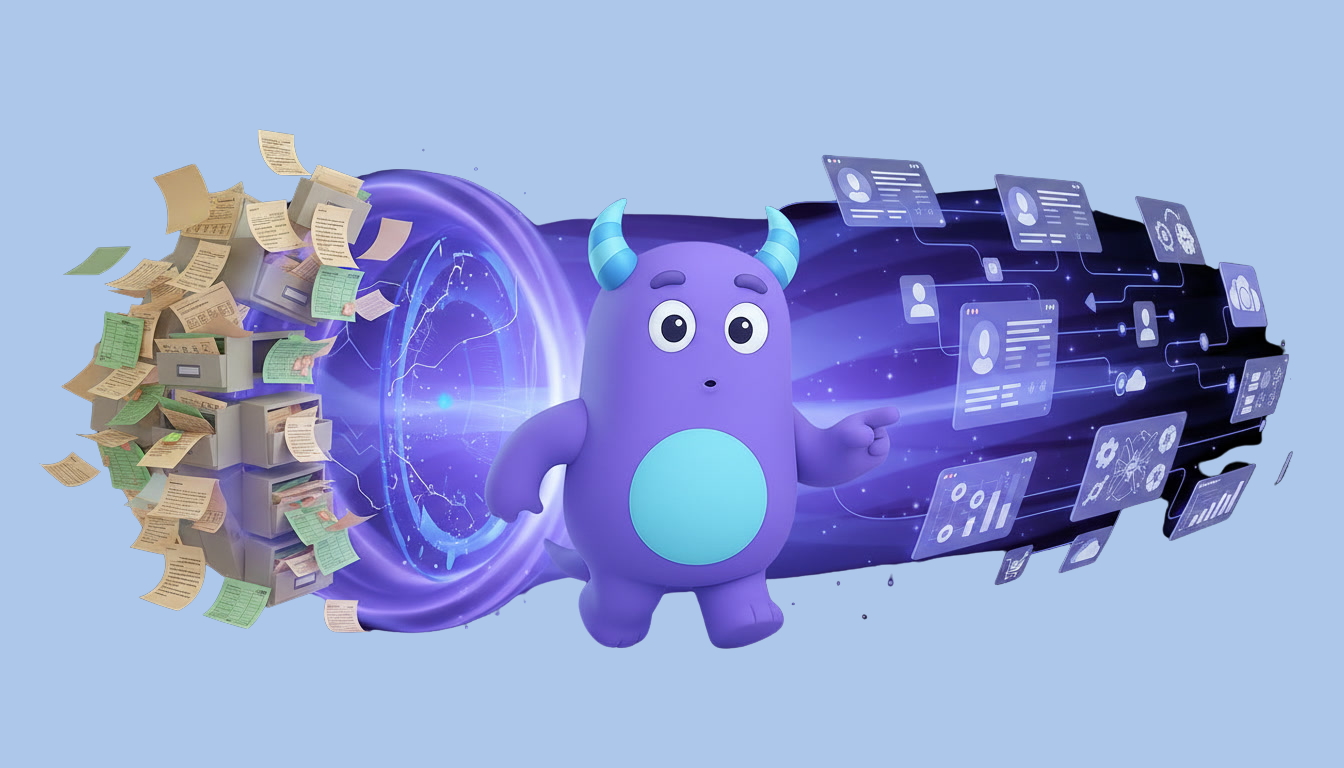

Dans l'environnement commercial concurrentiel actuel, la gestion efficace des relations avec les clients est devenue l'un des facteurs les plus importants pour le succès à long terme. Les entreprises interagissent chaque jour avec des dizaines, des centaines, voire des milliers de clients par le biais de courriels, d'appels téléphoniques, de sites Web et de plateformes de médias sociaux. Le suivi manuel de toutes ces interactions peut rapidement devenir accablant.
C'est là que le logiciel CRM devient essentiel. CRM signifie Customer Relationship Management (gestion de la relation client), et il s'agit d'un système conçu pour aider les entreprises à organiser, suivre et gérer leurs interactions avec les clients et les clients potentiels. Au lieu de stocker les données des clients dans plusieurs outils tels que des feuilles de calcul, des courriels et des applications de messagerie, un système CRM centralise tout en un seul endroit.
En utilisant un logiciel CRM, les entreprises peuvent améliorer la communication avec les clients, rationaliser les processus de vente et prendre de meilleures décisions en fonction des données réelles des clients.
Comprendre le logiciel CRM
À la base, le logiciel CRM est conçu pour aider les entreprises à établir des relations plus solides avec leurs clients. Chaque interaction avec un client - qu'il s'agisse d'un appel téléphonique, d'un courriel, d'une réunion ou d'un message - peut être enregistrée et stockée dans le système. Cela permet aux employés d'accéder rapidement aux informations sur les clients et de comprendre l'historique des interactions précédentes.
Par exemple, lorsqu'un représentant commercial ouvre un profil client dans un système CRM, il peut voir les coordonnées, les communications passées, l'historique des achats et les notes des conversations précédentes. Cela fournit un contexte précieux et aide l'équipe à répondre plus efficacement aux besoins des clients.
Les systèmes CRM sont largement utilisés par les entreprises de toutes tailles, des petites startups aux grandes entreprises. Quel que soit le secteur d'activité, toute entreprise qui interagit avec des clients peut bénéficier de la mise en œuvre d'une plateforme CRM.
Fonctions clés d'un logiciel CRM
Un logiciel CRM comprend généralement plusieurs fonctions de base qui aident les entreprises à gérer les relations avec les clients et les activités de vente.
L'une des fonctions les plus importantes est la gestion des contacts. Un système CRM stocke des informations détaillées sur chaque client, y compris son nom, ses coordonnées, les informations sur son entreprise et l'historique de ses communications. Cela permet aux équipes de conserver toutes les données des clients organisées dans un emplacement centralisé.
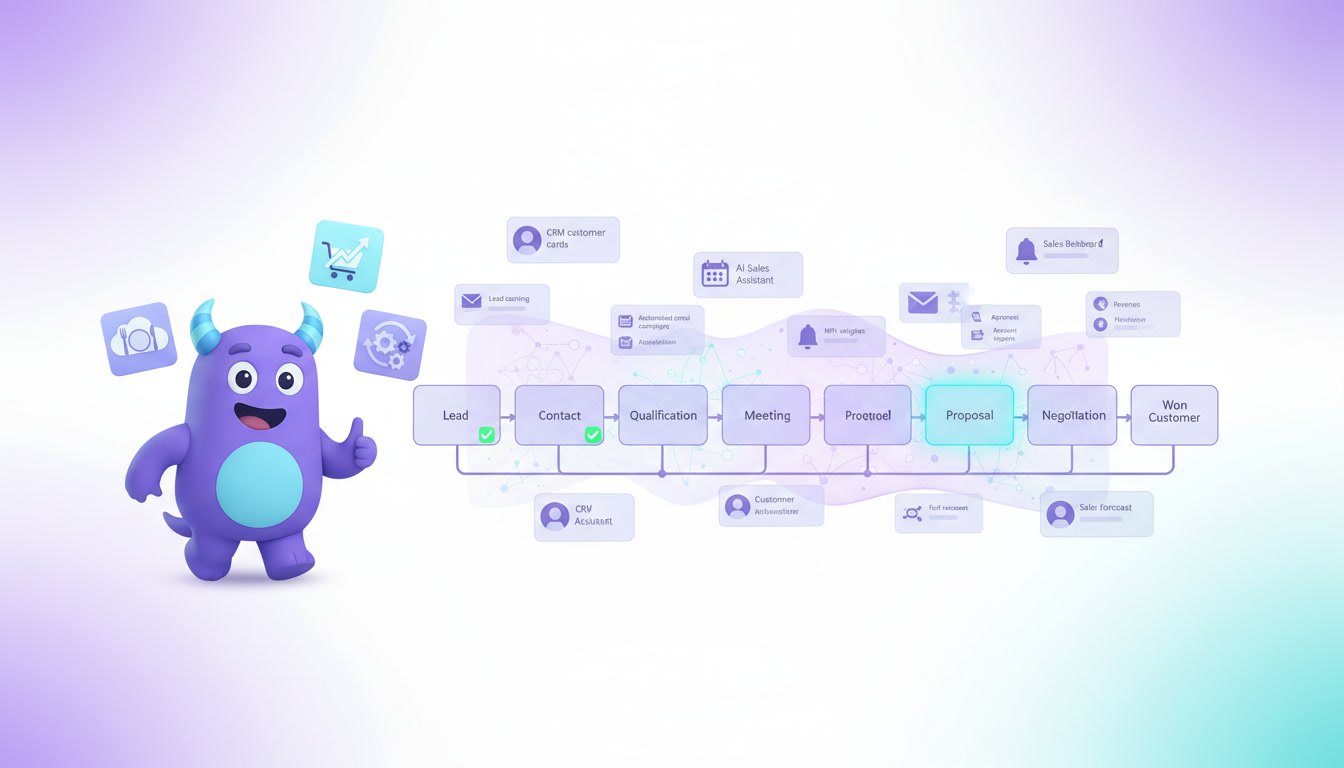
Une autre fonction importante est la gestion du pipeline des ventes. Les entreprises ont souvent de multiples opportunités de vente à différents stades, de la demande initiale à l'achat final. Un système CRM aide à suivre ces opportunités et indique exactement où en est chaque transaction dans le processus de vente.
Les plateformes CRM aident également à la gestion des tâches et aux rappels. Les employés peuvent créer des tâches de suivi, planifier des réunions et recevoir des notifications pour s'assurer qu'aucune demande de client n'est oubliée.
Avantages de l'utilisation d'un logiciel CRM
La mise en œuvre d'un logiciel CRM offre plusieurs avantages aux entreprises qui souhaitent améliorer leurs opérations et leurs relations avec les clients.
Un avantage majeur est une meilleure organisation. Au lieu de fouiller dans les courriels ou les feuilles de calcul pour trouver des informations sur les clients, les employés peuvent accéder rapidement à tout dans le système CRM. Cela permet de gagner du temps et de réduire le risque de perdre des données importantes.
Un autre avantage est l'amélioration de la communication avec les clients. Étant donné que toutes les interactions sont enregistrées, les employés peuvent rapidement comprendre le contexte des conversations précédentes et fournir des réponses plus personnalisées. Cela aide les entreprises à établir des relations plus solides avec leurs clients.
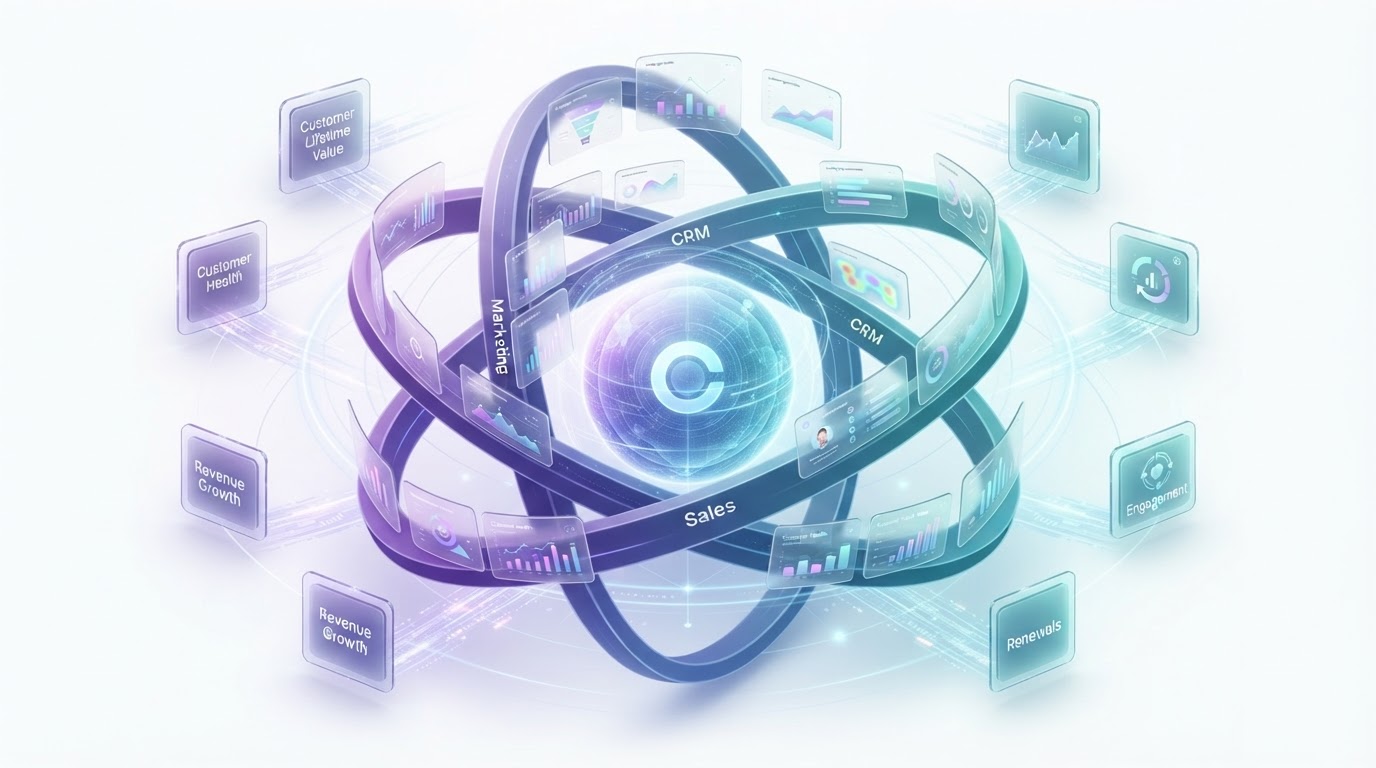
Les systèmes CRM améliorent également la collaboration au sein des équipes. Les services des ventes, du marketing et du service à la clientèle peuvent tous accéder aux mêmes informations, ce qui garantit que tout le monde travaille avec des données exactes et à jour.
De plus, les plateformes CRM fournissent des informations précieuses grâce à des rapports et des analyses. Les entreprises peuvent suivre des indicateurs tels que les taux de conversion de prospects, les performances des ventes et l'engagement des clients. Ces informations aident les gestionnaires à prendre des décisions éclairées et à améliorer les stratégies commerciales.
Comment un logiciel CRM soutient la croissance de l'entreprise
Au fur et à mesure que les entreprises se développent, la gestion des relations avec les clients devient de plus en plus complexe. De nouveaux prospects arrivent de plusieurs canaux, les volumes de communication augmentent et les équipes s'agrandissent. Sans les bons outils, il devient difficile de maintenir l'organisation et l'efficacité.
Un logiciel CRM aide les entreprises à adapter leurs opérations en automatisant de nombreux processus de routine. Par exemple, le système peut automatiquement attribuer des prospects aux membres de l'équipe, envoyer des rappels de suivi et suivre l'avancement des transactions.
L'automatisation permet aux employés de se concentrer sur des activités plus intéressantes, telles que l'établissement de relations avec les clients et la conclusion de transactions.
Le rôle de l'automatisation et de l'IA dans les systèmes CRM modernes
Les plateformes CRM modernes sont de plus en plus avancées grâce à l'intégration de technologies d'automatisation et d'intelligence artificielle. Ces outils aident les entreprises à analyser de grandes quantités de données sur les clients et à identifier des informations précieuses.
Par exemple, les systèmes CRM basés sur l'IA peuvent analyser les interactions passées et prédire quels prospects sont les plus susceptibles de se convertir en clients. Cela aide les équipes de vente à prioriser leurs efforts et à se concentrer sur les opportunités les plus prometteuses.
Les fonctions d'automatisation peuvent également rationaliser les tâches répétitives telles que l'envoi de courriels de suivi, la mise à jour des étapes de la transaction et la planification des rappels. Cela réduit considérablement le travail administratif et améliore la productivité globale.
Choisir le bon logiciel CRM
Le choix de la bonne plateforme CRM dépend des besoins spécifiques de l'entreprise. Certaines entreprises ont besoin de fonctions d'automatisation avancées, tandis que d'autres privilégient la facilité d'utilisation et la simplicité.
Lors de l'évaluation des solutions CRM, les entreprises doivent tenir compte de facteurs tels que l'évolutivité, les capacités d'intégration, les options de personnalisation et l'expérience utilisateur.
Les plateformes modernes comme Lua CRM visent à fournir des solutions flexibles qui s'adaptent aux différents flux de travail des entreprises. En combinant la gestion de la clientèle, les outils d'automatisation et l'analyse, les entreprises peuvent gérer leurs opérations plus efficacement.
Conclusion
Les relations avec les clients sont l'un des atouts les plus précieux pour toute entreprise. La gestion efficace de ces relations nécessite de l'organisation, de la communication et la capacité de suivre les interactions sur plusieurs canaux.
Un logiciel CRM fournit les outils nécessaires pour centraliser les données des clients, rationaliser les processus de vente et améliorer la collaboration entre les équipes. En mettant en œuvre le bon système CRM, les entreprises peuvent établir des relations plus solides avec leurs clients, améliorer leur efficacité et soutenir leur croissance à long terme.
.jpg)
.jpg)