
Elegir el mejor CRM para una pequeña empresa es una de las decisiones más importantes que una empresa puede tomar cuando quiere crecer de manera eficiente. A medida que las operaciones se expanden, la gestión manual de los clientes se vuelve cada vez más difícil, lo que lleva a la pérdida de oportunidades, una mala comunicación y la pérdida de ingresos.
Un CRM para pequeñas empresas no es solo una herramienta, es un sistema que organiza cómo funciona su empresa. Centraliza los datos de los clientes, estructura los flujos de trabajo y garantiza que cada cliente potencial e interacción se gestionen correctamente.
Sin embargo, no todos los sistemas CRM son iguales. Algunos están diseñados para grandes empresas, otros se centran solo en las ventas y muchos requieren múltiples herramientas adicionales para funcionar de manera eficaz. Esta es la razón por la que elegir el software CRM adecuado para una pequeña empresa es fundamental.
Por qué el CRM para pequeñas empresas es esencial
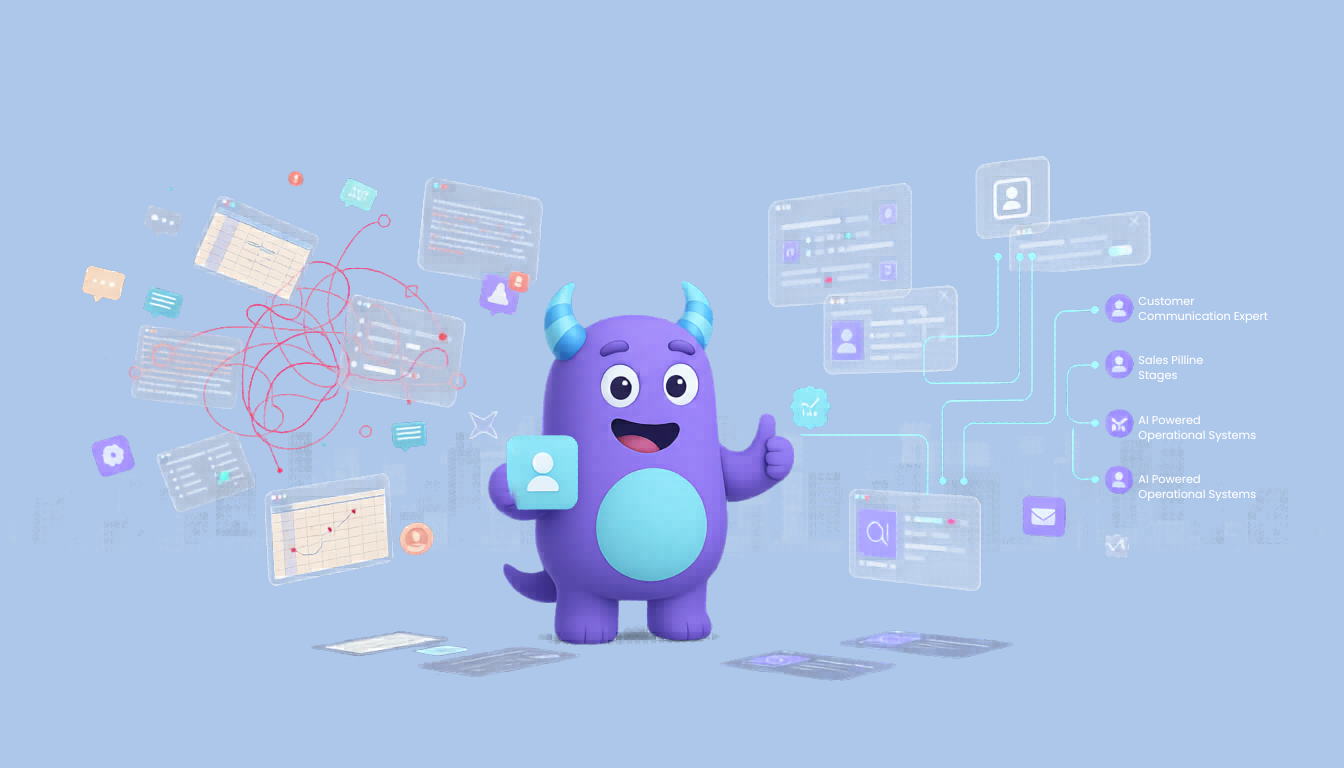
Muchas pequeñas empresas comienzan sin un CRM, confiando en hojas de cálculo, aplicaciones de mensajería o seguimiento manual. Si bien esto puede funcionar en las primeras etapas, rápidamente se vuelve ineficiente a medida que el negocio crece.
Sin un sistema CRM:
- Los datos de los clientes están dispersos
- No se realiza un seguimiento constante de los clientes potenciales
- Las tareas se olvidan
- Los procesos de venta no están claros
Un CRM para pequeñas empresas resuelve estos problemas mediante la creación de un sistema estructurado y predecible. Garantiza que se realice un seguimiento de cada cliente potencial, que se registre cada interacción y que se siga cada proceso.
Este nivel de organización permite a las pequeñas empresas operar de manera más profesional y competir con empresas más grandes.
Comparación del mejor CRM para pequeñas empresas
Hay muchos sistemas CRM disponibles, pero cada uno tiene un enfoque diferente. Comprender sus fortalezas y limitaciones es clave para tomar la decisión correcta.
Lua CRM
Lua CRM es una plataforma todo en uno diseñada específicamente para empresas que desean gestionar todo en un solo lugar. A diferencia de las herramientas CRM tradicionales, combina la gestión de clientes, la automatización del flujo de trabajo, la gestión de tareas y el análisis en un solo sistema.
La principal ventaja de Lua CRM es la simplicidad combinada con la flexibilidad. Las empresas pueden crear flujos de trabajo personalizados, automatizar procesos y gestionar operaciones sin necesidad de múltiples herramientas.
- Ventajas: Sistema todo en uno, automatización sólida, flujos de trabajo flexibles
- Ideal para: Empresas de servicios, agencias, equipos en crecimiento
HubSpot CRM
HubSpot CRM es ampliamente conocido por su plan gratuito y su interfaz fácil de usar. Es un buen punto de partida para las pequeñas empresas que son nuevas en los sistemas CRM.
- Ventajas: Fácil de usar, versión gratuita disponible
- Limitaciones: Escalado costoso, flexibilidad limitada
Zoho CRM
Zoho CRM ofrece un equilibrio entre funcionalidad y precio. Incluye funciones de automatización e informes adecuadas para pequeñas y medianas empresas.
- Ventajas: Asequible, rico en funciones
- Limitaciones: Requiere configuración, menos intuitivo
Pipedrive
Pipedrive se centra principalmente en la gestión del pipeline de ventas. Es simple y eficaz para el seguimiento de acuerdos.
- Ventajas: Seguimiento simple del pipeline
- Limitaciones: Limitado más allá de las ventas
Freshsales
Freshsales incluye herramientas de comunicación como correo electrónico y llamadas, junto con la funcionalidad CRM.
- Ventajas: Herramientas de comunicación integradas
- Limitaciones: Flexibilidad limitada del flujo de trabajo
Por qué Lua CRM destaca
Si bien muchos sistemas CRM se centran solo en un aspecto del negocio, Lua CRM adopta un enfoque diferente al combinar múltiples funciones en una sola plataforma.
En lugar de utilizar herramientas separadas para CRM, gestión de tareas y automatización, las empresas pueden gestionar todo en un solo lugar.
Esto reduce la complejidad, mejora la eficiencia y facilita la ampliación de las operaciones.
Para las pequeñas empresas, esta es una gran ventaja. Elimina la necesidad de gestionar múltiples sistemas y permite a los equipos centrarse en el crecimiento en lugar de la coordinación.
Además, Lua CRM proporciona sólidas capacidades de automatización. Las empresas pueden crear flujos de trabajo que gestionen las tareas repetitivas automáticamente, lo que garantiza la coherencia y ahorra tiempo.
Cómo el CRM para pequeñas empresas impulsa el crecimiento de los ingresos
Un sistema CRM impacta directamente en los ingresos al mejorar la forma en que se gestionan los clientes potenciales y los clientes.
Cuando se realiza un seguimiento de cada cliente potencial y se completa cada seguimiento, las tasas de conversión aumentan. Cuando los procesos están estructurados, las ventas se vuelven más predecibles.
El software CRM para pequeñas empresas también mejora la experiencia del cliente. Las respuestas más rápidas y una mejor comunicación conducen a una mayor satisfacción y a la repetición de negocios.
Con el tiempo, estas mejoras crean un aumento significativo en los ingresos.
Reflexiones finales
Elegir el mejor CRM para una pequeña empresa no se trata solo de características, se trata de encontrar un sistema que respalde su crecimiento.
Si bien herramientas como HubSpot, Zoho y Pipedrive ofrecen ventajas específicas, plataformas como Lua CRM proporcionan una solución más completa al combinar múltiples funciones en un solo sistema.
Para las pequeñas empresas que desean escalar de manera eficiente, reducir la complejidad y mejorar el rendimiento, un CRM todo en uno suele ser la mejor opción.
La clave es elegir un sistema que se adapte a su flujo de trabajo y le ayude a construir un negocio estructurado y escalable.
Si desea comprender cómo se conecta el CRM con la automatización, lea nuestra Guía de automatización empresarial.