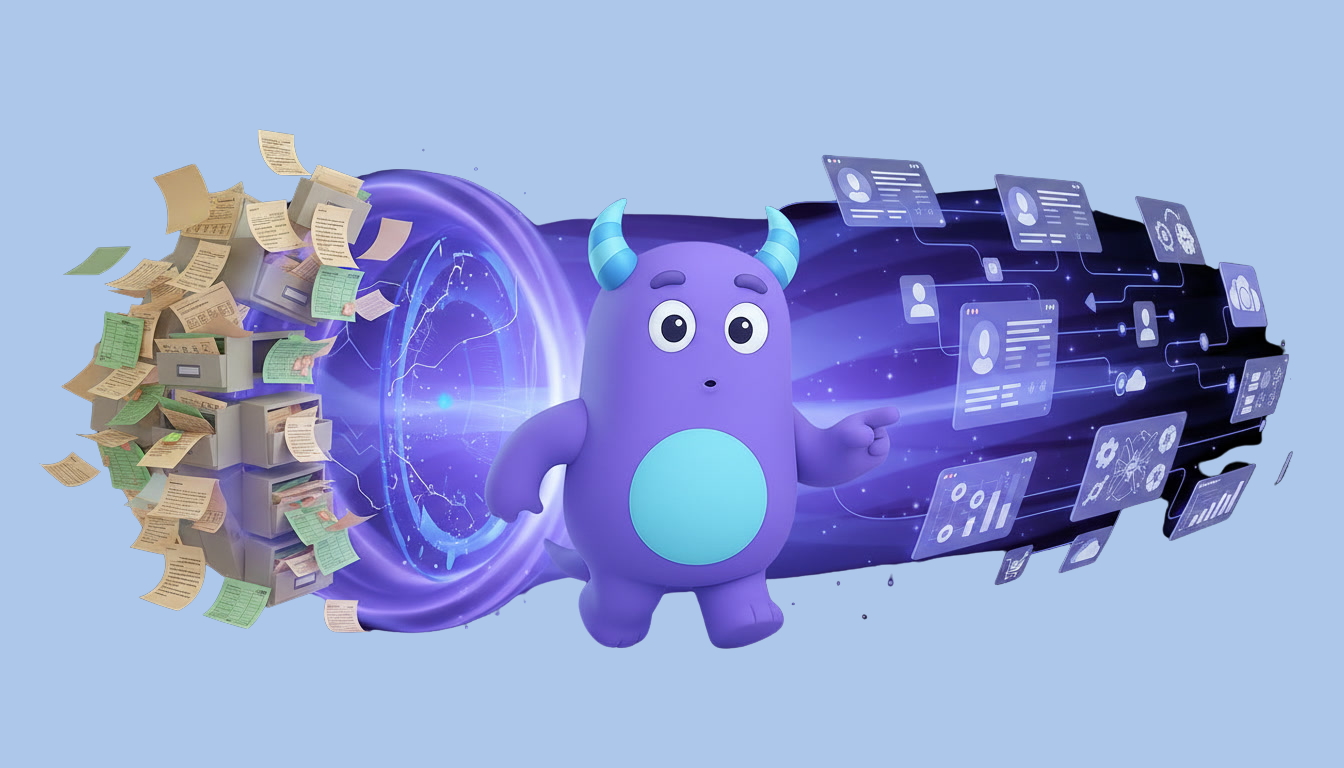

Servicevirksomheder opererer i meget dynamiske miljøer. Kundeforespørgsler ankommer konstant, teams administrerer overlappende projekter, tidsplaner ændres dagligt, fakturaer skal genereres til tiden, og ledere har brug for realtidsindsigt i resultaterne. I de tidlige vækststadier koordineres disse aktiviteter ofte manuelt via e-mails, regneark, beskedværktøjer og ad hoc-møder.
Men efterhånden som volumen stiger, bliver denne tilgang skrøbelig. Medarbejderne bruger timer på at jagte information, godkendelser forsinker leveringen, og ledere mister tilliden til prognoser og rapporter. Det, der engang føltes fleksibelt, begynder at føles kaotisk.
Workflow-automatisering erstatter disse skrøbelige manuelle overdragelser med strukturerede, systemdrevne processer. I stedet for at stole på hukommelse eller individuel disciplin, indlejrer virksomheder logik i deres platforme, så arbejdet skrider automatisk frem. Nedenfor er tolv automatiseringsidéer, som moderne serviceorganisationer bruger til at beskytte marginer, øge produktiviteten og skalere med tillid.
1. Lead-indsamling og -routing
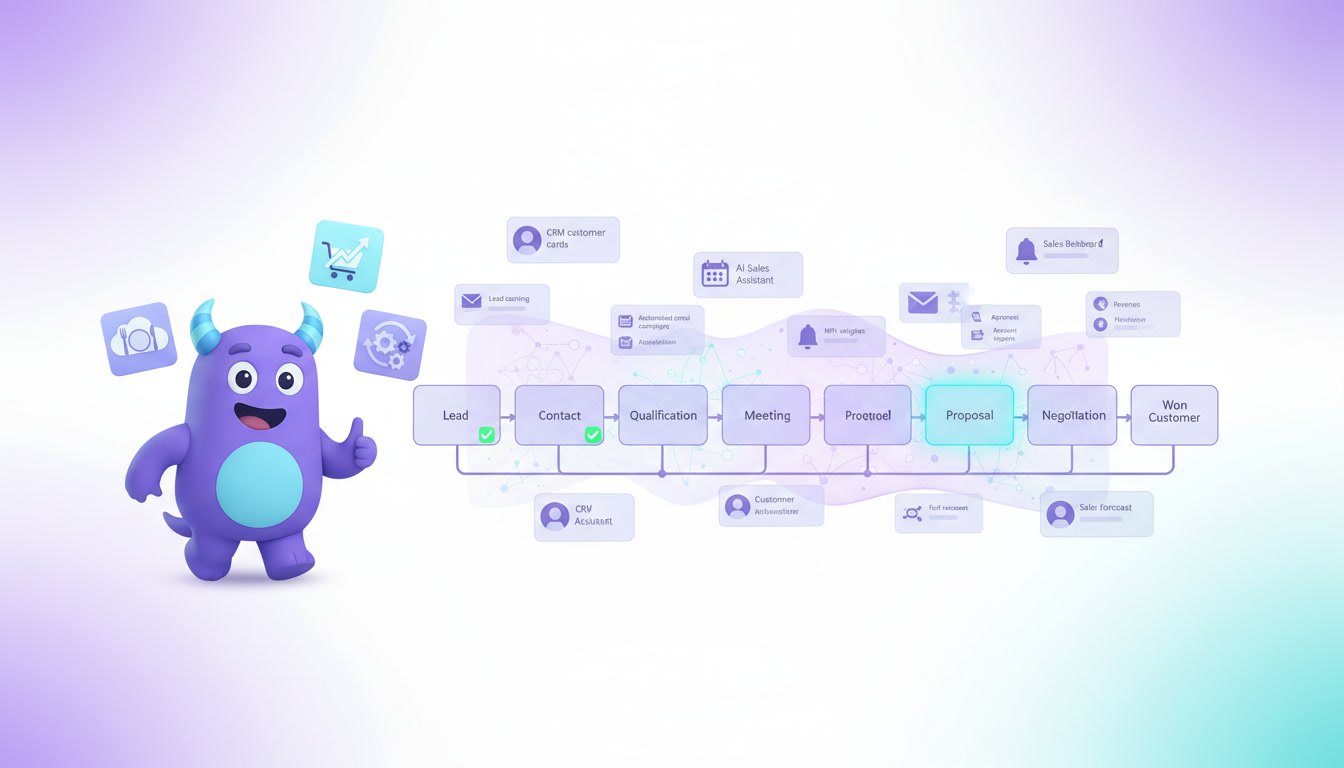
Automatisering kan indsamle forespørgsler fra websteder, landingssider, annoncer, e-mails og chat-widgets og øjeblikkeligt oprette poster i systemet. Leads dirigeres derefter til den korrekte sælger eller team baseret på geografi, servicetype, arbejdsbyrde eller kundesegment.
Dette forhindrer, at forespørgsler bliver glemt, og forkorter svartiden, hvilket direkte forbedrer konverteringsraterne. Ledere får også gennemsigtighed i pipeline-flow uden manuel dataindtastning.
2. Planlægning af opfølgning
Når forslag er sendt eller møder er afsluttet, kan systemer automatisk oprette opfølgningsopgaver, påmindelser og deadlines. E-mails kan planlægges på forhånd, og meddelelser vises for det ansvarlige teammedlem.
Dette fjerner afhængigheden af hukommelse og sikrer, at potentielle kunder kontaktes konsekvent, selv når teams har travlt, eller der sker udskiftning.
3. Generering af forslag og kontrakter
Når en mulighed når et bestemt stadium, kan automatisering generere forslag eller kontrakter fra skabeloner og hente klientoplysninger, priser og omfang direkte fra poster.
Dette reducerer forberedelsestiden, standardiserer dokumenter og sænker risikoen for fejl eller manglende klausuler.
4. Oprettelse af projektopstart
At vinde en aftale kan automatisk udløse oprettelse af et projekt, udfylde foruddefinerede opgavelister, tildele standardroller og planlægge milepæle. Leveringen begynder straks uden at vente på manuel koordinering mellem salg og drift.
Denne overdragelse er et af de mest almindelige nedbrudspunkter i voksende servicevirksomheder. Automatisering sikrer kontinuitet.
5. Opgavetildeling baseret på rolle
Regler kan distribuere opgaver til ingeniører, konsulenter, designere eller teknikere baseret på færdigheder, certificeringer, tilgængelighed eller arbejdsbyrde.
Balanceret distribution forhindrer udbrændthed, reducerer tomgangskapacitet og hjælper med at opretholde forudsigelige leveringstidslinjer.
6. Godkendelsesworkflows
Rabatter, indkøbsanmodninger, budgetændringer og omfangsjusteringer kan følge automatiserede godkendelseskæder. Ledere modtager meddelelser, beslutninger logges, og eskalering sker, hvis deadlines overskrides.
Dette fjerner e-mail-flaskehalse og sikrer finansiel og operationel disciplin, efterhånden som virksomheden vokser.
7. Tidsregistrering og omkostningsallokering
Medarbejdertimer, der er logget mod projekter, kan automatisk opdatere budgetter, udnyttelsesmetrics og rentabilitetsdashboards. Materialeforbrug og underleverandøromkostninger kan tilføjes i realtid.
I stedet for at vente til månedens udgang med at opdage marginproblemer, kan ledere gribe ind, mens projekterne stadig er aktive.
8. Fakturaoprettelse og betalingspåmindelser
Når milepæle er fuldført eller timer er godkendt, kan fakturaer genereres automatisk og sendes til kunder. Betalingspåmindelser følger foruddefinerede tidsplaner for at reducere sene betalinger.
Dette beskytter pengestrømmen og reducerer den administrative byrde, der pålægges økonomiteams.
9. Kundestatusopdateringer
Klienter kan modtage automatiske statusmeddelelser, aftalebekræftelser, leveringsadvarsler og feedbackanmodninger.
Gennemsigtig kommunikation forbedrer tilliden, reducerer indgående supportspørgsmål og skaber en mere professionel serviceoplevelse.
10. Undtagelsesadvarsler
Automatisering kan overvåge deadlines, budgetter, arbejdsbyrdespigge eller fastlåste godkendelser og underrette ledere, før problemer eskalerer.
Disse tidlige advarsler hjælper organisationer med at korrigere kursen i stedet for at reagere, efter at skaden er sket.
11. Performance-rapportering
Dashboards opdateres løbende med KPI'er såsom omsætning, pipeline-værdi, udnyttelsesrater, projekthastighed og faktureringsstatus.
Ledelsen venter ikke længere på månedlige regneark. Beslutninger træffes ved hjælp af livedata.
12. Introduktion af nye medarbejdere
Ansættelse udløser onboarding-workflows, der tildeler træningsopgaver, klargør systemadgang, planlægger møder og sporer fremskridt.
Dette forkorter opstartstiden og sikrer ensartede standarder på tværs af teams og lokationer.
Konklusion
Workflow-automatisering handler ikke om at erstatte mennesker. Det handler om at fjerne friktion, der forhindrer dygtige teams i at gøre deres bedste arbejde. Ved at systematisere gentagne handlinger skaber servicevirksomheder konsistens, hastighed og finansiel kontrol.
Organisationer, der investerer i automatisering tidligt, undgår det kaos, der ofte følger med vækst. Processer skaleres problemfrit. Rapportering bliver pålidelig. Medarbejderne fokuserer på at levere værdi i stedet for at koordinere systemer.
På konkurrenceprægede servicemarkeder er veldesignede workflows ikke længere en luksus. De er fundamentet, der giver virksomheder mulighed for at vokse bæredygtigt, beskytte marginer og betjene kunder på et højt niveau år efter år.
.jpg)
.jpg)