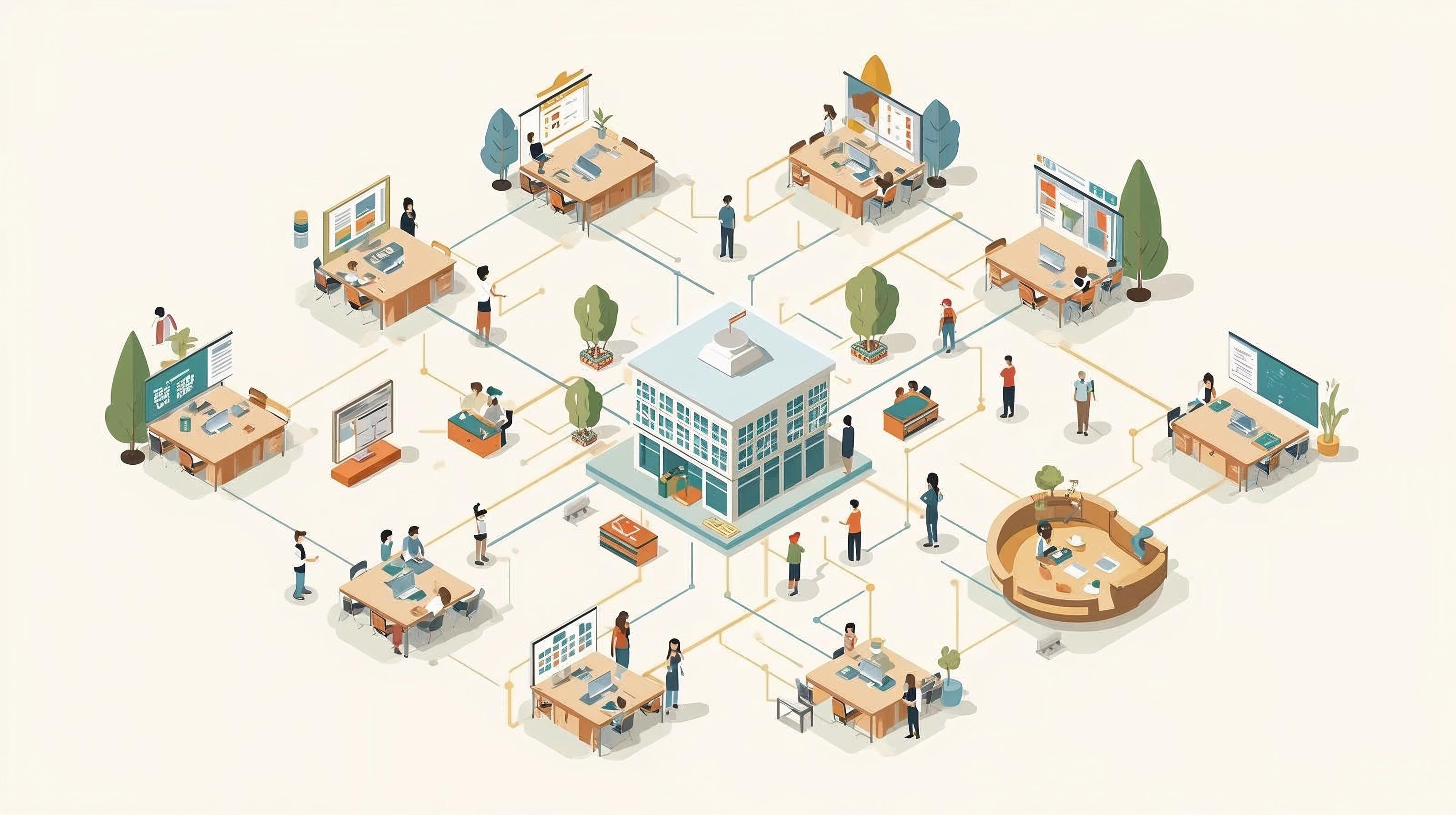
Training and education centers are designed around structure, schedules, and coordination. Courses, instructors, students, learning materials, and administration must work together smoothly. When an education business is small, this coordination is often handled manually and informally. Teams rely on experience, direct communication, and simple tools to keep daily operations running.
As a training or education center expands, these informal methods begin to break down. Growth introduces more students, more programs, more instructors, and more operational steps. What once felt flexible starts to feel slow, confusing, and difficult to manage. Progress continues, but efficiency declines.
The slowdown rarely happens overnight. It develops gradually as systems remain unchanged while complexity increases.
Operational Complexity Grows Faster Than Structure
Each new course or training group multiplies operational requirements. Enrollment tracking, scheduling, instructor availability, classroom allocation, communication, and payments all need to stay aligned. When these activities are managed through spreadsheets, emails, and messaging apps, coordination becomes fragile.
Small changes create large disruptions. A schedule adjustment may not reach all instructors. Updated materials may not be distributed on time. Students receive inconsistent information. Staff spend increasing amounts of time correcting issues instead of focusing on improving education quality.
The root problem is not growth itself, but the lack of a system designed to support that growth.
Manual Scheduling Becomes a Bottleneck
Scheduling is one of the most demanding operational tasks in education. Coordinating instructors, classrooms, time slots, and student groups requires precision. When scheduling is handled manually, even minor changes require multiple follow-ups and confirmations.
As volume increases, administrators become overwhelmed by constant adjustments. Instructors feel disconnected from updates. Students lose confidence when schedules change without clear communication. Over time, scheduling inefficiencies slow the entire organization.
Manual scheduling does not scale with expansion.
Fragmented Tools Reduce Visibility
Many training centers rely on multiple disconnected tools to manage operations. One system may handle student records, another payments, another internal communication, and another learning content. While each tool solves a specific task, none provide a complete operational picture.
Leaders struggle to understand performance in real time. Questions such as which programs perform best, where dropouts occur, or which instructors are overloaded require manual analysis. Decisions are delayed or based on incomplete information.
Without visibility, expansion becomes risky rather than strategic.
Administrative Load Pulls Focus Away From Education
As operations become more complex, administrative work increases. Staff spend more time updating records, sending reminders, reconciling information, and resolving coordination issues. This reduces the time available for improving course quality and supporting students.
Instructors may feel unsupported, administrators feel stretched, and students notice inconsistencies in their experience. The organization continues to grow, but the learning environment suffers.
Operational inefficiency directly affects educational outcomes.
Centralized Systems Enable Sustainable Expansion
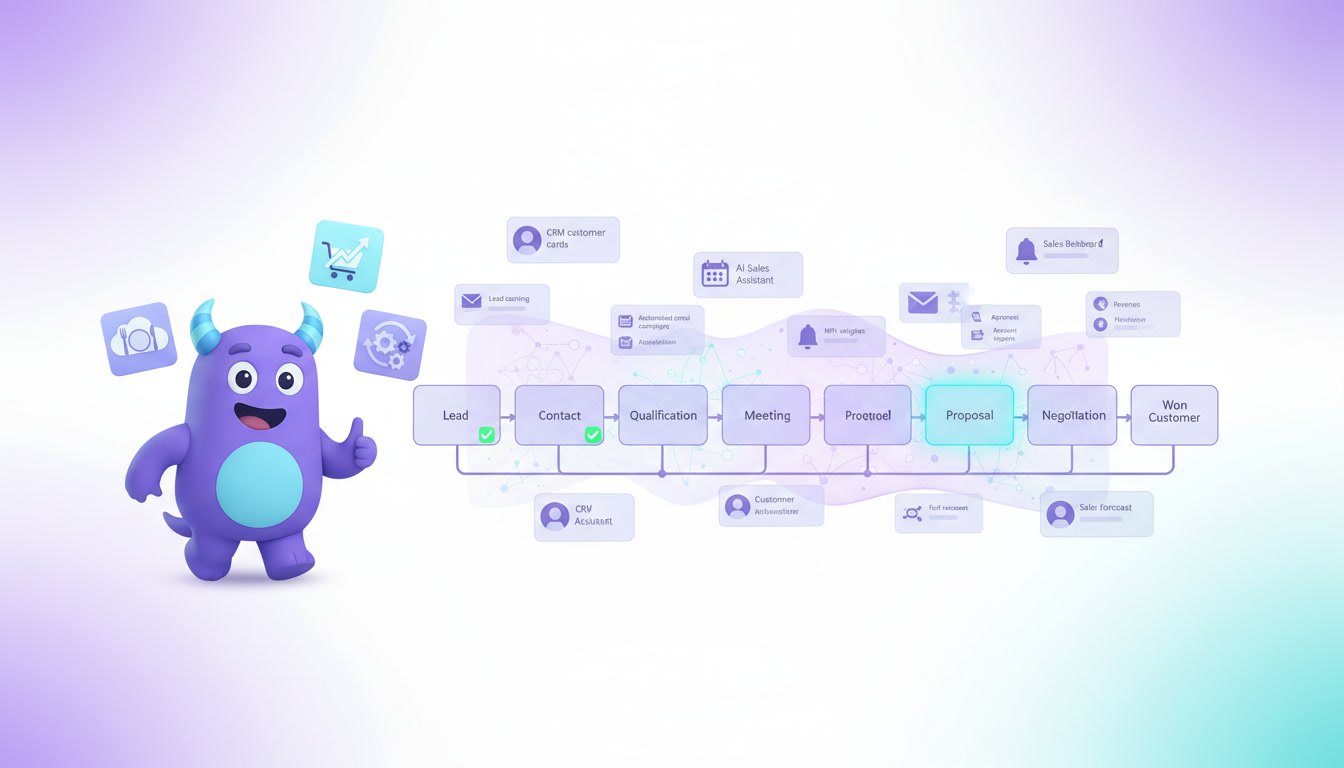
To expand without slowing down, training and education centers need centralized operational systems. Student management, scheduling, instructor coordination, payments, and communication must work within a single connected environment.
A structured system ensures that information flows consistently, tasks are clearly assigned, and updates are visible in real time. This reduces manual coordination and allows teams to focus on delivering high-quality education.
With the right operational foundation, growth becomes manageable instead of stressful.
Conclusion
Training and education centers slow down as they expand because manual processes and fragmented tools cannot support increasing complexity. Growth exposes weaknesses in coordination, visibility, and operational structure.
Organizations that invest in centralized systems early can expand programs, enroll more students, and maintain quality without overwhelming their teams. Those that delay systemization often experience slower growth, declining satisfaction, and rising operational stress.
Sustainable expansion in education depends not only on demand, but on the ability to manage operations with clarity, structure, and control.
.jpg)

.jpg)