Dental clinics today operate far beyond simple appointment scheduling. Modern practices manage patient records, treatment plans, billing cycles, insurance claims, staff coordination, equipment usage, and regulatory compliance — all simultaneously. As patient volume grows, administrative complexity increases faster than many clinic owners expect.
While spreadsheets and disconnected tools may function during early stages, they quickly become fragile as operations scale. Missed billing entries, inconsistent follow-ups, delayed insurance processing, and scheduling conflicts can silently impact profitability and patient satisfaction.
This is where an ERP system becomes relevant — not as a “corporate tool,” but as an operational backbone designed to integrate and streamline every core process inside a dental clinic.
Why Dental Clinics Experience Operational Complexity
Unlike many service businesses, dental clinics must coordinate clinical care and financial workflows simultaneously. A single patient interaction may involve appointment booking, treatment planning, material usage, invoicing, insurance claims, and post-treatment follow-ups.
When these processes are managed through separate systems, the risk of fragmentation increases. Staff members must manually transfer data between tools. Financial reporting becomes reactive rather than real-time. Administrative workload grows alongside patient growth.
Key Problems ERP Solves for Dental Clinics
1. Fragmented Patient & Billing Records
When patient data lives in one system and billing information in another, reconciliation becomes time-consuming. ERP systems centralize patient records, treatment details, invoicing, and payment history in a unified structure.
This ensures that every treatment is directly connected to financial documentation and reduces revenue leakage.
2. Insurance Claim Management
Insurance processing often introduces delays and administrative strain. ERP integration can automate claim tracking, link treatments to reimbursement workflows, and provide visibility into outstanding payments.
This improves cash flow predictability and reduces manual follow-ups.
3. Appointment & Resource Scheduling
Dental clinics must coordinate dentists, hygienists, treatment rooms, and equipment. ERP systems align scheduling with operational capacity, preventing overbooking and underutilization.
Real-time availability tracking improves patient experience and staff efficiency.
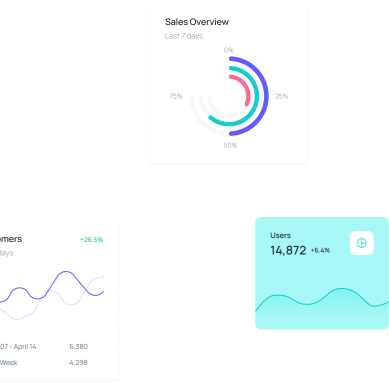
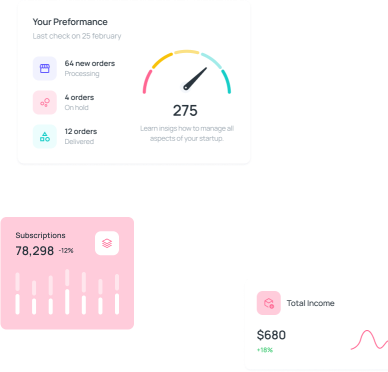
4. Financial Visibility & Profitability Tracking
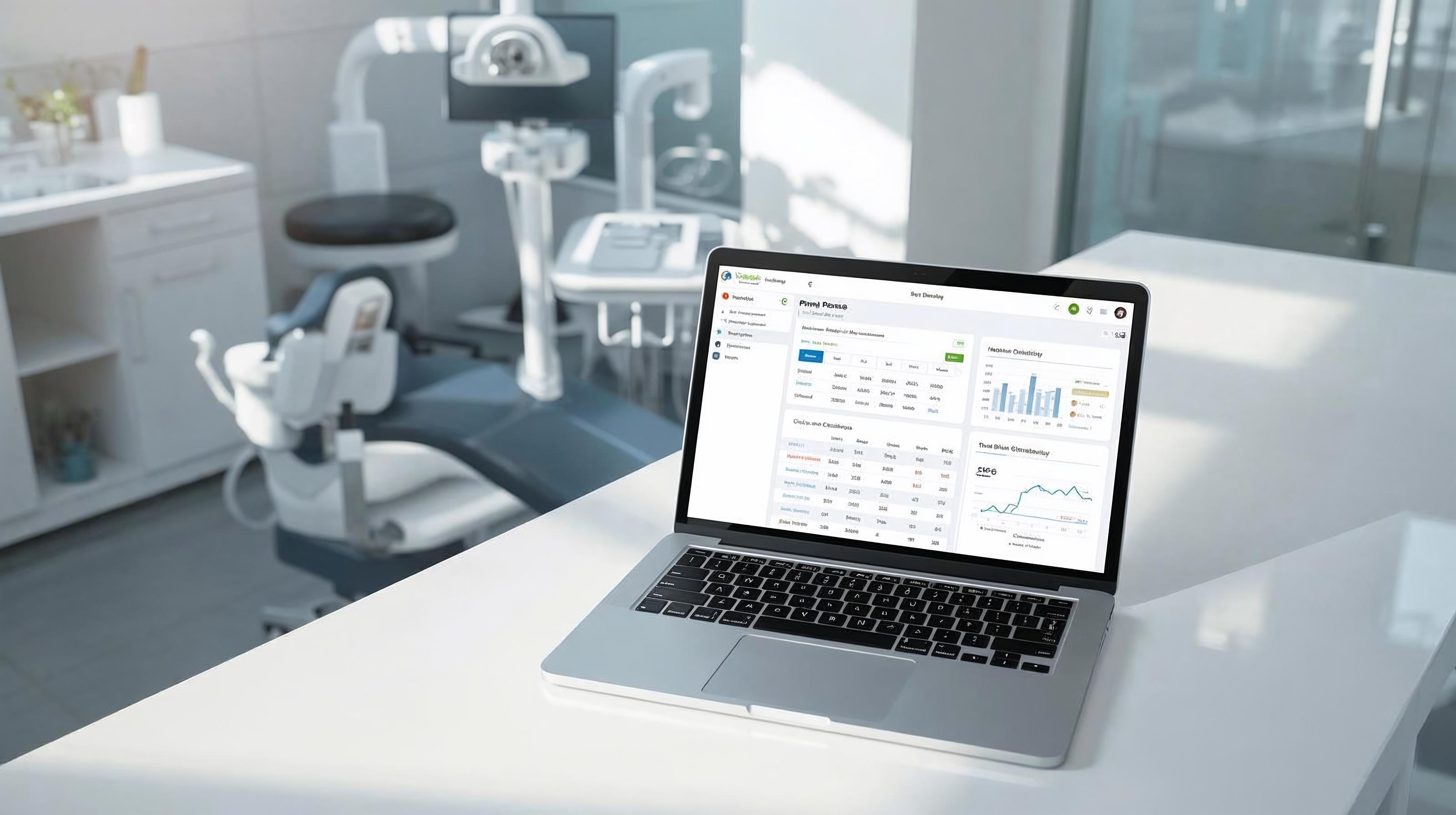
Growing clinics often track revenue but lack clarity on profitability per treatment type. ERP systems connect operational data with financial dashboards, allowing clinic owners to analyze:
- Revenue by service category
- Cost of materials per procedure
- Insurance reimbursement timelines
- Monthly cash flow forecasts
This level of visibility supports strategic pricing and resource allocation decisions.
5. Compliance & Documentation
Dental clinics operate within strict regulatory frameworks. Centralized documentation management reduces compliance risks by maintaining structured patient records and financial audit trails.
ERP vs Basic Practice Management Software
Many dental clinics rely on basic practice management tools that focus primarily on scheduling and patient records. While helpful, these systems often lack integrated financial analytics, workflow automation, and advanced reporting capabilities.
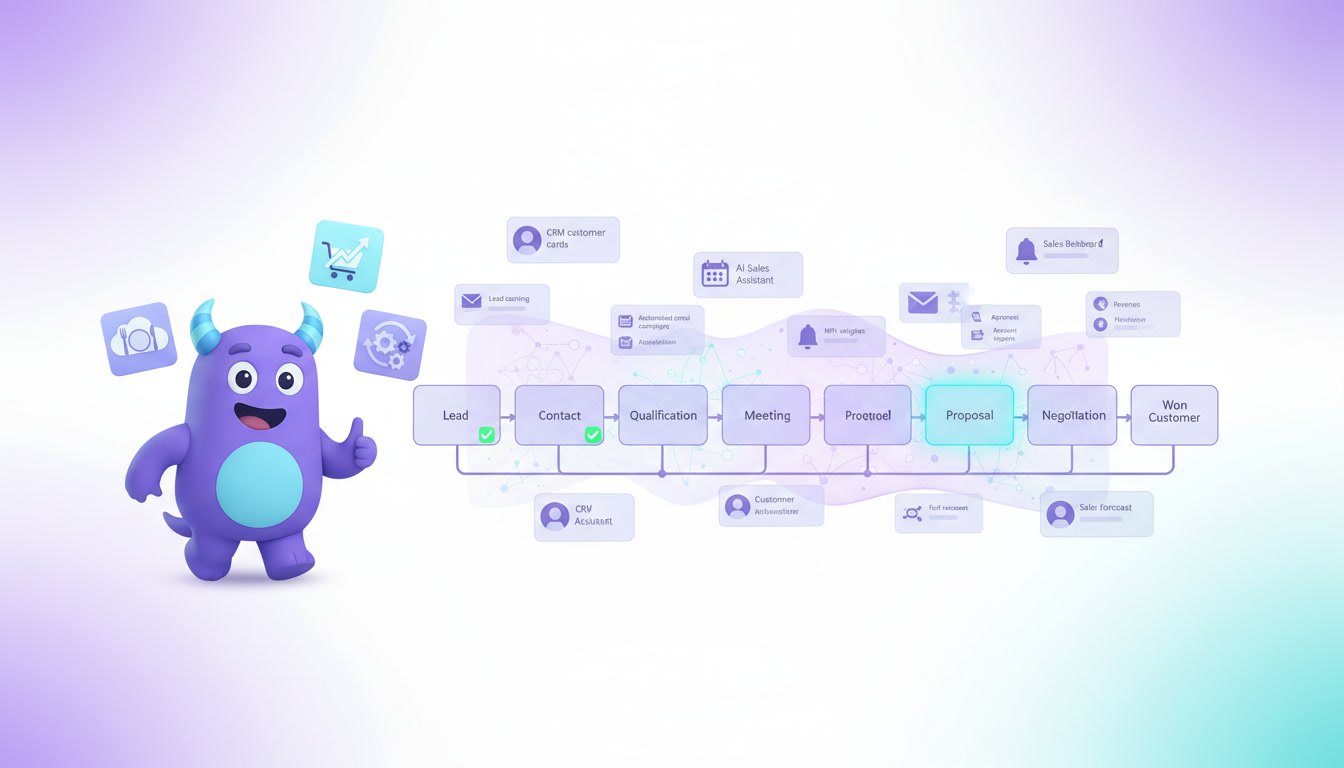
ERP systems extend beyond appointment management. They integrate finance, operations, reporting, and automation into one environment — reducing dependency on external accounting tools and manual reconciliation.
When Should a Dental Clinic Consider ERP?
ERP adoption becomes relevant when:
- Patient volume increases significantly
- Billing reconciliation becomes time-consuming
- Insurance tracking creates administrative bottlenecks
- Profitability per service is unclear
- Multiple staff roles require structured coordination
At this stage, operational strain signals structural limitations rather than temporary inefficiencies.
Long-Term Benefits of ERP for Dental Clinics
An integrated ERP system provides long-term stability through:
- Reduced administrative workload
- Improved billing accuracy
- Stronger financial forecasting
- Higher patient satisfaction due to smoother coordination
- Data-driven strategic planning
Instead of reacting to operational problems, clinic owners gain proactive control over growth.
Conclusion
ERP systems for dental clinics are not about enterprise scale. They are about operational clarity. As complexity grows, structured integration becomes the foundation for sustainable expansion.
For clinics aiming to scale without administrative chaos, ERP provides the infrastructure needed to balance patient care excellence with financial precision.
.jpg)

.jpg)