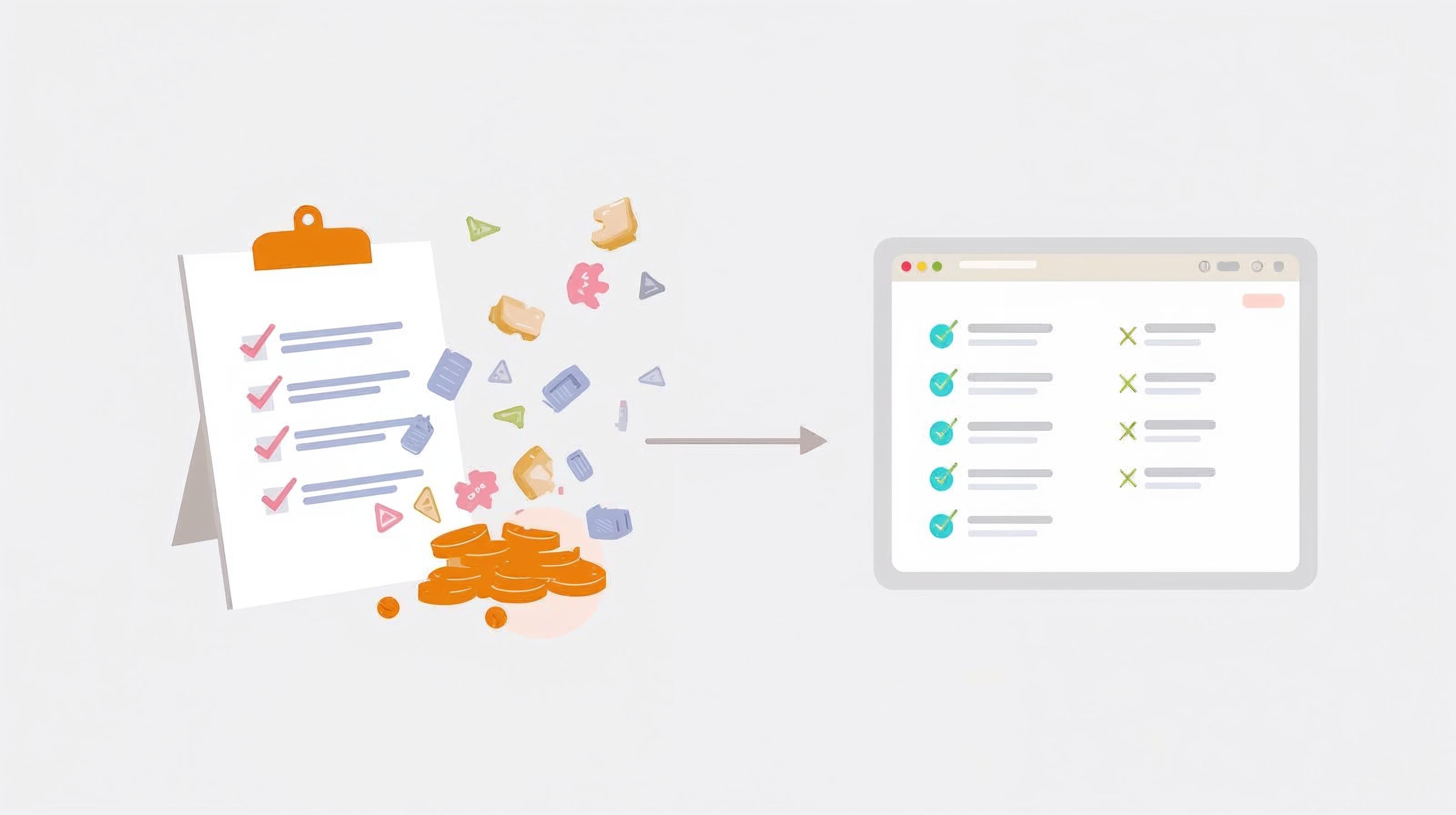
Пропущені завдання — одна з найпоширеніших і найшкідливіших проблем у сервісних компаніях. Забувається подальший контакт, пропускається внутрішній етап або запит клієнта обробляється занадто пізно. Самі по собі ці проблеми можуть здаватися незначними. Однак з часом вони призводять до затримок, розчарувань, втрати доходу та помітного зниження якості обслуговування.
Більшість команд вважає, що пропущені завдання є наслідком неуважності, розсіяності або перевантаженості співробітників. Насправді проблема рідко полягає в індивідуальній продуктивності. Завдання губляться, тому що спосіб організації роботи не підтримує надійного виконання. Коли управління завданнями залежить від пам'яті, неформального спілкування або розрізнених інструментів, навіть найдисциплінованіші команди насилу зберігають послідовність.
Розуміння того, чому завдання губляться, є першим кроком до остаточного вирішення проблеми.
Чому завдання часто губляться в сервісних командах
У багатьох сервісних організаціях завдання існують у занадто багатьох місцях одночасно. Деякі згадуються в електронних листах, інші з'являються в чатах, нотатках із зустрічей, електронних таблицях або особистих списках справ. Оскільки немає єдиного джерела правди, завдання конкурують за увагу, і їх легко пропустити, особливо коли змінюються пріоритети або зростає навантаження.
Іншою серйозною проблемою є нечітка відповідальність. Коли завдання є спільним для кількох людей або нечітко доручене команді, ніхто не відчуває повної відповідальності. Кожен припускає, що цим займеться хтось інший. Ця відсутність відповідального спричиняє вагання, затримки і, зрештою, бездіяльність.
Завдання також часто визначаються занадто розпливчасто. Інструкції на кшталт «зв'язатися з клієнтом» або «підготувати документи» залишають простір для тлумачення. Без чіткого результату або терміну виконання ці завдання втрачають терміновість і відсуваються на другий план більш конкретними запитами. З часом розпливчасті завдання накопичуються і перетворюються на фоновий шум, а не на роботу, що потребує виконання.
Багато команд досі покладаються на пам'ять для подальших контактів. Людина планує згадати про дзвінок, повідомлення або перевірку пізніше протягом дня. Зі зростанням навантаження та кількості переривань системи, що базуються на пам'яті, неминуче дають збій. Важливі дії забуваються не тому, що людям байдуже, а тому, що людська увага обмежена.
Нарешті, обмежена видимість відіграє вирішальну роль. Коли менеджери та члени команди не можуть легко побачити, що очікує на виконання, що протерміновано або заблоковано, проблеми залишаються прихованими. До того моменту, як хтось це помітить, затримка вже вплинула на клієнта або проєкт.
Чому проблеми із завданнями погіршуються зі зростанням команди
У невеликих командах неформальне управління завданнями може здаватися ефективним. Люди сидять поруч, постійно спілкуються і нагадують одне одному. Помилки швидко виправляються, а пропущені завдання помічаються на ранній стадії. Зі зростанням бізнесу ця неформальна координація руйнується.
Більше клієнтів, більше проєктів і більша кількість передач завдань ускладнює процеси. Комунікація поширюється між відділами, і люди більше не мають повного уявлення про те, що роблять інші. Без структурованої системи завдань кількість пропущених або відкладених дій зростає, навіть якщо всі працюють старанніше, ніж раніше.
Зростання виявляє слабкі місця в управлінні завданнями, які раніше були приховані. Щоб успішно масштабуватися, сервісні компанії повинні замінити неформальні звички на чіткі системи.
Як налагодити управління завданнями в сервісних командах
Вирішення проблем, пов'язаних із завданнями, не вимагає мікроменеджменту чи постійного нагляду. Воно вимагає чіткості, структури та розумного використання автоматизації.
Перший крок — централізація. Усі завдання повинні існувати в одній системі, якою всі користуються щодня. Ця система має бути безпосередньо пов'язана з клієнтами, проєктами або сервісними зверненнями, щоб завдання ніколи не були відірвані від контексту. Коли завдання централізовані, нічого не губиться між інструментами чи розмовами.
Кожне завдання повинно мати єдиного, чітко визначеного власника. Співпраця все ще можлива, але відповідальність ніколи не повинна бути спільною. Одна людина відповідає за просування завдання або його ескалацію, якщо щось блокує прогрес. Чітке визначення відповідального усуває вагання та прискорює виконання.
Завдання завжди повинні бути визначені з чітким результатом. Замість загальних описів, завдання повинні точно вказувати, що потрібно зробити і коли воно вважається виконаним. Чіткі завдання зменшують непорозуміння та роблять прогрес вимірюваним.
Терміни виконання та пріоритети повинні застосовуватися послідовно. Навіть гнучка робота виграє від наявності орієнтовної дати. Терміни допомагають командам зосередитися і запобігають зникненню завдань на фоні інших справ. Пріоритети гарантують, що робота з високим пріоритетом виконується раніше за менш важливі справи.
Там, де завдання виконуються за передбачуваними шаблонами, слід використовувати автоматизацію. Наприклад, після надсилання пропозиції завдання для подальшого контакту має створюватися автоматично. Коли проєкт досягає певного етапу, наступні необхідні завдання повинні з'являтися без ручного втручання. Автоматизація гарантує, що критичні кроки ніколи не будуть пропущені, і зменшує залежність від пам'яті.
Прив'язка завдань безпосередньо до проєктів і клієнтів додає важливого контексту. Коли члени команди розуміють, чому існує завдання і як воно впливає на клієнта, якість виконання покращується. Контекст зменшує кількість помилок і прискорює прийняття рішень.
Створення культури надійного виконання
Навіть найкраща система завдань вимагає підтримуючих звичок. Регулярні перегляди завдань допомагають командам залишатися узгодженими та вчасно виявляти перешкоди. Ці перегляди стосуються не контролю, а координації та постійного вдосконалення.
Команди також повинні зосереджуватися на закритті завдань, а не лише на їх створенні. Список відкритих завдань, що постійно зростає, знижує довіру до системи. Заохочення до завершення та очищення допомагає зберігати списки завдань значущими та керованими.
Дані про завдання слід використовувати для вдосконалення процесів, а не для пошуку винних. Повторювані затримки часто вказують на проблеми в робочих процесах, які можна виправити за допомогою кращого планування або автоматизації. Коли команди сприймають завдання як зворотний зв'язок, а не як тиск, впровадження системи покращується.
Висновок
Завдання губляться не тому, що команди неуважні, а тому, що їхні системи не розраховані на масштабування. Зі зростанням сервісних компаній неформальне управління завданнями стає ненадійним і дорогим.
Централізуючи завдання, призначаючи чітких відповідальних, визначаючи конкретні результати та автоматизуючи повторювані кроки, сервісні команди можуть значно скоротити кількість пропущеної роботи. Результатом є більш плавне виконання роботи, менше стресу, вища продуктивність і стабільніший досвід для клієнтів.