.jpg)
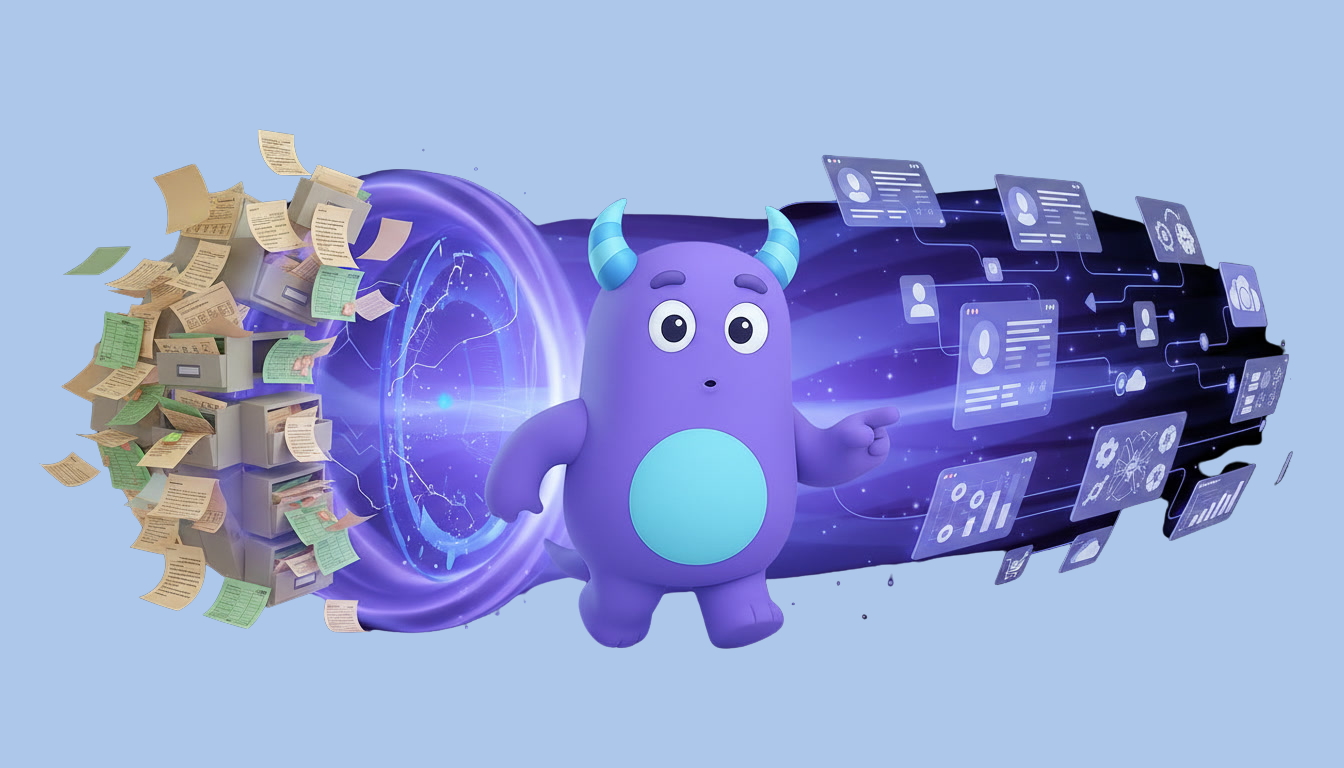
Յուրաքանչյուր հաջողակ բիզնես հիմնված է հարյուրավոր ամենօրյա գործընթացների վրա։ Աշխատակիցները հանձնարարություններ են տալիս, հաստատում են հարցումներ, շփվում են հաճախորդների հետ, թարմացնում են գրառումները, ստեղծում են հաշվետվություններ, կառավարում են նախագծեր և համակարգում են աշխատանքը բազմաթիվ բաժինների միջև։ Երբ այս գործողությունները կազմակերպված են, բիզնեսներն արդյունավետ են գործում։ Երբ դրանք կազմակերպված չեն, արտադրողականությունը նվազում է, վերջնաժամկետները խախտվում են, և աճը դառնում է գնալով ավելի դժվար։
Ընկերությունների ընդլայնմանը զուգընթաց՝ աշխատանքի ձեռքով կառավարումը դառնում է ամենամեծ գործառնական մարտահրավերներից մեկը։ Տեղեկատվությունը ցրվում է աղյուսակների, էլեկտրոնային նամակների, հաղորդագրությունների հավելվածների և իրարից անջատ ծրագրերի միջև։ Աշխատակիցները թանկարժեք ժամանակ են ծախսում թարմացումներ փնտրելու, հաստատումներ խնդրելու և առաջընթացին հետևելու վրա՝ կարևոր աշխատանք կատարելու փոխարեն։
Ահա թե ինչու է աշխատանքային հոսքերի կառավարումը դառնում էական։
Աշխատանքային հոսքերի կառավարումը տրամադրում է կառուցվածքային մոտեցում՝ բիզնես գործընթացները կազմակերպելու, հետևելու, ավտոմատացնելու և օպտիմալացնելու համար։ Հիշողության կամ ձեռքով համակարգման վրա հույս դնելու փոխարեն՝ բիզնեսները ստեղծում են ստանդարտացված աշխատանքային հոսքեր, որոնք ապահովում են, որ յուրաքանչյուր առաջադրանք հետևի հստակ և կանխատեսելի ուղու։
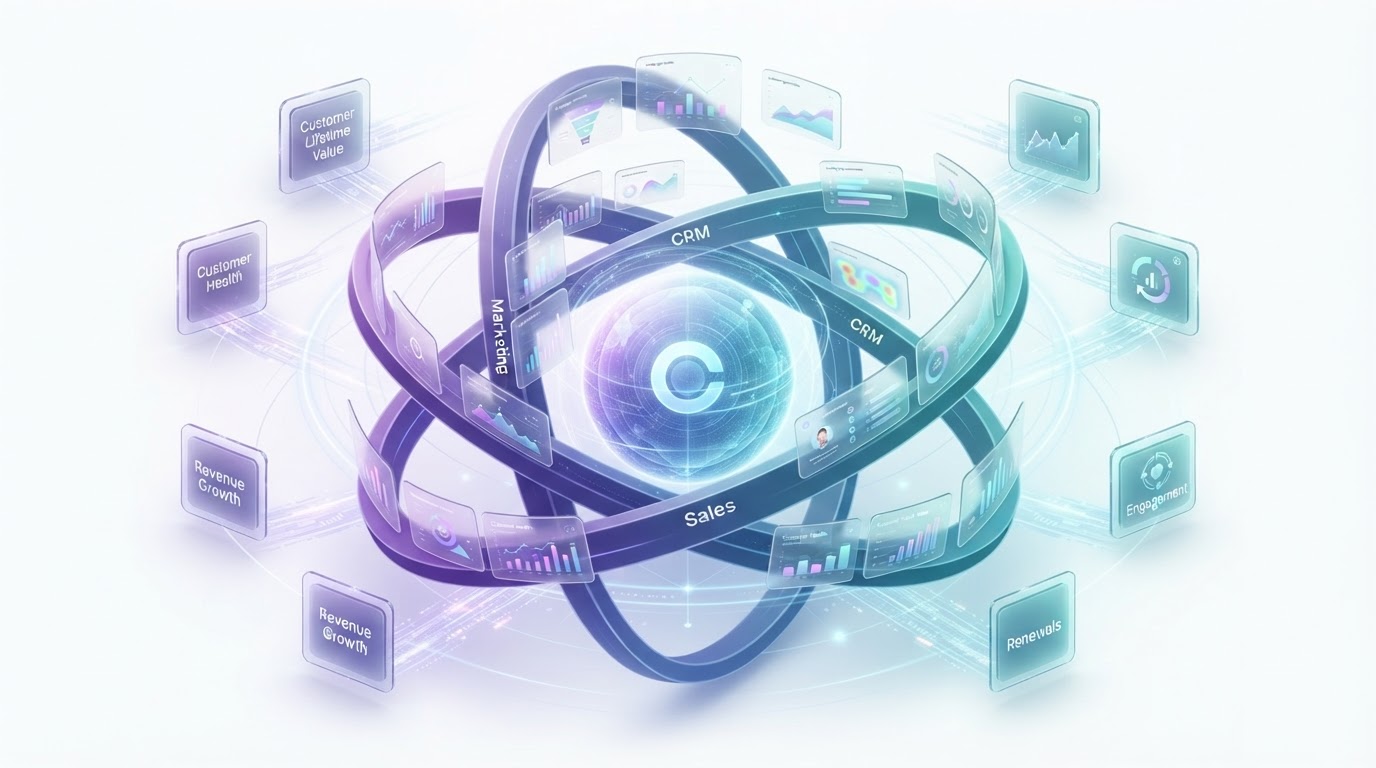
Աշխատանքային հոսքերի կառավարման ժամանակակից համակարգերը միավորում են CRM-ը, նախագծերի կառավարումը, աշխատանքային հոսքերի ավտոմատացումը, հաշվետվությունները, վերլուծությունը և արհեստական բանականությունը մեկ կենտրոնացված հարթակում՝ թույլ տալով կազմակերպություններին բարձրացնել արտադրողականությունը՝ միաժամանակ նվազեցնելով գործառնական բարդությունը։
Անկախ նրանից, թե դուք կառավարում եք հաճախորդների հարցումները, վաճառքի գործընթացները, հաստատումները, ներքին գործառնությունները, թե ամբողջական բաժիններ, աշխատանքային հոսքերի արդյունավետ կառավարումը ստեղծում է կայուն բիզնես աճի համար անհրաժեշտ գործառնական հիմքը։
Ի՞նչ է աշխատանքային հոսքերի կառավարումը
Աշխատանքային հոսքերի կառավարումը բիզնես գործընթացի ավարտի համար պահանջվող առաջադրանքների հաջորդականության նախագծման, կազմակերպման, իրականացման, մոնիթորինգի և բարելավման գործընթացն է։
Աշխատանքային հոսքը սահմանում է, թե ինչպես է աշխատանքը տեղափոխվում մի փուլից մյուսը։ Այն որոշում է, թե ով է պատասխանատու յուրաքանչյուր առաջադրանքի համար, ինչ տեղեկատվություն է պահանջվում, երբ պետք է տեղի ունենան գործողությունները, և ինչ է տեղի ունենում յուրաքանչյուր քայլի ավարտից հետո։
Թույլ տալու փոխարեն, որ աշխատակիցներն անհատապես որոշեն, թե ինչպես պետք է կատարվի աշխատանքը, աշխատանքային հոսքերի կառավարումը ստեղծում է ստանդարտացված ընթացակարգեր, որոնք բարելավում են հետևողականությունը և նվազեցնում գործառնական սխալները։
Յուրաքանչյուր բիզնես արդեն ունի աշխատանքային հոսքեր՝ փաստաթղթավորված, թե ոչ։ Հաճախորդների ներգրավումը, հաշիվ-ապրանքագրերի հաստատումը, աշխատակիցների հավաքագրումը, պոտենցիալ հաճախորդների կառավարումը, նախագծերի իրականացումը, գնումները և հաճախորդների սպասարկումը բոլորը հետևում են աշխատանքային հոսքերին։
Տարբերությունն այն է, որ հաջողակ կազմակերպությունները միտումնավոր նախագծում և օպտիմալացնում են այս աշխատանքային հոսքերը՝ թույլ տալու փոխարեն, որ դրանք զարգանան պատահականորեն։
Ինչո՞ւ է կարևոր աշխատանքային հոսքերի կառավարումը
Շատ գործառնական խնդիրներ առաջանում են ոչ թե աշխատակիցների, այլ վատ նախագծված աշխատանքային հոսքերի պատճառով։
Երբ պարտականությունները հստակ չեն, հաստատումները հետաձգվում են, հաղորդակցությունը անհետևողական է, կամ տեղեկատվությունը պահվում է բազմաթիվ համակարգերում, արտադրողականությունը բնականաբար նվազում է։
Աշխատանքային հոսքերի կառավարումը լուծում է այս մարտահրավերները՝ ստեղծելով կառուցվածք։
Աշխատակիցները միշտ գիտեն, թե որն է հաջորդ առաջադրանքը, ով է պատասխանատուն, ինչ տեղեկատվություն է պահանջվում և ինչպես պետք է չափվի առաջընթացը։
Ղեկավարները տեսանելիություն են ստանում գործառնական արդյունավետության վերաբերյալ, մինչդեռ ղեկավարությունը կարող է բացահայտել խոչընդոտները, նախքան դրանք կազդեն հաճախորդների վրա։
Խնդիրներին անընդհատ արձագանքելու փոխարեն՝ կազմակերպությունները նախաձեռնողաբար կառավարում են բիզնես գործընթացները։
Աշխատանքային հոսքերի ընդհանուր մարտահրավերներ, որոնց բախվում են բիզնեսները
Շատ աճող ընկերություններ բախվում են նմանատիպ գործառնական խնդիրների։
Առաջադրանքները հետաձգվում են, քանի որ հաստատումները չափազանց երկար են տևում։
Աշխատակիցները կրկնակի աշխատանք են կատարում, քանի որ հաղորդակցությունը անհետևողական է։
Հաճախորդների հարցումները մնում են անպատասխան, քանի որ պատասխանատվությունը հստակ չէ։
Ղեկավարները ժամեր են ծախսում կարգավիճակի թարմացումներ պահանջելու վրա՝ իրական ժամանակի վահանակները դիտելու փոխարեն։
Նախագծերը գերազանցում են վերջնաժամկետները, քանի որ աշխատանքը արդյունավետ կերպով համակարգված չէ։
Կարևոր տեղեկատվությունը մնում է անձնական էլփոստի արկղերում կամ հաղորդագրությունների հավելվածներում։
Այս խնդիրները հաճախ ավելի են սրվում բիզնեսի աճին զուգընթաց։
Աշխատանքային հոսքերի կառավարումը ստեղծում է գործառնական հետևողականություն, որը վերացնում է այս բարդության մեծ մասը։
Ինչպե՞ս է աշխատում աշխատանքային հոսքերի կառավարումը
Յուրաքանչյուր աշխատանքային հոսք սկսվում է ձգանից (trigger)։
Հաճախորդը ձևաթուղթ է ուղարկում, աշխատակիցը առաջադրանք է ստեղծում, գնման հարցում է ներկայացվում, հաշիվ-ապրանքագիր է ստացվում, կամ բացվում է աջակցման տոմս։
Այնուհետև աշխատանքային հոսքն այդ գործողությունն ուղղորդում է նախապես սահմանված փուլերով։
Առաջադրանքները ավտոմատ կերպով հանձնարարվում են, հաստատումներ են պահանջվում, ծանուցումներ են ուղարկվում, վերջնաժամկետները վերահսկվում են, և առաջընթացին հետևում են մինչև գործընթացի ավարտը։
Յուրաքանչյուր գործողություն գրանցվում է, ինչը հեշտացնում է գործառնական արդյունավետության մոնիթորինգը և բարելավման հնարավորությունների բացահայտումը։
Ձեռքով համակարգման վրա հույս դնելու փոխարեն՝ բիզնեսները ստեղծում են կանխատեսելի համակարգեր, որոնք գործում են հետևողականորեն։
Աշխատանքային հոսքերի կառավարումն ընդդեմ աշխատանքային հոսքերի ավտոմատացման
Չնայած այս տերմինները սերտորեն կապված են, դրանք նկարագրում են տարբեր հասկացություններ։
Աշխատանքային հոսքերի կառավարումը կենտրոնանում է ընդհանուր բիզնես գործընթացի նախագծման և վերահսկման վրա։
Աշխատանքային հոսքերի ավտոմատացումը կենտրոնանում է այդ գործընթացի շրջանակներում կրկնվող քայլերի ավտոմատ կատարման վրա։
Օրինակ, աշխատանքային հոսքերի կառավարումը սահմանում է, թե ինչպես պետք է գործի հաճախորդների ներգրավման գործընթացը։
Աշխատանքային հոսքերի ավտոմատացումը ավտոմատ կերպով հանձնարարում է առաջադրանքներ, ուղարկում է էլեկտրոնային նամակներ, ստեղծում է հիշեցումներ, թարմացնում է կարգավիճակները և ծանուցում աշխատակիցներին այդ գործընթացի ընթացքում։
Ավտոմատացումն ուժեղացնում է աշխատանքային հոսքերի կառավարումը՝ նվազեցնելով ձեռքի աշխատանքը՝ միաժամանակ պահպանելով հետևողականությունը։
Աշխատանքային հոսքերի կառավարման օրինակներ
Աշխատանքային հոսքերի կառավարումը կիրառելի է բիզնեսի յուրաքանչյուր բաժնում։
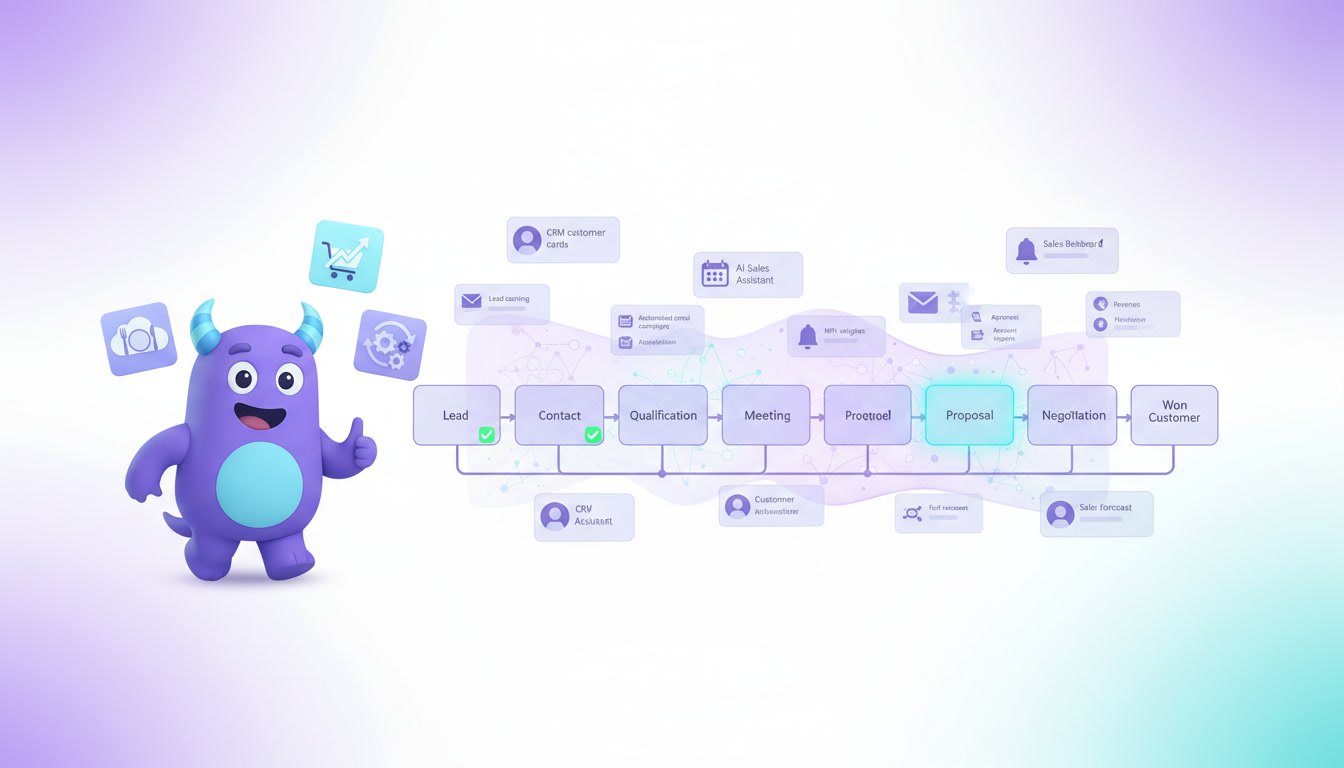
Վաճառքի թիմերը կառավարում են պոտենցիալ հաճախորդների որակավորումը, հնարավորությունների հետևումը, առաջարկները, բանակցությունները և գործարքների հաստատումները։
Հաճախորդների աջակցման բաժինները կազմակերպում են տոմսերի հանձնարարումը, էսկալացիաները և խնդիրների լուծումը։
Ֆինանսական թիմերը կառավարում են հաշիվ-ապրանքագրերի հաստատումները, վճարման հարցումները, ծախսերի հաշվետվությունները և գնումների աշխատանքային հոսքերը։
Մարդկային ռեսուրսները համակարգում են հավաքագրումը, նոր աշխատակիցների ներգրավումը, արձակուրդների հաստատումները և աշխատակիցների գնահատումները։
Գործառնական թիմերը կազմակերպում են արտադրությունը, պաշարների կառավարումը, լոգիստիկան, որակի վերահսկողությունը և սպասարկման գործողությունները։
Մարքեթինգի բաժինները համակարգում են արշավների պլանավորումը, բովանդակության հաստատումները, հրապարակումների ժամանակացույցերը և արդյունավետության հաշվետվությունները։
Աշխատանքային հոսքերի կառավարման առավելությունները
Աշխատանքային հոսքերի կառավարման ամենամեծ առավելություններից մեկը գործառնական տեսանելիության բարձրացումն է։
Ղեկավարները կարող են անմիջապես հասկանալ, թե որտեղ է աշխատանքն առաջ ընթանում, որտեղ են տեղի ունենում ուշացումներ, և որ առաջադրանքներն են ուշադրություն պահանջում։
Աշխատանքային հոսքերի կառավարումը նաև բարելավում է համագործակցությունը, քանի որ աշխատակիցներն աշխատում են ընդհանուր գործընթացներով, այլ ոչ թե անձնական սովորություններով։
Ստանդարտացված աշխատանքային հոսքերը նվազեցնում են սխալները, բարելավում են հաղորդակցությունը, արագացնում են հաստատումները և բարձրացնում ընդհանուր արտադրողականությունը։
Կազմակերպությունները նաև ձեռք են բերում արժեքավոր հաշվետվական հնարավորություններ, որոնք օգնում են ղեկավարությանը օպտիմալացնել բիզնես գործառնությունները՝ օգտագործելով իրական արդյունավետության տվյալներ։
Աշխատանքային հոսքերի կառավարում և CRM
CRM հարթակները կենտրոնական դեր են խաղում աշխատանքային հոսքերի կառավարման մեջ, քանի որ հաճախորդների հետ հարաբերությունները ներառում են բազմաթիվ փոխկապակցված գործընթացներ։
Պոտենցիալ հաճախորդների ներգրավումը, որակավորումը, հետագա կապը, առաջարկները, հաճախորդների ներգրավումը, աջակցման հարցումները, բաժանորդագրությունների երկարաձգումը և հաճախորդների պահպանումը բոլորը կախված են կառուցվածքային աշխատանքային հոսքերից։
Ժամանակակից CRM համակարգերն ապահովում են, որ այս գործընթացները մնան փոխկապակցված՝ միաժամանակ ապահովելով ամբողջական տեսանելիություն հաճախորդների հետ փոխգործակցության վերաբերյալ։
Իմացեք ավելին մեր CRM ուղեցույցում։
Աշխատանքային հոսքերի կառավարում և բիզնես գործընթացների ավտոմատացում
Աշխատանքային հոսքերի կառավարումը և բիզնես գործընթացների ավտոմատացումը միասին աշխատում են՝ բարելավելու գործառնական արդյունավետությունը։
Աշխատանքային հոսքերի կառավարումը սահմանում է, թե ինչպես պետք է ընթանա աշխատանքը։
Բիզնես գործընթացների ավտոմատացումը ավտոմատ կերպով կատարում է կրկնվող գործողությունները։
Միասին դրանք նվազեցնում են ձեռքի աշխատանքը՝ միաժամանակ բարելավելով հետևողականությունը, արագությունը և մասշտաբայնությունը։
Կարդացեք մեր Բիզնես գործընթացների ավտոմատացման ուղեցույցը։
Արհեստական բանականությունն աշխատանքային հոսքերի կառավարման մեջ
Արհեստական բանականությունը փոխակերպում է աշխատանքային հոսքերի կառավարումը։
Պարզապես նախապես սահմանված առաջադրանքներն ավտոմատացնելու փոխարեն՝ AI-ն կարող է վերլուծել բիզնես գործառնությունները, բացահայտել խոչընդոտները, կանխատեսել ուշացումները, առաջնահերթություն տալ աշխատանքին, առաջարկել բարելավումներ և օգնել աշխատակիցներին ամենօրյա որոշումների կայացման հարցում։
AI-ով աշխատող աշխատանքային հոսքերի կառավարումը թույլ է տալիս կազմակերպություններին շարունակաբար օպտիմալացնել գործառնությունները՝ միայն ձեռքով գործընթացների վերանայումների վրա հույս դնելու փոխարեն։
Բիզնեսները կարող են ավտոմատացնել ոչ միայն կրկնվող աշխատանքը, այլև խելացի առաջարկությունները, որոնք ժամանակի ընթացքում բարելավում են արդյունավետությունը։
Ուսումնասիրեք մեր AI CRM ուղեցույցը։
Աշխատանքային հոսքերի կառավարման չափորոշիչներ, որոնց պետք է հետևի յուրաքանչյուր բիզնես
Աշխատանքային հոսքերի հաջող կառավարումը կախված է չափելի արդյունավետությունից։
Բիզնեսները պետք է հետևեն աշխատանքային հոսքի ավարտի ժամանակին, առաջադրանքների կատարման տոկոսին, հաստատման ժամանակին, աշխատակիցների արտադրողականությանը, ժամկետանց առաջադրանքներին, գործընթացի խոչընդոտներին, հաճախորդների արձագանքման ժամանակին, աշխատանքային հոսքի արդյունավետությանը, ավտոմատացման մակարդակին և գործառնական ծախսերին։
Այս չափորոշիչները արժեքավոր պատկերացումներ են տալիս գործընթացի արդյունավետության վերաբերյալ և ընդգծում են շարունակական բարելավման հնարավորությունները։
Աշխատանքային հոսքերի կառավարման ընդհանուր սխալներ
Շատ բիզնესներ անհարկի բարդացնում են աշխատանքային հոսքերը։
Չափազանց շատ հաստատման մակարդակները, ավելորդ ձեռքով քայլերը, տվյալների կրկնակի մուտքագրումը և անհասկանալի պարտականությունները հաճախ նվազեցնում են արտադրողականությունը՝ այն բարելավելու փոխարեն։
Մեկ այլ տարածված սխալ է անարդյունավետ գործընթացների ավտոմատացումը՝ դրանք նախապես բարելավելու փոխարեն։
Բիզնեսները պետք է պարզեցնեն աշխատանքային հոսքերը՝ նախքան ավտոմատացում ներդնելը։
Վերջապես, կազմակերպությունները հաճախ չեն չափում աշխատանքային հոսքերի արդյունավետությունը, ինչը դժվարացնում է գործառնական բարելավումների բացահայտումը։
Աշխատանքային հոսքերի կառավարում փոքր բիզնեսների համար
Աշխատանքային հոսքերի կառավարումը միայն խոշոր ձեռնարկությունների համար չէ։
Փոքր բիզնեսները հաճախ ավելի շատ են օգուտ քաղում, քանի որ թիմերը միաժամանակ մի քանի պարտականություններ են կատարում։
Կառուցվածքային աշխատանքային հոսքերը նվազեցնում են շփոթությունը, բարելավում են հաշվետվողականությունը և թույլ են տալիս փոքր կազմակերպություններին ընդլայնել գործունեությունը՝ առանց վարչական աշխատանքը զգալիորեն ավելացնելու։
Աշխատանքային հոսքերի կառավարման ժամանակակից ծրագրակազմը ձեռնարկության մակարդակի գործառնական կազմակերպումը հասանելի է դարձնում ցանկացած չափի բիզնեսի համար։
Ինչպե՞ս է Lua CRM-ն օգնում բիզնեսներին կառավարել աշխատանքային հոսքերը
Lua CRM-ը միավորում է աշխատանքային հոսքերի կառավարումը, CRM-ը, ERP-ն, առաջադրանքների կառավարումը, աշխատանքային հոսքերի ավտոմատացումը, AI-ն, հաշվետվությունները, հաճախորդների կառավարումը և բիզնես գործառնությունները մեկ խելացի հարթակում։
Բիզնեսները կարող են կազմակերպել առաջադրանքներ, ավտոմատացնել հաստատումները, կառավարել հաճախորդների գործընթացները, համակարգել բաժինները, վերահսկել արդյունավետությունը և օպտիմալացնել գործառնությունները՝ առանց բազմաթիվ անջատ համակարգերի վրա հույս դնելու։
Քանի որ աշխատանքային հոսքերը, CRM-ը, ավտոմատացումը, հաշվետվությունները և AI-ն աշխատում են միասին, կազմակերպությունները ստանում են ամբողջական տեսանելիություն յուրաքանչյուր բիզնես գործընթացի վերաբերյալ։
Lua CRM-ն օգնում է ընկերություններին վերացնել գործառնական քաոսը՝ միաժամանակ կառուցելով մասշտաբային համակարգեր, որոնք աջակցում են բիզնեսի երկարաժամկետ աճին։
Հաճախ տրվող հարցեր
Ի՞նչ է աշխատանքային հոսքերի կառավարումը։
Աշխատանքային հոսքերի կառավարումը բիզնես գործընթացների կազմակերպման, հետևման և օպտիմալացման գործընթաց է՝ սահմանելով, թե ինչպես է աշխատանքը տեղափոխվում մի առաջադրանքից կամ փուլից մյուսը։
Ո՞րն է տարբերությունը աշխատանքային հոսքերի կառավարման և աշխատանքային հոսքերի ավտոմատացման միջև։
Աշխատանքային հոսքերի կառավարումը կենտրոնանում է բիզնես գործընթացների նախագծման և կառավարման վրա, մինչդեռ աշխատանքային հոսքերի ավտոմատացումը ավտոմատ կերպով կատարում է կրկնվող առաջադրանքներ այդ աշխատանքային հոսքերի շրջանակներում։
Ինչո՞ւ է կարևոր աշխատանքային հոսքերի կառավարումը։
Այն բարձրացնում է արտադրողականությունը, մեծացնում է գործառնական տեսանելիությունը, նվազեցնում է ձեռքի աշխատանքը, բարելավում է համագործակցությունը և ստեղծում է ստանդարտացված բիզնես գործընթացներ։
Կարո՞ղ են փոքր բիզնեսներն օգուտ քաղել աշխատանքային հոսքերի կառավարումից։
Այո։ Աշխատանքային հոսքերի կառավարումն օգնում է փոքր բիզնեսներին կազմակերպել գործառնությունները, բարելավել արդյունավետությունը, նվազեցնել սխալները և ավելի արդյունավետ կերպով ընդլայնվել։
Վերջնական մտքեր
Յուրաքանչյուր աճող բիզնես ի վերջո հասնում է մի կետի, երբ ձեռքով համակարգումը դառնում է սահմանափակում։
Աշխատանքային հոսքերի կառավարումը տրամադրում է անհրաժեշտ կառուցվածք՝ գործառնությունները կազմակերպելու, համագործակցությունը բարելավելու, անարդյունավետությունը նվազեցնելու և մասշտաբային բիզնես գործընթացներ ստեղծելու համար։
Երբ համակցվում է CRM-ի, աշխատանքային հոսքերի ավտոմատացման, բիզնես վերլուծության և արհեստական բանականության հետ, աշխատանքային հոսքերի կառավարումը դառնում է գործառնական գերազանցության ամենահզոր գործիքներից մեկը։
Կազմակերպությունները, որոնք ներդրումներ են կատարում լավ նախագծված աշխատանքային հոսքերում, ստեղծում են ավելի արագ թիմեր, ավելի երջանիկ հաճախորդներ, ավելի արդյունավետ գործառնություններ և ավելի ուժեղ երկարաժամկետ բիզնես աճ։
.jpg)