Keeping Track of Business Expenses With ERP: A Practical Guide for Growing Service Companies
As service businesses grow, financial complexity grows with them. New employees, more projects, multiple locations, subscription tools, contractors, and rising operational costs quickly make manual tracking unreliable. What once worked in spreadsheets or basic accounting software often becomes a blind spot that quietly erodes margins.
Modern companies increasingly turn to ERP systems to regain financial clarity. Instead of treating expense tracking as a standalone accounting task, ERP platforms connect spending directly to projects, teams, invoices, and profitability in real time. This guide explains how expense tracking fits inside an ERP strategy—and how platforms like Lua CRM help service businesses move beyond disconnected tools.
If you want to understand how to control costs, prepare for tax season, and protect profitability while scaling, keep reading.
What Are Business Expenses in an ERP Context?
Business expenses include everything a company spends to operate: salaries, software subscriptions, marketing campaigns, rent, utilities, travel, materials, contractors, and equipment. In a small organization, these costs might be tracked manually. In a growing service business, however, they must be connected to operational data.
An ERP system treats expenses as part of a larger operational picture. Costs are linked to departments, projects, clients, invoices, and timelines. This allows leadership to see not just what was spent, but why it was spent—and whether it contributed to revenue.
Why Expense Tracking Becomes Critical as Service Companies Scale
Growth introduces complexity. Teams expand, more projects run simultaneously, and new tools enter the organization. Without centralized systems, expenses scatter across credit cards, invoices, emails, spreadsheets, and separate finance platforms.
ERP platforms consolidate this information. Instead of waiting for monthly reports, managers can monitor spending patterns daily, identify budget overruns early, and understand the real cost of delivering services to clients.
This is often the turning point where businesses move from accounting software to ERP: when leadership needs visibility across operations, not just bookkeeping.
The Strategic Benefits of ERP-Driven Expense Management
Tracking expenses inside an ERP environment delivers far more than compliance or tax readiness. It becomes a strategic management tool.
- Improved profitability through accurate cost allocation.
- Clear understanding of margins by project or service type.
- Faster budgeting and forecasting.
- Reduced waste from duplicate subscriptions or inefficient workflows.
- Stronger audit readiness and regulatory compliance.
- Real-time insight into operational performance.
When financial data is integrated with operations, leaders can make decisions based on reality rather than estimates.
How ERP Systems Replace Manual Expense Processes
Traditional approaches rely on manual uploads, receipt folders, and delayed reporting cycles. ERP systems automate much of this work.
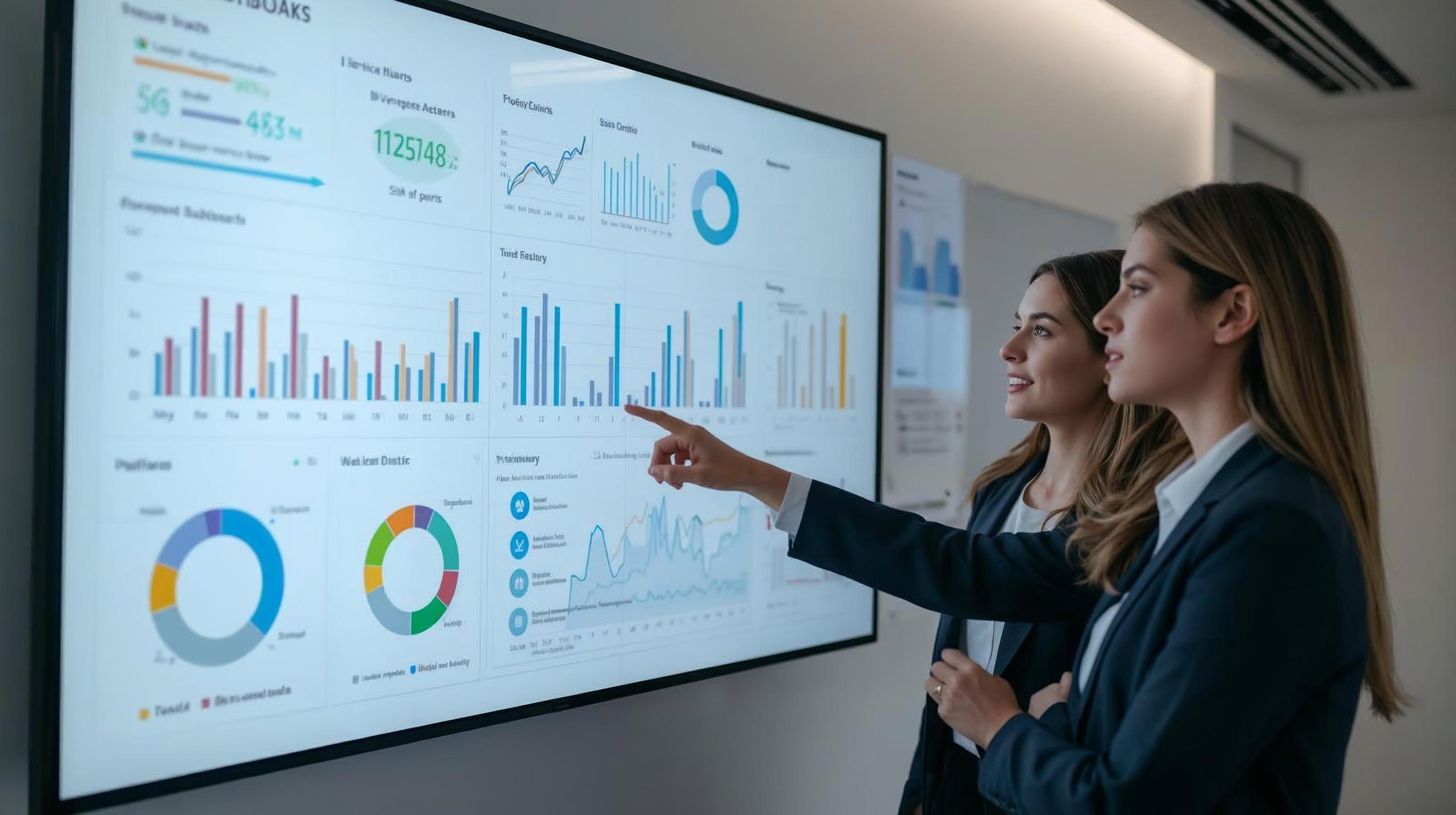
Bank transactions sync automatically. Expenses are categorized through predefined rules. Receipts can be attached digitally. Costs are assigned to projects or customers at the moment they occur. Dashboards instantly reflect financial health.
This automation removes friction from finance teams and gives executives immediate answers instead of month-end surprises.
How Lua CRM Functions as an ERP Platform for Service Businesses
Lua CRM is designed to operate as an ERP-style system for service companies that need unified control over sales, projects, finances, and operations.
Instead of relying on multiple disconnected applications, Lua CRM brings expense tracking into the same platform used to manage clients, work delivery, invoices, and reporting.
Within Lua CRM, businesses can:
- Record expenses in real time.
- Automatically categorize spending.
- Attach costs to specific projects or clients.
- Compare estimated budgets with actual results.
- Generate profitability reports by service line.
- Link expenses directly to invoices and payments.
Because everything lives in one system, leadership gains a continuous view of performance instead of fragmented snapshots from multiple tools.
Choosing an ERP Platform for Financial Control
When evaluating ERP systems for expense management, service businesses should focus on integration rather than isolated features. The right platform connects finance with operations, not just accounting.
Look for systems that support:
- Project-level cost tracking.
- Automated categorization rules.
- Multi-currency support.
- Flexible reporting dashboards.
- Workflow automation for approvals.
- API integrations with banking and tax systems.
Most importantly, the system should be easy for teams to adopt. ERP only creates value when people actually use it daily.
Moving From Expense Tracking to Full Financial Visibility
Expense tracking is often the first reason businesses explore ERP—but it rarely stays the only one. Once data becomes centralized, companies start analyzing profitability by service, forecasting cash flow, optimizing pricing, and eliminating inefficient operations.
This transition—from reactive accounting to proactive financial management—is what separates stable businesses from scalable ones.
Conclusion
Keeping track of business expenses is no longer just about compliance or preparing for tax season. For growing service companies, it is about maintaining control during expansion.
ERP systems like Lua CRM provide the infrastructure to connect costs with operations, projects, and revenue—giving leaders the visibility they need to scale confidently, protect margins, and make data-driven decisions.
When finance, operations, and service delivery live inside one platform, expense tracking stops being a burden and becomes a strategic advantage.


.jpg)