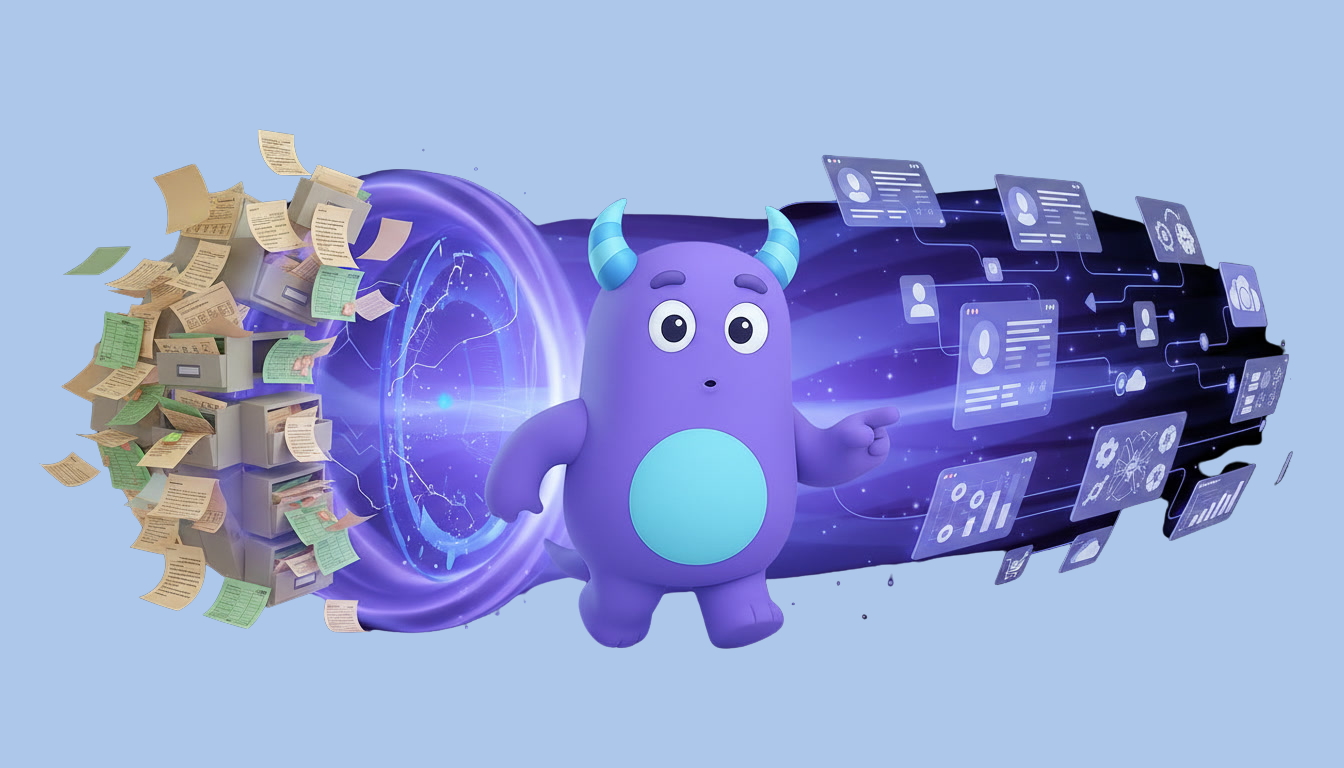
Οι σύγχρονες επιχειρήσεις βασίζονται σε πολλά διαφορετικά εργαλεία και συστήματα λογισμικού για να διαχειριστούν τις λειτουργίες τους. Από την επικοινωνία με τους πελάτες και τις διαδικασίες πωλήσεων έως τη λογιστική και τη διαχείριση έργων, οι εταιρείες χειρίζονται έναν μεγάλο αριθμό εργασιών κάθε μέρα. Ενώ η τεχνολογία βοηθά στην απλοποίηση πολλών δραστηριοτήτων, ένα σημαντικό μέρος της εργασίας εξακολουθεί να εκτελείται χειροκίνητα.
Οι χειροκίνητες διαδικασίες συχνά απαιτούν από τους υπαλλήλους να επαναλαμβάνουν τις ίδιες εργασίες ξανά και ξανά. Η αποστολή email, η ενημέρωση υπολογιστικών φύλλων, η ανάθεση εργασιών, η δημιουργία αναφορών ή η παρακολούθηση των πελατών είναι μόνο μερικά παραδείγματα. Αυτές οι επαναλαμβανόμενες εργασίες καταναλώνουν πολύτιμο χρόνο και αυξάνουν τον κίνδυνο ανθρώπινων λαθών.
Εδώ είναι που η αυτοματοποίηση ροής εργασιών γίνεται εξαιρετικά πολύτιμη. Αυτοματοποιώντας τις επαναλαμβανόμενες διαδικασίες, οι επιχειρήσεις μπορούν να μειώσουν τη χειρωνακτική εργασία, να βελτιώσουν την ακρίβεια και να επιτρέψουν στους υπαλλήλους να επικεντρωθούν σε πιο στρατηγικές δραστηριότητες.
Τι Είναι η Αυτοματοποίηση Ροής Εργασιών;
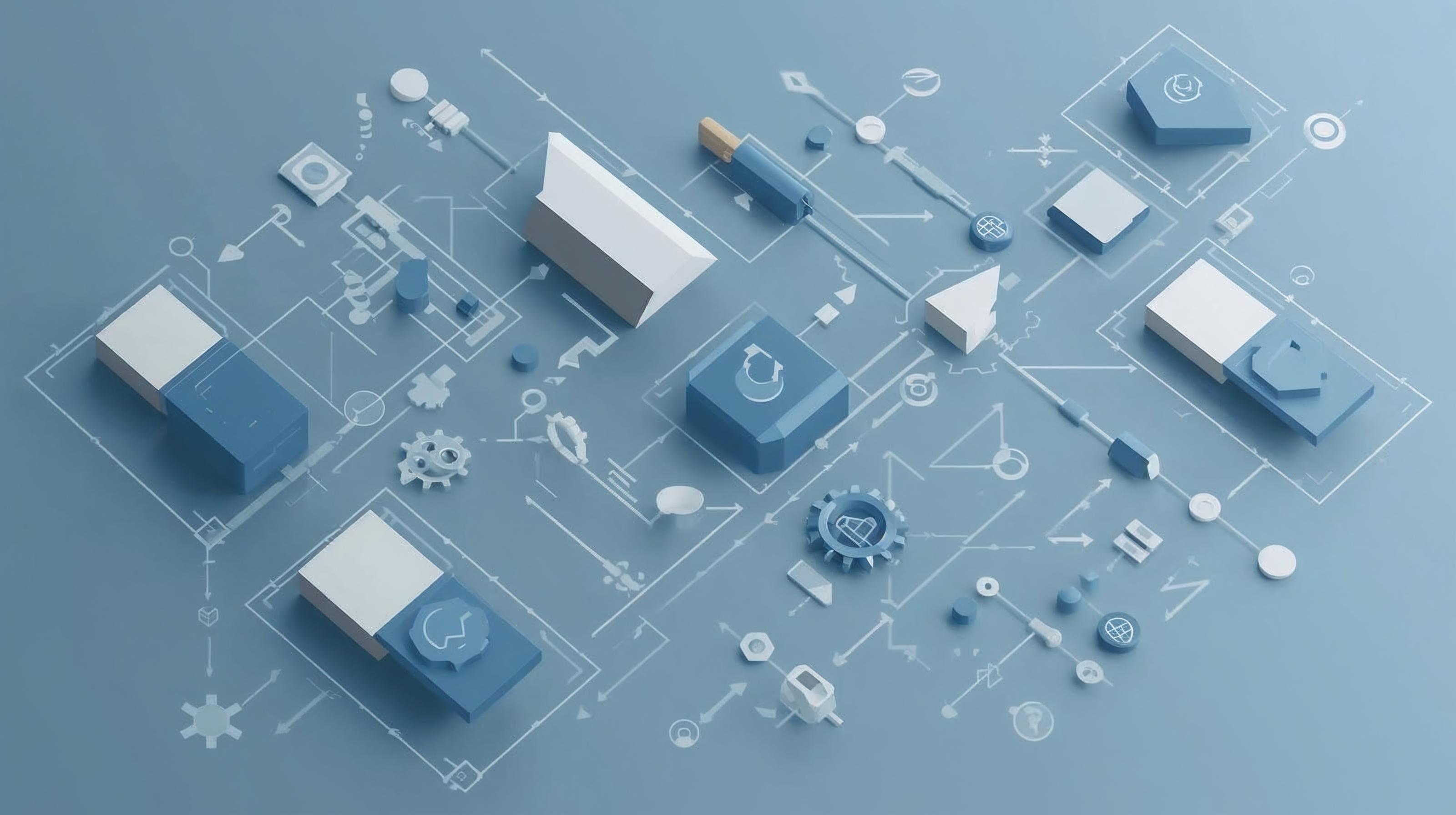
Η αυτοματοποίηση ροής εργασιών αναφέρεται στη χρήση εργαλείων λογισμικού για την αυτόματη εκτέλεση μιας σειράς εργασιών βάσει προκαθορισμένων κανόνων και συνθηκών. Αντί οι υπάλληλοι να ολοκληρώνουν χειροκίνητα κάθε βήμα μιας διαδικασίας, ένα σύστημα εκτελεί τις ενέργειες αυτόματα.
Μια ροή εργασιών είναι ουσιαστικά μια σειρά βημάτων που απαιτούνται για την ολοκλήρωση μιας εργασίας. Όταν προστίθεται αυτοματοποίηση σε αυτήν τη ροή εργασιών, το λογισμικό χειρίζεται την εκτέλεση αυτών των βημάτων χωρίς να απαιτείται συνεχής ανθρώπινη παρέμβαση.
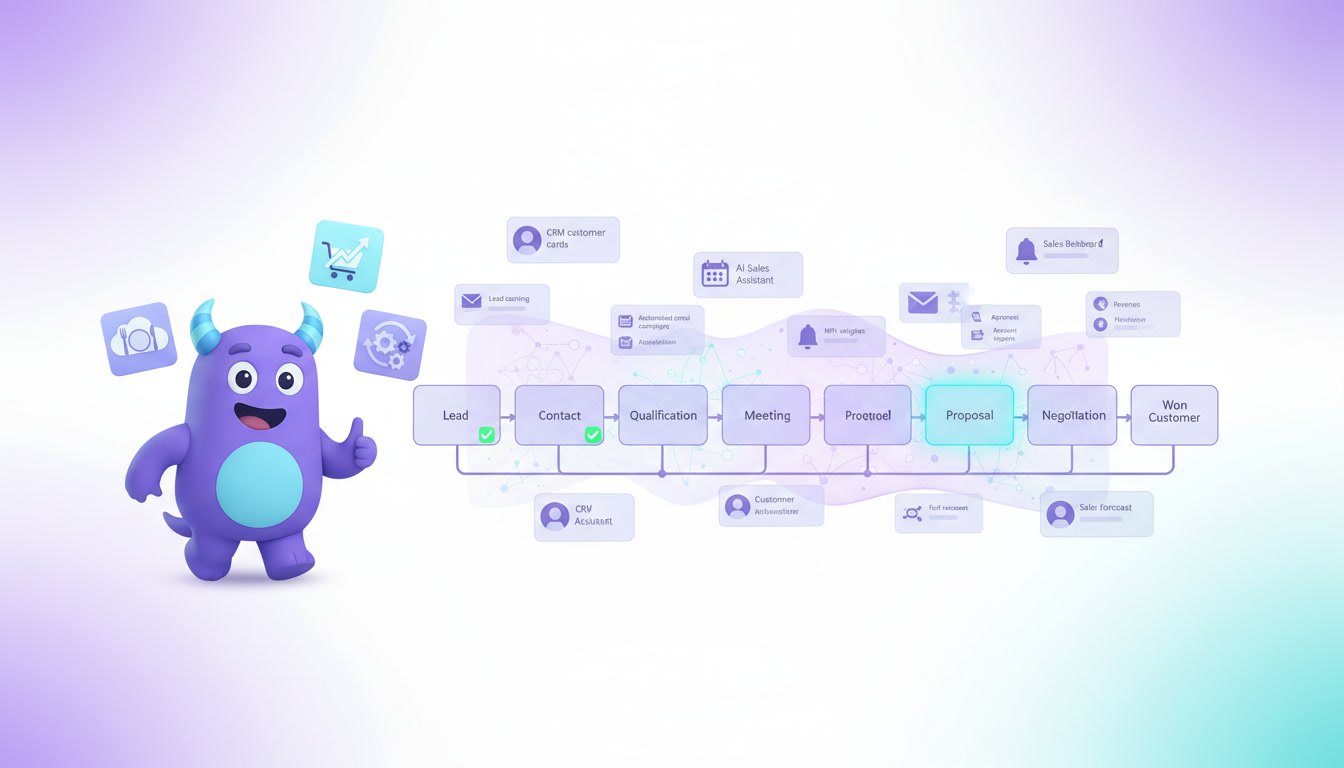
Για παράδειγμα, όταν ένας νέος δυνητικός πελάτης συμπληρώνει μια φόρμα επικοινωνίας σε έναν ιστότοπο, μια αυτοματοποιημένη ροή εργασιών μπορεί να δημιουργήσει αυτόματα μια νέα καρτέλα επαφής, να ειδοποιήσει την ομάδα πωλήσεων, να αναθέσει τον δυνητικό πελάτη σε έναν εκπρόσωπο και να προγραμματίσει μια υπενθύμιση παρακολούθησης. Όλες αυτές οι ενέργειες μπορούν να συμβούν αμέσως χωρίς χειροκίνητη εισαγωγή.
Γιατί οι Επιχειρήσεις Στρέφονται στην Αυτοματοποίηση Ροής Εργασιών
Οι επιχειρήσεις αναζητούν συνεχώς τρόπους για να βελτιώσουν την αποδοτικότητα και να μειώσουν το λειτουργικό κόστος. Καθώς οι εταιρείες αναπτύσσονται, ο αριθμός των διαδικασιών και των αλληλεπιδράσεων που διαχειρίζονται αυξάνεται δραματικά. Χωρίς αυτοματοποίηση, οι ομάδες μπορούν γρήγορα να κατακλυστούν από επαναλαμβανόμενες διοικητικές εργασίες.
Η αυτοματοποίηση ροής εργασιών βοηθά τις εταιρείες να κλιμακώσουν τις λειτουργίες τους πιο αποτελεσματικά. Αντί να προσλαμβάνουν επιπλέον υπαλλήλους για να χειριστούν επαναλαμβανόμενες εργασίες, οι επιχειρήσεις μπορούν να βασιστούν σε αυτοματοποιημένα συστήματα για να εκτελούν τις συνήθεις εργασίες γρήγορα και με ακρίβεια.
Η αυτοματοποίηση εξασφαλίζει επίσης συνέπεια. Όταν οι εργασίες ολοκληρώνονται χειροκίνητα, η διαδικασία μπορεί να διαφέρει ανάλογα με το ποιος την εκτελεί. Οι αυτοματοποιημένες ροές εργασιών ακολουθούν τους ίδιους κανόνες κάθε φορά, εξασφαλίζοντας τυποποιημένα και αξιόπιστα αποτελέσματα.
Συνήθη Παραδείγματα Αυτοματοποίησης Ροής Εργασιών
Η αυτοματοποίηση ροής εργασιών μπορεί να εφαρμοστεί σε πολλές διαφορετικές επιχειρηματικές δραστηριότητες. Ανάλογα με τον κλάδο και τις λειτουργίες της εταιρείας, η αυτοματοποίηση μπορεί να απλοποιήσει ένα ευρύ φάσμα διαδικασιών.
Μερικά κοινά παραδείγματα περιλαμβάνουν την αυτόματη αποστολή email επιβεβαίωσης μετά από μια αγορά, την ανάθεση νέων δυνητικών πελατών σε αντιπροσώπους πωλήσεων, τη δημιουργία τιμολογίων όταν κλείνουν συμφωνίες ή την αποστολή υπενθυμίσεων για επερχόμενες συναντήσεις.
Οι ομάδες μάρκετινγκ χρησιμοποιούν συχνά την αυτοματοποίηση ροής εργασιών για να διαχειριστούν καμπάνιες, να προγραμματίσουν περιεχόμενο και να καλλιεργήσουν δυνητικούς πελάτες. Οι ομάδες υποστήριξης πελατών μπορούν να χρησιμοποιήσουν αυτοματοποιημένες ροές εργασιών για να δρομολογήσουν τα αιτήματα υποστήριξης στο κατάλληλο τμήμα και να απαντήσουν σε συχνές ερωτήσεις.
Τα τμήματα ανθρώπινου δυναμικού επωφελούνται επίσης από την αυτοματοποίηση κατά τη διαχείριση της ένταξης των εργαζομένων, των διαδικασιών έγκρισης και των αιτημάτων άδειας. Οι οικονομικές ομάδες μπορούν να αυτοματοποιήσουν τις εγκρίσεις τιμολογίων, την παρακολούθηση εξόδων και τις οικονομικές αναφορές.
Η δυνατότητα αυτοματοποίησης αυτών των εργασιών επιτρέπει στις επιχειρήσεις να μειώσουν τη χειρωνακτική εργασία και να επικεντρωθούν σε δραστηριότητες που δημιουργούν μεγαλύτερη αξία.
Οφέλη της Αυτοματοποίησης Ροής Εργασιών
Ένα από τα σημαντικότερα οφέλη της αυτοματοποίησης ροής εργασιών είναι η εξοικονόμηση χρόνου. Οι υπάλληλοι ξοδεύουν λιγότερο χρόνο σε επαναλαμβανόμενες διοικητικές εργασίες και περισσότερο χρόνο σε εργασίες που απαιτούν δημιουργικότητα, λήψη αποφάσεων και επίλυση προβλημάτων.
Η αυτοματοποίηση μειώνει επίσης το ανθρώπινο λάθος. Όταν οι επαναλαμβανόμενες εργασίες εκτελούνται χειροκίνητα, μπορεί εύκολα να συμβούν λάθη. Τα αυτοματοποιημένα συστήματα ακολουθούν προκαθορισμένους κανόνες και επομένως μειώνουν την πιθανότητα σφαλμάτων.
Ένα άλλο σημαντικό πλεονέκτημα είναι ο ταχύτερος χρόνος απόκρισης. Οι αυτοματοποιημένες ροές εργασιών επιτρέπουν στις επιχειρήσεις να ανταποκρίνονται σε αιτήματα πελατών, ερωτήσεις ή δυνητικούς πελάτες πολύ πιο γρήγορα. Αυτό βελτιώνει την ικανοποίηση των πελατών και αυξάνει τις πιθανότητες σύναψης συμφωνιών.
Η αυτοματοποίηση ροής εργασιών βελτιώνει επίσης τη διαφάνεια εντός των οργανισμών. Οι διαχειριστές μπορούν να παρακολουθούν τον τρόπο εκτέλεσης των διαδικασιών και να εντοπίζουν πιθανά σημεία συμφόρησης που επιβραδύνουν τις λειτουργίες.
Συνολικά, η αυτοματοποίηση βελτιώνει την παραγωγικότητα, μειώνει το λειτουργικό κόστος και δημιουργεί ένα πιο αποτελεσματικό εργασιακό περιβάλλον.
Ο Ρόλος των Συστημάτων CRM στην Αυτοματοποίηση Ροής Εργασιών
Τα συστήματα Διαχείρισης Σχέσεων Πελατών διαδραματίζουν καθοριστικό ρόλο στην αυτοματοποίηση ροής εργασιών. Οι πλατφόρμες CRM βοηθούν τις επιχειρήσεις να διαχειρίζονται τις αλληλεπιδράσεις με τους πελάτες, τις διοχετεύσεις πωλήσεων και τις εσωτερικές διαδικασίες σε ένα κεντρικό περιβάλλον.
Πολλές σύγχρονες πλατφόρμες CRM περιλαμβάνουν ενσωματωμένα εργαλεία αυτοματοποίησης που επιτρέπουν στις εταιρείες να αυτοματοποιήσουν εργασίες που σχετίζονται με την επικοινωνία με τους πελάτες, τη διαχείριση δυνητικών πελατών και την παρακολούθηση συμφωνιών.
Για παράδειγμα, όταν φτάνει μια νέα ερώτηση πελάτη, ένα σύστημα CRM μπορεί να αναθέσει αυτόματα τον δυνητικό πελάτη σε έναν αντιπρόσωπο πωλήσεων, να δημιουργήσει εργασίες παρακολούθησης και να στείλει αυτοματοποιημένες απαντήσεις μέσω email.
Αυτό διασφαλίζει ότι δεν χάνεται καμία ευκαιρία και ότι η ομάδα μπορεί να ανταποκριθεί γρήγορα σε πιθανούς πελάτες.
Πώς το Lua CRM Βοηθά τις Επιχειρήσεις να Αυτοματοποιήσουν τις Ροές Εργασιών
Στο Lua CRM, στόχος μας είναι να βοηθήσουμε τις επιχειρήσεις να απλοποιήσουν τις καθημερινές τους λειτουργίες και να βελτιώσουν την παραγωγικότητα μέσω έξυπνων εργαλείων αυτοματοποίησης. Η πλατφόρμα επιτρέπει στις ομάδες να δημιουργούν προσαρμοσμένες ροές εργασιών που ταιριάζουν στις μοναδικές επιχειρηματικές τους διαδικασίες.
Με το Lua CRM, οι εταιρείες μπορούν να ορίσουν κανόνες αυτοματοποίησης που ενεργοποιούν αυτόματα ενέργειες όταν πληρούνται συγκεκριμένες συνθήκες. Για παράδειγμα, οι επιχειρήσεις μπορούν να μετακινούν αυτόματα δυνητικούς πελάτες μέσω διοχετεύσεων πωλήσεων, να αναθέτουν εργασίες σε μέλη της ομάδας, να δημιουργούν αναφορές ή να ειδοποιούν τους υπαλλήλους όταν συμβαίνουν σημαντικά γεγονότα.
Επειδή κάθε επιχείρηση λειτουργεί διαφορετικά, το Lua CRM παρέχει ευέλικτες δυνατότητες αυτοματοποίησης ροής εργασιών που επιτρέπουν στις εταιρείες να προσαρμόσουν το σύστημα στις δικές τους διαδικασίες αντί να τις αναγκάζουν να αλλάξουν τον τρόπο λειτουργίας τους.
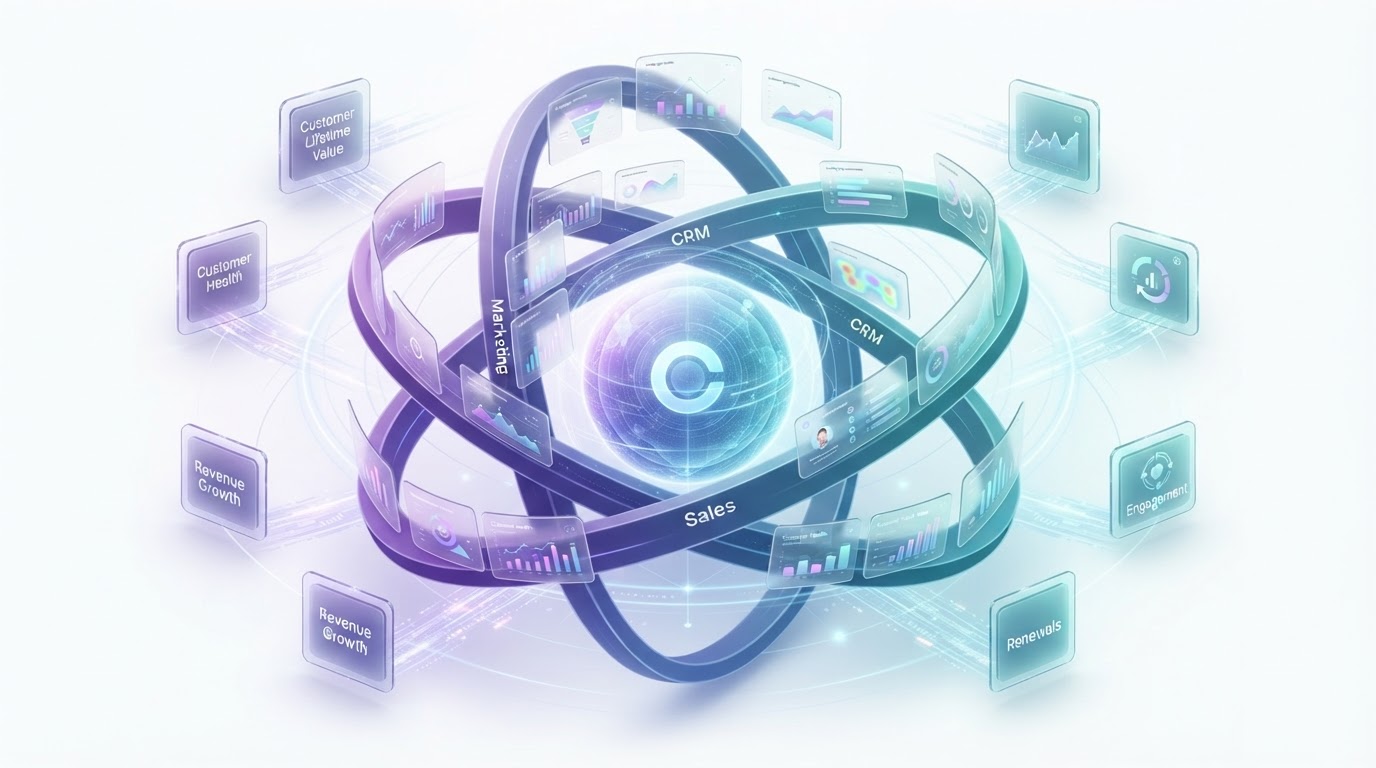
Συνδυάζοντας τη λειτουργικότητα CRM με την αυτοματοποίηση ροής εργασιών, οι επιχειρήσεις μπορούν να διαχειρίζονται τις σχέσεις με τους πελάτες, να παρακολουθούν τις δραστηριότητες πωλήσεων και να εξορθολογίζουν τις εσωτερικές διαδικασίες σε μια ενιαία πλατφόρμα.
Το Μέλλον της Αυτοματοποίησης Ροής Εργασιών
Καθώς η τεχνολογία συνεχίζει να εξελίσσεται, η αυτοματοποίηση ροής εργασιών θα γίνει ακόμη πιο ισχυρή. Η τεχνητή νοημοσύνη και η μηχανική μάθηση ενσωματώνονται ήδη σε εργαλεία αυτοματοποίησης, επιτρέποντας στα συστήματα να αναλύουν δεδομένα, να προβλέπουν αποτελέσματα και να προτείνουν βέλτιστες ενέργειες.
Στο μέλλον, οι επιχειρήσεις θα βασίζονται ακόμη περισσότερο στην αυτοματοποίηση για να διαχειριστούν σύνθετες διαδικασίες, να βελτιώσουν τη λήψη αποφάσεων και να προσφέρουν καλύτερες εμπειρίες πελατών.
Οι οργανισμοί που υιοθετούν την αυτοματοποίηση νωρίς θα αποκτήσουν ένα σημαντικό πλεονέκτημα λειτουργώντας πιο αποτελεσματικά και ανταποκρινόμενοι ταχύτερα στις μεταβαλλόμενες συνθήκες της αγοράς.
Συμπέρασμα
Η αυτοματοποίηση ροής εργασιών μεταμορφώνει τον τρόπο λειτουργίας των επιχειρήσεων. Αυτοματοποιώντας τις επαναλαμβανόμενες εργασίες και εξορθολογίζοντας τις διαδικασίες, οι εταιρείες μπορούν να εξοικονομήσουν χρόνο, να μειώσουν τα λάθη και να βελτιώσουν την παραγωγικότητα.
Αντί να ξοδεύουν πολύτιμο χρόνο σε χειρωνακτική διοικητική εργασία, οι υπάλληλοι μπορούν να επικεντρωθούν σε στρατηγικές εργασίες που βοηθούν τις επιχειρήσεις να αναπτυχθούν και να καινοτομήσουν.
Με σύγχρονες πλατφόρμες όπως το Lua CRM, η εφαρμογή της αυτοματοποίησης ροής εργασιών έχει γίνει ευκολότερη από ποτέ. Οι επιχειρήσεις μπορούν να δημιουργήσουν προσαρμοσμένες ροές εργασιών που υποστηρίζουν τις λειτουργίες τους και επιτρέπουν στις ομάδες τους να εργάζονται πιο αποτελεσματικά.
Καθώς οι εταιρείες συνεχίζουν να αγκαλιάζουν τις τεχνολογίες αυτοματοποίησης, η αυτοματοποίηση ροής εργασιών θα παραμείνει ένας βασικός μοχλός της αποδοτικότητας, της επεκτασιμότητας και της μακροπρόθεσμης επιχειρηματικής επιτυχίας.
.jpg)
.jpg)