
الشركات الحديثة تعتمد على برشة أدوات وأنظمة برمجية مختلفة باش تدير العمليات متاعها. من التواصل مع العملاء وعمليات البيع إلى المحاسبة وإدارة المشاريع، الشركات تتعامل مع عدد كبير من المهام كل يوم. في حين التكنولوجيا تعاون باش تبسط برشة أنشطة، مازال فما كمية كبيرة من الخدمة تتخدم يدويا.
العمليات اليدوية غالبا ما تتطلب من الموظفين يعاودو نفس المهام مرة بعد مرة. تبعث إيميلات، تحدث جداول بيانات، توكل مهام، تخرج تقارير، ولا تتبع مع العملاء، هاذم مجرد أمثلة. المهام المتكررة هاذي تستهلك وقت ثمين وتزيد من خطر الأخطاء البشرية.
هنا وين تولي الأتمتة متاع مسار العمل قيمة برشة. عن طريق أتمتة العمليات المتكررة، الشركات تنجم تنقص من الخدمة اليدوية، تحسن الدقة، وتخلي الموظفين يركزو على أنشطة استراتيجية أكثر.
شنية الأتمتة متاع مسار العمل؟
الأتمتة متاع مسار العمل تشير إلى استخدام أدوات برمجية باش تنفذ سلسلة من المهام تلقائيا بناء على قواعد وشروط محددة مسبقا. عوض ما الموظفين يكملو كل خطوة من عملية يدويا، النظام ينفذ الإجراءات تلقائيا.
مسار العمل هو في الأساس سلسلة من الخطوات المطلوبة باش تكمل مهمة. وقت اللي تتزاد الأتمتة لمسار العمل هذا، البرمجية تتكفل بتنفيذ الخطوات هاذوكم من غير ما تتطلب تدخل بشري مستمر.
على سبيل المثال، وقت اللي زبون محتمل جديد يعمر استمارة اتصال على موقع ويب، مسار عمل مؤتمت ينجم تلقائيا يخلق سجل اتصال جديد، يعلم فريق المبيعات، يوكل الزبون المحتمل لممثل، ويحدد موعد تذكير للمتابعة. الإجراءات هاذي الكل تنجم تصير في الحين من غير تدخل يدوي.
علاش الشركات قاعدة تتجه للأتمتة متاع مسار العمل
الشركات قاعدة تدور باستمرار على طرق باش تحسن الكفاءة وتنقص من تكاليف التشغيل. كيما الشركات تكبر، عدد العمليات والتفاعلات اللي تديرهم يزيد بشكل كبير. من غير أتمتة، الفرق تنجم تتغلب عليها المهام الإدارية المتكررة فيسع.
الأتمتة متاع مسار العمل تعاون الشركات باش توسع العمليات متاعها بكفاءة أكثر. عوض ما يوظفو موظفين إضافيين باش يتكفلو بالخدمة المتكررة، الشركات تنجم تعتمد على أنظمة مؤتمتة باش تنفذ المهام الروتينية بسرعة وبدقة.
الأتمتة تضمن زادة الاتساق. وقت اللي المهام تتكمل يدويا، العملية تنجم تختلف على حسب شكون اللي ينفذها. مسارات العمل المؤتمتة تتبع نفس القواعد في كل مرة، وتضمن نتائج موحدة وموثوقة.
أمثلة شائعة للأتمتة متاع مسار العمل
الأتمتة متاع مسار العمل تنجم تطبق على برشة أنشطة تجارية مختلفة. على حسب الصناعة والعمليات متاع الشركة، الأتمتة تنجم تبسط مجموعة واسعة من العمليات.
بعض الأمثلة الشائعة تشمل تبعث إيميلات تأكيد تلقائيا بعد عملية شراء، توكل زبائن محتملين جدد لممثلي المبيعات، تخرج فواتير وقت اللي الصفقات تتسكر، ولا تبعث تذكيرات للاجتماعات القادمة.
فرق التسويق غالبا ما تستخدم الأتمتة متاع مسار العمل باش تدير الحملات، تجدول المحتوى، وتربي الزبائن المحتملين. فرق دعم العملاء تنجم تستخدم مسارات عمل مؤتمتة باش توجه تذاكر الدعم للقسم المناسب وتجاوب على الأسئلة المتداولة.
إدارات الموارد البشرية زادة تستفيد من الأتمتة وقت اللي تدير إعداد الموظفين الجدد، عمليات الموافقة، وطلبات الإجازة. فرق المالية تنجم تأتمت الموافقات على الفواتير، تتبع المصاريف، والتقارير المالية.
القدرة على أتمتة المهام هاذي تخلي الشركات تنقص من الخدمة اليدوية وتركز على الأنشطة اللي تخلق قيمة أكثر.
فوائد الأتمتة متاع مسار العمل
وحدة من أهم الفوائد متاع الأتمتة متاع مسار العمل هي توفير الوقت. الموظفين يقضيو وقت أقل على الخدمة الإدارية المتكررة ووقت أكثر على المهام اللي تتطلب إبداع، اتخاذ قرارات، وحل مشاكل.
الأتمتة تنقص زادة من الخطأ البشري. وقت اللي المهام المتكررة تتخدم يدويا، الأخطاء تنجم تصير بسهولة. الأنظمة المؤتمتة تتبع قواعد محددة مسبقا وبالتالي تنقص من احتمالية الأخطاء.
ميزة رئيسية أخرى هي سرعة الاستجابة. مسارات العمل المؤتمتة تخلي الشركات تستجيب لطلبات العملاء، الاستفسارات، ولا الزبائن المحتملين بسرعة أكبر برشة. هذا يحسن رضا العملاء ويزيد من فرص إتمام الصفقات.
الأتمتة متاع مسار العمل تحسن زادة الشفافية داخل المؤسسات. المديرين ينجمو يتتبعو كيفاش العمليات تتنفذ ويحددو الاختناقات المحتملة اللي تبطئ العمليات.
بشكل عام، الأتمتة تحسن الإنتاجية، تنقص من تكاليف التشغيل، وتخلق بيئة عمل أكثر كفاءة.
دور أنظمة CRM في الأتمتة متاع مسار العمل
أنظمة إدارة علاقات العملاء تلعب دور حاسم في الأتمتة متاع مسار العمل. منصات CRM تعاون الشركات باش تدير تفاعلات العملاء، مسارات البيع، والعمليات الداخلية في بيئة مركزية.
برشة منصات CRM حديثة تتضمن أدوات أتمتة مدمجة تخلي الشركات تأتمت المهام المتعلقة بالتواصل مع العملاء، إدارة الزبائن المحتملين، وتتبع الصفقات.
على سبيل المثال، وقت اللي يوصل استفسار عميل جديد، نظام CRM ينجم تلقائيا يوكل الزبون المحتمل لممثل مبيعات، يخلق مهام متابعة، ويبعث ردود إيميل مؤتمتة.
هذا يضمن اللي ما تتفوت حتى فرصة وأن الفريق ينجم يستجيب بسرعة للعملاء المحتملين.
كيفاش Lua CRM تعاون الشركات باش تأتمت مسارات العمل
في Lua CRM، هدفنا هو نعاونو الشركات باش يبسطو العمليات اليومية متاعهم ويحسّنو الإنتاجية عن طريق أدوات أتمتة ذكية. المنصة تخلي الفرق تخلق مسارات عمل مخصصة تتناسب مع العمليات التجارية الفريدة متاعهم.
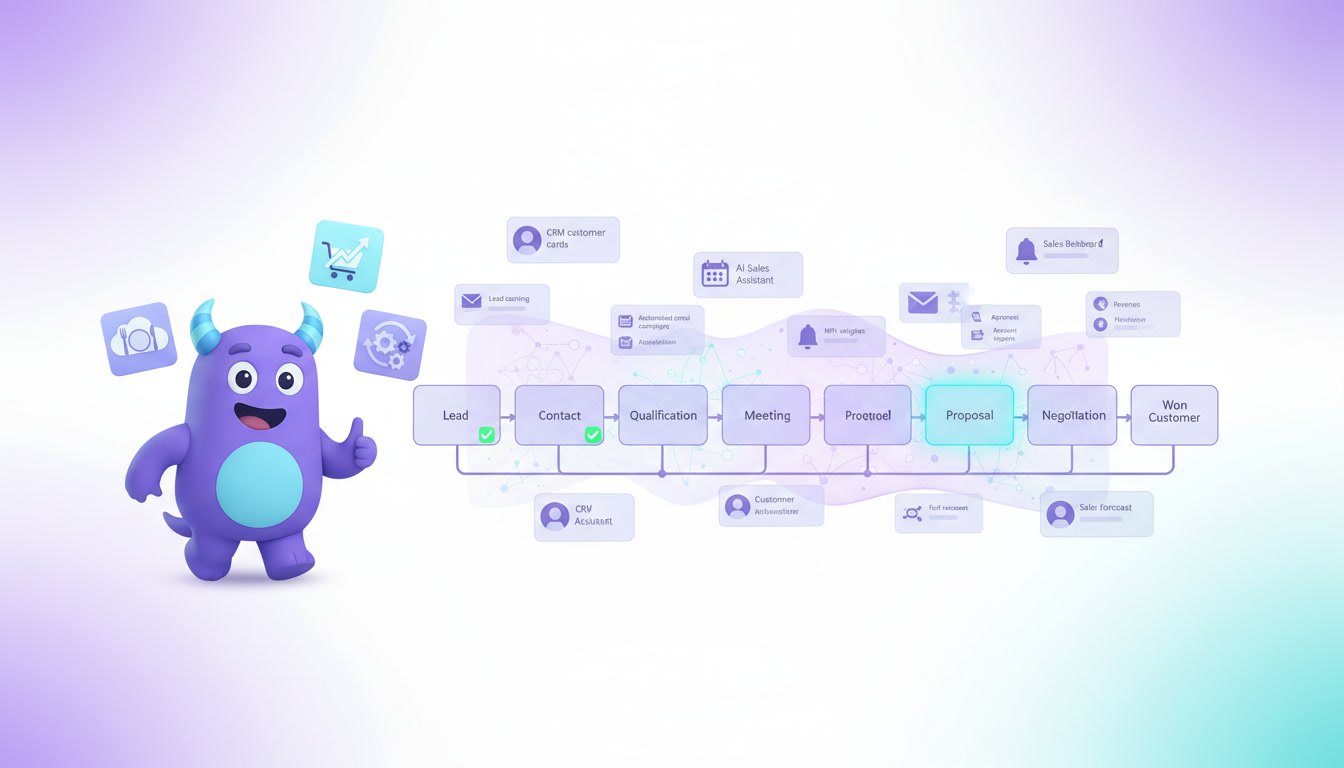
مع Lua CRM، الشركات تنجم تحدد قواعد أتمتة اللي تشغل الإجراءات تلقائيا وقت اللي تتحقق شروط معينة. على سبيل المثال، الشركات تنجم تلقائيا تحرك الزبائن المحتملين عبر مسارات البيع، توكل مهام لأعضاء الفريق، تخرج تقارير، ولا تعلم الموظفين وقت اللي تصير أحداث مهمة.
على خاطر كل شركة تخدم بطريقة مختلفة، Lua CRM توفر ميزات أتمتة مسار عمل مرنة تخلي الشركات تكيف النظام مع العمليات متاعهم الخاصة عوض ما تجبرهم باش يبدلو كيفاش يخدمو.
عن طريق الجمع بين وظائف CRM والأتمتة متاع مسار العمل، الشركات تنجم تدير علاقات العملاء، تتتبع أنشطة البيع، وتبسط العمليات الداخلية داخل منصة وحدة.
مستقبل الأتمتة متاع مسار العمل
كيما التكنولوجيا قاعدة تتطور، الأتمتة متاع مسار العمل باش تولي أقوى أكثر. الذكاء الاصطناعي وتعلم الآلة قاعدين يندمجو في أدوات الأتمتة، ويخلو الأنظمة تحلل البيانات، تتوقع النتائج، وتقترح الإجراءات المثلى.
في المستقبل، الشركات باش تعتمد أكثر على الأتمتة باش تدير العمليات المعقدة، تحسن اتخاذ القرارات، وتقدم تجارب عملاء أفضل.
المنظمات اللي تتبنى الأتمتة بكري باش تربح ميزة كبيرة عن طريق العمل بكفاءة أكثر والاستجابة أسرع لظروف السوق المتغيرة.
الخلاصة
الأتمتة متاع مسار العمل قاعدة تحول كيفاش الشركات تخدم. عن طريق أتمتة المهام المتكررة وتبسيط العمليات، الشركات تنجم توفر الوقت، تنقص من الأخطاء، وتحسن الإنتاجية.
عوض ما يقضيو وقت ثمين على الخدمة الإدارية اليدوية، الموظفين ينجمو يركزو على المهام الاستراتيجية اللي تعاون الشركات باش تنمو وتبتكر.
مع منصات حديثة كيما Lua CRM، تطبيق الأتمتة متاع مسار العمل ولا أسهل من أي وقت مضى. الشركات تنجم تخلق مسارات عمل مخصصة تدعم العمليات متاعهم وتخلي الفرق متاعهم تخدم بكفاءة أكثر.
كيما الشركات قاعدة تتبنى تقنيات الأتمتة، الأتمتة متاع مسار العمل باش تبقى محرك رئيسي للكفاءة، قابلية التوسع، والنجاح التجاري طويل الأمد.
.jpg)

.jpg)