
Tandklinikker opererer i et unikt miljø, hvor medicinsk præcision, patienttillid, overholdelse af lovgivning og forretningseffektivitet skal eksistere side om side. Mens klinisk ekspertise er grundlaget for succes, opdager mange tandlægepraksisser, at vækst introducerer en anden type udfordring: operationel kompleksitet.
Efterhånden som patientantallet stiger, tjenesterne udvides, og teams vokser, er klinikker ofte afhængige af processer, der oprindeligt var designet til meget mindre operationer. Tidsbestilling, patientjournaler, fakturering, lager, personale koordinering og rapportering bliver sværere at administrere ved hjælp af afbrudte værktøjer og manuelle arbejdsgange. Over tid begrænser disse ineffektiviteter stille og roligt ydeevnen, øger stress og reducerer rentabiliteten.
De fleste tandklinikker kæmper ikke på grund af dårlige medicinske resultater. De kæmper, fordi operationelle systemer ikke kan skaleres i samme tempo som selve praksissen.
Operationel kompleksitet stiger hurtigere, end de fleste klinikker forventer
I de tidlige stadier fungerer mange tandklinikker effektivt ved hjælp af grundlæggende planlægningssoftware, regneark, regnskabsværktøjer og papir eller semi-digitale poster. Dette setup føles ofte tilstrækkeligt, når patientantallet er overskueligt, og teamet er lille. Vækst ændrer dog ligningen hurtigt.
Flere patienter betyder flere aftaler at koordinere, flere opfølgninger, flere faktureringstransaktioner og flere data at administrere. Samtidig begynder klinikker at tilbyde yderligere tjenester, arbejde med forsikringsudbydere, administrere flere stole eller placeringer og koordinere mellem tandlæger, assistenter, hygiejnister og administrativt personale.
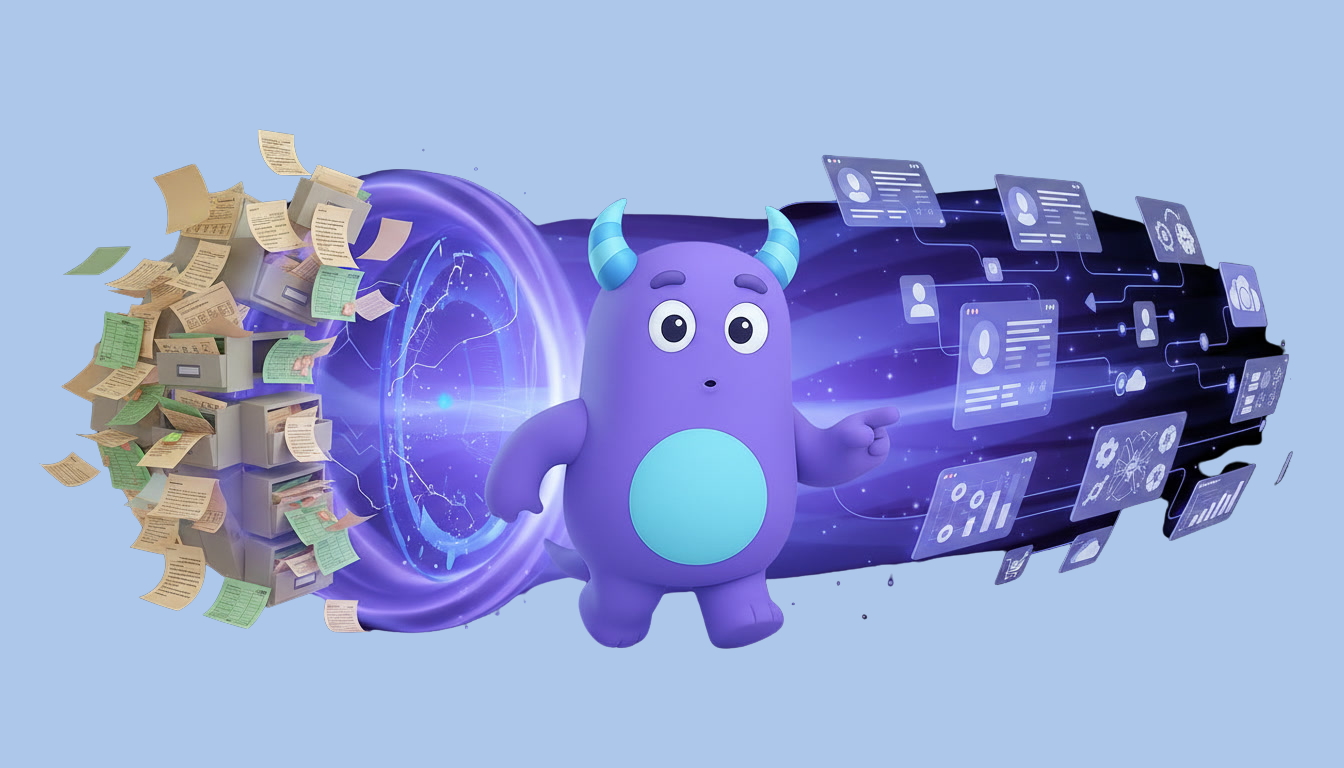
Uden et centraliseret operationelt system bliver information fragmenteret. Aftaledata findes i et system, patienthistorik i et andet, finansielle poster et andet sted og personaleplaner et andet sted. Denne fragmentering øger sandsynligheden for fejl, forsinkelser og misforståelser.
De skjulte omkostninger ved fragmenterede systemer
Fragmenterede systemer forårsager ikke altid umiddelbare problemer, hvorfor de ofte undervurderes. De reelle omkostninger vises gradvist. Administrativt personale bruger mere tid på at søge efter information. Tandlæger oplever forsinkelser mellem patienter. Faktureringsproblemer stiger. Opfølgninger overses. Lageret løber uventet tør.
Disse problemer virker sjældent dramatiske alene, men tilsammen reducerer de klinikkens samlede effektivitet og patientoplevelse. Over tid fører operationel friktion til længere arbejdstider, højere personaleudbrændthed og reduceret evne til at skalere bæredygtigt.
Fra et ledelsesmæssigt perspektiv begrænser fragmenterede data også synligheden. Klinikerejere kan have svært ved at besvare grundlæggende spørgsmål med sikkerhed: Hvilke tjenester er mest rentable? Hvor sker aflysninger oftest? Hvor effektivt bruges personalets tid? Uden pålidelige, centraliserede data bliver beslutningstagning reaktiv snarere end strategisk.
Patientoplevelsen afhænger af driften, ikke kun pleje
Patienter bedømmer tandklinikker ikke kun ud fra behandlingskvalitet, men ud fra hele oplevelsen omkring den. Aftalebekræftelser, ventetider, klarhed i fakturering, opfølgningskommunikation og konsistens i service påvirker alle tillid og fastholdelse.
Operationelle ineffektiviteter påvirker direkte disse kontaktpunkter. Ubesvarede påmindelser fører til udeblivelser. Forsinket fakturering skaber forvirring. Ufuldstændige poster sænker besøg. Dårlig koordinering øger ventetiderne. Selvom klinisk pleje er fremragende, former disse operationelle problemer, hvordan patienter opfatter klinikken.
På konkurrenceprægede markeder bliver patientoplevelsen en vigtig differentiator. Klinikker, der fungerer problemfrit, opbygger stærkere langsigtede relationer, mens dem, der kæmper operationelt, risikerer at miste patienter på trods af at de tilbyder kvalitetspleje.
Personale koordinering bliver en flaskehals
Tandklinikker er afhængige af tæt koordinering mellem flere roller. Tandlæger, assistenter, hygiejnister, receptionister og faktureringsteams skal arbejde synkront. Efterhånden som teams vokser, holder uformelle koordineringsmetoder op med at fungere.
Manuel planlægning, verbale instruktioner og afbrudte opgavelister fører til forvirring og dobbeltarbejde. Medarbejdere har muligvis ikke synlighed for prioriteter, arbejdsbelastningsfordeling eller ændringer i realtid. Dette skaber unødvendig stress og reducerer produktiviteten.
Klare arbejdsgange, delt information og struktureret opgavestyring er afgørende for at opretholde effektiviteten, efterhånden som klinikken vokser. Uden dem kæmper selv erfarne teams for at holde driften kørende problemfrit.
Finansiel synlighed halter ofte bagefter væksten
Omsætningsvækst oversættes ikke automatisk til finansiel klarhed. Mange tandklinikker genererer sunde indtægter, men mangler realtidsindsigt i pengestrømme, udestående betalinger, service rentabilitet eller driftsomkostninger.
Faktureringsforsinkelser, kompleksitet i forsikringsbehandling og manuel afstemning gør det vanskeligt at opretholde nøjagtig finansiel kontrol. Som et resultat kan klinikerejere træffe beslutninger uden en fuld forståelse af deres økonomiske situation.
Stærke operationelle systemer hjælper med at forbinde klinisk aktivitet med finansielle data, hvilket giver ledelsen mulighed for at forstå ydeevnen på et dybere niveau. Denne synlighed understøtter bedre planlægning, investeringsbeslutninger og langsigtet stabilitet.
Hvorfor strukturerede operationelle systemer er vigtige
Efterhånden som tandklinikker skalerer, bliver strukturerede operationelle systemer en nødvendighed snarere end en opgradering. Centraliserede platforme, der forbinder patientstyring, planlægning, fakturering, personale koordinering og rapportering, skaber en enkelt kilde til sandhed for klinikken.
Denne struktur reducerer manuelt arbejde, forbedrer nøjagtigheden og giver teams mulighed for at fokusere på at levere pleje snarere end at administrere processer. Det giver også ledelsen mulighed for at overvåge ydeevnen, identificere flaskehalse og løbende forbedre driften.
Klinikker, der investerer i operationel struktur tidligt, er bedre positioneret til at vokse bæredygtigt, opretholde patienttilfredshed og reducere intern stress. De, der forsinker, befinder sig ofte tvunget til hurtige systemændringer senere, når omkostningerne og forstyrrelserne er meget højere.
Konklusion
Tandklinikker fejler ikke, fordi de mangler klinisk ekspertise. De kæmper, når operationelle systemer ikke understøtter vækst. Efterhånden som patientantallet stiger, og tjenesterne udvides, bliver fragmenterede værktøjer og manuelle processer en stille barriere for effektivitet, rentabilitet og patientoplevelse.
At forstå disse operationelle udfordringer er det første skridt i retning af at opbygge en mere robust og skalerbar klinik. Med den rette struktur på plads kan tandlægepraksisser vokse trygt og samtidig opretholde høje standarder for pleje, stærk teamkoordinering og langsigtet stabilitet.
.jpg)

.jpg)