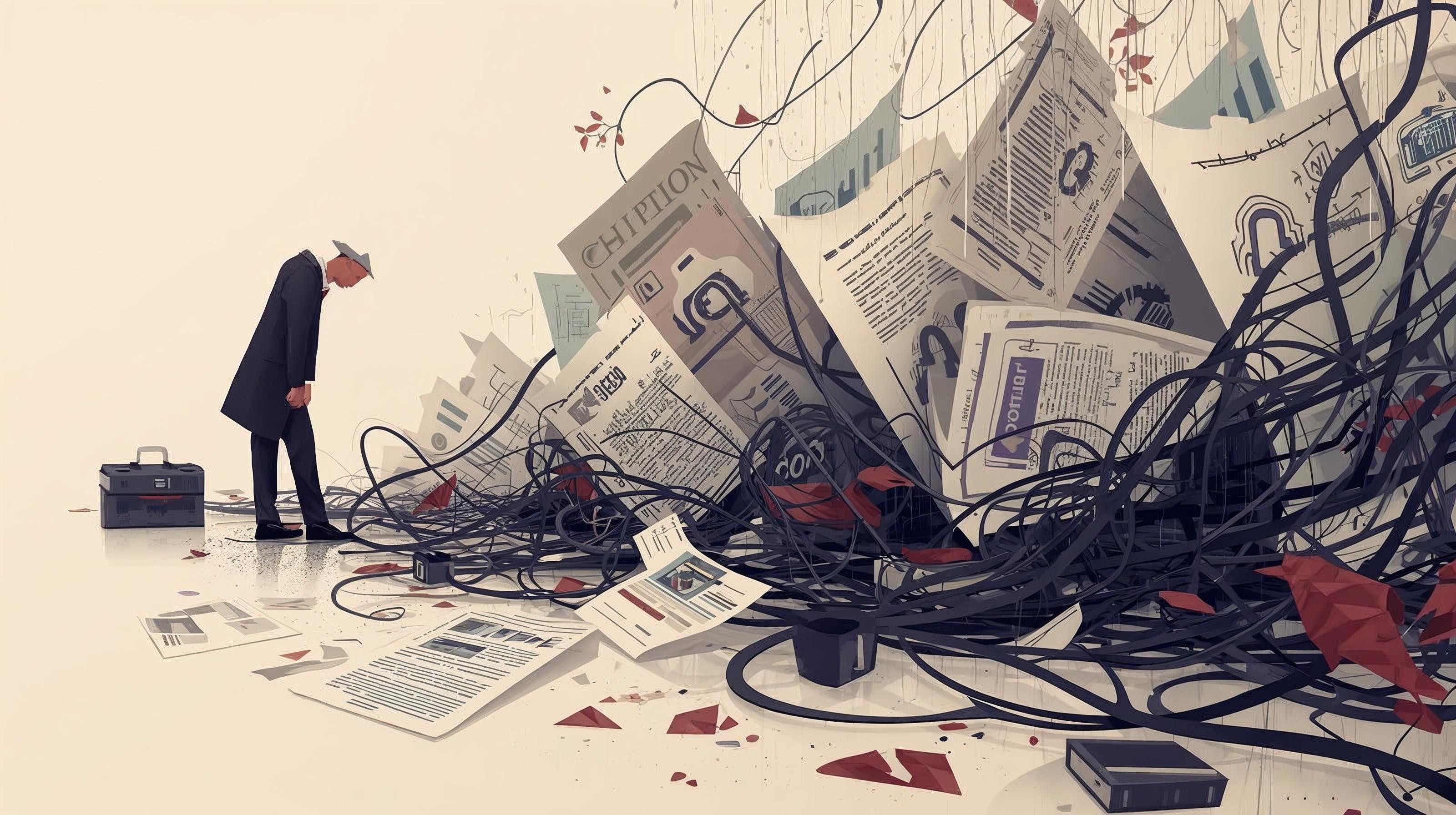
Most service businesses do not suffer from a lack of documentation. Guides are written, procedures are recorded, and files are stored somewhere inside the organization.
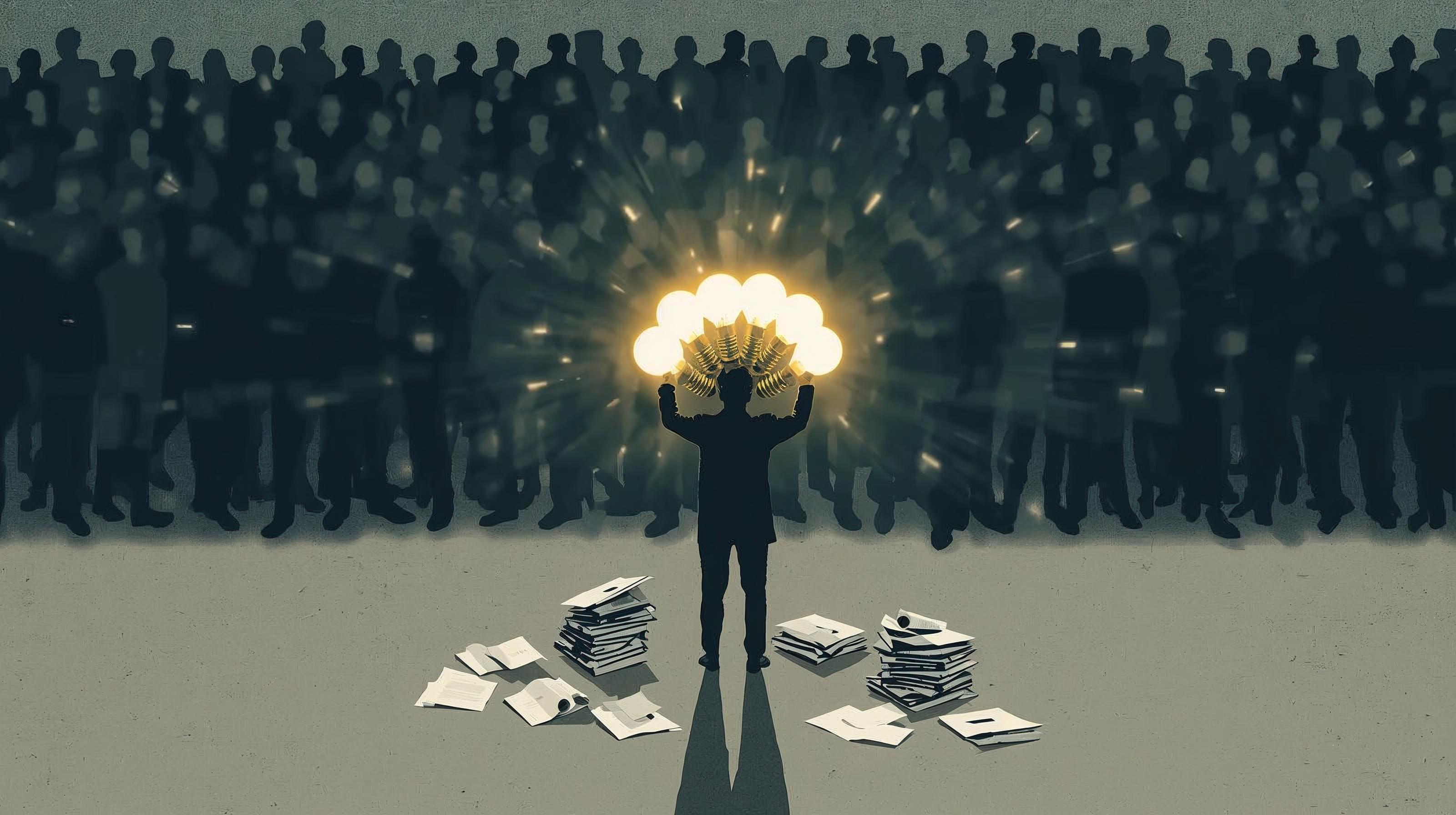
The real problem appears later. Over time, documentation becomes outdated, incomplete, or disconnected from how work is actually done. This gradual decline is known as documentation decay, and its impact is often underestimated.
As documentation decays, teams stop trusting it. When that happens, even well-written knowledge becomes unused.
Documentation Ages Faster Than Processes
Service businesses evolve constantly. Client expectations change, internal workflows adjust, and responsibilities shift.
Documentation, however, often remains static. What was accurate six months ago may no longer reflect daily reality.
When employees follow outdated instructions, mistakes increase and confidence decreases.
Outdated Knowledge Creates Friction
When documentation cannot be trusted, teams rely on memory and informal communication.
People ask colleagues instead of checking written resources. Answers vary depending on who is asked and when.
This inconsistency slows execution and creates unnecessary interruptions.
Over time, experienced employees become bottlenecks. Newer team members struggle to operate independently.
Documentation Without Ownership Fails
One of the main causes of documentation decay is unclear ownership.
When no one is responsible for keeping knowledge updated, everyone assumes someone else will do it. Small inaccuracies accumulate until the documentation becomes unreliable.
Effective documentation requires clear responsibility, not constant rewriting.
Trust Determines Whether Documentation Is Used
Teams only use documentation they trust.
Once trust is lost, even accurate information is ignored. People prefer asking questions or relying on habit rather than consulting written resources.
Rebuilding trust takes time and consistency.
Living Documentation Supports Consistency
Documentation works best when it reflects real work.
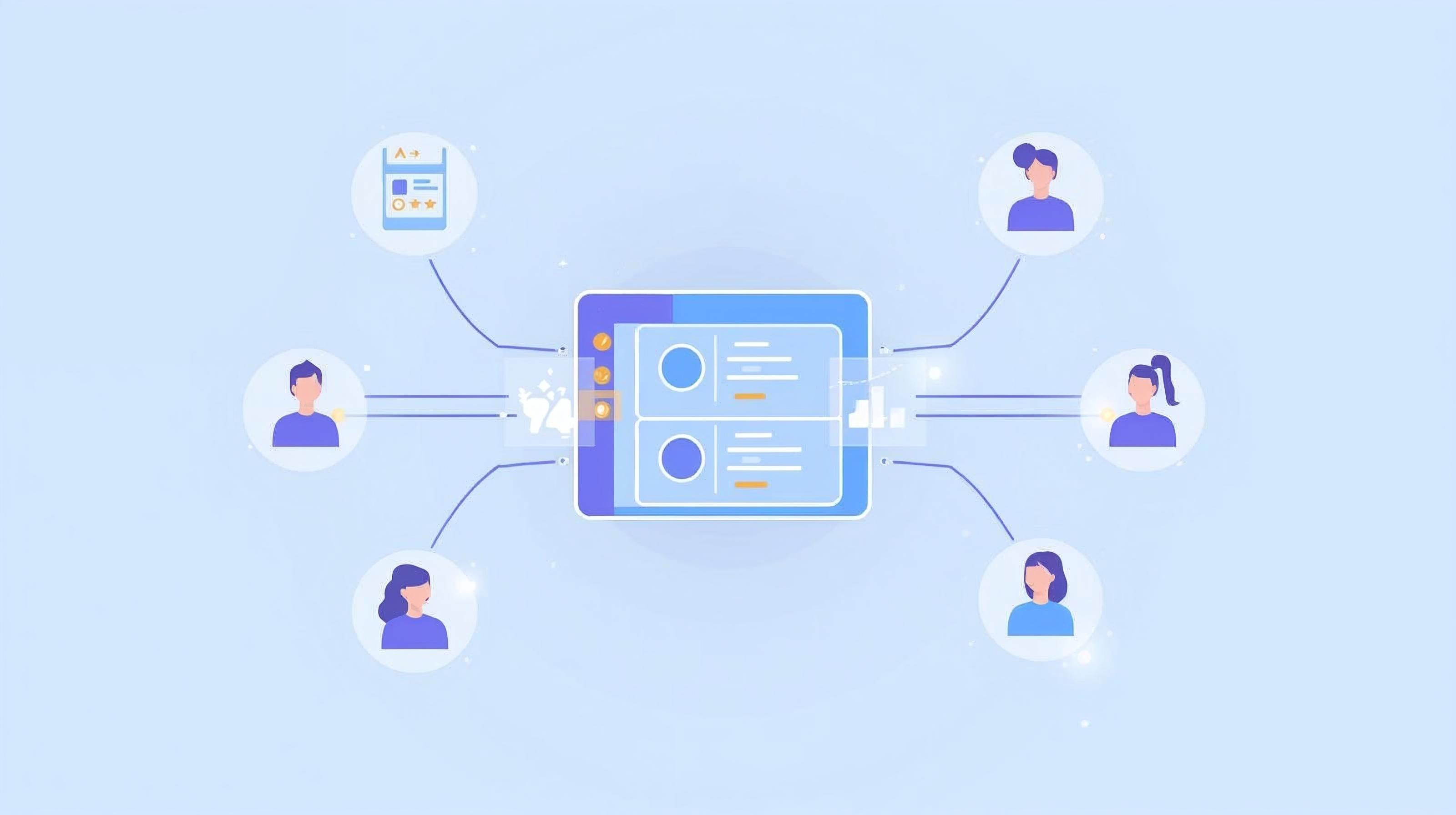
When updates are part of normal operations, knowledge stays relevant. Teams gain confidence that what they read matches what they do.
This consistency improves onboarding, reduces errors, and strengthens collaboration.
Conclusion
Documentation decay is a silent problem. It does not break systems immediately, but it gradually erodes efficiency, consistency, and confidence.
Service businesses that treat documentation as a living asset maintain stronger execution and reduce dependency on individual memory. Keeping knowledge aligned with reality is one of the most effective ways to support sustainable performance.