
تواجه الشركات الصغيرة في عام 2026 منافسة أكبر وتوقعات أعلى من العملاء وتعقيدًا تشغيليًا متزايدًا. لم يعد من المستدام إدارة المبيعات وعلاقات العملاء والحملات التسويقية وسير العمل الداخلي يدويًا.
لهذا السبب أصبح اختيار أفضل نظام CRM للشركات الصغيرة أحد أهم القرارات للشركات النامية.
يقوم نظام CRM الحديث بأكثر من مجرد تخزين جهات الاتصال. تجمع أنظمة اليوم بين الأتمتة والتحليلات والذكاء الاصطناعي لمساعدة الشركات على إبرام المزيد من الصفقات وتحسين علاقات العملاء والعمل بكفاءة أكبر.
في هذا الدليل، سوف نستكشف أفضل حلول CRM للشركات الصغيرة في عام 2026 والميزات الرئيسية التي يجب البحث عنها واعتبارات التسعير وكيف تعمل أتمتة الذكاء الاصطناعي على تغيير منصات CRM.
لماذا تحتاج الشركات الصغيرة إلى نظام CRM
تقوم العديد من الشركات الصغيرة في البداية بإدارة العملاء باستخدام جداول البيانات ورسائل البريد الإلكتروني وتطبيقات المراسلة. على الرغم من أن هذا قد ينجح في البداية، إلا أنه سرعان ما يخلق مشاكل مع نمو الأعمال.
تشمل التحديات الشائعة ما يلي:
- فقدان العملاء المحتملين وضياع المتابعات
- بيانات العملاء غير المنظمة
- صعوبة تتبع مسارات المبيعات
- ضعف التعاون بين الفريق
- عدم وجود رؤية لأداء الإيرادات
يعالج نظام CRM للشركات الصغيرة هذه المشكلات من خلال مركزية معلومات العملاء وأتمتة العمليات الرئيسية.
باستخدام نظام CRM المناسب، يمكن للشركات:
- تتبع العملاء المحتملين والفرص
- أتمتة المتابعات والتذكيرات
- مراقبة أداء المبيعات
- تحسين دعم العملاء
- إدارة الحملات التسويقية
- توليد رؤى تعتمد على البيانات
الميزات الرئيسية لأفضل نظام CRM للشركات الصغيرة
ليست كل منصات CRM متساوية. عند تقييم الخيارات، يجب أن تركز الشركات الصغيرة على الميزات التي تعمل على تحسين الكفاءة دون إضافة تعقيد غير ضروري.
إدارة جهات الاتصال والعملاء
يسمح نظام CRM الجيد للشركات بتخزين وتنظيم جميع معلومات العملاء في مكان واحد. يتضمن ذلك تفاصيل الاتصال وسجل التفاعل والصفقات والفواتير وسجلات الاتصال.
تساعد هذه الرؤية الموحدة الفرق على فهم رحلة كل عميل وتقديم خدمة أفضل.
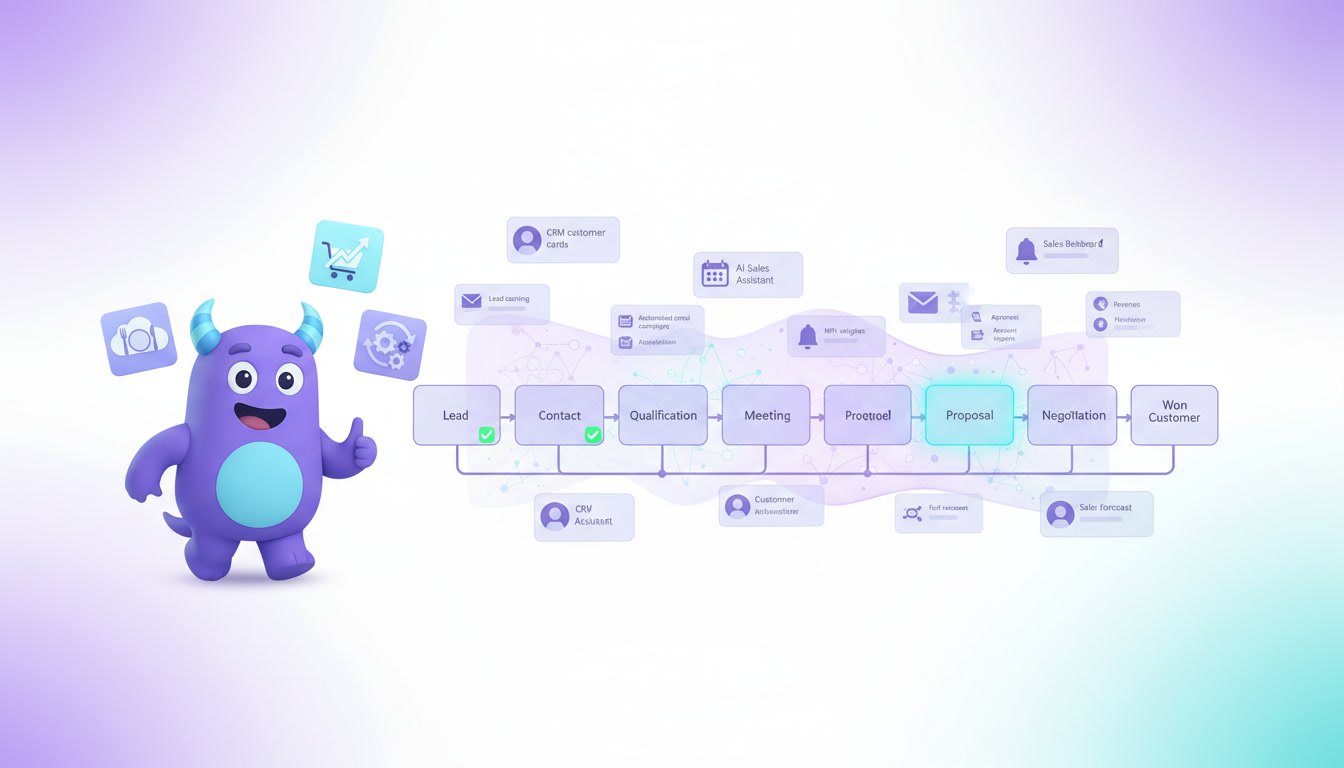
إدارة مسار المبيعات
تسمح أدوات مسار المبيعات للشركات بتتبع الصفقات خلال مراحل مختلفة - من توليد العملاء المحتملين إلى الإغلاق.
تساعد المسارات المرئية الفرق على تحديد ما يلي بسرعة:
- فرص عالية القيمة
- الصفقات التي تتطلب متابعة
- الاختناقات في عملية البيع
هذه الرؤية تجعل التنبؤ بالمبيعات أكثر دقة.
أتمتة سير العمل
الأتمتة هي واحدة من أكثر الميزات قيمة للشركات الصغيرة.
يمكن لأتمتة CRM:
- إرسال رسائل بريد إلكتروني للمتابعة تلقائيًا
- تعيين العملاء المحتملين لأعضاء الفريق
- تحديث مراحل الصفقة بناءً على الإجراءات
- جدولة التذكيرات والإشعارات
تقلل الأتمتة من العمل اليدوي وتضمن عدم تفويت أي فرصة.
المساعدة المدعومة بالذكاء الاصطناعي
أصبح الذكاء الاصطناعي عاملاً رئيسيًا في التمييز بين أنظمة CRM الأساسية والمنصات الحديثة.
يمكن لأنظمة CRM المدعومة بالذكاء الاصطناعي:
- إنشاء التقارير تلقائيًا
- اقتراح إجراءات المبيعات التالية
- تحليل سلوك العملاء
- التنبؤ باحتمالية نجاح الصفقة
- أتمتة المهام الروتينية
يتيح ذلك للفرق الصغيرة العمل بكفاءة أكبر بكثير من المؤسسات الكبيرة.
التقارير والتحليلات
تعتبر القرارات المستندة إلى البيانات ضرورية للنمو.
توفر أفضل أنظمة CRM لوحات معلومات وتقارير توضح:
- اتجاهات الإيرادات
- أداء فريق المبيعات
- معدلات تحويل العملاء المحتملين
- القيمة الدائمة للعميل
تساعد هذه الرؤى الشركات على تحديد ما هو ناجح وأين يلزم إجراء تحسينات.
أفضل خيارات CRM للشركات الصغيرة في عام 2026
HubSpot CRM
يعد HubSpot CRM أحد أكثر المنصات شهرة. يقدم خطة مجانية مع أدوات CRM الأساسية ويتكامل بشكل جيد مع ميزات التسويق وخدمة العملاء.
الإيجابيات
- سهل الاستخدام
- خطة دخول مجانية
- نظام بيئي كبير من التكاملات
السلبيات
- يمكن أن تصبح الميزات المتقدمة باهظة الثمن
- قد يكون التخصيص محدودًا لسير العمل المعقد
Zoho CRM
يُعرف Zoho CRM بقدرته على تحمل التكاليف ومجموعة واسعة من الميزات المناسبة للشركات النامية.
الإيجابيات
- أسعار تنافسية
- قدرات أتمتة قوية
- التكامل مع نظام Zoho البيئي
السلبيات
- قد تبدو الواجهة معقدة للمبتدئين
Salesforce
Salesforce هو أحد أقوى أنظمة CRM في السوق.
الإيجابيات
- مرن وقابل للتخصيص للغاية
- سوق كبير من التكاملات
- تحليلات وأتمتة متقدمة
السلبيات
- باهظ الثمن بالنسبة للشركات الصغيرة
- يتطلب وقتًا وخبرة لتنفيذه
Lua CRM
تركز المنصات الحديثة مثل Lua CRM تحديدًا على الأتمتة والمرونة للشركات القائمة على الخدمات.
بدلاً من إجبار الشركات على التكيف مع الأنظمة الجامدة، يسمح Lua CRM للشركات بتخصيص سير العمل والعمليات والوحدات النمطية بناءً على احتياجاتها الخاصة.
باستخدام أتمتة الذكاء الاصطناعي المتكاملة، يمكن للفرق وصف التغييرات التي يريدونها بلغة طبيعية، ويمكن للنظام التكيف بسرعة - مما يقلل من وقت التطوير والتعقيد.
تسعير CRM للشركات الصغيرة
تختلف الأسعار اختلافًا كبيرًا اعتمادًا على الميزات وعدد المستخدمين.
تشمل نماذج تسعير CRM النموذجية ما يلي:
- خطط مجانية مع ميزات محدودة
- اشتراكات شهرية لكل مستخدم (10 دولارات - 100 دولار لكل مستخدم)
- خطط المؤسسات مع الأتمتة والتكاملات المتقدمة
يجب على الشركات الصغيرة تقييم ليس فقط السعر الشهري ولكن أيضًا التكلفة الإجمالية للملكية، بما في ذلك وقت التنفيذ وتكاليف التدريب ومتطلبات التكامل وقابلية التوسع للنمو المستقبلي.
كيف يغير الذكاء الاصطناعي أنظمة CRM
رؤى المبيعات التنبؤية
يمكن للذكاء الاصطناعي تحليل البيانات التاريخية للتنبؤ بالعملاء المحتملين الذين من المرجح أن يتحولوا إلى عملاء فعليين.
يتيح ذلك لفرق المبيعات التركيز على الفرص الأكثر قيمة.
الأتمتة الذكية
بدلاً من تكوين سير عمل معقد يدويًا، يمكن للذكاء الاصطناعي إنشاء قواعد الأتمتة تلقائيًا.
على سبيل المثال، يمكن للذكاء الاصطناعي اقتراح:
- متى يجب المتابعة مع العملاء المحتملين
- الصفقات التي تحتاج إلى اهتمام
- العملاء المعرضون لخطر التوقف عن التعامل
تخصيص اللغة الطبيعية
تسمح بعض أنظمة CRM الحديثة للشركات بوصف التغييرات باستخدام اللغة الطبيعية.
على سبيل المثال:
أنشئ مسار مبيعات جديدًا لعملاء المؤسسات وأضف مرحلة موافقة.
يمكن للنظام إنشاء التكوين المطلوب تلقائيًا.
أفكار أخيرة
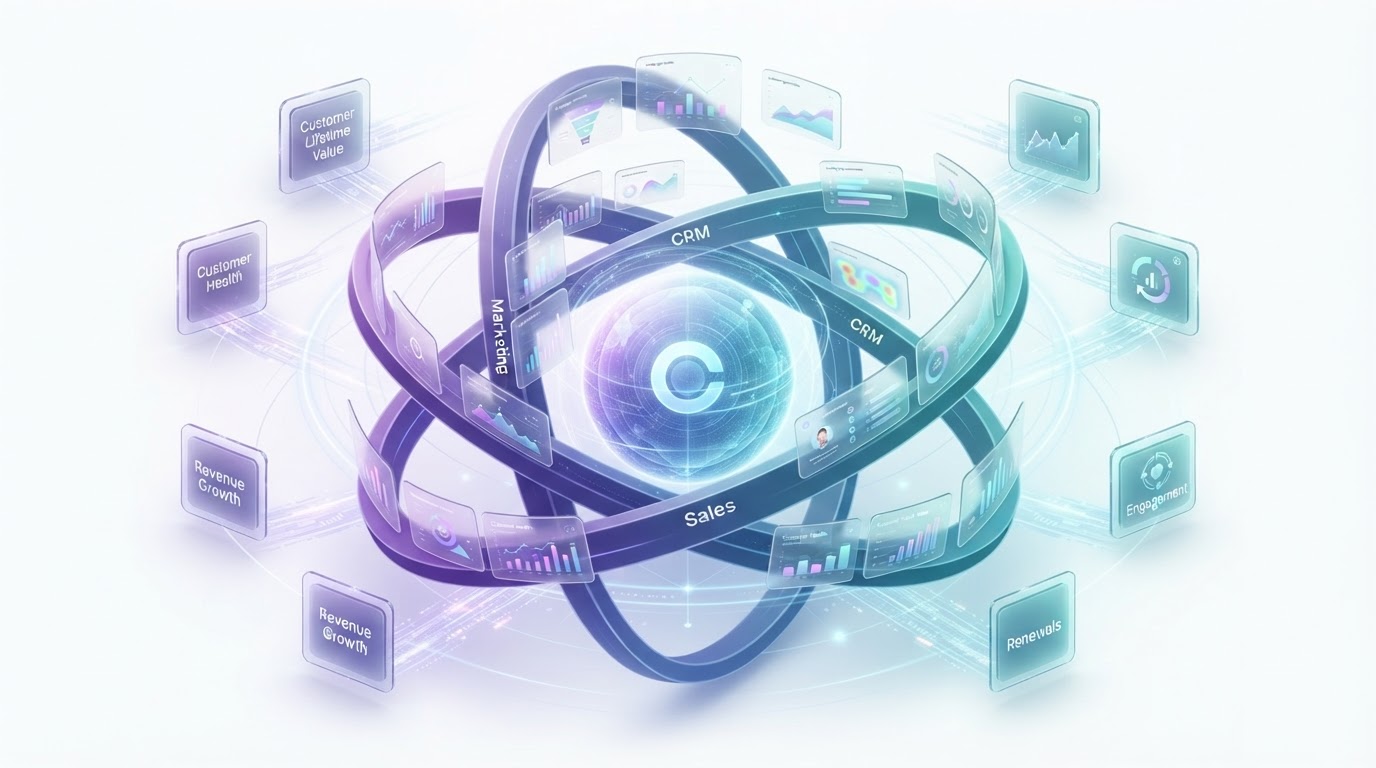
إن اختيار أفضل نظام CRM للشركات الصغيرة في عام 2026 هو أكثر من مجرد إدارة جهات الاتصال. تصبح المنصة المناسبة هي النظام المركزي الذي يربط المبيعات والتسويق ودعم العملاء والعمليات.
باستخدام تقنيات مثل أتمتة الذكاء الاصطناعي وتخصيص سير العمل والتحليلات التنبؤية، أصبحت أنظمة CRM محركات نمو قوية للشركات الصغيرة.
تحقق الشركات التي تتبنى نظام CRM المناسب في وقت مبكر ميزة كبيرة - تحسين الكفاءة ورضا العملاء والربحية على المدى الطويل.
.jpg)
.jpg)