إن كسب عميل جديد ليس سوى بداية لعلاقة تجارية ناجحة. وبينما تستثمر العديد من الشركات بكثافة في الحملات التسويقية وجذب العملاء المحتملين، فإن النمو على المدى الطويل يعتمد على شيء أكبر بكثير من مجرد جذب عملاء محتملين جدد. تركز الشركات المستدامة على إدارة دورة حياة العميل بأكملها — من التفاعل الأول إلى الولاء والدعم على المدى الطويل.
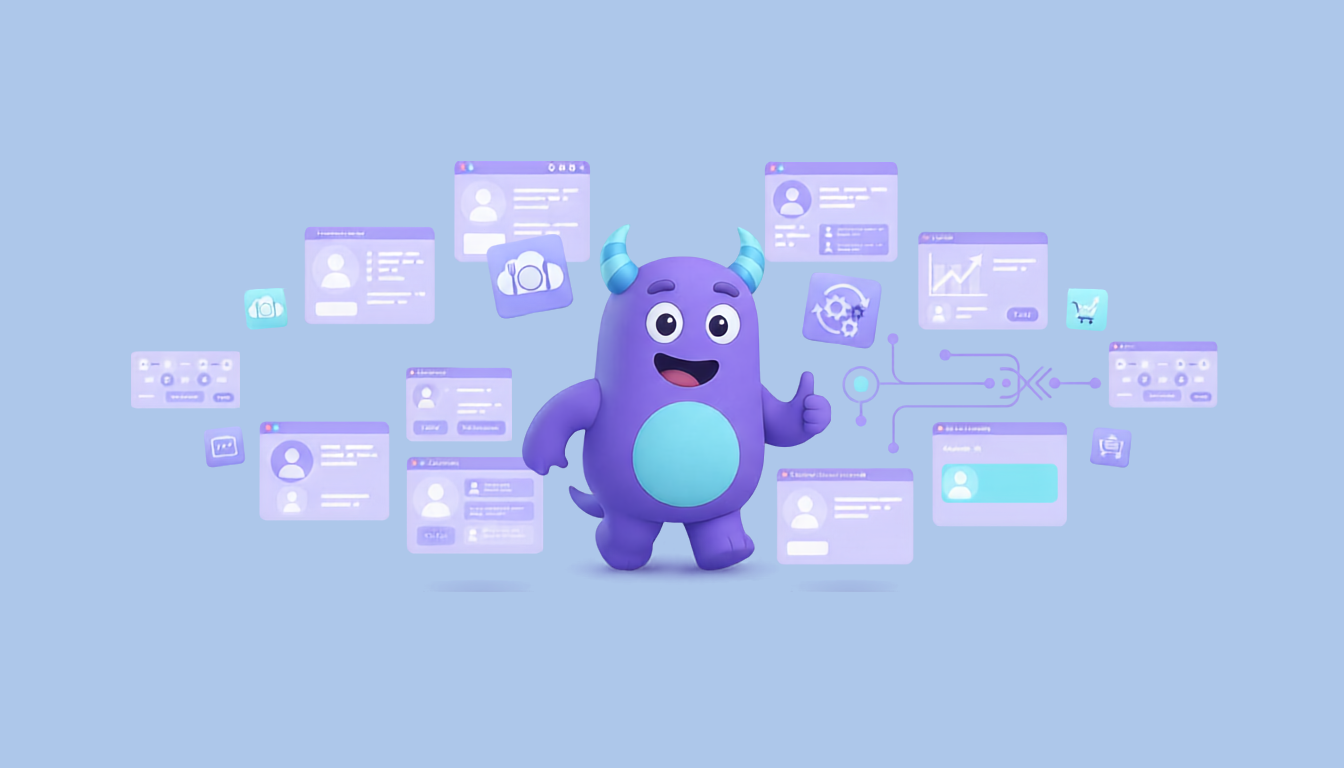
يتفاعل عملاء اليوم مع الشركات من خلال قنوات متعددة. فهم يزورون المواقع الإلكترونية، ويقومون بتنزيل الموارد، ويطلبون العروض التوضيحية، ويرسلون رسائل البريد الإلكتروني، ويجرون المكالمات الهاتفية، ويقارنون بين المنافسين، ويطرحون الأسئلة، ويشترون المنتجات، ويطلبون الدعم، ويتركون التقييمات، ويوصون بالشركات للآخرين. وكل تفاعل يؤثر على تصور العميل للشركة.
إن المؤسسات التي تفهم هذه التفاعلات وتديرها باستمرار تخلق تجارب عملاء أفضل، وعلاقات أقوى، ومعدلات استبقاء أعلى، وقيمة أكبر لمدى حياة العميل.
هذا هو الهدف من إدارة دورة حياة العميل (CLM).
تساعد إدارة دورة حياة العميل الشركات على فهم كل مرحلة من مراحل العلاقة مع العميل، وتحديد فرص التحسين، وأتمتة الاتصالات، وتخصيص التجارب، وبناء ولاء العملاء على المدى الطويل بدلاً من التركيز فقط على المبيعات الفردية.
لقد حوّلت منصات CRM الحديثة، وأتمتة سير العمل، وذكاء الأعمال، والذكاء الاصطناعي إدارة دورة حياة العميل من مجرد مفهوم تسويقي بسيط إلى واحدة من أهم استراتيجيات الأعمال للنمو المستدام.
ما هي إدارة دورة حياة العميل؟
إدارة دورة حياة العميل (CLM) هي عملية إدارة كل تفاعل بين الشركة وعملائها طوال فترة العلاقة بأكملها.
بدلاً من التركيز فقط على كسب عملاء جدد، تأخذ إدارة دورة الحياة في الاعتبار الرحلة الكاملة بدءاً من الوعي الأول بالشركة مروراً بجذب العملاء المحتملين، وتأهيلهم، والشراء، والتهيئة والتدريب، والتفاعل المستمر، والاستبقاء، ووصولاً في النهاية إلى دعم العميل وتوصيته بالشركة.
تقدم كل مرحلة أهدافاً تجارية مختلفة وتوقعات مختلفة من العملاء.
قد يكون الزائر الجديد يبحث ببساطة عن الحلول المتاحة، بينما قد يحتاج العميل الحالي إلى الدعم، أو خدمات إضافية، أو ترقيات للمنتج.
إن فهم هذه الاختلافات يتيح للشركات تقديم الاتصالات والخدمات والتجارب المناسبة في الوقت المناسب.
بدلاً من معاملة كل عميل بالطريقة نفسها، تساعد إدارة دورة الحياة المؤسسات على بناء علاقات مخصصة وقائمة على البيانات تزيد من الرضا والقيمة على المدى الطويل.
لماذا تكتسب إدارة دورة حياة العميل أهمية بالغة؟
تستثمر العديد من الشركات موارد كبيرة في جذب عملاء جدد، لكنها تقضي وقتاً قليلاً نسبياً في إدارة العلاقات بعد عملية البيع الأولى.
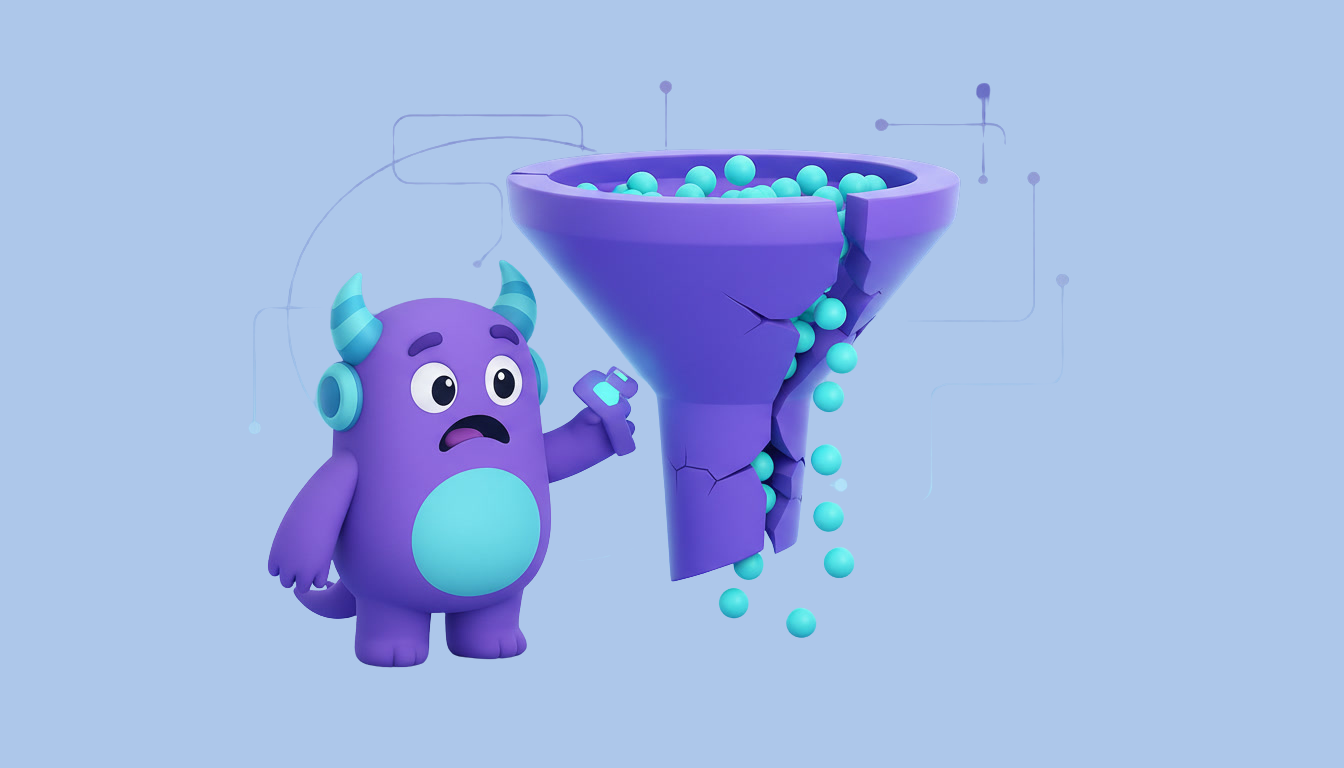
غالباً ما يتسبب هذا النهج في خسارة غير ضرورية للعملاء.
قد يغادر العملاء ليس لأنهم لا يحبون المنتج أو الخدمة، ولكن لأن التواصل يصبح غير متسق، أو لأن عملية التهيئة والتدريب ضعيفة، أو لأن المتابعات تُنسى، أو لأن احتياجات العملاء لم تعد مفهومة.
تحل إدارة دورة حياة العميل هذه المشكلة من خلال إنشاء عمليات منظمة لكل مرحلة من مراحل العلاقة.
يمكن للشركات فهم سلوك العملاء، وتوقع الاحتياجات، وتقديم اتصالات في الوقت المناسب، وأتمتة التفاعلات المتكررة، وتحسين تجارب العملاء باستمرار.
غالباً ما تحقق المؤسسات التي تدير دورة حياة العميل بفعالية معدلات استبقاء أعلى للعملاء، وولاءً أقوى للعملاء، وزيادة في القيمة مدى الحياة، ونمواً في الإيرادات يمكن التنبؤ به بشكل أكبر.
المراحل الست لدورة حياة العميل
على الرغم من أن كل مؤسسة لديها عمليات تجارية فريدة، إلا أن معظم علاقات العملاء تمر بست مراحل أساسية في دورة الحياة.
1. الوعي
تبدأ دورة الحياة قبل أن يتصل العميل بالشركة.
يتعرف العملاء المحتملون أولاً على الشركة من خلال محركات البحث، أو وسائل التواصل الاجتماعي، أو الإحالات، أو الإعلانات، أو الفعاليات، أو المحتوى عبر الإنترنت، أو التوصيات.
خلال هذه المرحلة، يكون الهدف هو الظهور والتثقيف.
يجب على الشركات تقديم محتوى قيم يساعد العملاء المحتملين على فهم مشكلاتهم والحلول المتاحة.
2. كسب العملاء
بمجرد أن يبدي العميل المحتمل اهتماماً، تدخل العلاقة في مرحلة الكسب.
قد يقوم الزائر بملء نموذج اتصال، أو طلب تسعير، أو تحديد موعد لعرض توضيحي، أو الاشتراك في نشرة إخبارية، أو الاتصال بفريق المبيعات.
تركز هذه المرحلة على جمع معلومات العميل وبدء تواصل هادف.
تزيد أوقات الاستجابة السريعة والتواصل المهني بشكل كبير من احتمالية التحويل الناجح.
3. التحويل
يحدث التحويل عندما يتحول العميل المحتمل المؤهل إلى عميل يدفع مقابل الخدمة أو المنتج.
خلال هذه المرحلة، تجيب فرق المبيعات على الأسئلة، وتقدم عروضاً توضيحية، وتتفاوض على الأسعار، وتعد المقترحات، وتعالج مخاوف العملاء.
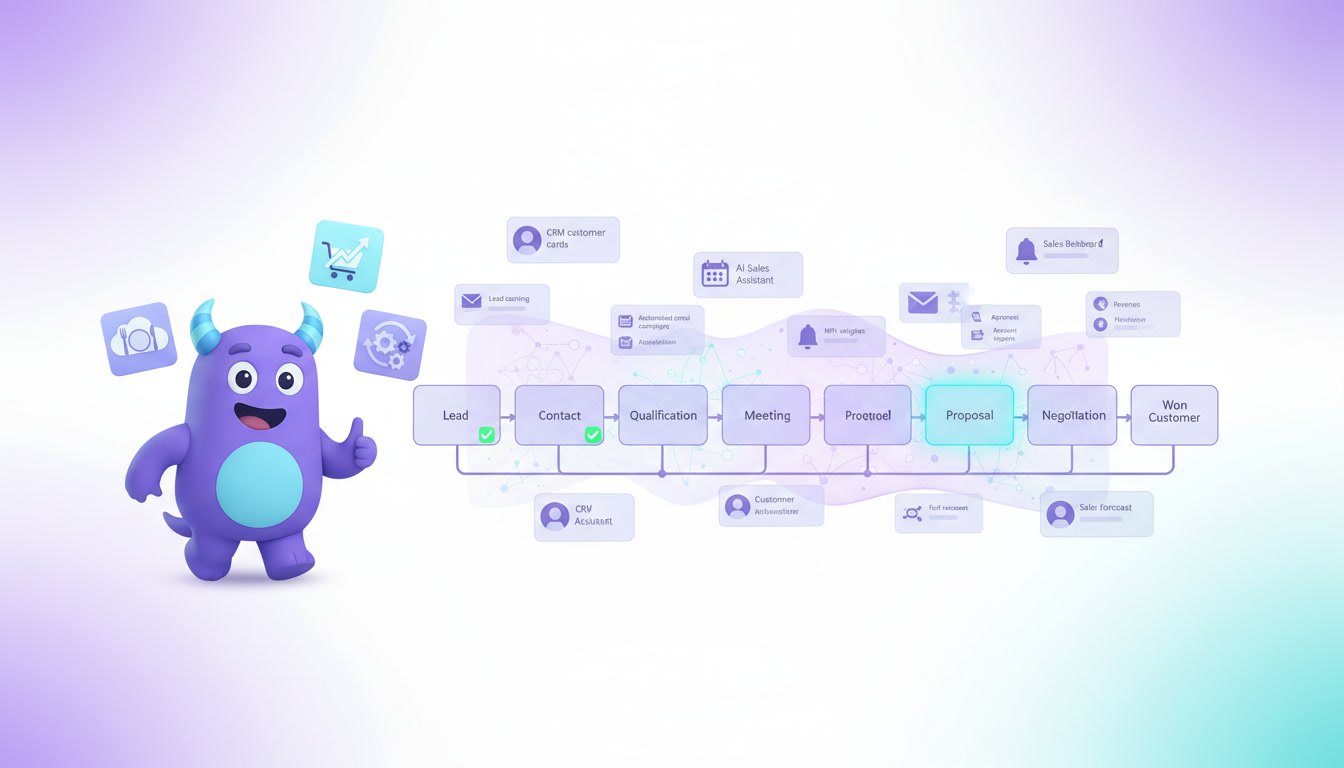
يضمن خط أنابيب المبيعات المنظم انتقال الفرص بكفاءة نحو نتائج ناجحة.
اقرأ المزيد في دليل إدارة خط أنابيب المبيعات.
4. التهيئة والتدريب
تقلل العديد من الشركات من أهمية تهيئة وتدريب العملاء الجدد.
غالباً ما تحدد التجربة الأولى بعد الشراء ما إذا كان العملاء سيظلون متفاعلين على المدى الطويل.
تساعد التهيئة الفعالة العملاء على فهم كيفية استخدام المنتجات أو الخدمات بنجاح.
يؤدي التواصل الواضح، والتدريب، ودعم التنفيذ، والمساعدة الاستباقية إلى تقليل الإحباط مع زيادة رضا العملاء.
5. الاستبقاء
غالباً ما يكون استبقاء العملاء الحاليين أكثر فعالية من حيث التكلفة بكثير من كسب عملاء جدد.
يركز استبقاء العملاء على الحفاظ على علاقات قوية من خلال التواصل المتسق، والدعم الممتاز، والتفاعل الاستباقي، وتقديم القيمة المستمرة.
غالباً ما تحقق المؤسسات التي تدير علاقات العملاء بنشاط قيمة أعلى بكثير لمدى حياة العميل مقارنة بالشركات التي تركز فقط على كسب العملاء.
6. الولاء والدعم
تحول المرحلة الأخيرة من دورة الحياة العملاء الراضين إلى داعمين أوفياء.
يقوم هؤلاء العملاء بالشراء بشكل متكرر، ويوصون بالشركة للآخرين، ويقدمون شهادات، ويكتبون تقييمات إيجابية، ويصبحون مصادر قيمة للإحالات.
يخلق دعم العملاء نمواً مستداماً لأن التوصيات من العملاء الحاليين غالباً ما تولد عملاء محتملين بجودة أعلى من الإعلانات التقليدية.
دورة حياة العميل مقابل رحلة العميل
على الرغم من استخدام المصطلحين بالتبادل في كثير من الأحيان، إلا أن دورة حياة العميل ورحلة العميل تصفان مفهومين مختلفين.
تمثل دورة حياة العميل العلاقة طويلة الأمد بين العميل والشركة.
تركز رحلة العميل على التفاعلات والتجارب الفردية طوال تلك العلاقة.
على سبيل المثال، يمثل شراء منتج رحلة واحدة، بينما تمثل العلاقة بأكملها — من الوعي إلى الولاء — دورة حياة العميل.
يجب على الشركات فهم كلا المفهومين لأن تحسين رحلات العملاء الفردية يساهم في إدارة أقوى لدورة الحياة.
كيف يدعم نظام CRM إدارة دورة حياة العميل
توفر برمجيات إدارة علاقات العملاء (CRM) الأساس التكنولوجي لإدارة فعالة لدورة الحياة.
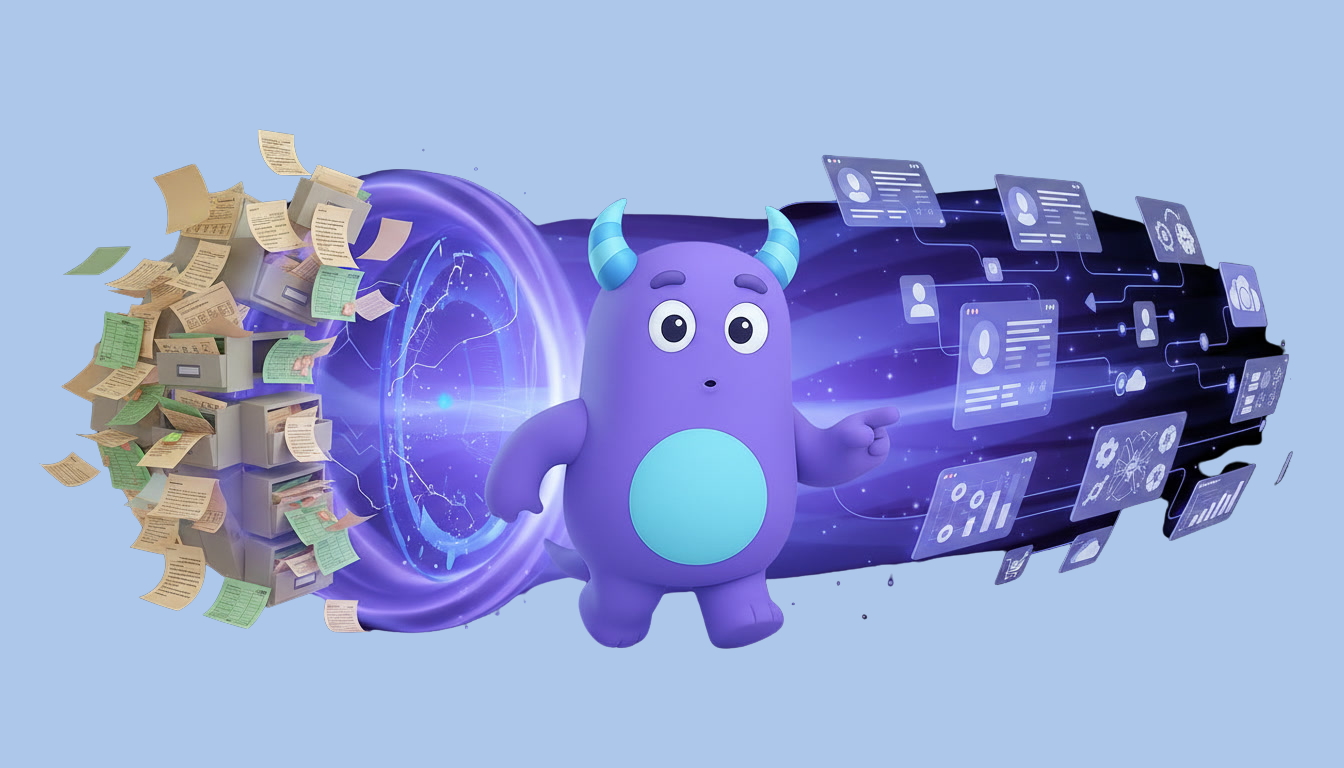
بدلاً من تخزين معلومات العملاء في جداول البيانات، وصناديق البريد الإلكتروني، وتطبيقات المراسلة، وملاحظات الموظفين، تقوم أنظمة CRM بتركيز جميع تفاعلات العملاء داخل منصة واحدة.
يمكن لممثلي المبيعات عرض المحادثات السابقة، والمقترحات، والمشتريات، وطلبات الدعم، وسجل الاتصالات، والأنشطة القادمة.
يكتسب المديرون رؤية كاملة لكل علاقة مع العملاء.
تربط أنظمة CRM أيضاً إدارة دورة الحياة بخطوط أنابيب المبيعات، وأتمتة سير العمل، والتقارير، وخدمة العملاء، والأنشطة التسويقية.
تعرف على المزيد في دليل CRM.
أتمتة دورة حياة العميل
تلعب الأتمتة دوراً متزايد الأهمية طوال دورة حياة العميل.
بدلاً من الاعتماد على التذكيرات اليدوية، يمكن للشركات أتمتة رسائل البريد الإلكتروني الترحيبية، وسلاسل التهيئة، وتذكيرات المتابعة، وإشعارات التجديد، واستطلاعات رضا العملاء، وتصعيد الدعم، وحملات تفاعل العملاء.
تحسن الأتمتة الاتساق مع تقليل عبء العمل الإداري.
يقضي الموظفون وقتاً أقل في إدارة المهام المتكررة ووقتاً أطول في بناء علاقات هادفة مع العملاء.
استكشف دليل أتمتة CRM.
الذكاء الاصطناعي وإدارة دورة حياة العميل
يغير الذكاء الاصطناعي كيفية فهم الشركات لعلاقات العملاء.
يمكن لأنظمة الذكاء الاصطناعي الحديثة تحليل سلوك العملاء، والتنبؤ بأنماط الشراء، وتحديد العملاء المعرضين لخطر المغادرة، والتوصية باتصالات مخصصة، وتحديد أولويات الفرص، وتوليد رؤى تجارية قيمة.
بدلاً من مجرد الاستجابة لسلوك العملاء، يمكن للمؤسسات تحسين تجارب العملاء بشكل استباقي من خلال التحليلات التنبؤية والأتمتة الذكية.
تكتسب الشركات التي تستخدم منصات CRM المدعومة بالذكاء الاصطناعي رؤية أعمق لعلاقات العملاء مع تحسين الكفاءة التشغيلية.
تعرف على المزيد في دليل الذكاء الاصطناعي في CRM.
مقاييس دورة حياة العميل التي يجب على كل شركة قياسها
تتطلب الإدارة الناجحة لدورة الحياة قياساً مستمراً.
يجب على الشركات مراقبة تكلفة كسب العميل، والقيمة مدى الحياة للعميل (CLV)، ومعدل استبقاء العملاء، ومعدل خسارة العملاء، ومعدل تكرار الشراء، ومتوسط وقت الاستجابة، ورضا العملاء، وصافي نقاط الترويج (NPS)، ومعدلات التحويل، ومستويات التفاعل.
تساعد هذه المقاييس المؤسسات على تحديد نقاط القوة والضعف وفرص التحسين طوال فترة العلاقة مع العميل.
أخطاء شائعة في إدارة دورة حياة العميل
تركز العديد من الشركات حصرياً على كسب عملاء جدد مع إهمال العلاقات الحالية.
وتقدم شركات أخرى تجارب مبيعات ممتازة ولكن تهيئة وتدريب ضعيفين.
تجمع بعض الشركات بيانات قيمة عن العملاء ولكنها لا تستخدمها أبداً لتخصيص الاتصالات.
هناك خطأ شائع آخر وهو معاملة كل عميل بشكل متطابق بغض النظر عن سجل الشراء، أو مستوى التفاعل، أو احتياجات العمل.
بدون إدارة منظمة لدورة الحياة، تصبح تجارب العملاء غير متسقة وتضيع فرص النمو على المدى الطويل.
إدارة دورة حياة العميل للشركات الصغيرة
تعتبر إدارة دورة حياة العميل ذات قيمة متساوية للشركات الصغيرة.
غالباً ما تعمل المؤسسات الأصغر حجماً بموارد محدودة، مما يجعل استبقاء العملاء أمراً مهماً بشكل خاص.
يتيح بناء علاقات طويلة الأمد للشركات الصغيرة تحقيق إيرادات متكررة، وتقليل تكاليف التسويق، والنمو من خلال الإحالات.
تجعل منصات CRM الحديثة إدارة دورة الحياة في متناول الفرق الصغيرة أيضاً من خلال دمج إدارة العملاء، والمبيعات، والأتمتة، والتقارير، والذكاء الاصطناعي في بيئة مركزية واحدة.
كيف يساعد Lua CRM في إدارة دورة حياة العميل بأكملها
يساعد Lua CRM الشركات على إدارة كل مرحلة من مراحل دورة حياة العميل من خلال منصة ذكية واحدة.
يمكن للمؤسسات جذب العملاء المحتملين، وإدارة علاقات العملاء، وأتمتة سير العمل، ومراقبة خطوط أنابيب المبيعات، وتتبع الاتصالات، وإنشاء التقارير، وتحليل سلوك العملاء دون التنقل بين أنظمة متعددة.
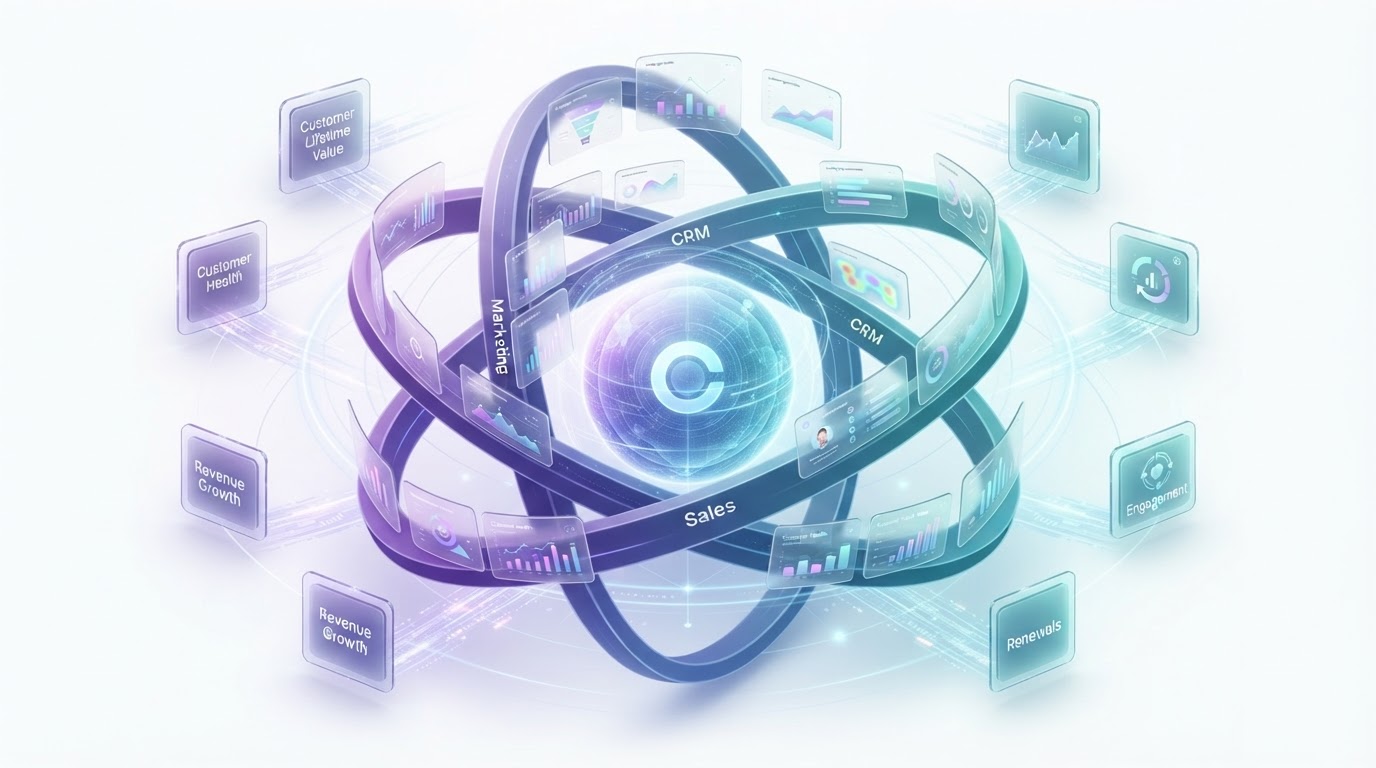
نظراً لأن نظام CRM، والأتمتة، والتقارير، والذكاء الاصطناعي، وإدارة العملاء، وعمليات الأعمال كلها متصلة، فإن الشركات تحافظ على رؤية كاملة طوال دورة حياة العميل بأكملها.
بدلاً من إدارة تفاعلات العملاء المعزولة، يساعد Lua CRM المؤسسات على بناء علاقات طويلة الأمد تدفع نمو الأعمال المستدام.
الأسئلة الشائعة
ما هي إدارة دورة حياة العميل؟
إدارة دورة حياة العميل هي عملية إدارة علاقات العملاء من التفاعل الأول مروراً بالكسب، والتحويل، والاستبقاء، والولاء، والدعم.
لماذا تعتبر إدارة دورة حياة العميل مهمة؟
إنها تحسن رضا العملاء، وتزيد من الاستبقاء، وتعزز الولاء، وتساعد الشركات على تحقيق أقصى قيمة لمدى حياة العميل.
كيف يدعم نظام CRM إدارة دورة حياة العميل؟
تقوم أنظمة CRM بتركيز معلومات العملاء، وأتمتة سير العمل، وتتبع الاتصالات، وإدارة أنشطة المبيعات، وتوفير رؤية كاملة طوال فترة العلاقة مع العميل.
هل يمكن أتمتة إدارة دورة حياة العميل؟
نعم. يمكن للشركات أتمتة التهيئة، والمتابعات، واتصالات العملاء، والتجديدات، والتذكيرات، وسير عمل الدعم، وحملات تفاعل العملاء باستخدام نظام CRM وأتمتة سير العمل.
أفكار ختامية
لا تنتهي علاقات العملاء بعد عملية البيع — بل تتطور بمرور الوقت.
الشركات التي تفهم كل مرحلة من مراحل دورة حياة العميل تبني علاقات أقوى، وتقدم تجارب أفضل، وتحقق نمواً طويل الأجل يمكن التنبؤ به بشكل أكبر.
تربط إدارة دورة حياة العميل بين التسويق، والمبيعات، وخدمة العملاء، والأتمتة، والذكاء الاصطناعي في استراتيجية موحدة واحدة تركز على نجاح العميل على المدى الطويل.
إن المؤسسات التي تستثمر في إدارة دورة الحياة لا تكتسب المزيد من العملاء فحسب — بل تحافظ عليهم، وتنمو معهم، وتحول العملاء الراضين إلى داعمين أوفياء يدفعون نمو الأعمال في المستقبل.
.jpg)
.jpg)