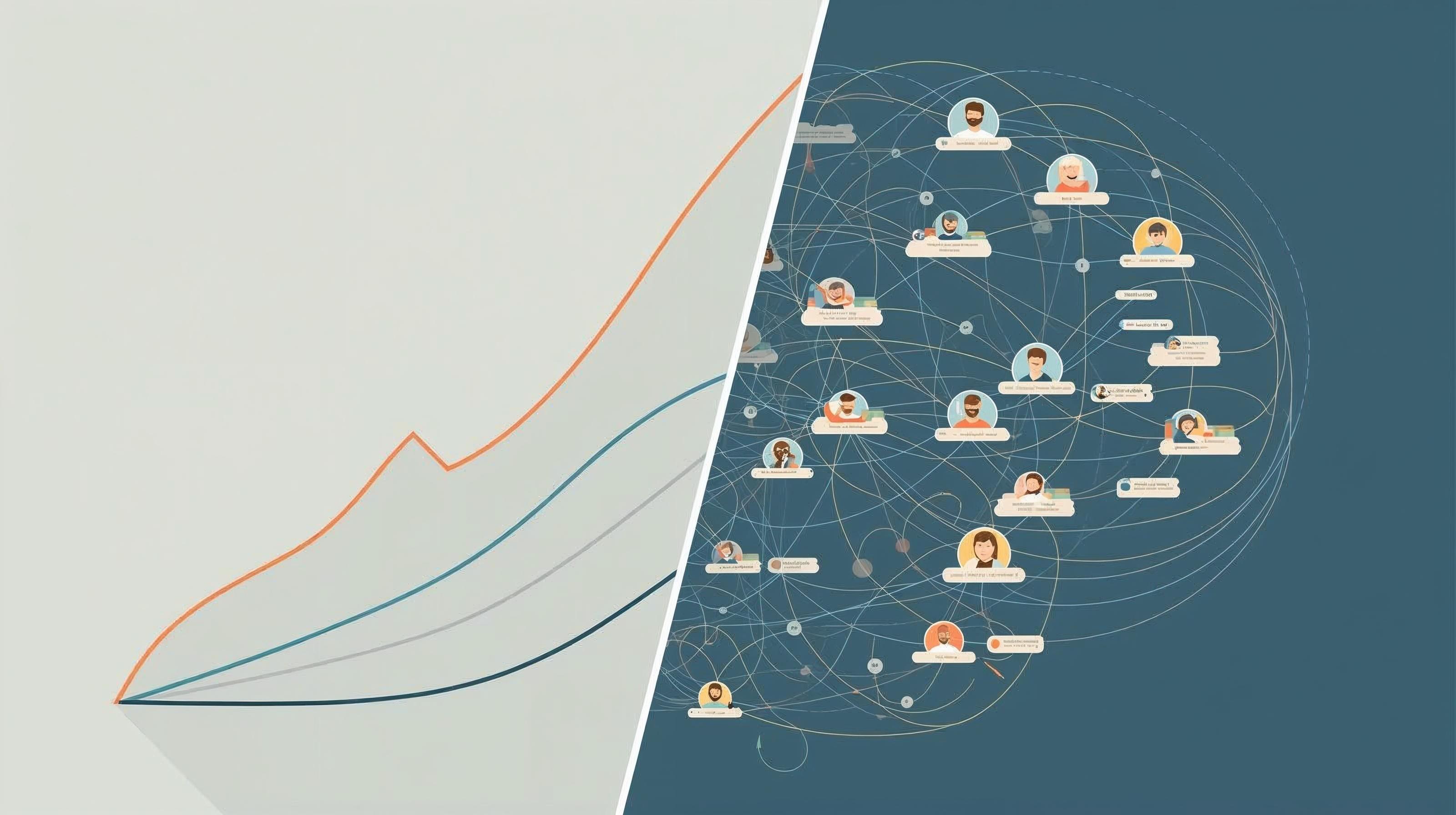
تتبنى العديد من منظمات الخدمات أنظمة إدارة علاقات العملاء (CRM) توقعاً منها أنها ستحسن من وضوح رؤية المبيعات، وعلاقات العملاء، والتنسيق الداخلي. في البداية، قد تبدو هذه الأدوات مفيدة، خاصة لتتبع العملاء المحتملين وإدارة جهات الاتصال. ولكن مع مرور الوقت، تكتشف العديد من الفرق أن نظام CRM الخاص بها لا يدعم الطريقة التي يتم بها العمل الخدمي فعلياً.
التحدي لا يكمن في أن برامج CRM غير ضرورية، بل في أن معظم أنظمة CRM التقليدية صُممت للشركات التي تعتمد على المبيعات. تعمل منظمات الخدمات بشكل مختلف، حيث تعتمد على العلاقات المستمرة، وتسليم المشاريع، وتنسيق الفرق، والتفاعل مع العملاء على المدى الطويل. عندما لا يعكس نظام CRM هذه الحقائق، سرعان ما تظهر حدوده.
إن فهم هذه الحدود يساعد في تفسير سبب معاناة العديد من فرق الخدمات في تبني أنظمة CRM وما الذي يحتاجونه حقاً من نظام حديث.
التصميم المرتكز على المبيعات يخلق فجوات تشغيلية
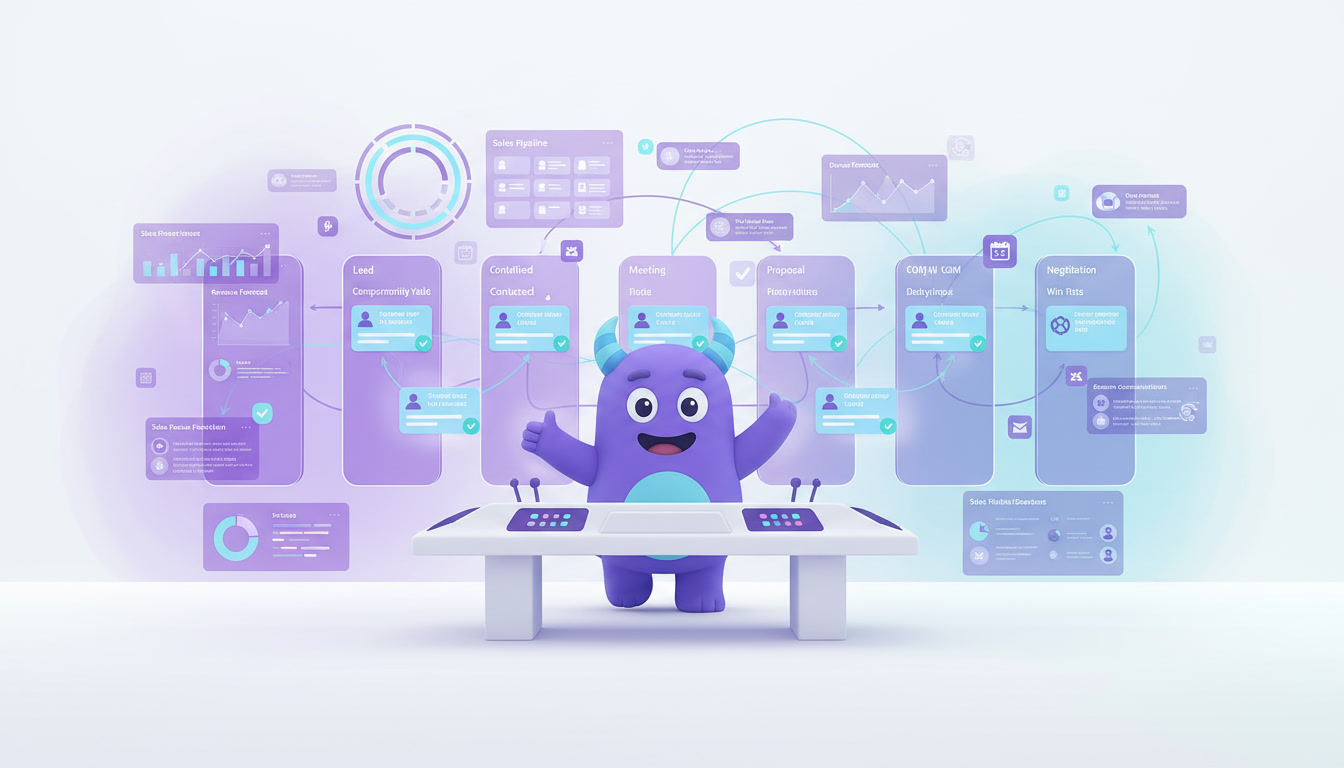
تركز منصات CRM التقليدية بشكل كبير على مسار المبيعات. هدفها الأساسي هو تحويل العميل المحتمل من أول تواصل إلى صفقة مغلقة. وبمجرد إتمام الصفقة، غالباً ما يصبح نظام CRM أقل أهمية.
بالنسبة لمنظمات الخدمات، هنا يبدأ العمل الحقيقي. يجب تسليم المشاريع، وتنسيق المهام، وتخصيص الموارد، وإصدار الفواتير، والحفاظ على التواصل. عندما لا تكون هذه الأنشطة مدعومة داخل نظام CRM، تضطر الفرق إلى الاعتماد على أدوات منفصلة. يؤدي هذا الانفصال إلى سير عمل مجزأ ومعلومات غير متسقة.
نتيجة لذلك، تتباعد وعود المبيعات عن الواقع التشغيلي. وتكافح الفرق للحفاظ على التوافق، ويواجه العملاء تأخيرات أو ارتباكاً.
التجزئة بين الفرق والأدوات
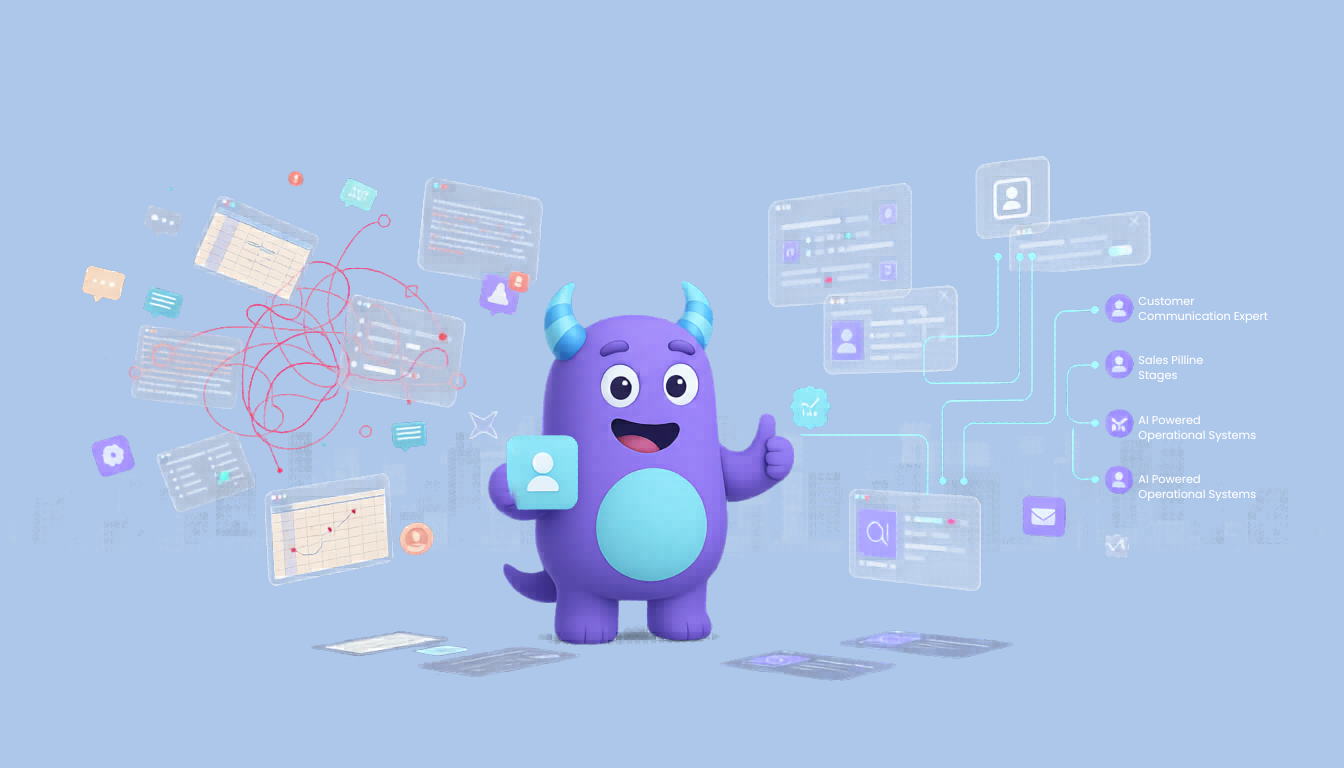
من القيود الرئيسية الأخرى لأنظمة CRM التقليدية هو انعزالها عن وظائف العمل الأساسية الأخرى. غالباً ما تعمل أقسام المبيعات والعمليات والمالية والدعم في منصات مختلفة. يتم نسخ المعلومات يدوياً أو مشاركتها بشكل غير رسمي، مما يزيد من خطر الأخطاء والبيانات القديمة.
عندما تكون الأنظمة منفصلة، تتأثر الرؤية. لا يمكن للمديرين رؤية الحالة الكاملة للعميل بسهولة، من الاتفاق المبدئي وحتى التسليم والفوترة. ويفتقر أعضاء الفريق إلى السياق ويقضون وقتاً في البحث عن المعلومات بدلاً من إنجاز العمل.
هذه التجزئة تجعل التوسع صعباً. فمع نمو المنظمة، يصبح التنسيق أصعب بدلاً من أن يكون أسهل.
التعقيد يقلل من التبني
تحاول العديد من أنظمة CRM التقليدية حل كل حالة استخدام ممكنة. وعلى الرغم من أن هذه المرونة قد تبدو جذابة نظرياً، إلا أنها غالباً ما تؤدي إلى واجهات معقدة وخيارات إعداد مربكة.
تحتاج فرق الخدمات عادةً إلى الوضوح والسرعة، وليس التخصيص اللامتناهي. عندما يبدو تحديث نظام CRM وكأنه عمل إضافي، يتجنب الموظفون استخدامه. ومع مرور الوقت، تصبح البيانات غير مكتملة، وتفقد التقارير دقتها، وتقل الثقة في النظام.
نظام CRM الذي لا يتم استخدامه بفعالية لا يمكن أن يقدم قيمة، بغض النظر عن مدى قوته المزعومة.
دعم محدود لسير العمل الخدمي
يعتمد تقديم الخدمات على سير عمل قابل للتكرار. تتبع المهام تسلسلات متوقعة، وتنتقل المسؤوليات بين الأدوار، والمواعيد النهائية مهمة. نادراً ما تتعامل أنظمة CRM التقليدية مع سير العمل هذا بشكل جيد.
بدون إدارة مهام وأتمتة متكاملة، تعتمد الفرق على الذاكرة والتذكيرات غير الرسمية. يتم إغفال خطوات مهمة، وتتأخر المتابعات، وتصبح المساءلة غير واضحة. وتزداد هذه المشكلات تواتراً مع زيادة عبء العمل.
نظام CRM الذي لا يدعم سير العمل الخدمي يجبر الفرق على التعويض يدوياً، مما يزيد من الضغط ويقلل من الاتساق.
ما تحتاجه منظمات الخدمات بدلاً من ذلك
يجب أن يدعم نظام CRM الحديث لمنظمات الخدمات دورة حياة العميل بأكملها، وليس فقط عملية البيع. يجب أن يربط بيانات العميل بالمشاريع والمهام والتواصل والعمليات المالية في بيئة واحدة.
يجب أن تكون المهام وسير العمل جزءاً من النظام، مما يسمح للفرق برؤية ما يجب القيام به، ومن هو المسؤول، وما هي الخطوة التالية. يجب أن تتولى الأتمتة المتابعات والتحولات الروتينية، مما يقلل الاعتماد على التنسيق اليدوي.
الرؤية الواضحة عبر الأقسام لا تقل أهمية. يحتاج القادة إلى رؤية فورية للتقدم المحرز وعبء العمل والمخاطر دون الحاجة إلى مطاردة التحديثات أو التوفيق بين أدوات متعددة.
دور التكامل والأتمتة
التكامل أهم من عدد الميزات. عندما تكون أنظمة CRM والعمليات والمالية متصلة، تتدفق المعلومات بشكل طبيعي. تعكس الفوترة العمل المنجز الفعلي، وتتوافق الجداول الزمنية للمشاريع مع الاتفاقيات، ويظل التواصل متسقاً.
تضيف الأتمتة الموثوقية. تحدث الإجراءات الروتينية في الوقت المحدد، في كل مرة، بغض النظر عن عبء العمل. هذا الاتساق يحسن جودة الخدمة ويقلل من المخاطر التشغيلية.
بالنسبة لمنظمات الخدمات، هذه القدرات ليست اختيارية، بل هي ضرورية للنمو المستدام.
الخلاصة
تتضح حدود أنظمة CRM التقليدية عندما تحاول منظمات الخدمات التوسع. فالتصميم الذي يركز على المبيعات، وسير العمل المجزأ، والتعقيد المفرط، والدعم التشغيلي الضعيف، كلها عوامل تمنع هذه الأدوات من تقديم قيمة حقيقية.
تحتاج منظمات الخدمات إلى منصات CRM مبنية حول طريقة عملها، وليس حول كيفية بيع المنتجات. الأنظمة التي تدمج العمليات، وتؤتمت المهام الروتينية، وتوفر رؤية واضحة تسمح للفرق بالعمل بثقة واتساق.
إن اختيار نظام CRM المناسب لا يتعلق بإضافة أداة أخرى، بل يتعلق بإنشاء أساس يدعم تقديم خدمة موثوقة، وعلاقات قوية، ونمو طويل الأمد.