Many logistics businesses begin with simple management tools — spreadsheets for shipment tracking, messaging apps for driver coordination, and separate accounting software for billing. While this setup may work during early stages, it quickly becomes difficult to maintain as operations expand.
An ERP system helps logistics companies centralize their operations, automate workflows, and gain real-time visibility across their entire supply chain. Instead of managing fragmented tools, companies can operate through one integrated platform.
Why Logistics Companies Experience Operational Complexity
Unlike many service businesses, logistics companies must manage both physical movement and financial processes simultaneously. Each delivery involves route planning, driver coordination, fuel costs, invoicing, delivery confirmations, and sometimes warehouse handling.
When these processes operate through disconnected systems, inefficiencies accumulate quickly. Dispatchers may lack real-time visibility into driver status. Finance teams may struggle to reconcile shipments with invoices. Managers may not have clear insights into operational costs.
ERP systems solve this challenge by connecting operational workflows with financial reporting in one structured environment.
Key Problems ERP Solves for Logistics Companies
1. Shipment Tracking & Operational Visibility
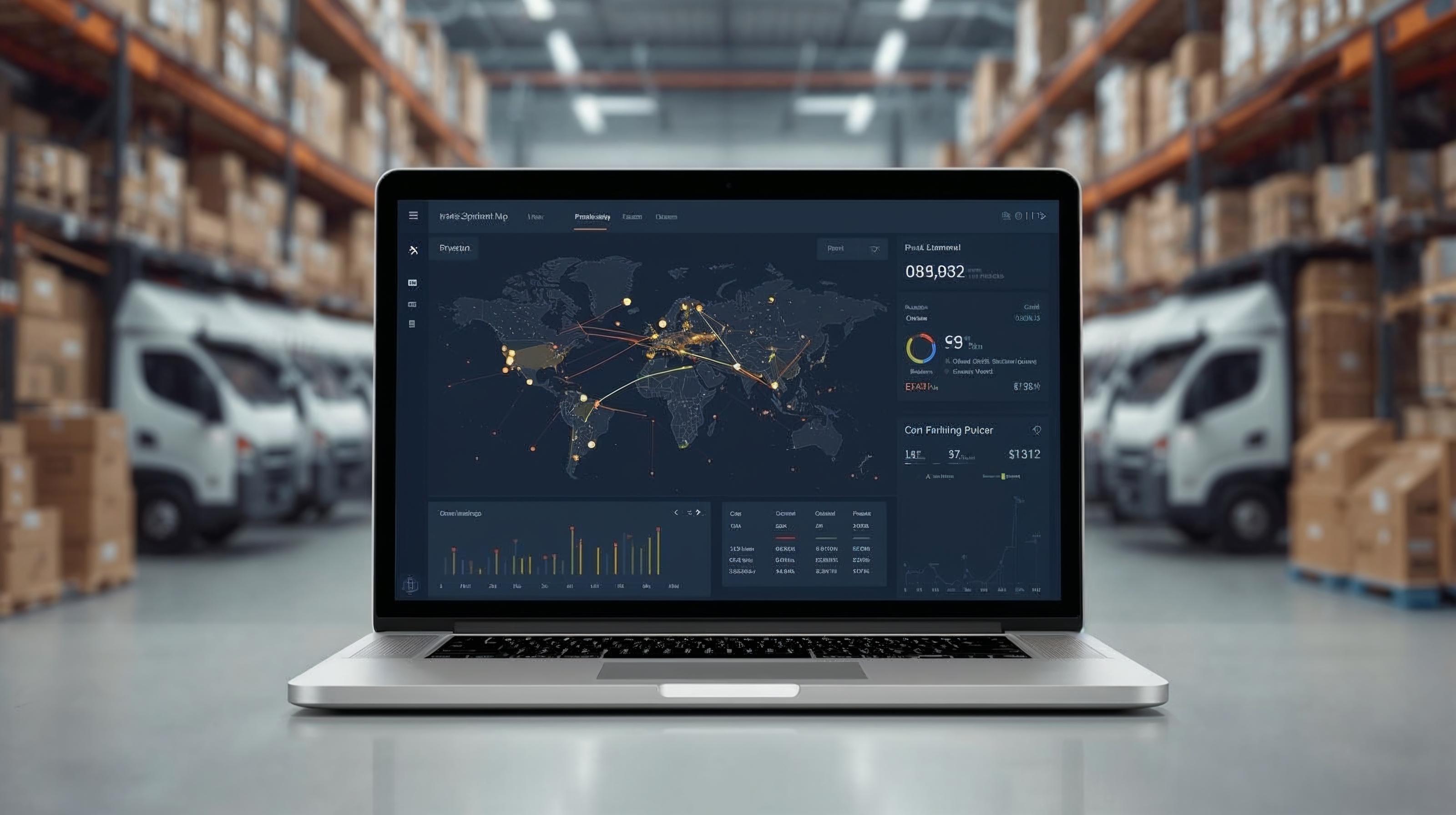
Without centralized systems, tracking shipments across multiple routes becomes difficult. ERP platforms provide real-time visibility into deliveries, shipment status, and route progress. Dispatchers can monitor operations from one dashboard instead of relying on manual updates.
2. Dispatch Coordination
Logistics businesses often struggle with scheduling drivers, vehicles, and delivery timelines efficiently. ERP systems align dispatch planning with available resources, ensuring vehicles and drivers are allocated effectively.
This improves route optimization and reduces operational delays.
3. Cost Control & Fuel Monitoring
Transportation costs — including fuel, maintenance, and labor — represent a major expense for logistics companies. ERP systems allow managers to track these costs per shipment, route, or vehicle.
This level of cost transparency helps businesses identify inefficiencies and optimize operational spending.
4. Automated Billing & Invoice Management
Manual invoicing can become a major bottleneck for logistics companies managing hundreds or thousands of shipments. ERP systems can automatically generate invoices based on completed deliveries, route data, or service agreements.
Automation reduces billing errors and accelerates payment cycles.
5. Financial Reporting & Performance Analysis
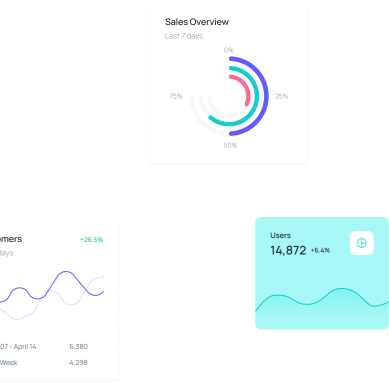
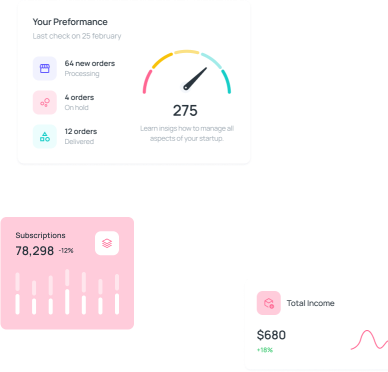
ERP dashboards provide logistics managers with real-time insights into operational profitability. Companies can analyze revenue per route, delivery costs, driver productivity, and monthly cash flow performance.
This enables more informed strategic planning and pricing decisions.
ERP vs Basic Logistics Management Tools
Some logistics businesses rely on specialized shipment tracking tools or simple fleet management software. While these tools address certain operational needs, they rarely integrate financial data, workflow automation, and comprehensive reporting.
ERP systems extend beyond logistics tracking. They unify operations, finance, billing, reporting, and workflow automation into a single ecosystem. This integration reduces administrative workload and provides leadership with a complete operational picture.
When Should a Logistics Company Consider ERP?
ERP adoption becomes relevant when logistics companies experience increasing operational complexity. Common signals include:
- Difficulty tracking shipments across multiple routes
- Manual dispatch coordination causing delays
- Inconsistent invoicing or billing errors
- Lack of clear cost visibility per shipment
- Growing administrative workload for operational teams
At this stage, the challenge is not operational effort — it is structural limitation.
Long-Term Benefits of ERP for Logistics Companies
An integrated ERP system offers several long-term advantages:
- Centralized shipment and operational data
- Improved route planning and dispatch efficiency
- Automated billing and faster payment cycles
- Better financial forecasting and cost control
- Scalable infrastructure for business growth
By integrating operations and finance, logistics companies can transition from reactive management to proactive operational planning.
Conclusion
Logistics businesses operate in an environment where coordination is everything. As shipment volumes increase, manual systems become increasingly fragile. ERP systems provide the structure needed to manage deliveries, costs, and operational workflows efficiently.
For logistics companies aiming to scale while maintaining control over operations and finances, ERP becomes a strategic foundation rather than a technical upgrade.
.jpg)

.jpg)