Digital transformation has become one of the most important business priorities for organizations around the world. Regardless of industry, company size, or market, businesses are facing increasing pressure to operate more efficiently, deliver better customer experiences, and adapt to rapidly changing technology.
Despite its popularity, digital transformation is often misunderstood. Many organizations believe digital transformation simply means purchasing new software, moving data to the cloud, or adopting a few automation tools. In reality, digital transformation is much broader.
Digital transformation is the process of using technology to fundamentally improve how a business operates, serves customers, manages information, and creates value. It affects every part of an organization, from sales and marketing to finance, operations, customer service, and strategic decision-making.
Companies that successfully implement digital transformation often achieve higher productivity, lower operational costs, better customer satisfaction, and stronger long-term growth. Organizations that fail to modernize frequently struggle with inefficiencies, fragmented processes, and increasing competitive pressure.
What Is Digital Transformation?
Digital transformation is the integration of digital technologies into business processes, operations, and customer interactions to improve efficiency, agility, and performance.
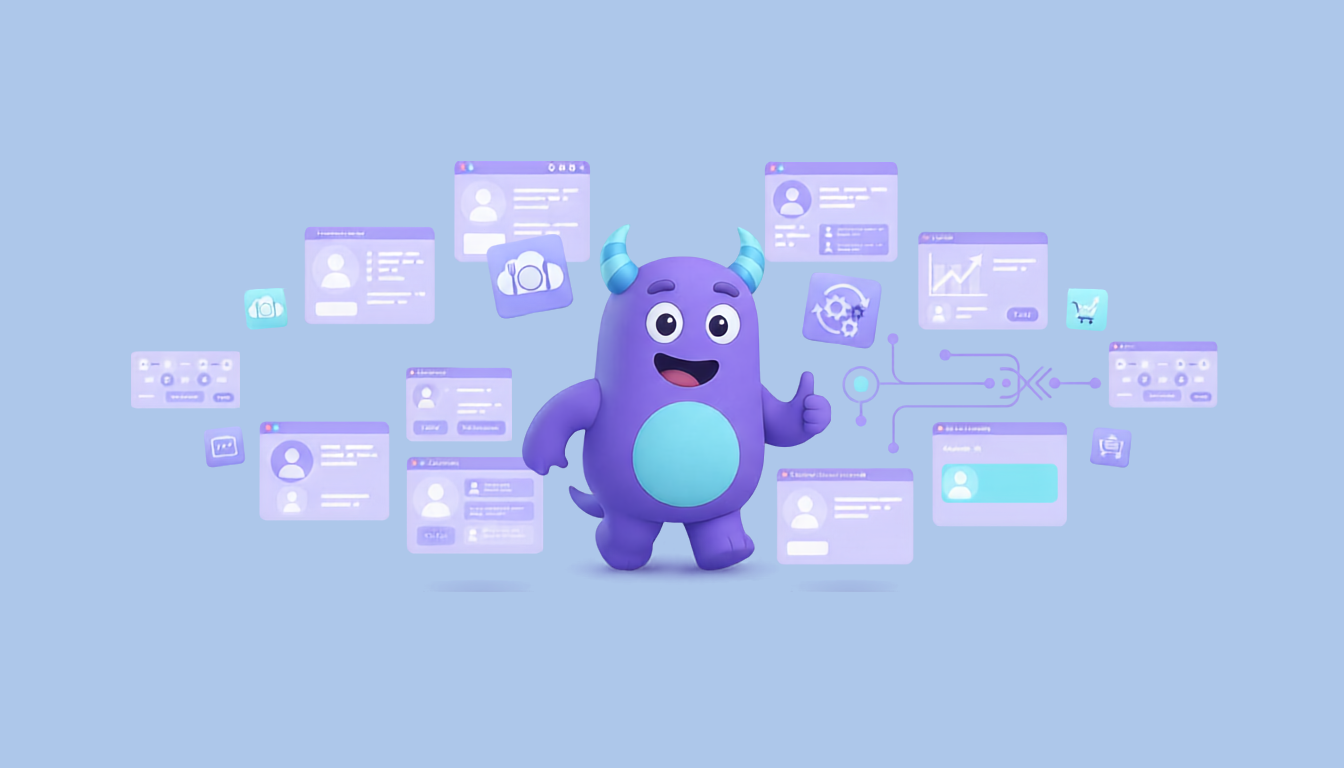
Rather than relying on manual workflows and disconnected systems, digitally transformed organizations create connected business environments where information flows automatically between departments, employees have access to real-time data, and repetitive work is automated.
Digital transformation typically involves several technologies working together, including CRM systems, ERP platforms, workflow automation, cloud software, business intelligence tools, artificial intelligence, and data analytics.
The purpose is not simply to use technology for the sake of technology. The goal is to create a more efficient, scalable, and customer-focused business.
The Evolution of Digital Transformation
The concept of digital transformation has evolved significantly over the last two decades.
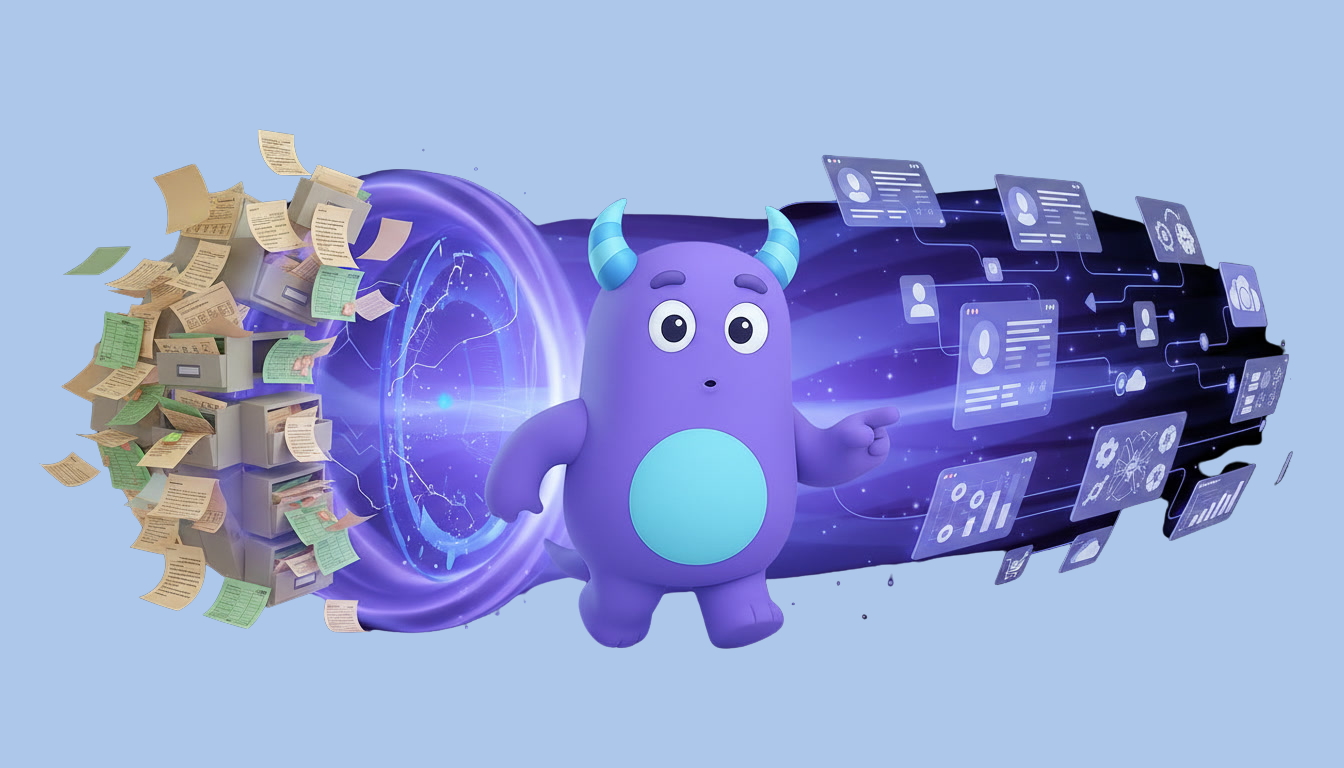
The first phase focused primarily on digitization. Businesses replaced paper documents with electronic files, spreadsheets, and databases. This improved accessibility but did not fundamentally change how companies operated.
The second phase introduced software systems designed to improve specific functions. CRM systems helped manage customer relationships, ERP systems improved operational visibility, and accounting software streamlined financial management.
Today, organizations are entering a much more advanced phase where business systems are interconnected through automation, cloud infrastructure, artificial intelligence, and real-time analytics.
Modern companies are no longer simply storing information digitally. They are creating intelligent business ecosystems capable of automating workflows, generating insights, predicting outcomes, and continuously improving operational performance.
Why Digital Transformation Matters
The business environment is becoming increasingly complex. Companies manage more customers, more data, more communication channels, and more operational processes than ever before.
At the same time, customer expectations continue to increase. Modern consumers expect fast responses, personalized experiences, transparent communication, and seamless interactions across multiple channels.
Organizations that rely on manual processes often struggle to meet these expectations. Employees spend large amounts of time updating spreadsheets, generating reports, coordinating tasks, and searching for information across multiple systems.
Digital transformation addresses these challenges by creating connected systems that automate information flow, improve visibility, and reduce manual work.
It also improves decision-making. Instead of relying on outdated reports or assumptions, managers can access real-time information about sales performance, customer behavior, operational efficiency, and financial performance.
Signs Your Business Needs Digital Transformation
Many business owners know that technology is important but struggle to determine when transformation becomes necessary.
Several common warning signs indicate that a business is ready for digital transformation.
One of the most obvious signs is excessive manual work. If employees spend significant time performing repetitive administrative tasks, updating spreadsheets, creating reports, or managing information manually, operational efficiency is likely suffering.
Another sign is disconnected systems. When customer information, financial data, inventory records, and operational workflows exist in separate systems that do not communicate with one another, visibility becomes limited and errors become more common.
Customer communication issues are also strong indicators. Missed follow-ups, delayed responses, and inconsistent customer experiences often result from outdated processes and inadequate systems.
Organizations that struggle to generate accurate reports or gain real-time visibility into performance often benefit significantly from digital transformation initiatives.
The Core Components of Digital Transformation
Successful digital transformation typically involves several interconnected components working together.
Business automation is one of the most important. Automation eliminates repetitive work and ensures that processes are executed consistently. Tasks such as lead assignment, workflow management, approvals, notifications, and reporting can all be automated.
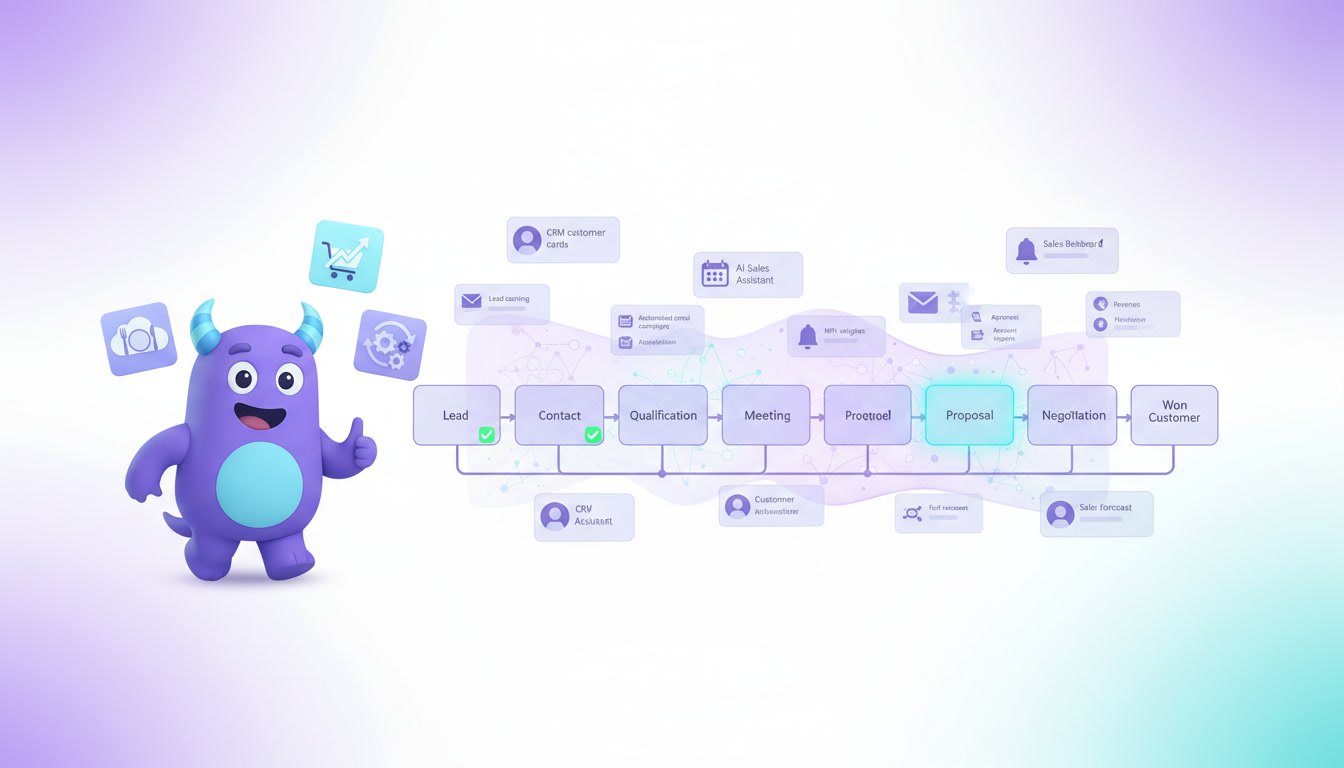
CRM systems play a central role by managing customer relationships, sales pipelines, communication history, and customer interactions through one centralized platform.
ERP systems help organizations manage operations, inventory, purchasing, finance, reporting, and internal processes through a unified business environment.
Workflow automation connects departments and processes by ensuring information moves automatically through predefined stages.
Artificial intelligence is increasingly becoming an important component as businesses seek more intelligent ways to analyze data, automate decisions, and optimize operations.
Digital Transformation and Business Growth
One of the most significant benefits of digital transformation is its ability to support business growth.
As organizations expand, operational complexity increases rapidly. More customers, employees, projects, transactions, and communication channels require better coordination and visibility.
Businesses that rely on manual processes often find growth increasingly difficult because administrative workload grows faster than revenue.
Digital transformation helps solve this problem by creating scalable systems. Automation reduces the need for manual coordination, CRM systems improve customer management, ERP platforms centralize operations, and analytics tools provide visibility into performance.
These systems allow businesses to handle greater complexity without proportionally increasing operational overhead.
Digital Transformation and Customer Experience
Customer experience has become one of the most important competitive differentiators in modern business.
Customers expect personalized communication, quick responses, convenient service, and seamless interactions.
Digital transformation helps businesses meet these expectations through technology-enabled customer experiences.
CRM systems centralize customer information, allowing employees to provide more personalized service. Automation ensures customers receive timely communications and follow-ups.
Organizations that deliver better customer experiences often achieve stronger retention, increased loyalty, and higher lifetime customer value.
Artificial Intelligence and Digital Transformation
Artificial intelligence is rapidly becoming one of the most influential technologies within digital transformation strategies.
Traditional software helps businesses manage information and automate predefined tasks. AI introduces intelligence into these processes.
Modern AI systems can analyze customer behavior, identify trends, generate recommendations, optimize workflows, predict outcomes, and support decision-making.
Businesses increasingly use AI for customer service, lead qualification, sales forecasting, workflow optimization, operational reporting, and business intelligence.
As AI technologies continue to evolve, their impact on digital transformation will continue growing.
The Future of Digital Transformation
Digital transformation will continue accelerating over the coming years.
Artificial intelligence, automation, advanced analytics, cloud infrastructure, and connected business platforms will play increasingly important roles in business operations.
Organizations that invest in modern systems today will be better positioned to adapt to future market changes and technological advancements.
The businesses that thrive in the future will be those that create intelligent, automated, and data-driven operating environments.
Why Choose Lua CRM for Digital Transformation?
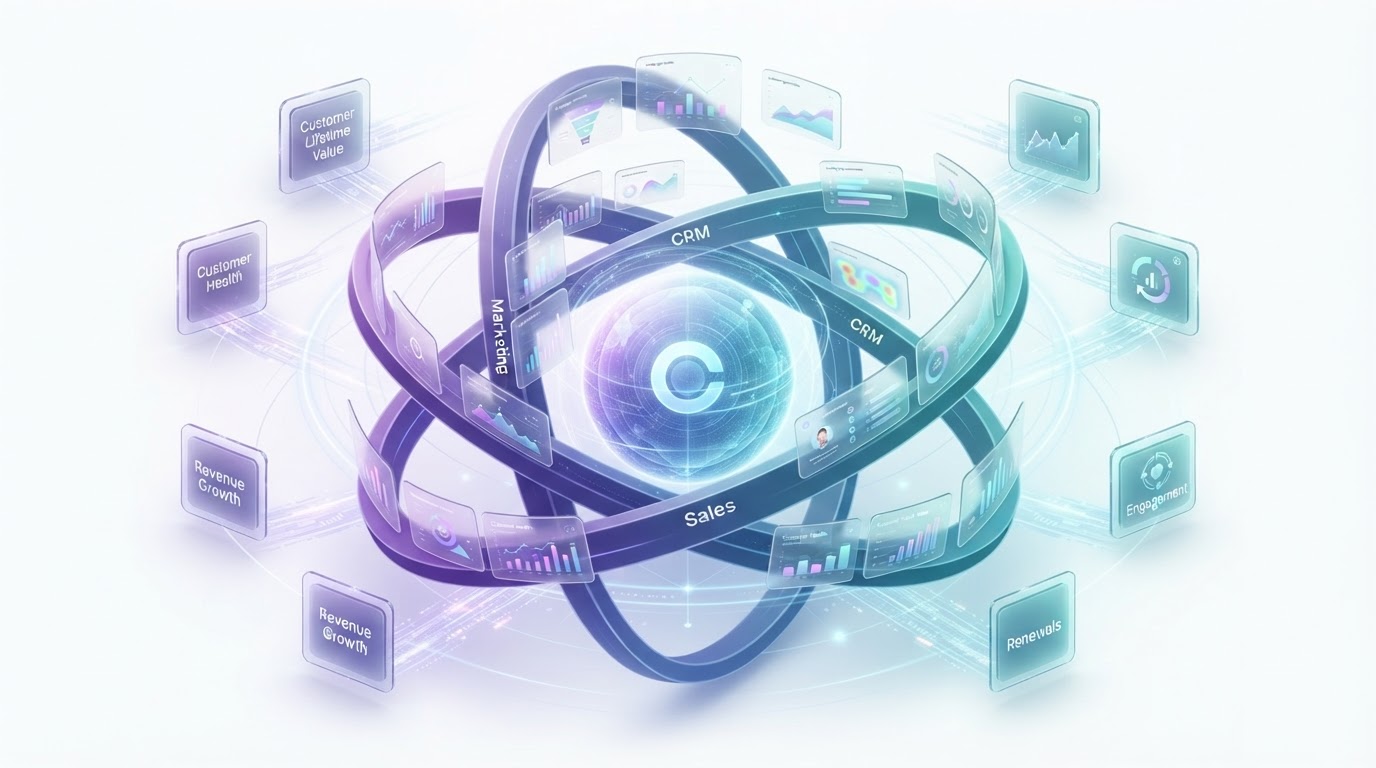
Lua CRM helps businesses accelerate digital transformation by combining CRM, ERP, workflow automation, business management, reporting, and AI-powered tools into one centralized platform.
Instead of managing multiple disconnected systems, businesses can organize customer management, operations, workflows, communication, and automation through a single environment.
This improves visibility, reduces operational complexity, and creates scalable systems designed for long-term growth.
Final Thoughts
Digital transformation is fundamentally changing how modern businesses operate.
Organizations that embrace technology, automation, artificial intelligence, and connected business systems gain significant advantages in efficiency, customer experience, productivity, and scalability.
The future belongs to businesses that continuously evolve, innovate, and build intelligent systems capable of supporting long-term success.
Frequently Asked Questions
What is digital transformation?
Digital transformation is the use of digital technologies to improve business operations, customer experiences, and organizational performance.
Why is digital transformation important?
It helps businesses improve efficiency, reduce costs, automate workflows, and remain competitive.
What technologies are used in digital transformation?
CRM systems, ERP software, workflow automation, cloud platforms, artificial intelligence, and analytics tools.
Can small businesses benefit from digital transformation?
Yes. Small businesses can improve productivity, customer management, and scalability through digital transformation.
.jpg)
.jpg)