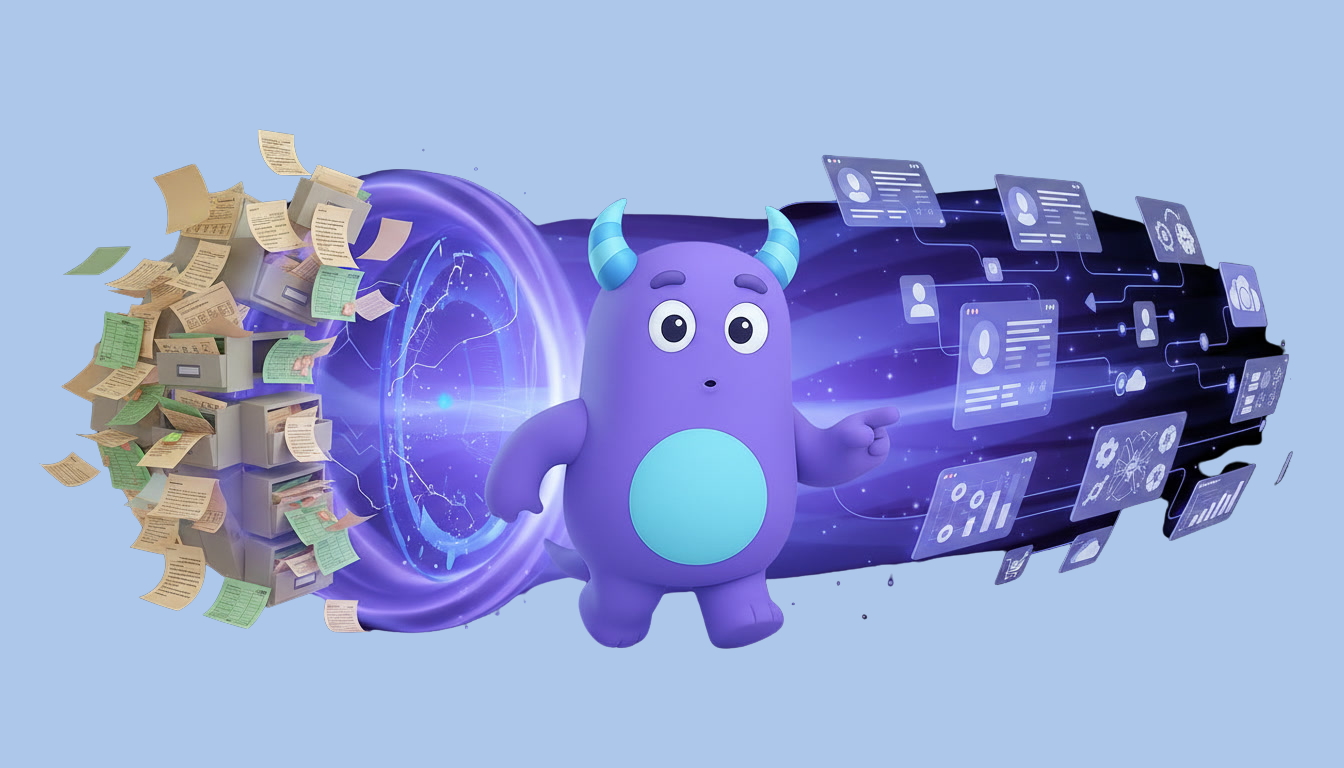

غالبًا ما تركز شركات الخدمات بشكل كبير على نمو المبيعات والأداء التسويقي واكتساب العملاء. في حين أن هذه المجالات مهمة، إلا أن العديد من المشاكل المالية الأكثر ضررًا تنشأ في مكان آخر - داخل العمليات اليومية. إن أوجه القصور الصغيرة، والحلول اليدوية، والعمليات غير المتسقة، والأنظمة غير المتصلة تستهلك الوقت والمال بهدوء حتى تبدأ الربحية في المعاناة.
على عكس الإخفاقات الاستراتيجية الكبرى، نادرًا ما تظهر الأخطاء التشغيلية بشكل كبير. تظهر في الفواتير المتأخرة، والموظفين المجهدين، وارتفاع العمل الإضافي، وعمليات التسليم المحيرة بين الفرق، والتوقعات التي لا تتطابق أبدًا مع الواقع. تتكثف هذه المشاكل مع توسع نطاق المؤسسات، مما يحول الاحتكاك القابل للإدارة إلى سحب هيكلي.
فيما يلي عشرة من الأخطاء التشغيلية الأكثر شيوعًا التي ترتكبها شركات الخدمات أثناء نموها - وكيف أن هذه المشكلات تقلل ببطء من الهوامش إذا لم تتم معالجتها مبكرًا.
1. الاعتماد على عمليات التسليم اليدوية بين الفرق
في العديد من المؤسسات، تنتقل الصفقات من المبيعات إلى التسليم من خلال سلاسل البريد الإلكتروني أو جداول البيانات أو الاجتماعات بدلاً من الأنظمة المنظمة. قد تكون المعلومات الأساسية حول النطاق أو الجداول الزمنية أو الأسعار أو توقعات العملاء غير كاملة أو غير مفهومة. تقضي فرق التسليم وقتًا ثمينًا في توضيح المتطلبات بدلاً من تنفيذ العمل.
بمرور الوقت، تتراكم هذه التأخيرات. تبدأ المشاريع متأخرة. يصبح إعادة العمل أمرًا شائعًا. يتلقى العملاء رسائل غير متسقة. يقدم كل تسليم تكلفة خفية في شكل ساعات قابلة للفوترة مفقودة وتقليل ثقة العملاء.
2. الفواتير المتأخرة أو غير الدقيقة
تعتمد الفوترة على بيانات تشغيلية نظيفة: الساعات المعتمدة والمعالم المكتملة والمواد المستهلكة وشروط العقد. عندما توجد هذه المدخلات في أنظمة مختلفة أو تعتمد على التحديثات اليدوية، يتم تأجيل الفواتير أو إصدارها بشكل غير صحيح.
تضر الفوترة المتأخرة بالتدفق النقدي وتخلق نزاعات تتطلب جهدًا إضافيًا لحلها. تصبح الفرق المالية تفاعلية، وتطارد التصحيحات بدلاً من دعم التخطيط الاستراتيجي.
3. ضعف الرؤية في تكاليف المشروع
يقوم العديد من المديرين بمراجعة الربحية فقط بعد إغلاق المشروع. بحلول ذلك الوقت، تكون تجاوزات التكاليف لا رجعة فيها. ربما تجاوزت العمالة الميزانيات، وربما ارتفعت رسوم المقاول من الباطن، وربما انزلقت الجداول الزمنية.
بدون رؤية في الوقت الفعلي للتكاليف، لا يمكن للقادة التدخل مبكرًا لتعديل التوظيف أو إعادة التفاوض على النطاق أو إعادة توجيه الموارد نحو العمل ذي الهامش الأعلى.
4. زيادة تحميل ذوي الأداء العالي
مع نمو الشركات، غالبًا ما يصبح الموظفون ذوو الخبرة بمثابة عنق الزجاجة. يعتمد المديرون على نفس الأشخاص للعمل العاجل أو العملاء المعقدين أو المشاريع المضطربة. في حين أن هذا قد يحمي التسليم على المدى القصير، إلا أنه يزيد من الإرهاق وخطر دوران الموظفين ومعدلات الخطأ.
وفي الوقت نفسه، قد يظل الموظفون الآخرون غير مستغلين بسبب ضعف تتبع توزيع عبء العمل. والنتيجة هي ارتفاع تكلفة الرواتب دون إنتاجية متناسبة.
5. تشغيل العمليات عبر عدد كبير جدًا من الأدوات
قد تعمل المبيعات داخل نظام CRM واحد، ومديرو المشاريع في نظام أساسي آخر، والمالية في برنامج محاسبة، والموارد البشرية في أنظمة منفصلة. عندما لا تتصل هذه الأدوات تلقائيًا، يصبح الموظفون طبقة التكامل.
يهدر نقل البيانات اليدوي الوقت ويقدم تناقضات. يكافح القادة للحصول على رؤية موحدة للأداء، مما يضعف اتخاذ القرار ويبطئ الاستجابة للمشاكل الناشئة.
6. عمليات الموافقة الضعيفة
غالبًا ما تتطلب الخصومات وطلبات الشراء وتعديلات الميزانية وتغييرات النطاق موافقة إدارية. عندما تتم الموافقات من خلال صناديق البريد الوارد وسلاسل الدردشة، تتوقف الطلبات أو يتم نسيانها.
تتوقف المشاريع مؤقتًا بينما تنتظر الفرق. يتأخر البائعون. يواجه العملاء تباطؤًا. ترتفع التكاليف بهدوء مع فقدان الزخم عبر مشاركات متعددة.
7. عمليات غير متسقة عبر الفرق
غالبًا ما تطور المكاتب أو الأقسام المختلفة طرقها الخاصة في العمل. تتبع إحدى المجموعات مراحل المشروع المنظمة، بينما تعتمد مجموعة أخرى على قوائم المراجعة غير الرسمية. تقوم إحدى الشركات بإصدار الفواتير أسبوعيًا، بينما تقوم شركة أخرى بإصدار الفواتير شهريًا.
هذا التناقض يعقد التنبؤ، ويزيد من وقت التدريب للموظفين الجدد، ويجعل مراقبة الجودة أمرًا صعبًا. لا يمكن للقادة مقارنة الأداء عبر الفرق لأن كل مجموعة تقيس النجاح بشكل مختلف.
8. ضعف التنبؤ والتخطيط للقدرات
تعتمد قرارات التوظيف والجدولة على معرفة العمل القادم ومدى انشغال الفرق بالفعل. عندما تكون بيانات خط الأنابيب ومعدلات الاستخدام والجداول الزمنية للتسليم مجزأة، يصبح التخطيط تخمينًا.
إما أن تقوم الشركات بالتوظيف بقوة مفرطة - مما يزيد من التكاليف الثابتة - أو تؤخر التوظيف، مما يؤدي إلى العمل الإضافي والمواعيد النهائية الضائعة. كلا النتيجتين تقلل من الربحية.
9. ضعف التوثيق وتبادل المعرفة
عندما لا يتم تخزين الإجراءات والقوالب والدروس المستفادة في أنظمة مركزية، فإن المعرفة تعيش في الأفراد بدلاً من المؤسسة. يعتمد الموظفون الجدد على التدريب غير الرسمي بدلاً من سير العمل الموثق.
عندما يغادر الموظفون الرئيسيون، تختفي الخبرة معهم. تكرر الفرق الأخطاء القديمة، وتعيد إنشاء المواد، وتقضي وقتًا في إعادة اكتشاف الحلول بدلاً من تقديم القيمة.
10. الرد على المشاكل بدلاً من منعها
تعمل العديد من شركات الخدمات في وضع مكافحة الحرائق المستمر. يستجيب القادة للمواعيد النهائية الضائعة أو العملاء غير الراضين أو تجاوزات الميزانية فقط بعد وقوع الضرر.
تقوم المؤسسات التي لديها عمليات ناضجة ببناء أنظمة إنذار مبكر تشير إلى المخاطر قبل تصعيدها. تسمح التنبيهات الآلية ولوحات المعلومات في الوقت الفعلي والمؤشرات التنبؤية للمديرين بالتدخل بينما لا يزال الإجراء التصحيحي غير مكلف.
الخلاصة
نادرًا ما تبدو الأخطاء التشغيلية خطيرة في البداية. يبدو كل واحد منها قابلاً للإدارة بمعزل عن غيره. ولكن معًا، فإنها تخلق نمطًا من النفايات الخفية التي تقلل ببطء من الهوامش وتستنزف الموظفين وتزعزع استقرار النمو.
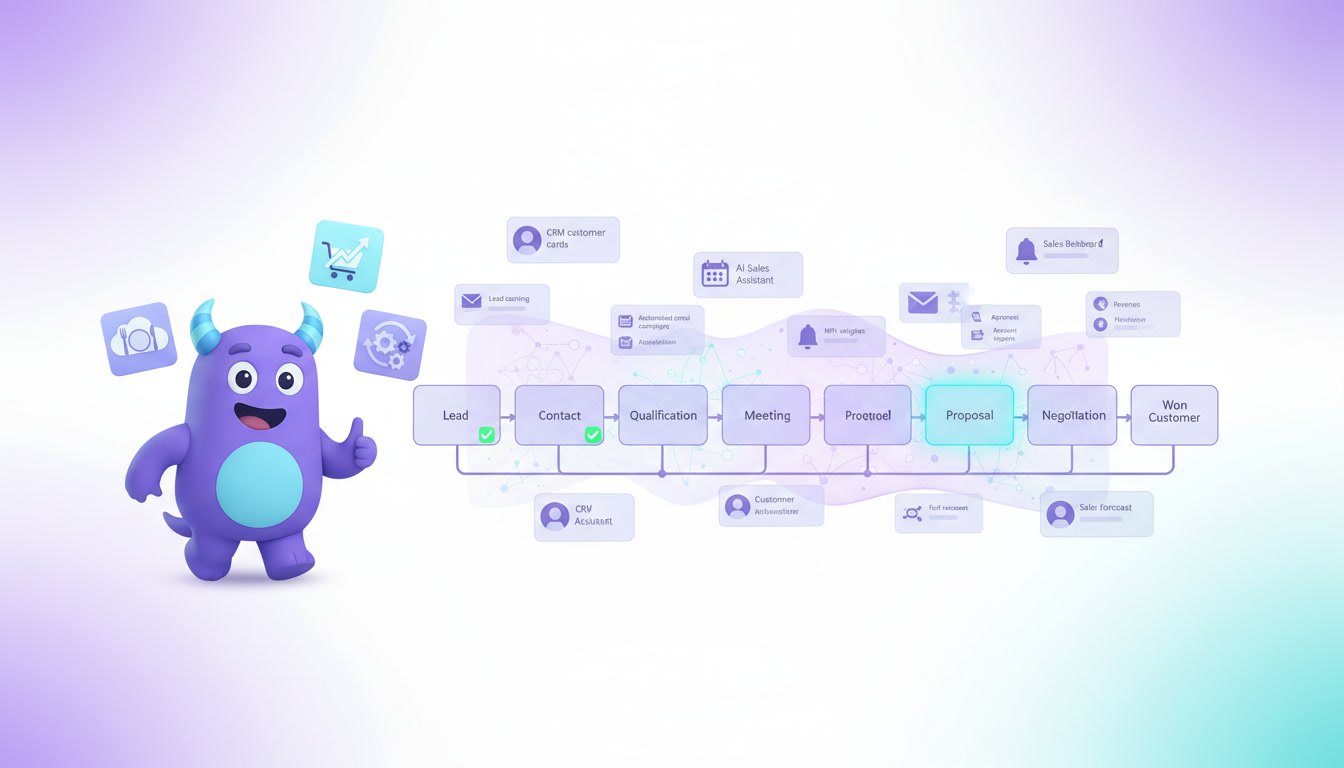
تقوم شركات الخدمات التي تستثمر في سير العمل الموحد والأنظمة المتصلة والأتمتة بتحويل العمليات من هشة إلى مرنة. بدلاً من مطاردة المشاكل، تركز الفرق على تقديم خدمة متسقة وتحسين الربحية والتوسع بثقة.
في الأسواق التنافسية، غالبًا ما يكون القضاء على هذه التسريبات الهادئة هو الفرق بين المؤسسات التي تكافح من أجل النمو وتلك التي تبني عمليات خدمة دائمة وعالية الأداء.
.jpg)

.jpg)