
Ось чому сьогодні багато компаній шукають CRM для сервісного бізнесу, яка спеціально створена для управління клієнтами, проєктами та поточними відносинами, а не простими продажами.
У цій статті ми розглянемо, чому сервісним компаніям потрібен інший тип CRM і які функції роблять CRM-систему дійсно ефективною для організацій, що базуються на послугах.
Як сервісний бізнес працює інакше
Більшість традиційних CRM-платформ були розроблені для компаній, які продають продукти. Їх головна мета — керувати воронками продажів і відстежувати угоди до завершення покупки.
Однак сервісний бізнес часто працює зовсім інакше. Відносини з клієнтом не закінчуються після першого продажу. У багатьох випадках реальна робота починається після закриття угоди.
Приклади сервісного бізнесу включають:
- Маркетингові агенції
- Консалтингові фірми
- Стоматологічні клініки
- Постачальники ІТ-послуг
- Навчальні центри
- Логістичні компанії
Цим компаніям потрібні системи, які керують довгостроковими відносинами з клієнтами, поточною роботою та історією спілкування.
Обмеження традиційних CRM-систем
Багато традиційних CRM-інструментів зосереджені майже виключно на продажах. Хоча це добре працює для продуктових компаній, це створює проблеми для організацій, що базуються на послугах.
Поширені обмеження включають:
- Обмежені функції управління проєктами або завданнями
- Слабке планування та відстеження зустрічей
- Відсутність автоматизації робочого процесу для надання послуг
- Складність управління поточними відносинами з клієнтами
- Погана видимість операційних процесів
У результаті сервісний бізнес часто використовує кілька інструментів — один для CRM, інший для управління проєктами та ще один для внутрішньої комунікації.
Це створює фрагментацію та ускладнює підтримку повного уявлення про шлях клієнта.
Ключові функції CRM для сервісного бізнесу
Сучасна CRM для сервісного бізнесу повинна виходити за рамки управління контактами та надавати інструменти, які підтримують весь процес надання послуг.
Робочі процеси, орієнтовані на клієнта
Сервісні компанії підтримують довгострокові відносини з клієнтами. CRM-система повинна дозволяти командам відстежувати всі взаємодії, історію обслуговування, контракти та поточну роботу, пов’язану з кожним клієнтом.
Це допомагає командам надавати стабільні послуги та підтримувати міцні відносини з клієнтами.
Управління проєктами та завданнями
На відміну від продуктових компаній, постачальники послуг часто працюють над проєктами або повторюваними завданнями для клієнтів. CRM, розроблена для сервісного бізнесу, повинна включати вбудовані можливості управління проєктами та завданнями.
Це дозволяє командам відстежувати прогрес, призначати обов’язки та забезпечувати своєчасне виконання роботи.
Інструменти для зустрічей і планування
Багато сервісних підприємств значною мірою покладаються на зустрічі та планування. Наприклад, клініки, консультанти та агенції повинні координувати зустрічі та сеанси обслуговування з клієнтами.
CRM-система повинна включати інструменти планування, які спрощують управління зустрічами та зменшують кількість пропущених бронювань.
Автоматизація робочого процесу
Автоматизація має вирішальне значення для підвищення операційної ефективності. CRM-платформа повинна дозволяти сервісним компаніям автоматизувати рутинні процеси, такі як:
- Робочі процеси адаптації клієнтів
- Нагадування про подальші дії
- Призначення завдань
- Оновлення статусу
- Внутрішні сповіщення
Автоматизація зменшує обсяг ручної роботи та допомагає командам підтримувати стабільну якість обслуговування.
Відстеження продуктивності та аналітика
Сервісний бізнес потребує видимості як продажів, так і операційної діяльності. CRM-система повинна надавати аналітику, яка допомагає менеджерам розуміти:
- Показники утримання клієнтів
- Ефективність надання послуг
- Продуктивність команди
- Дохід, отриманий від клієнтів
Ці відомості допомагають компаніям приймати кращі стратегічні рішення та підвищувати прибутковість.
Роль штучного інтелекту в сучасних CRM-системах
Штучний інтелект швидко трансформує CRM-платформи. Для сервісного бізнесу штучний інтелект може автоматизувати повторювані завдання та надавати цінні відомості.
CRM-системи на основі штучного інтелекту можуть допомогти з:
- Автоматичне створення завдань
- Розумні нагадування про подальші дії
- Прогнозування потреб клієнтів
- Аналіз спілкування з клієнтами
- Автоматичне створення звітів
Це дозволяє сервісним командам більше зосереджуватися на наданні цінності клієнтам, а не на управлінні адміністративними завданнями.
Вибір правильної CRM для сервісного бізнесу
Вибираючи CRM-платформу, сервісні компанії повинні надавати пріоритет гнучкості та автоматизації. Система повинна адаптуватися до бізнес-процесу, а не змушувати команди змінювати спосіб роботи.
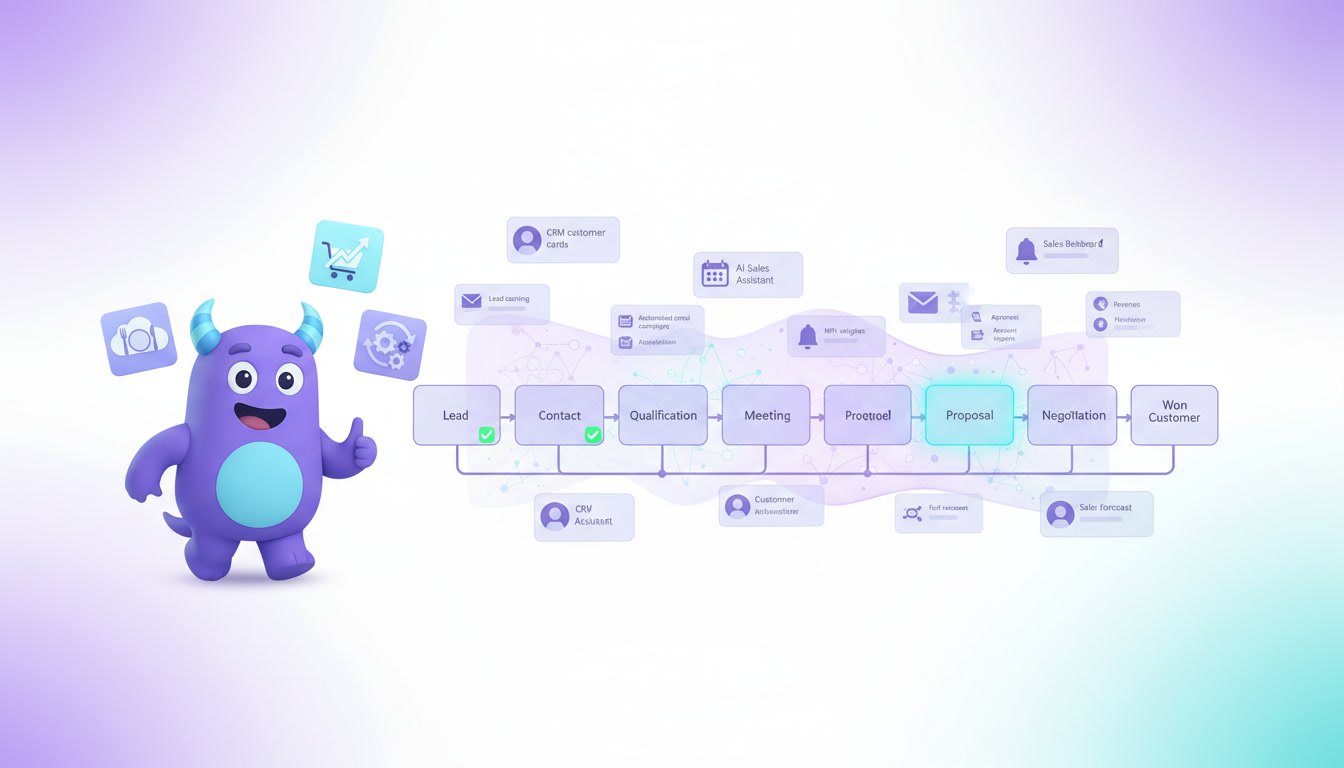
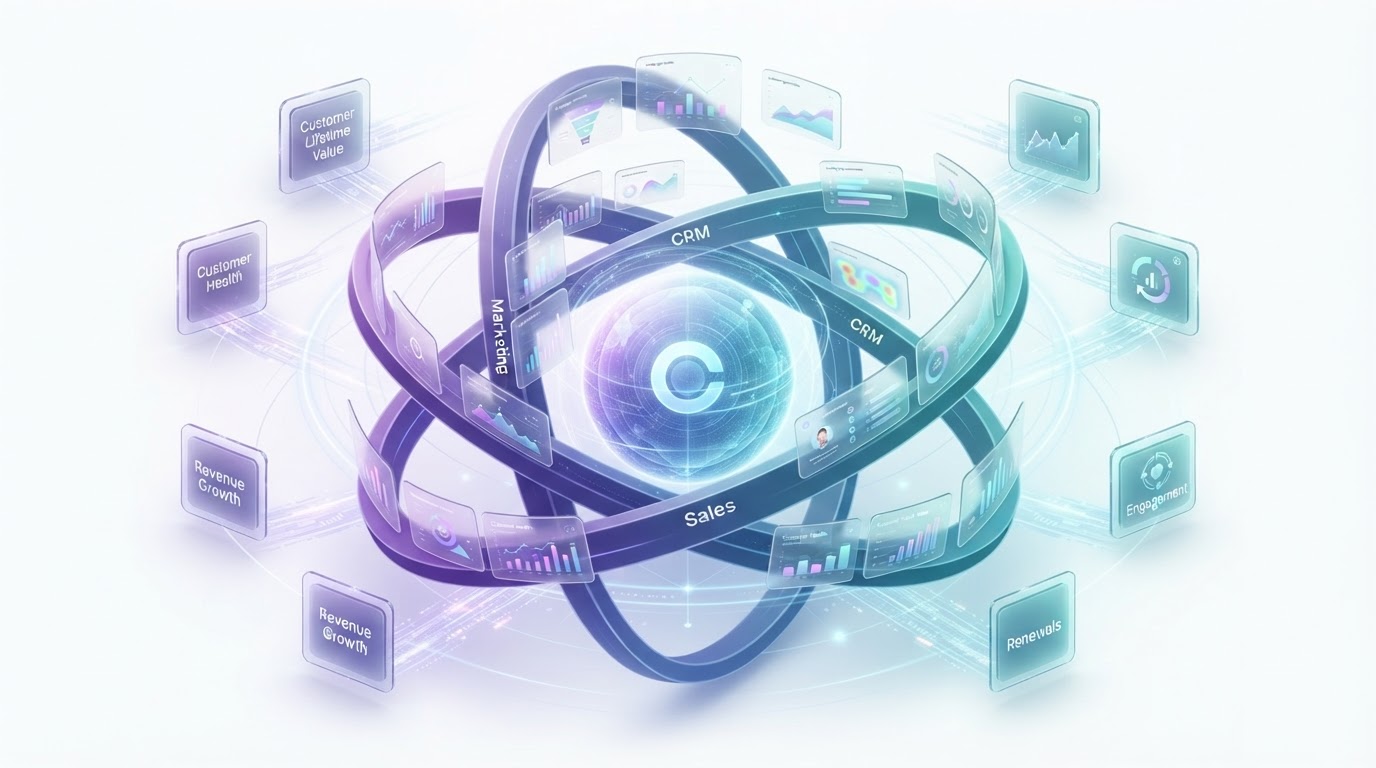
Шукайте CRM-платформи, які поєднують управління клієнтами, відстеження завдань, автоматизацію та аналітику в одній системі.
Сучасні рішення, такі як Lua CRM, зосереджуються саме на тому, щоб допомогти сервісному бізнесу ефективніше керувати своєю діяльністю. Поєднуючи можливості CRM з автоматизацією робочого процесу та налаштуванням на основі штучного інтелекту, компанії можуть адаптувати систему до своїх унікальних процесів.
Висновок
Сервісні компанії стикаються з іншими операційними проблемами, ніж компанії, що базуються на продуктах. Через це їм потрібні CRM-системи, які виходять за рамки простого управління контактами та відстеження продажів.
Спеціалізована CRM для сервісного бізнесу надає інструменти для управління клієнтами, відстеження поточної роботи, автоматизації робочих процесів і покращення співпраці в команді.
Впроваджуючи правильну CRM-платформу, сервісний бізнес може підвищити ефективність, зміцнити відносини з клієнтами та ефективніше масштабувати свою діяльність.
Часті запитання
Що таке CRM для сервісного бізнесу?
CRM для сервісного бізнесу — це система управління відносинами з клієнтами, призначена для управління відносинами з клієнтами, робочими процесами обслуговування, плануванням і довгостроковими взаємодіями з клієнтами замість простих продажів продуктів.
Чому сервісному бізнесу потрібна спеціалізована CRM?
Сервісний бізнес часто керує поточними відносинами з клієнтами, проєктами, зустрічами та завданнями. Спеціалізована CRM допомагає організувати ці процеси та підвищує операційну ефективність.
Які галузі найбільше виграють від CRM-систем для сервісного бізнесу?
Такі галузі, як маркетингові агенції, консалтингові фірми, стоматологічні клініки, навчальні центри, логістичні компанії та постачальники ІТ-послуг, отримують велику користь від CRM-систем, розроблених для робочих процесів обслуговування.
Які функції має включати CRM для сервісного бізнесу?
Важливі функції включають управління клієнтами, відстеження проєктів, планування зустрічей, автоматизацію робочого процесу, інформаційні панелі звітування та аналітику на основі штучного інтелекту.
.jpg)
.jpg)