.jpg)
Багато компаній інвестують значний час і гроші в рекламу, соціальні мережі, вебсайти, реферальні програми, заходи, email-кампанії та інші канали маркетингу для залучення потенційних клієнтів. Проте великий відсоток цих можливостей так і не перетворюється на продажі. У багатьох випадках проблема полягає не в якості лідів. Проблема в тому, що відбувається після того, як лід потрапляє в компанію.
Потенційний клієнт заповнює форму, але отримує відповідь занадто пізно. Менеджер з продажів забуває зв'язатися повторно. Інформація про клієнта залишається в поштовій скриньці або електронній таблиці. Два співробітники звертаються до одного й того самого потенційного клієнта, не знаючи про дії один одного. Перспективна можливість стає неактивною, тому що ніхто не знає, яким має бути наступний крок.
Такі ситуації є поширеними, коли компанії не мають структурованого процесу управління лідами.
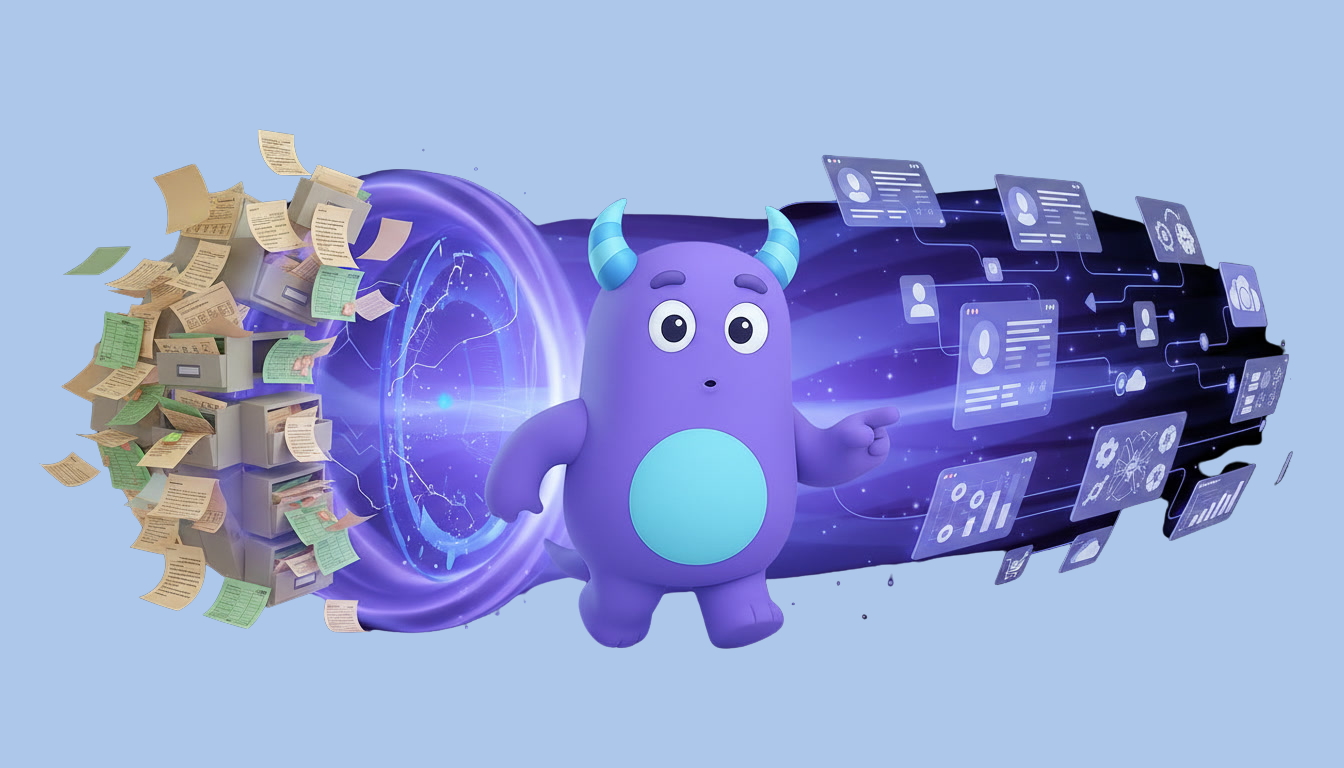
Управління лідами створює чітку систему для залучення, організації, кваліфікації, розподілу, вирощування та конвертації потенційних клієнтів. Замість того щоб дозволяти можливостям зникати між розрізненими інструментами та ручними процесами, компанії можуть створити структурований шлях, який веде кожного ліда від першої взаємодії до рішення про покупку.
Для компаній, що розвиваються, ефективне управління лідами — це не просто техніка продажів. Це важлива бізнес-система. Вона покращує час реагування, підвищує прозорість, створює відповідальність і допомагає командам продажів зосередитися на можливостях, які з найбільшою ймовірністю перетворяться на клієнтів.
Цей посібник пояснює, що таке управління лідами, чому компанії втрачають цінних лідів, як побудувати ефективний процес управління лідами та як CRM, автоматизація та штучний інтелект можуть допомогти компаніям конвертувати більше можливостей у довгострокових клієнтів.
Що таке управління лідами?
Управління лідами — це структурований процес залучення потенційних клієнтів, організації їхньої інформації, оцінки рівня їхнього інтересу, відстеження взаємодій, управління повторними контактами та супроводу кваліфікованих можливостей через процес продажів.
Лід — це зазвичай людина або організація, яка виявила певний рівень інтересу до продуктів чи послуг компанії. Цей інтерес може виникати через заповнення форми на сайті, дзвінок у компанію, надсилання електронного листа, запит на демонстрацію, завантаження контенту, відвідування заходу, відгук на рекламу або отримання рекомендації.
Однак не кожен лід готовий купувати негайно.
Деякі потенційні клієнти можуть просто вивчати доступні варіанти. Інші можуть мати чітку потребу, але не мати бюджету на цей момент. Деякі можуть активно порівнювати постачальників і готуватися до прийняття рішення. Інші взагалі можуть не підходити для вашого бізнесу.
Управління лідами допомагає компаніям зрозуміти ці відмінності та реагувати відповідним чином.
Замість того щоб ставитися до кожного потенційного клієнта однаково, структурована система управління лідами допомагає командам визначити, звідки прийшов кожен лід, чого він потребує, наскільки він залучений, хто має відповідати за цю можливість і яка дія має бути наступною.
Мета полягає не просто в тому, щоб зібрати більше контактної інформації. Мета — створити надійний процес, який просуває правильних потенційних клієнтів до того, щоб стати покупцями.
Чому управління лідами важливе для бізнесу, що розвивається
У міру зростання бізнесу кількість потенційних клієнтів зазвичай збільшується. Більше відвідувачів сайту надсилають форми. Більше людей телефонують або надсилають електронні листи. Маркетингові кампанії генерують нові запити. Існуючі клієнти дають рекомендації. Менеджери з продажів створюють нові можливості через активні контакти.
Без структурованої системи це зростання може швидко призвести до плутанини.
Коли компанія отримує лише кілька запитів на тиждень, співробітники можуть пам'ятати кожну розмову. Коли ж кількість лідів зростає до десятків або сотень, покладатися на пам'ять стає неможливо.
Інформація розпорошується по електронних таблицях, поштових скриньках, месенджерах, особистих нотатках та індивідуальних акаунтах співробітників. Керівники втрачають контроль над тим, що відбувається. Менеджери з продажів можуть зосереджуватися на найновіших лідах, забуваючи про старіші можливості.
Управління лідами впорядковує цю складність.
Кожен лід потрапляє у визначений процес. Інформація про клієнтів зберігається централізовано. Призначається відповідальний. Дії фіксуються. Плануються повторні контакти. Прогрес можна контролювати.
Ця структура стає дедалі важливішою в міру зростання команд продажів, оскільки вона забезпечує послідовність. Компанія більше не залежить повністю від особистих звичок організації роботи окремих співробітників.
Ефективний процес управління лідами також покращує прийняття рішень. Керівники можуть розуміти, скільки лідів надходить у компанію, які джерела генерують найкращі можливості, на якому етапі потенційні клієнти стають неактивними та наскільки ефективно команда продажів конвертує лідів у клієнтів.
Без цієї прозорості компанії можуть продовжувати витрачати гроші на маркетинг, не розуміючи, чому дохід не зростає такими ж темпами.
Чому компанії втрачають цінних лідів
Компанії часто припускають, що втрачені продажі спричинені низькою якістю лідів. Хоча якість лідів, безумовно, має значення, багато можливостей втрачається через проблеми всередині самого процесу продажів.
Однією з найпоширеніших проблем є повільний час відповіді. Потенційний клієнт може звернутися до кількох компаній одночасно. Компанія, яка відповідає швидко та професійно, часто отримує миттєву перевагу.
Іншою серйозною проблемою є непослідовні повторні контакти (follow-up).
Багато потенційних клієнтів не приймають рішення про покупку після першої розмови. Їм може знадобитися додаткова інформація, внутрішнє узгодження, комерційна пропозиція, демонстрація або просто більше часу.
Якщо компанія не має надійного процесу повторних контактів, ці можливості можуть легко зникнути.
Розпорошена інформація про клієнтів створює ще одну серйозну проблему. Коли історія спілкування зберігається в різних каналах, співробітники можуть не бачити повної картини взаємин. Це може призвести до повторюваних запитань, неузгодженої комунікації та негативного клієнтського досвіду.
Відсутність закріпленого відповідального також призводить до втрати лідів. Якщо ніхто чітко не відповідає за нову можливість, кожен може вважати, що цим займається хтось інший.
Зрештою, багато компаній не розрізняють активні можливості та лідів, які ще не готові купувати. Замість того щоб підтримувати довгострокові відносини з потенційними клієнтами, вони припиняють спілкування, якщо швидкий продаж не відбувся.
Ефективне управління лідами вирішує ці проблеми шляхом створення чіткого процесу, визначення відповідальності, повної прозорості та послідовної комунікації.
Процес управління лідами: від першого контакту до клієнта
Успішний процес управління лідами починається в момент першої взаємодії потенційного клієнта з компанією.
Конкретний процес може відрізнятися залежно від галузі, циклу продажів і бізнес-моделі, але основна мета залишається незмінною: забезпечити, щоб кожна цінна можливість отримала належну увагу в потрібний час.
Першим кроком є залучення лідів. Компанія повинна мати можливість збирати запити з різних джерел і об'єднувати їх в одній централізованій системі. Ці джерела можуть включати вебсайти, форми, телефонні дзвінки, електронні листи, рекламу, рекомендації, заходи та прямі продажі.
Після того як лід потрапляє в систему, наступним кроком є розуміння можливості. Команді продажів потрібен контекст. Хто цей потенційний клієнт? Чого потребує людина чи компанія? Як вони дізналися про бізнес? Яку проблему вони намагаються вирішити?
Після цього лід може бути призначений відповідному співробітнику або команді. Чітко визначена відповідальність є важливою, оскільки кожна можливість повинна мати когось, хто відповідає за її просування вперед.
Менеджер з продажів починає спілкування, фіксує важливу інформацію та визначає, чи підходить лід для продуктів або послуг компанії.
Кваліфіковані можливості потім переходять в активну воронку продажів, де компанія керує зустрічами, демонстраціями, пропозиціями, переговорами та рішеннями про покупку.
Це створює цілісний шлях від початкового інтересу до конвертації в клієнта, а не просто набір розрізнених розмов.
Для глибшого розуміння управління активними можливостями прочитайте наш Посібник з управління воронкою продажів.
Залучення лідів: об'єднання кожної можливості в одній системі
Процес управління лідами не може працювати ефективно, якщо потенційні клієнти залишаються розпорошеними по різних каналах.
Бізнес, що розвивається, може отримувати запити з вебформ, електронної пошти, телефонних дзвінків, соціальних мереж, рекламних кампаній, рекомендацій, заходів та активних продажів вручну.
Коли цими джерелами керують окремо, можливості можна легко упустити.
Мета централізованого залучення лідів полягає в тому, щоб кожен потенційний клієнт потрапляв в одне середовище управління, незалежно від того, де відбулася перша взаємодія.
Після створення ліда компанія повинна зафіксувати відповідну інформацію, таку як контактні дані, інформація про компанію, джерело ліда, сфера інтересів, історія спілкування, відповідальний співробітник та поточний статус.
Конкретна необхідна інформація залежить від бізнесу. Компанії з розробки B2B-програмного забезпечення може знадобитися розмір компанії та бізнес-вимоги, тоді як клініці може знадобитися інша інформація, пов'язана із запитуваною послугою.
Важливий принцип полягає в тому, що дані про лідів мають бути структурованими та доступними.
Коли всі можливості централізовані, команди продажів отримують повне уявлення про вхідний попит, а керівники можуть зрозуміти, які канали насправді приносять цінних клієнтів.
Кваліфікація лідів: фокус на правильних можливостях
Не кожен лід повинен отримувати однакову кількість часу та уваги.
Деякі потенційні клієнти з високою ймовірністю стануть покупцями. Інші можуть не мати реальної потреби, достатнього бюджету, повноважень для прийняття рішень або відповідного часу.
Кваліфікація лідів допомагає командам продажів визначити, які можливості заслуговують на негайну увагу, а які потребують іншого підходу.
Процес кваліфікації має бути зосереджений на розумінні того, чи є реальна відповідність між потребами потенційного клієнта та рішенням компанії.
Команди продажів можуть враховувати такі фактори, як проблема клієнта, рівень інтересу, терміни покупки, бюджет, профіль компанії, процес прийняття рішень та попередня залученість.
Мета кваліфікації полягає не в тому, щоб відсіяти всіх, хто не готовий купувати негайно. Потенційний клієнт, який не готовий сьогодні, може стати чудовим покупцем пізніше.
Замість цього кваліфікація допомагає компаніям визначити найбільш відповідну наступну дію.
Висококваліфікований лід може перейти безпосередньо в активну можливість продажу. Інший лід може потребувати додаткової інформації або вирощування. Невідповідний запит може бути закритий, щоб команда продажів могла зосередити свої ресурси на інших завданнях.
Структурований процес кваліфікації підвищує продуктивність, оскільки менеджери з продажів витрачають більше часу на можливості з реальним потенціалом.
Важливість швидких та послідовних повторних контактів
Повторний контакт (follow-up) — це одна з найважливіших частин управління лідами та одна зі сфер, де компанії найчастіше втрачають можливості.
Потенційний клієнт може бути зацікавлений, але не готовий прийняти рішення під час першої розмови. Клієнту може знадобитися поговорити з колегами, порівняти рішення, переглянути ціни або дочекатися слушного моменту.
Без структурованого процесу повторних контактів можливість може просто зникнути.
Ефективний повторний контакт має бути своєчасним, релевантним і заснованим на контексті попередніх взаємодій.
Менеджери з продажів повинні знати, коли вони востаннє спілкувалися з потенційним клієнтом, що обговорювалося, яку інформацію було обіцяно та коли має відбутися наступна взаємодія.
Цим важко керувати лише за допомогою пам'яті, особливо коли менеджер відповідає за багато можливостей одночасно.
CRM-система може допомогти, створюючи завдання, нагадування, автоматизовані робочі процеси та повну історію комунікацій.
Автоматизація може гарантувати, що важливі можливості не стануть неактивними просто тому, що хтось забув створити нагадування.
Мета полягає не в тому, щоб засипати потенційних клієнтів постійними повідомленнями. Мета — підтримувати професійну, релевантну комунікацію протягом усього процесу прийняття рішення.
Як CRM покращує управління лідами
Програмне забезпечення для управління взаєминами з клієнтами (CRM) забезпечує технологічну основу для структурованого управління лідами.
Замість того щоб керувати лідами за допомогою електронних таблиць і розрізнених каналів зв'язку, CRM централізує інформацію про клієнтів, дії, відповідальність та прогрес продажів.
Коли новий лід потрапляє в систему, CRM може фіксувати джерело, призначати відповідального, створювати завдання для повторних контактів, зберігати історію спілкування та відстежувати розвиток можливості.
Менеджери з продажів отримують повне уявлення про кожні відносини. Керівники отримують прозорість усього процесу управління лідами.
CRM також забезпечує безперервність роботи. Якщо один співробітник недоступний або іншому члену команди потрібно продовжити розмову, інформація залишається доступною в системі.
Це знижує залежність від окремих співробітників і покращує клієнтський досвід.
Сучасні CRM-платформи також пов'язують управління лідами з управлінням воронкою продажів, управлінням клієнтами, автоматизацією робочих процесів, звітністю та аналітикою.
Дізнайтеся більше про роль CRM у нашому повному посібнику з CRM.
Управління лідами та управління воронкою продажів
Управління лідами та управління воронкою продажів тісно пов'язані, але це не зовсім одне й те саме.
Управління лідами зазвичай зосереджено на ранніх етапах шляху клієнта. Воно включає залучення запитів, організацію інформації, кваліфікацію потенційних клієнтів, призначення відповідальності та визначення того, чи має можливість увійти в активний процес продажів.
Управління воронкою продажів більше зосереджено на кваліфікованих можливостях, які активно просуваються до рішення про покупку.
Добре спроектована бізнес-система пов'язує ці два процеси.
Новий запит надходить як лід. Компанія оцінює можливість і починає спілкування. Після того як лід кваліфіковано, він може перейти у воронку продажів як активна можливість або угода.
З цього моменту команда продажів керує зустрічами, демонстраціями, пропозиціями, переговорами та закриттям угод.
Коли угоду виграно, відносини переходять від управління потенційними клієнтами до управління клієнтами.
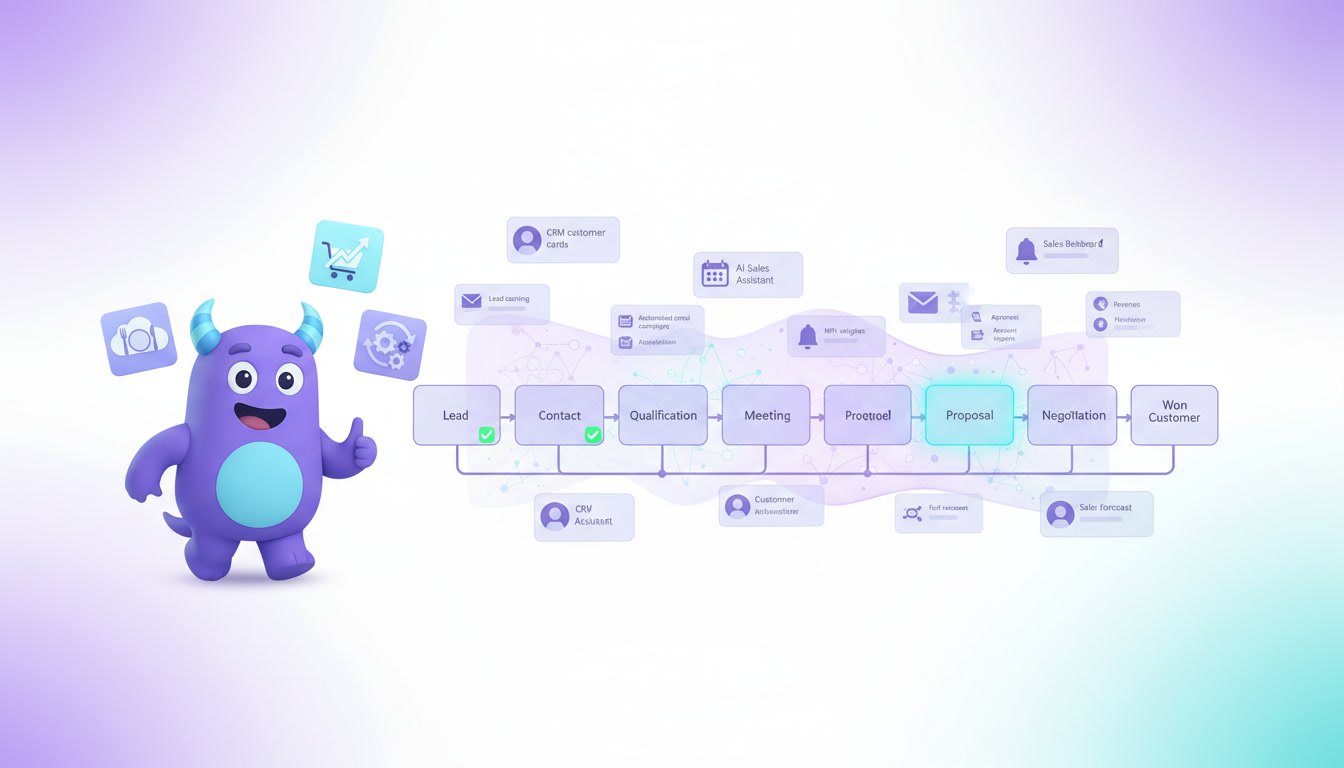
Цей пов'язаний потік створює чіткий шлях клієнта: Лід → Кваліфікована можливість → Угода → Клієнт.
Коли цими етапами керують через одну пов'язану систему, компанії отримують повну прозорість від першої взаємодії до фінального продажу та надалі.
Автоматизація управління лідами
У міру збільшення обсягу лідів керувати кожною дією вручну стає дедалі складніше.
Автоматизація допомагає компаніям підтримувати послідовність без створення додаткової адміністративної роботи.
Наприклад, когда новий лід потрапляє в систему, автоматизований робочий процес може негайно призначити можливість відповідному менеджеру з продажів на основі території, інтересу до продукту, мови, галузі або іншого бізнес-правила.
Система може створити завдання для повторного контакту, надіслати внутрішнє сповіщення, оновити статус ліда та розпочати заздалегідь визначений процес комунікації.
Якщо лід залишається неактивним протягом певного періоду, інший робочий процес може нагадати відповідальному співробітнику або запустити іншу дію.
Автоматизація також може допомогти переміщувати можливості між етапами за виконання певних умов.
Мета автоматизації полягає не в тому, щоб виключити людські відносини з продажів. Вона полягає в усуненні рутинної адміністративної роботи, щоб фахівці з продажів могли витрачати більше часу на спілкування з клієнтами.
Дізнайтеся більше про цей підхід у нашому Посібнику з автоматизації CRM.
Як штучний інтелект змінює управління лідами
Штучний інтелект виводить управління лідами на новий рівень інтелектуалізації.
Традиційні системи управління лідами допомагають компаніям організовувати інформацію та дотримуватися заздалегідь визначених процесів. Системи на базі ШІ можуть йти далі, аналізуючи дані та допомагаючи командам приймати кращі рішення.
ШІ може оцінювати закономірності в поведінці клієнтів, історії комунікацій, залученості та результатах попередніх продажів, щоб визначити, які можливості мають найвищий потенціал конверсії.
Він може допомогти розставити пріоритети серед лідів, виявити неактивні можливості, рекомендувати наступні дії, підсумовувати взаємодії з клієнтами та підтримувати точніше прогнозування.
Для команд продажів, які працюють із великою кількістю потенційних клієнтів, ці можливості можуть значно підвищити фокус і продуктивність.
Замість того щоб вручну переглядати кожну можливість з однаковим рівнем уваги, команди можуть використовувати інсайти, згенеровані ШІ, щоб визначити, де їхній час матиме найбільший ефект.
Проте штучний інтелект працює найкраще, коли він підтримує ефективний процес продажів. ШІ не може компенсувати відсутність даних про клієнтів, нечіткі обов'язки або погано спроектовані робочі процеси.
Найбільш ефективний підхід поєднує структуроване управління лідами, автоматизацію CRM та інтелектуальні можливості ШІ.
Дізнайтеся більше про цю тему в нашому Посібнику з AI CRM.
Метрики управління лідами, які повинен відстежувати кожен бізнес
Ефективний процес управління лідами має бути вимірним.
Без даних компанії можуть знати, скільки лідів вони отримують, але все одно мати слабке уявлення про те, наскільки ефективно цими можливостями керують.
Однією з найважливіших метрик є коефіцієнт конверсії лідів. Він показує, який відсоток лідів зрештою стає кваліфікованими можливостями або клієнтами.
Час відповіді — ще одна цінна метрика. Якщо потенційні клієнти регулярно чекають занадто довго на відповідь, компанія може втрачати можливості ще до початку змістовного спілкування.
Ефективність джерел лідів допомагає компаніям зрозуміти, які канали маркетингу та продажів генерують найцінніші можливості, а не просто найбільшу кількість запитів.
Компанії також повинні контролювати час, який ліди проводять на різних етапах, відсоток можливостей, які стають неактивними, та причини, через які потенційні клієнти дискваліфікуються або втрачаються.
Ці інсайти дозволяють керівникам виявляти вузькі місця та постійно вдосконалювати процес.
Мета полягає не в тому, щоб збирати дані просто для звітності. Мета — використовувати дані для прийняття кращих рішень щодо інвестицій у маркетинг, активностей з продажів, ефективності команди та клієнтського досвіду.
Поширені помилки в управлінні лідами
Навіть компанії з чудовими продуктами та досвідченими командами продажів можуть втрачати можливості через слабкі практики управління лідами.
Однією з поширених помилок є збір занадто великої кількості інформації на ранніх етапах. Довгі форми та складні процеси кваліфікації можуть відлякати потенційних клієнтів ще до початку розмови.
Інша помилка — однакове ставлення до всіх лідів. Потенційний клієнт, який запитує демонстрацію, потребує іншої реакції, ніж той, хто просто завантажив навчальний контент.
Компанії також припускаються помилки, зосереджуючись виключно на нових лідах і ігноруючи старіші можливості. Лід, який не був готовий купувати три місяці тому, зараз може мати зовсім іншу ситуацію.
Низька якість даних — ще одна серйозна проблема. Дублікати записів, неповна інформація та неузгоджені статуси знижують прозорість і роблять автоматизацію менш надійною.
Зрештою, багато компаній впроваджують програмне забезпечення CRM без визначення чіткого процесу. Сама по собі технологія не створює ефективного управління лідами.
Система повинна відображати те, як компанія насправді залучає, кваліфікує, спілкується та конвертує потенційних клієнтів.
Управління лідами для малого бізнесу
Малий бізнес часто вважає, що структуроване управління лідами необхідне лише для великих команд продажів.
Насправді менші компанії можуть отримати навіть більше вигоди, оскільки кожна можливість може мати значний вплив на дохід.
Коли невелика команда одночасно керує продажами, обслуговуванням клієнтів, операційною діяльністю та адмініструванням, ліди можуть легко загубитися.
Структурована система управління лідами створює чіткість без необхідності мати великий відділ продажів.
Нові можливості можна централізувати, призначати відповідальних, планувати повторні контакти, а керівники можуть контролювати весь процес.
Автоматизація може додатково скоротити адміністративну роботу, дозволяючи невеликим командам керувати більшою кількістю можливостей без негайного збільшення штату.
Найголовніше, що раннє впровадження структурованого управління лідами створює масштабовану основу. У міру зростання компанії процес може розвиватися разом із нею, замість того щоб змушувати бізнес перебудовувати свої продажі з нуля.
Як побудувати ефективний процес управління лідами
Першим кроком у побудові ефективного процесу управління лідами є розуміння того, як потенційні клієнти наразі потрапляють у компанію.
Визначте кожне джерело лідів і з'ясуйте, чи стабільно фіксуються ці можливості.
Далі визначте, яка інформація дійсно необхідна для розуміння та управління кожною можливості. Уникайте непотрібної складності, але переконайтеся, що команди продажів мають достатньо контексту для ефективного спілкування.
Потім слід встановити чітку відповідальність. Кожен активний лід повинен мати відповідальну особу або команду.
Компанія також повинна визначити критерії, за якими лід переходить на наступний етап. Ці критерії мають відображати реальну поведінку клієнтів і вимоги бізнесу, а не розпливчасті припущення.
Очікування щодо повторних контактів мають бути чіткими. Менеджери з продажів повинні розуміти, як швидко нові ліди мають отримувати відповіді та як слід керувати неактивними можливостями.
Після визначення процесу можна впроваджувати автоматизацію для зменшення рутинної роботи та підвищення послідовності.
Зрештою, процес слід вимірювати та постійно вдосконалювати. Коефіцієнти конверсії, час відповіді, джерела лідів та втрачені можливості можуть показати, де потрібні зміни.
Успішний процес управління лідами ніколи не буває повністю завершеним. Він розвивається разом зі змінами в бізнесі, клієнтах та на ринку.
Як Lua CRM допомагає компаніям керувати лідами
Lua CRM допомагає компаніям керувати повним шляхом від нового ліда до довгострокового клієнта за допомогою однієї пов'язаної бізнес-платформи.
Замість того щоб тримати потенційних клієнтів у різних електронних таблицях, поштових скриньках та розрізнених додатках, компанії можуть централізувати інформацію про лідів, історію комунікацій, завдання, відповідальність та активність із продажів.
Команди можуть організовувати вхідних лідів, створювати структуровані процеси кваліфікації, призначати можливості, планувати повторні контакти, керувати воронками продажів, автоматизувати рутинні робочі процеси та аналізувати ефективність.
Оскільки управління лідами пов'язане з CRM, управлінням клієнтами, автоматизацією робочих процесів, звітністю та ширшими бізнес-операціями, компанії можуть зберігати прозорість протягом усього життєвого циклу клієнта.
Мета полягає не просто в тому, щоб зберігати більше даних. Вона полягає в створенні структурованої системи, яка допомагає командам відповідати швидше, працювати більш послідовно та конвертувати більше цінних можливостей у клієнтів.
Часті запитання
Що таке управління лідами?
Управління лідами — це процес залучення, організації, кваліфікації, відстеження, вирощування та конвертації потенційних клієнтів через структурований процес продажів.
Чому управління лідами важливе?
Управління лідами допомагає компаніям запобігати втраті можливостей, покращувати час відповіді, підтримувати послідовні повторні контакти та підвищувати коефіцієнт конверсії.
Яка різниця між управлінням лідами та CRM?
Управління лідами — це конкретний процес роботи з потенційними клієнтами, тоді як CRM — це ширша система для управління відносинами з клієнтами, активностями з продажів, комунікацією, автоматизацією та даними клієнтів.
Як CRM допомагає в управлінні лідами?
CRM централізує інформацію про лідів, відстежує комунікацію, призначає відповідальних, створює завдання для повторних контактів, керує прогресом продажів, а також надає можливості звітності та автоматизації.
Чи можна автоматизувати управління лідами?
Так. Компанії можуть автоматизувати залучення лідів, їх розподіл, сповіщення, нагадування про повторні контакти, зміну статусів та багато інших рутинних дій, зберігаючи при цьому людське спілкування в центрі процесу продажів.
Заключні думки
Генерація більшої кількості лідів не створює автоматично більше клієнтів.
Компанії, які досягають стабільного зростання продажів, часто є тими, хто ефективніше керує наявними можливостями.
Ефективний процес управління лідами гарантує, що кожен потенційний клієнт потрапляє в структуровану систему, отримує належну увагу та має чіткий шлях до наступного етапу відносин.
Поєднуючи чіткі процеси з програмним забезпеченням CRM, автоматизацією робочих процесів, аналітикою та штучним інтелектом, компанії можуть зменшити кількість втрачених можливостей і зробити результати продажів більш прогнозованими.
У міру зростання обсягу лідів структуроване управління стає дедалі важливішим. Те, з чим сьогодні можна впоратися за допомогою пам'яті та електронних таблиць, завтра може стати серйозною перешкодою для роботи.
Мета управління лідами проста: гарантувати, що цінні можливості не зникнуть через повільні відповіді, забуті повторні контакти, розпорошену інформацію або нечіткі обов'язки.
Компанії, які будують таку структуру, можуть перетворювати більше вже згенерованих лідів на клієнтів — і створювати міцнішу основу для сталого зростання.
.jpg)