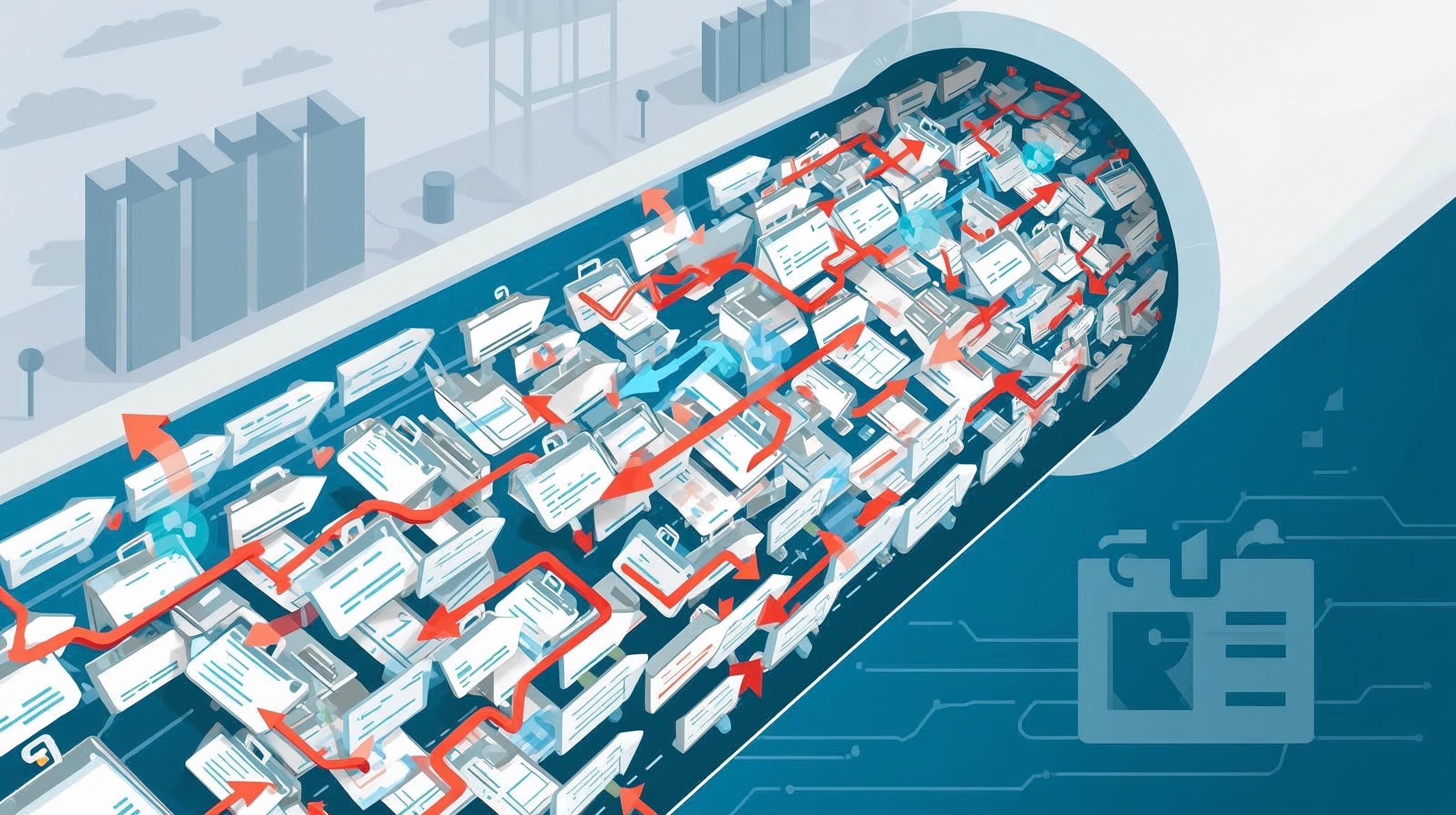
Growth should make a business stronger. More customers, expanding teams, and rising demand usually signal success. Yet many service companies experience the opposite effect as they scale. Delivery slows. Coordination becomes harder. Managers spend more time resolving issues than improving strategy. Despite healthy revenue, progress begins to feel constrained.
These frustrations rarely stem from a lack of talent or market demand. In most cases, the true cause is hidden inside daily operations. Bottlenecks emerge in workflows, approvals, staffing, communication, and reporting. When systems fail to evolve alongside growth, friction becomes inevitable.
How Bottlenecks Appear During Expansion
In early stages, teams rely on informal processes. Conversations happen in hallways or chat tools. Managers personally oversee most projects. Approvals are quick because only a few people are involved. As headcount increases and service lines diversify, this model breaks down.
Work begins to pass through more hands. Information spreads across documents and tools. Responsibilities blur. Decisions wait for email replies. Each delay feels minor in isolation, but together they slow the entire organization.
Common Operational Choke Points
Most growing service companies encounter similar friction patterns. Project kickoffs stall while requirements are clarified. Scheduling becomes complicated as teams juggle overlapping commitments. Approvals pile up when managers lack real-time visibility. Finance waits for delivery confirmation before invoicing, while delivery teams wait for budgets to be approved.
Reporting often becomes another choke point. Leaders ask for updates, and teams scramble to gather numbers from multiple systems. Meetings replace dashboards. Manual reconciliation consumes time that could be spent improving operations.
Why Service Businesses Feel the Impact Faster
Service organizations depend on people, timing, and coordination rather than physical inventory. Labor utilization drives margins. Delays increase costs. Scope changes influence revenue. Without systems connecting these variables, inefficiencies compound quickly.
Because services are delivered in real time, operational failures immediately affect customers. Missed deadlines, unclear communication, and inconsistent billing erode trust even when teams work hard.
The Role of Fragmented Systems
Many bottlenecks originate not from poor planning but from disconnected tools. CRM systems hold customer data. Project platforms track tasks. Finance tools manage invoices. Scheduling apps allocate staff. When these platforms do not share information automatically, employees become the integration layer.
Manual handoffs introduce lag. Errors multiply. Teams create parallel spreadsheets to compensate for missing visibility. Leaders operate with partial insight and react after problems surface instead of preventing them.
How Bottlenecks Affect Profitability and Morale
Operational slowdowns carry real financial consequences. Billable hours are lost while teams wait for approvals. Projects run longer than planned. Overtime rises quietly. Invoices go out late. Cash flow becomes unpredictable.
Employees feel the strain as well. High performers spend time chasing information rather than delivering value. Managers escalate issues informally. Burnout increases. Turnover risk grows just as the business needs stability.
From Constrained Operations to Scalable Workflows
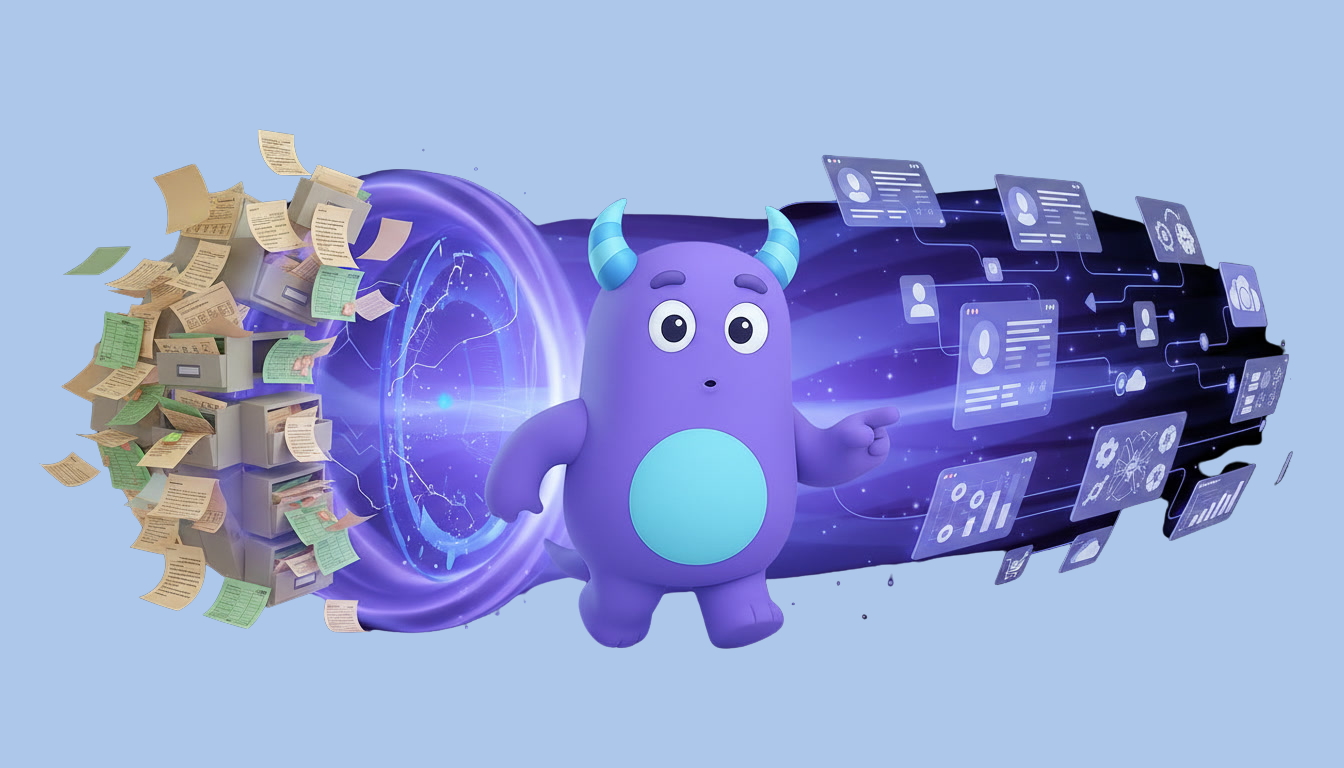
Removing bottlenecks does not require adding layers of bureaucracy. It requires embedding structure into systems. Clear workflows replace ad-hoc coordination. Tasks flow automatically between departments. Approvals follow defined paths. Project milestones trigger billing. Dashboards replace status meetings.
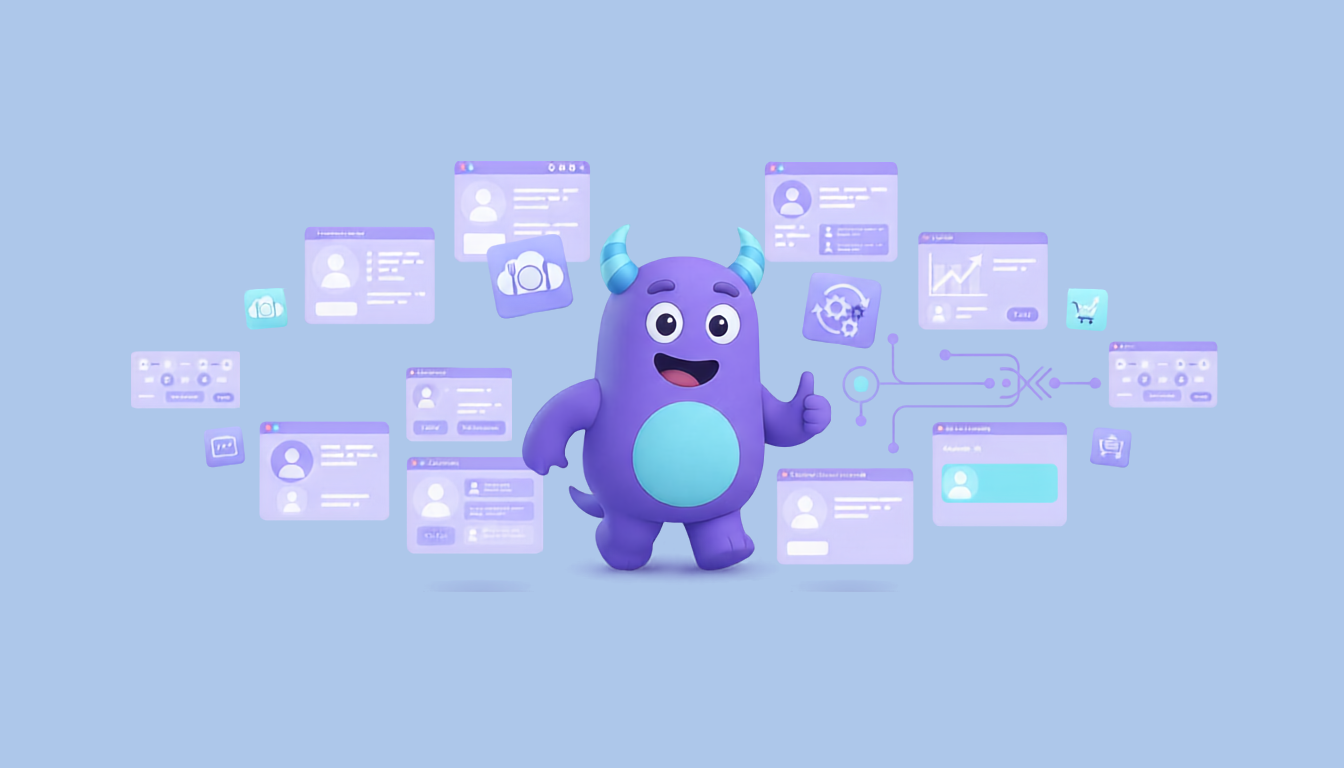
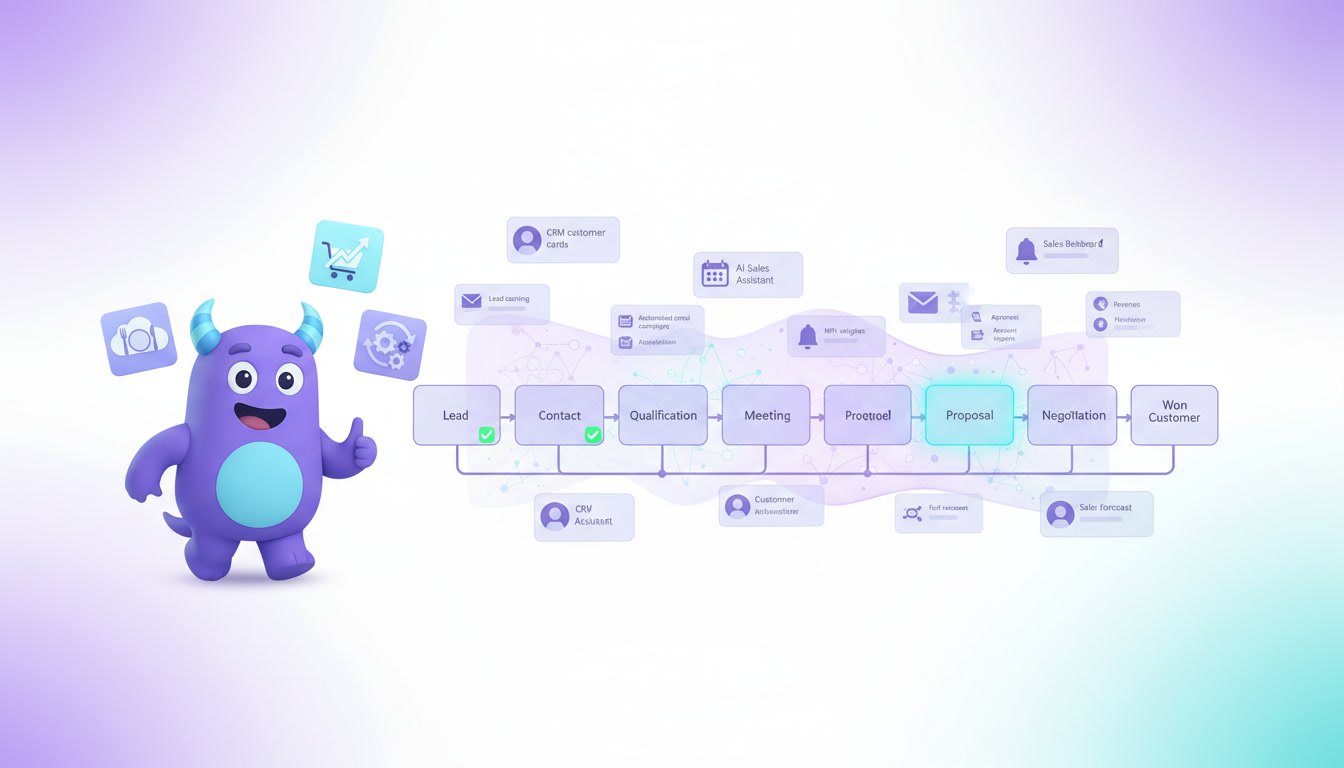
Integrated platforms connect CRM, delivery, scheduling, finance, and reporting into one operational backbone. Everyone works from the same data. Leaders see problems early. Decisions happen faster because information is already available.
The Leadership Moment That Triggers Change
Executives usually recognize the turning point when growth becomes exhausting rather than energizing. Forecasts feel unreliable. Board meetings focus on explaining delays. Hiring plans slow because capacity is unclear. Customer complaints increase even as sales remain strong.
These signals indicate that operational maturity has not kept pace with business maturity. Organizations that modernize workflows early regain momentum. Those that delay often face margin erosion, customer churn, and expensive system overhauls under pressure.
Conclusion
Operational bottlenecks are not a natural consequence of growth. They are a symptom of systems and processes that no longer match the scale of the business. Left unresolved, they quietly limit performance, profitability, and customer satisfaction.
Service companies that invest in integrated workflows and operational clarity remove friction before it becomes a crisis. Speed returns, margins stabilize, and growth becomes sustainable rather than stressful.
.jpg)

.jpg)