.jpg)
Тұтынушылардың кетуі - ең маңызды және ең дұрыс түсінілмеген бизнес көрсеткіштерінің бірі. Көптеген компаниялар жаңа тұтынушыларды тартуға көп көңіл бөледі, бірақ артқы фонда болып жатқан үнсіз шығындарды елемейді. Бірақ кету сіздің өсуіңіздің тұрақты немесе осал екенін білдіреді.
Егер тұтынушылар сіз оларды ұстап тұрғаннан гөрі тезірек кетіп жатса, сіздің бизнесіңіз тұрақсыз, болжауға келмейтін және ауқымды түрде қымбатқа түседі. Кетуді түсіну және одан да маңыздысы, оны азайту ұзақ мерзімді пайдалылық үшін маңызды.
Тұтынушылардың кетуі дегеніміз не?
Тұтынушылардың кетуі белгілі бір кезеңде сізбен бизнес жүргізуді тоқтататын тұтынушылардың пайызын білдіреді. Ол шығынды өлшейді. Кірістің өсуі қызықты болғанымен, кету бұл өсудің берік екенін көрсетеді.
Жазылымға немесе ұстауға негізделген бизнес үшін кету келісімшарттардың күшін жоюды білдіреді. Жобаға негізделген қызмет көрсету бизнесі үшін кету ешқашан қайтып оралмайтын клиенттерді білдіруі мүмкін.
Кету жылдамдығын қалай есептеуге болады
Кетудің негізгі формуласы қарапайым:
Кету жылдамдығы = (Кезең ішінде жоғалған тұтынушылар ÷ Кезеңнің басындағы тұтынушылар) × 100
Мысал: Егер сіз айды 100 тұтынушымен бастасаңыз және 5-ін жоғалтсаңыз,
Кету жылдамдығы = (5 ÷ 100) × 100 = 5%
Тіпті шағын пайыздар да маңызды. Ай сайынғы 5% кету жылдамдығы жыл сайын тұтынушыларыңыздың жартысына жуығын жоғалтуды білдіреді.
Неліктен тұтынушылардың кетуі соншалықты қауіпті
Кету кірістің тұрақтылығына тікелей әсер етеді. Кету жоғары болған кезде, бизнес бірдей кіріс деңгейінде қалу үшін жоғалған тұтынушыларды үнемі ауыстыруы керек. Бұл маркетингтік қысымды, сату жүктемесін және операциялық стрессті арттырады.
Жоғары кету сонымен қатар тұтынушының өмірлік құндылығын (CLV) төмендетеді, бұл сатып алу инвестицияларын тиімсіз етеді. Сіз өсіп келе жатқандай көрінуіңіз мүмкін, бірақ шын мәнінде сіз жүгіру жолында жүгіріп келесіз.
Тұтынушылардың кетуінің жалпы себептері
Кету сирек бір үлкен сәтсіздікке байланысты болады. Әдетте ол жинақталған үйкелістің нәтижесі болып табылады.
- Жауап берудің баяу уақыты
- Қызмет көрсетудің дәйексіздігі
- Белсенді байланыстың болмауы
- Операциялық ұйымдастырушылықтың болмауы
- Түсініксіз күтулер
- Бағаның сәйкес келмеуі
- Тұтынушы тәжірибесінің дәйексіздігі
Кетудің көп бөлігі эмоционалды емес, операциялық болып табылады. Тәжірибе сенімсіз болған кезде тұтынушылар кетеді.
Кетудің ерте ескерту белгілері
Бизнес көбінесе кетудің ерте белгілерін елемейді:
- Байланыстың азаюы
- Төлемдердің кешігуі
- Қызмет көрсетуге сұраныстардың азаюы
- Төмен қатысу
- Жағымсыз кері байланыс үлгілері
Бұл үлгілер көрінген кезде, сіз ерте араласып, шығынның алдын ала аласыз.
Тұтынушылардың кетуін қалай азайтуға болады
Кетуді азайту құрылымды қажет етеді, болжамды емес.
1. Көрінуді жақсарту
Тұтынушылармен байланысты, жобаларды, шоттарды және қатысу тарихын бір жүйеде қадағалаңыз.
2. Жұмыс процестерін стандарттау
Айқын процестер дәйексіздікті және жіберіп алған бақылауларды азайтады.
3. Бақылауларды автоматтандыру
Жоспарланған тексерулер тұтынушылардың ұмытылғандай сезінуіне жол бермейді.
4. Ұстап қалу көрсеткіштерін бақылау
Кетуді ай сайын қадағалаңыз. Шағын жақсартулар уақыт өте келе күшейеді.
5. Бейімделуді күшейту
Алғашқы 30–60 күн ұзақ мерзімді ұстап қалуды анықтайды.
Кету және операциялық жүйелер
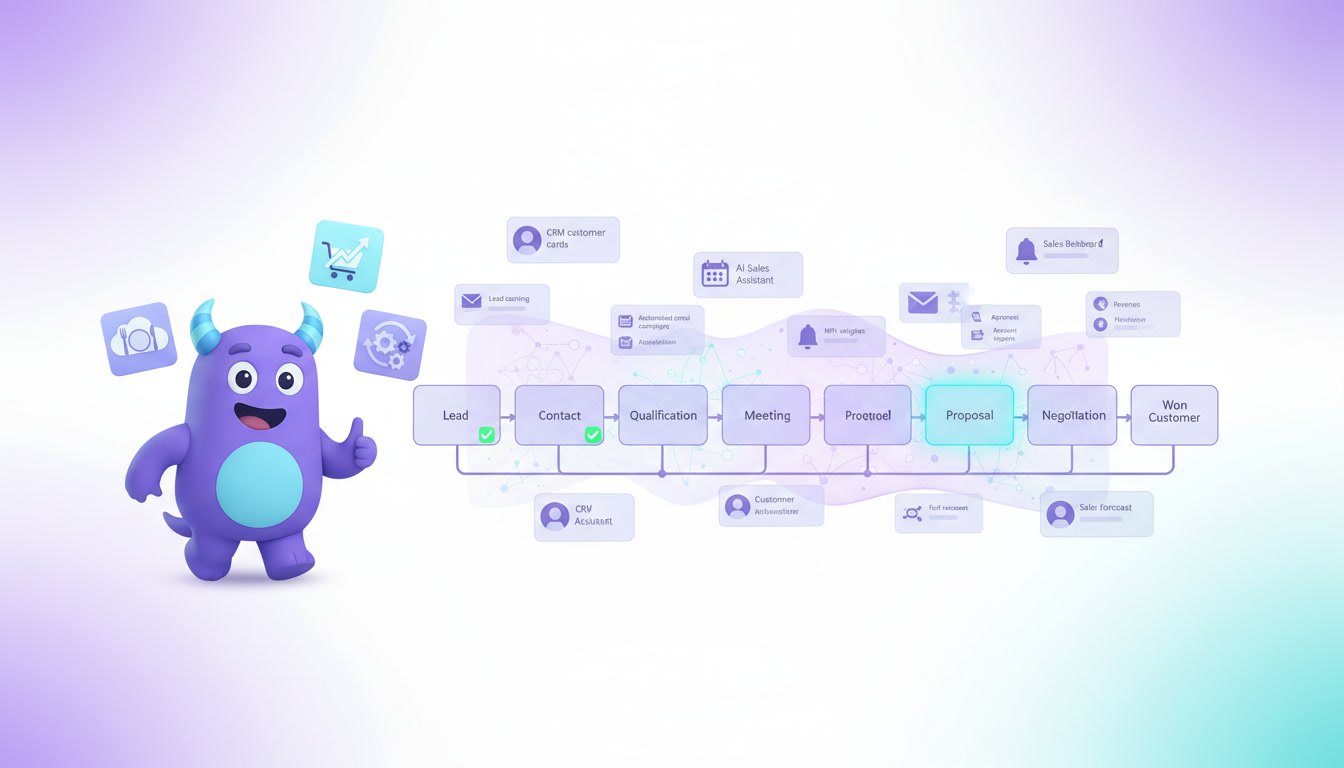
Кету көбінесе операциялық әлсіздікті көрсетеді. Байланыс электрондық пошталар, электрондық кестелер және хабар алмасу қолданбалары арқылы шашыраңқы болған кезде, тұтынушылар жарықтардан өтіп кетеді.
Интеграцияланған жүйелер бизнеске тұтынушының жағдайын бақылауға, еске салғыштарды автоматтандыруға және құрылымдық көрінуді сақтауға мүмкіндік береді. Бұл кетуді құпиядан өлшенетін, басқарылатын көрсеткішке айналдырады.
Қорытынды
Тұтынушылардың кетуі - бұл тек ұстап қалу көрсеткіші ғана емес. Бұл операциялық жетілудің көрінісі. Кетуді бақылайтын, тұтынушылардың көрінуін жақсартатын және жұмыс процестерін стандарттайтын бизнес ұзақ мерзімді тұрақтылықты күшейтеді.
Тұрақты өсу көбірек тұтынушыларды тартудан келмейді. Ол дұрыс тұтынушыларды ұзағырақ ұстап тұрудан және оларға дәйекті түрде қызмет көрсетуден келеді.
.jpg)

.jpg)