.jpg)
Customer churn is one of the most important — and most misunderstood — business metrics. Many companies focus heavily on acquiring new customers while ignoring the silent losses happening in the background. But churn quietly determines whether your growth is sustainable or fragile.
If customers are leaving faster than you retain them, your business becomes unstable, unpredictable, and expensive to scale. Understanding churn — and more importantly, reducing it — is essential for long-term profitability.
What Is Customer Churn?
Customer churn refers to the percentage of customers who stop doing business with you over a specific period. It measures loss. While revenue growth is exciting, churn shows whether that growth is durable.
For subscription or retainer-based businesses, churn means canceled contracts. For project-based service businesses, churn may mean clients who never return.
How to Calculate Churn Rate
The basic churn formula is simple:
Churn Rate = (Customers Lost During Period ÷ Customers at Start of Period) × 100
Example: If you start the month with 100 customers and lose 5,
Churn Rate = (5 ÷ 100) × 100 = 5%
Even small percentages matter. A 5% monthly churn rate means losing nearly half your customers annually.
Why Customer Churn Is So Dangerous
Churn directly impacts revenue stability. When churn is high, businesses must continuously replace lost customers just to stay at the same revenue level. This increases marketing pressure, sales workload, and operational stress.
High churn also reduces Customer Lifetime Value (CLV), making acquisition investments less efficient. You may appear to be growing, but in reality, you"re running on a treadmill.
Common Causes of Customer Churn
Churn rarely happens because of one major failure. It usually results from accumulated friction.
- Slow response times
- Inconsistent service delivery
- Lack of proactive communication
- Operational disorganization
- Unclear expectations
- Pricing misalignment
- Customer experience inconsistency
Most churn is operational, not emotional. Customers leave when the experience becomes unreliable.
Early Warning Signs of Churn
Businesses often ignore early churn signals:
- Reduced communication
- Delayed payments
- Fewer service requests
- Lower engagement
- Negative feedback patterns
When these patterns are visible, you can intervene early and prevent loss.
How to Reduce Customer Churn
Reducing churn requires structure, not guesswork.
1. Improve Visibility
Track customer communication, projects, invoices, and engagement history in one system.
2. Standardize Workflows
Clear processes reduce inconsistency and missed follow-ups.
3. Automate Follow-Ups
Scheduled check-ins prevent customers from feeling forgotten.
4. Monitor Retention Metrics
Track churn monthly. Small improvements compound over time.
5. Strengthen Onboarding
The first 30–60 days determine long-term retention.
Churn and Operational Systems
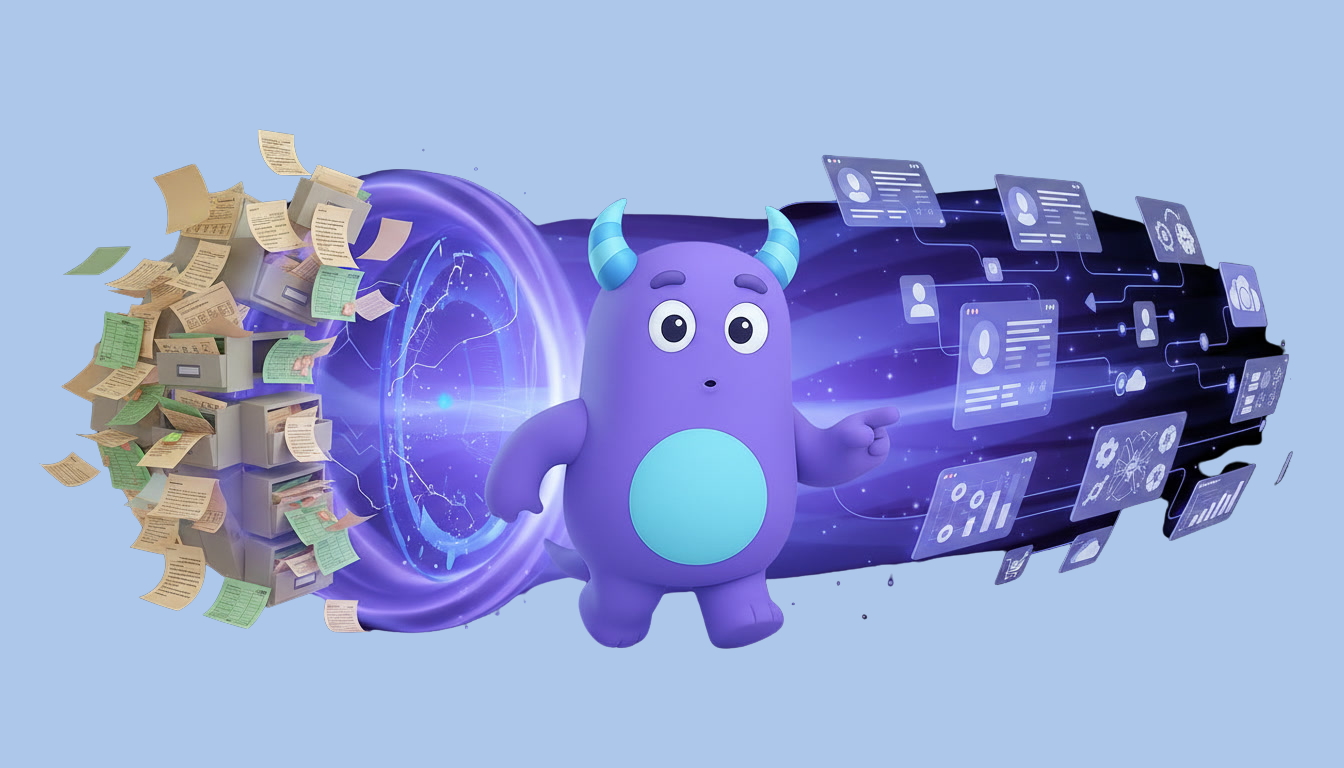
Churn often reflects operational weakness. When communication is scattered across emails, spreadsheets, and messaging apps, customers fall through cracks.
Integrated systems allow businesses to track customer health, automate reminders, and maintain structured visibility. This transforms churn from a mystery into a measurable, manageable metric.
Conclusion
Customer churn is not just a retention metric. It is a reflection of operational maturity. Businesses that monitor churn, improve customer visibility, and standardize workflows build stronger long-term stability.
Sustainable growth does not come from acquiring more customers. It comes from keeping the right customers longer — and serving them consistently.
.jpg)

.jpg)