Жасанды интеллект бұдан былай тек ірі технологиялық компанияларға ғана арналған футуристік тұжырымдама емес. Бүгінде кез келген көлемдегі бизнес өнімділікті арттыру, қайталанатын жұмыстарды автоматтандыру, жақсырақ шешімдер қабылдау және тұтынушыларға жақсырақ қызмет көрсету үшін ЖИ-ді қолдануда. Стартаптар мен шағын бизнестен бастап жаһандық кәсіпорындарға дейін жасанды интеллект заманауи бизнес операцияларының маңызды бөлігіне айналуда.
Осыдан бірнеше жыл бұрын ғана ЖИ негізінен чат-боттармен және қарамыйым автоматтандыру құралдарымен байланыстырылатын. Бүгінде ол зияткерлік көмекшілердің, болжамды аналитиканың, жұмыс процесін автоматтандырудың, тұтынушылармен қарым-қатынасты басқарудың (CRM), қаржылық болжаудың, тауарлық-материалдық қорларды оңтайландырудың, құжаттарды өңдеудің және басқа да сансыз бизнес әрекеттерінің жұмысын қамтамасыз етеді.
ЖИ-ді сәтті енгізген ұйымдар операциялық шығындарды азайтып, қызметкерлердің өнімділігін арттырып, шешім қабылдауды жақсартып, әлі де қолмен атқарылатын процестерге қатты сенетін бәсекелестеріне қарағанда тезірек ауқымдануда.
ЖИ бизнесті алмастырмайды — ол бизнестің жұмыс істеу тәсілін өзгертеді.
Деректерді енгізуге, ақпарат іздеуге, есептер жасауға, тапсырмаларды тағайындауға немесе тұтынушылардың қайталанатын сұрақтарына жауап беруге сағаттап уақыт жұмсаудың орнына, қызметкерлер стратегияға, шығармашылыққа, тұтынушылармен қарым-қатынасқа және бизнестің өсуіне назар аудара алады, ал ЖИ күнделікті операциялық жұмыстарды өз мойнына алады.
Сатуды, қаржыны, тұтынушыларға қызмет көрсетуді, маркетингті, операцияларды, адами ресурстарды немесе тауарлық-материалдық қорларды басқарсаңыз да, жасанды интеллект бизнесіңіздің кез келген дерлік аспектісін жақсартуға мүмкіндік береді.
Бизнес операцияларындағы ЖИ дегеніміз не?
Бизнес операцияларындағы жасанды интеллект күнделікті бизнес әрекеттерінде ақпаратты талдауға, заңдылықтарды тануға, ұсыныстар жасауға және шешімдерді автоматтандыруға қабілетті зияткерлік бағдарламалық жасақтаманы пайдалануды білдіреді.
Бекітілген нұсқауларды орындайтын дәстүрлі бағдарламалық жасақтамадан айырмашылығы, ЖИ деректерден үздіксіз үйренеді және уақыт өте келе ақылдырақ жауаптар береді. Заманауи ЖИ жүйелері табиғи тілді түсіне алады, ақпаратты жіктей алады, құжаттарды қысқаша тұжырымдай алады, болашақ нәтижелерді болжай алады, есептер жасай алады, келесі әрекеттерді ұсына алады және күрделі жұмыс процестерін автоматтандыра алады.
Бизнес операциялары ұйымның тиімді жұмыс істеуін қамтамасыз ету үшін қажетті әрбір процесті қамтиды. Сату, тұтынушыларға қызмет көрсету, қаржы, бухгалтерлік есеп, сатып алу, тауарлық-материалдық қорларды басқару, жобаларды басқару, қызметкерлерді басқару, есеп беру және ішкі мақұлдаулардың барлығы күнделікті операциялардың бөлігі болып табылады.
Жасанды интеллект қолмен атқарылатын жұмысты азайта отырып, қызметкерлерге жылдамырақ әрі негізделген шешімдер қабылдауға көмектесу арқылы осы процестерді жақсартады.
Неліктен бизнестер ЖИ-ге инвестиция салуда?
Бизнес ортасы барған сайын күрделене түсуде. Ұйымдар бұрынғыдан да көп деректер шығарады, тұтынушылар жылдамырақ жауап күтеді, қызметкерлер үлкенірек жұмыс жүктемесін басқарады және бәсекелестік әр салада өсуін жалғастыруда.
Дәстүрлі қолмен атқарылатын процестер заманауи бизнес талаптарына ілесе алмайды.
Жасанды интеллект бизнестің бірнеше секунд ішінде үлкен көлемдегі ақпаратты өңдеуге, мүмкіндіктерді анықтауға, тәуекелдерді анықтауға, қайталанатын жұмыстарды автоматтандыруға және ұйымдардың тиімдірек жұмыс істеуіне көмектесетін нақты уақыт режимінде ұсыныстар беруге мүмкіндік береді.
Компаниялар ЖИ-ді тек инновациялық болғаны үшін ғана енгізіп жатқан жоқ. Олар оның өлшенетін бизнес құндылығын беретіндігі үшін инвестиция салуда.
ЖИ-ді енгізетін ұйымдар көбінесе операциялық шығындардың төмендеуін, тұтынушыларға жауап беру уақытының жылдамдауын, қызметкерлердің өнімділігінің артуын, болжаудың жақсаруын, тұтынушылардың қанағаттанушылығының артуын және жалпы бизнестің тиімділігінің артуын байқайды.
ЖИ сату операцияларын қалай өзгертеді?
Сату топтары күн сайын орасан зор ақпарат көлемін шығарады. Жаңа лидтер CRM жүйесіне түседі, мүмкіндіктер сату шұңғыры арқылы жылжиды, кездесулер жоспарланады, электрондық хаттар алмасады, ұсыныстар жасалады және кейінгі әрекеттер үнемі қажет болады.
Жасанды интеллект осы қайталанатын әрекеттердің көбін автоматтандыруға көмектеседі.
ЖИ алдын ала белгіленген критерийлер негізінде кіріс лидтерді іріктей алады, құндылығы жоғары мүмкіндіктерге басымдық бере алады, келесі ең жақсы әрекетті ұсына алады, жекелендірілген электрондық хаттардың жобаларын жасай алады, тұтынушылармен әңгімелерді қысқаша тұжырымдай алады, кейінгі ескертулерді жоспарлай алады және жабылу ықтималдығы жоғары мәмілелерді анықтай алады.
Сату менеджерлері сонымен қатар шұңғыр тәуекелдерін анықтайтын, болашақ кірісті болжайтын және дереу назар аударуды қажет ететін мүмкіндіктерді көрсететін болжамды аналитиканың пайдасын көреді.
CRM жазбаларын қолмен жаңартуға сағаттап уақыт жұмсаудың орнына, сату өкілдері тұтынушылармен қарым-қатынас орнатуға және мәмілелерді жабуға назар аудара алады.
Тұтынушыларды қолдау қызметіндегі ЖИ
Тұтынушылардың күтулері арта түсуде. Адамдар бизнестің жылдам жауап беруін, нақты жауаптар беруін және мәселелерді тиімді шешуін күтеді.
Жасанды интеллект тұтынушыларды қолдау топтарына жұмыс жүктемесін азайта отырып, жақсырақ қызмет көрсетуге көмектеседі.
ЖИ негізіндегі көмекшілер кіріс қолдау сұрауларын автоматты түрде жіктей алады, олардың басымдылығын анықтай алады, жауаптар ұсына алады, тұтынушы тарихын қысқаша тұжырымдай алады, білім базасының мақалаларын ұсына алады және күрделі сұрауларды тиісті мамандарға бағыттай алады.
Қолдау көрсету менеджерлері қызмет көрсету сапасын бақылау, SLA бұзылуын болжау, тұтынушылардың қайталанатын мәселелерін анықтау және тұтынушылардың қанағаттану трендтерін талдау үшін ЖИ-ді пайдалана алады.
ЖИ қолдау көрсету агенттерін алмастырудың орнына, қажетті уақытта тиісті ақпаратты ұсыну арқылы оларға мәселелерді тезірек шешуге мүмкіндік береді.
Жұмыс процесін автоматтандыруға арналған ЖИ
Жұмыс процесін автоматтандыру жасанды интеллекттің ең құнды қолдану салаларының біріне айналды.
Дәстүрлі жұмыс процестері алдын ала белгіленген ережелерге бағынады. Жасанды интеллект жұмыс процестерін ақылдырақ ету арқылы тағы бір деңгей қосады.
Тапсырмаларды бір кезеңнен екінші кезеңге жай ғана ауыстырудың орнына, ЖИ тапсырмалардың басымдықтарын анықтай алады, мақұлдаушыларды ұсына алады, процестегі кедергілерді анықтай алады, кешігулерді болжай алады және жақсартуларды автоматты түрде ұсына алады.
Мысалы, ЖИ тұтынушының сұранысы оның мазмұнына байланысты шұғыл екенін тани алады, оны аға қызметкерге автоматты түрде тағайындай алады, менеджерлерге хабарлай алады және мәселені шешудің ең жылдам жолын ұсына алады.
Автоматтандыру мен интеллекттің бұл үйлесімі бизнеске қолмен шешім қабылдауды азайта отырып, операциялық тиімділікті арттыруға мүмкіндік береді.
Қаржы және бухгалтерлік есептегі ЖИ
Қаржы бөлімдері шот-фактураларды өңдейді, төлемдерді басқарады, есептер дайындайды, бюджеттерді бақылайды және қаржылық дәлдікті қамтамасыз етеді. Бұл әрекеттер көбінесе қайталанатын әкімшілік жұмыстарды қамтиды.
Жасанды интеллект шот-фактуралардан ақпаратты ала алады, қайталанатын төлемдерді анықтай алады, шығыстарды санаттарға бөле алады, ақша ағынын болжай алады, әдеттен тыс қаржылық транзакцияларды анықтай алады және басқарушылық есептерді автоматты түрде жасай алады.
Деректерді қолмен енгізуді азайту және дәлдікті арттыру арқылы қаржы топтары қағаз жұмыстарын өңдеудің орнына бизнестің тиімділігін талдауға көбірек уақыт бөле алады.
Адам ресурстарындағы (HR) ЖИ
Адам ресурстары бөлімдері қызметкерлерді жалдауды, бейімдеуді, қызметкерлердің жазбаларын, жұмыс нәтижелерін бағалауды, демалыс сұрауларын, оқытуды және ішкі коммуникацияны басқарады. Бұл әрекеттердің көбі құнды уақытты алатын қайталанатын әкімшілік тапсырмаларды қамтиды.
Жасанды интеллект HR топтарына үміткерлерді іріктеуді автоматтандыруға, сұхбаттарды жоспарлауға, түйіндемелерді қысқаша мазмұндауға, қызметкерлердің сұрақтарына жауап беруге, лауазымдық нұсқаулықтарды жасауға және жаңа қызметкерлерді бейімдеуге көмектеседі.
ЖИ сонымен қатар қызметкерлердің белсенділігін талдай алады, жұмыстан кету қаупін анықтай алады, оқу мүмкіндіктерін ұсына алады және менеджерлерге мықты әрі өнімді топтар құруға көмектесетін түсініктер бере алады.
Өтінімдерді қарауға немесе қызметкерлердің жазбаларын жаңартуға сағаттап уақыт жұмсаудың орнына, HR мамандары таланттарды дамытуға және қызметкерлердің тәжірибесін жақсартуға назар аудара алады.
Маркетингтегі ЖИ
Маркетинг барған сайын деректерге негізделіп келеді. Бизнестер күн сайын веб-сайттардан, жарнамалық науқандардан, әлеуметтік желілерден, email-маркетингтен және тұтынушылармен өзара әрекеттесуден ақпарат жинайды.
Жасанды интеллект маркетологтарға бұл ақпаратты дәстүрлі есеп беру әдістеріне қарағанда әлдеқайда жылдам талдауға мүмкіндік береді.
ЖИ аудиторияны автоматты түрде сегменттей алады, маркетингтік науқандарды дербестендіре алады, мазмұнды ұсына алады, жарнамалық бюджеттерді оңтайландыра алады, маркетингтік мәтіндерді жаза алады, тұтынушылардың мінез-құлқын талдай алады және науқанның тиімділігін болжай алады.
Кәсіпорындар науқандарды басқаруға қажетті қолмен атқарылатын жұмыс көлемін азайта отырып, өзектірек мазмұнды ұсына алады.
Маркетинг топтары сонымен қатар қай арналар, аудиториялар және науқандар инвестициядан ең жоғары қайтарымды (ROI) әкелетінін анықтайтын ЖИ арқылы жасалған түсініктерден пайда көреді.
Түгендеу және операциялардағы ЖИ
Түгендеуді (қойманы) басқару бизнестен өнімнің қолжетімділігі мен операциялық шығындар арасындағы дұрыс теңгерімді сақтауды талап етеді.
Шамадан тыс тауар қоры сақтау шығындарын арттырады, ал тауардың жеткіліксіздігі жеткізудің кешігуіне және сатылымның жоғалуына әкеледі.
Жасанды интеллект болашақтағы қор қажеттіліктерін болжау үшін сатып алу үрдістерін, маусымдық сұранысты, тарихи сатылымдарды, жеткізушілердің жұмысын және тауар айналымын талдайды.
Тек қолмен жасалған болжамдарға сенудің орнына, ұйымдар қалдықтарды азайтып, тұтынушылардың қанағаттанушылығын арттыра отырып, тауар қорын дәлірек толтыра алады.
Операциялық топтар сонымен қатар кестелерді, техникалық қызмет көрсетуді жоспарлауды, логистиканы, өндірісті жоспарлауды және жеткізушілерді басқаруды оңтайландыру үшін ЖИ-ді пайда алады.
ЖИ негізіндегі шешім қабылдау
Жасанды интеллекттің ең үлкен артықшылықтарының бірі — оның жақсырақ бизнес шешімдерін қабылдауға қолдау көрсету қабілеті.
Басшылар мен менеджерлер көбінесе есептерге, электрондық кестелерге және жеке тәжірибеге сүйене отырып шешім қабылдайды. Тәжірибе құнды болып қалғанымен, ЖИ бірнеше секунд ішінде айтарлықтай үлкен ақпарат көлемін талдау арқылы тағы бір деңгей қосады.
ЖИ жасырын заңдылықтарды анықтай алады, операциялық қауіптерді таба алады, болашақ сұранысты болжай алады, баға белгілеу стратегияларын ұсына алады, тұтынушылардың кетуін болжай алады және болашақ кірісті бағалай алады.
Шешім қабылдаушылар жай ғана өңделмеген деректерді қараудың орнына, әрекет етуге дайын түсініктер алады.
Бұл ұйымдарға тезірек әрекет етуге және неғұрлым негізделген стратегиялық шешімдер қабылдауға мүмкіндік береді.
Болжамдық талдау
Дәстүрлі есеп беру бұрын не болғанын түсіндіреді.
Болжамдық талдау келесіде не болуы мүмкін екенін бағалау үшін Жасанды интеллектті пайдаланады.
Бизнестер тұтынушылардың сатып алу мінез-құлқын болжай алады, сатып алу ықтималдығы ең жоғары лидтерді анықтай алады, болашақ сатылымдарды бағалай алады, тауар қорына сұранысты болжай алады, жобаның кешігуін алдын ала біле алады және операциялық қауіптерді олар үлкен мәселеге айналмай тұрып анықтай алады.
Болжамдық талдау ұйымдарға реактивті болудың орнына, белсенді (проактивті) болуға мүмкіндік береді.
Бизнес операцияларындағы ЖИ-дің пайдасы
Жасанды интеллект дерлік әрбір бөлімде өлшенетін жақсартуларды қамтамасыз етеді.
Ұйымдар қайталанатын қолмен атқарылатын жұмысты азайтады, операциялық тиімділікті арттырады, қызметкерлердің өнімділігін арттырады, адам факторынан болатын қателерді азайтады, тұтынушыларға жауап беру уақытын жылдамдатады, болжау дәлдігін жақсартады және бизнестің тиімділігін тереңірек көре алады.
Қызметкерлер әкімшілік әрекеттерге аз уақыт жұмсап, мәселелерді шешуге, тұтынушылармен қарым-қатынас орнатуға және құндылық жасауға көбірек уақыт бөледі.
Менеджерлер нақты уақыттағы бақылау панелдеріне (dashboards), зияткерлік ұсыныстарға және шешім қабылдауды жылдамдатуға қолдау көрсететін болжамдық түсініктерге қол жеткізеді.
Тұтынушылар да жылдамырақ қызмет көрсету, жекелендірілген коммуникация және жақсартылған жалпы тәжірибе арқылы пайда көреді.
ЖИ-ді ендірудегі қиындықтар
Жасанды интеллект айтарлықтай артықшылықтар ұсынғанымен, оны сәтті енгізу мұқият жоспарлауды талап етеді.
Жиі кездесетін қиындықтардың бірі — деректердің сапасыздығы. ЖИ жүйелері дәл, толық және жақсы ұйымдастырылған ақпаратқа тәуелді. Сәйкес келмейтін немесе ескірген деректер ЖИ ұсыныстарының сапасын төмендетеді.
Тағы бір қиындық қызметкерлердің бейімделуіне байланысты. ЖИ қызметкерлерді алмастыратын құрал ретінде емес, оларға қолдау көрсететін құрал ретінде енгізілуі керек.
Ұйымдар сондай-ақ құпиялылықты, қауіпсіздікті, басқаруды және қолданыстағы бағдарламалық жүйелермен интеграцияны ескеруі қажет.
Дұрыс енгізуге, қызметкерлерді оқытуға және үздіксіз жетілдіруге инвестиция салатын бизнес әдетте ең жоғары ұзақ мерзімді нәтижелерге қол жеткізеді.
ЖИ енгізудің озық тәжірибелері
Ұйымдар ЖИ-ді жай ғана танымал технология болғаны үшін емес, нақты анықталған бизнес мақсаттардан бастап енгізуі керек.
Ең сәтті ЖИ жобалары қолмен атқарылатын жұмысты азайту, тұтынушыларға жауап беру уақытын жақсарту, мақұлдауларды автоматтандыру немесе есептіліктің дәлдігін арттыру сияқты нақты операциялық мәселелерді шешуге бағытталған.
Кәсіпорындар шағын автоматтандыру жобаларынан бастап, нәтижелерді өлшеп, қызметкерлердің пікірлерін жинап, ЖИ-ді басқа бөлімдерге біртіндеп енгізуі керек.
Жоғары сапалы деректер, нақты құжатталған процестер және қызметкерлердің белсенді қатысуы енгізудің сәтті өтуін айтарлықтай арттырады.
Lua CRM жасанды интеллектті қалай қолданады
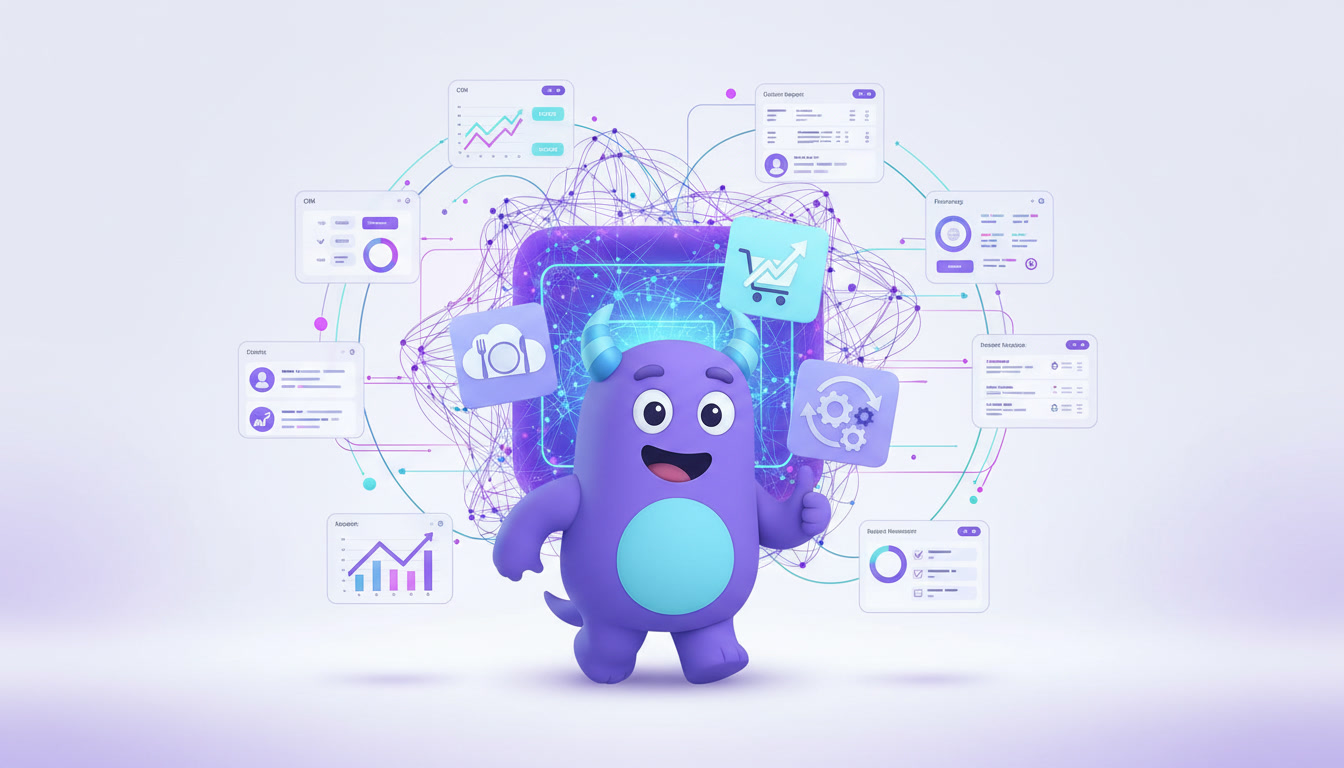
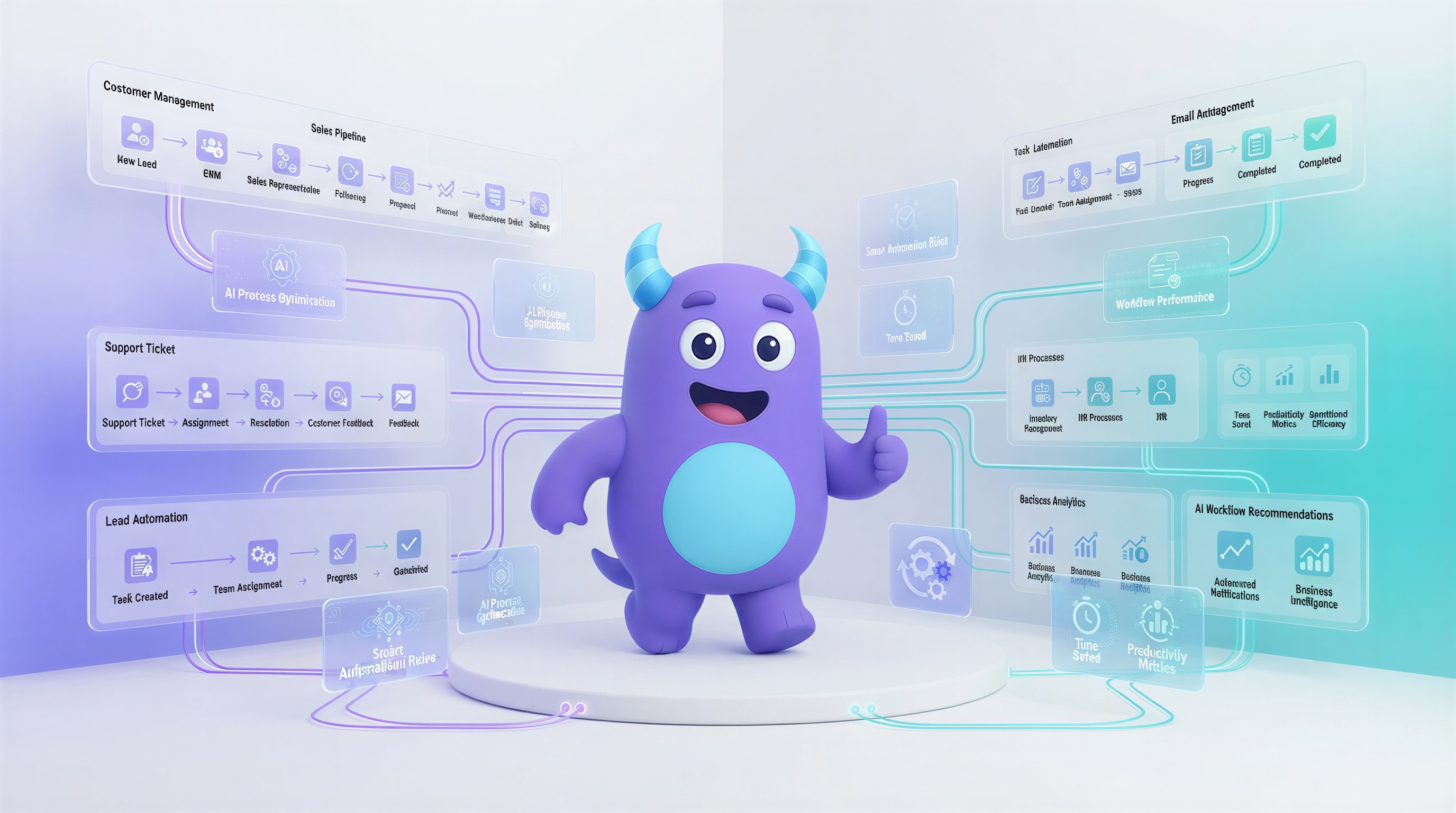
Lua CRM ұйымдардың тиімдірек жұмыс істеуіне көмектесу үшін Жасанды интеллектті CRM, ERP, жұмыс процесін автоматтандыру, есеп беру, талдау және бизнес-процестерді басқару жүйелерімен біріктіреді.
ЖИ қайталанатын тапсырмаларды автоматтандыру, есептер жасау, тұтынушылармен сөйлесулерді қорытындылау, жұмыс процестерін ұйымдастыру, келесі әрекеттерді ұсыну және зияткерлік бизнес түсініктер беру арқылы бизнеске көмектеседі.
Ұйымдар бір-бірімен байланысы жоқ қолданбалармен жұмыс істеудің орнына, тұтынушыларды, операцияларды, қаржыны, жобаларды, қолдау қызметін, қойманы және автоматтандыруды бір зияткерлік платформадан басқара алады.
ЖИ-ді жұмыс процесін автоматтандырумен және бизнес-талдаумен біріктіре отырып, Lua CRM кәсіпорындарға қолмен атқарылатын жұмысты азайтуға, сонымен бірге өнімділікті, ынтымақтастықты және шешім қабылдауды жақсартуға мүмкіндік береді.
Жиі қойылатын сұрақтар
ЖИ бизнес операцияларын қалай өзгертеді?
ЖИ қайталанатын жұмыстарды автоматтандырады, шешім қабылдауды жақсартады, үлкен көлемдегі деректерді талдайды, болашақ нәтижелерді болжайды және бизнестің тиімдірек жұмыс істеуіне көмектеседі.
Шағын бизнес ЖИ-ден пайда көре ала ма?
Иә. Қазіргі заманғы ЖИ құралдары қолжетімді және шағын бизнеске операциялық шығындарды айтарлықтай арттырмай-ақ жұмыс процестерін автоматтандыруға, тұтынушыларға қызмет көрсетуді жақсартуға және өнімділікті арттыруға көмектеседі.
Қай бөлімдер ЖИ-ден көбірек пайда көреді?
Сату, тұтынушыларды қолдау, қаржы, маркетинг, адам ресурстары, операциялар, қоймаларды басқару және басшылық — барлығы Жасанды интеллекттің пайдасын көреді.
ЖИ қызметкерлерді алмастыра ма?
Жоқ. ЖИ қайталанатын тапсырмаларды автоматтандыруға және қызметкерлерге сапалы ақпаратпен қолдау көрсетуге арналған, бұл оларға шығармашылықты, қарым-қатынасты және стратегиялық ойлауды талап ететін маңыздырақ жұмыстарға назар аударуға мүмкіндік береді.
ЖИ-дің ең үлкен артықшылығы қандай?
ЖИ-дің ең үлкен артықшылығы — өнімділікті арттыра отырып, ұйымдарға жылдамырақ әрі неге негізделген бизнес шешімдерін қабылдауға көмектесу қабілеті.
Қорытынды ойлар
Жасанды интеллект ұйымдардың жұмыс істеу тәсілін түбегейлі өзгертуде. Кәсіпорындар қарапайым автоматтандырудан асып, ақпаратты талдауға, жұмыс процестерін оңтайландыруға, қызметкерлерді қолдауға және нақты уақыт режимінде шешім қабылдауды жақсартуға қабілетті зияткерлік жүйелерге көшуде.
ЖИ-ді күнделікті операцияларына сәтті біріктіретін компаниялар тиімділікті арттыру, операциялық шығындарды азайту, тұтынушылар тәжірибесін жақсарту және бизнес көрсеткіштерін нығайту арқылы айтарлықтай бәсекелестік артықшылыққа ие болады.
ЖИ технологиясы дамуын жалғастырған сайын, бүгіннен бастап зияткерлік автоматтандыруды енгізген ұйымдар ертеңгі бизнес қиындықтарына жақсырақ дайын болады.
Бизнес операцияларының болашағы жай ғана цифрлық емес — ол зияткерлік сипатқа ие. Жасанды интеллектті CRM, ERP, жұмыс процесін автоматтандыру, есеп беру және талдау жүйелерімен біріктіретін кәсіпорындар ұзақ мерзімді тұрақты өсуге қабілетті жылдамырақ, ақылдырақ және ауқымдырақ ұйымдар құрады.
.jpg)
.png)