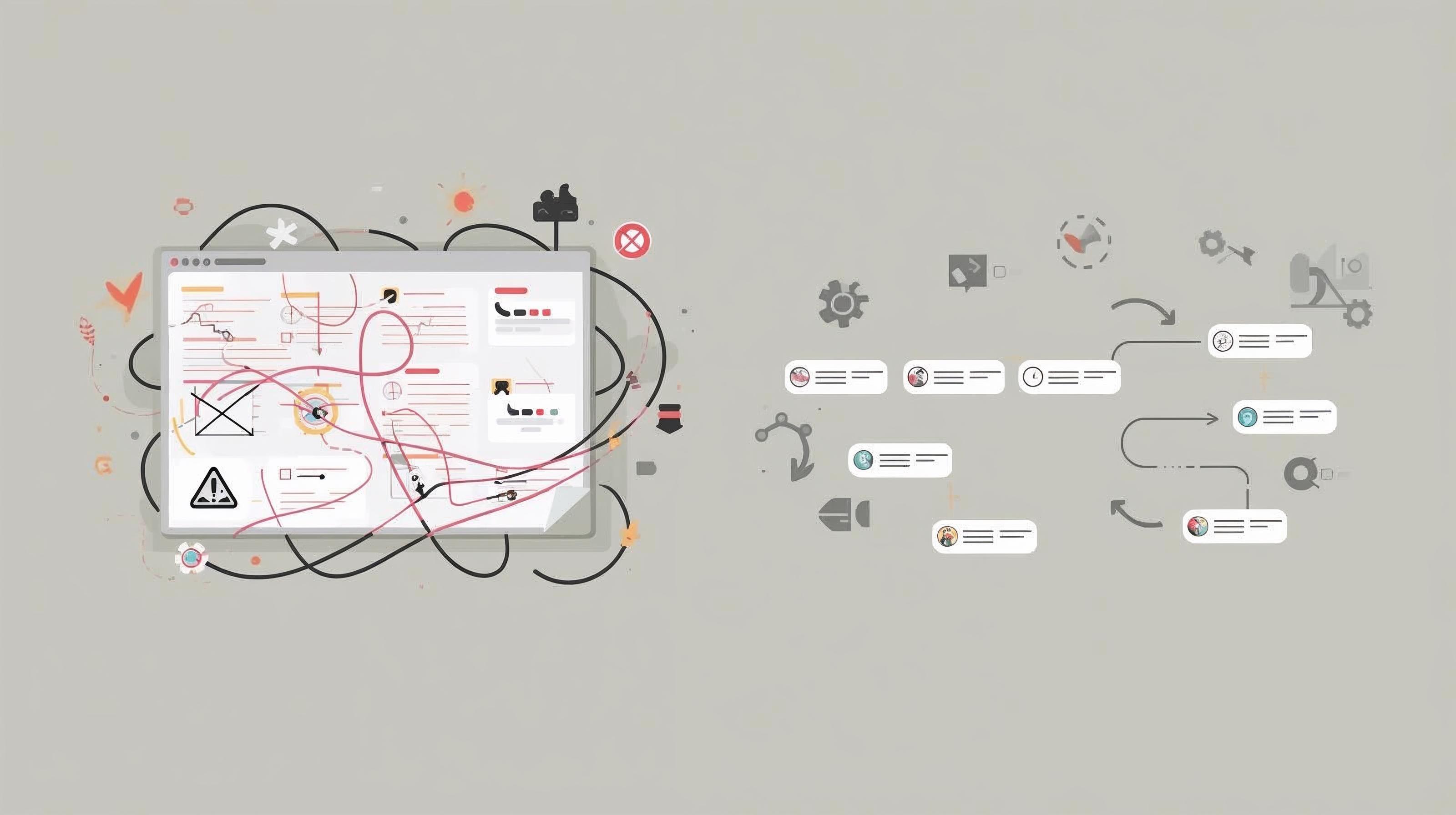

Service businesses rely heavily on projects—whether it is completing a service order, delivering a specialized job, executing a client request, or managing long-term contracts. Every project involves timelines, resources, communication, approvals, and coordinated execution. When these elements are not properly managed, mistakes occur. And in service industries, mistakes quickly lead to delays, customer dissatisfaction, and lost revenue.
This article explores the most common project mistakes service businesses make and offers practical recommendations to avoid them. The goal is to help service companies operate with greater clarity, improve delivery quality, and reduce inefficiencies that harm both profitability and client relationships.
1. Lack of Clear Project Scope and Requirements
One of the most frequent project problems is beginning work without a clearly defined scope. Many service teams start projects based on verbal communication, incomplete information, or assumptions. As a result, they encounter misunderstandings later—either with the internal team or with the client.
When scope is unclear, teams waste time correcting mistakes, revising work, or handling client disputes. This reduces productivity and increases costs.
To avoid this, each project should begin with a simple but structured definition of work: objectives, deliverables, required steps, timelines, and responsibilities. A centralized system ensures the entire team sees the same information.
2. Poor Task Breakdown and Missing Steps
Many service companies create projects with broad descriptions but fail to break work into specific, actionable tasks. Without task-level clarity, the team does not fully understand what needs to be done, which leads to inconsistent execution and bottlenecks.
Missing steps in a project flow are equally problematic. When no one documents the required sequence or the dependencies between tasks, teams lose track of progress and often skip important details.
Using structured task lists within each project ensures that responsibilities are clear, work is traceable, and no critical steps are overlooked.
3. No Assigned Ownership or Accountability
A frequent project management mistake is assigning tasks to “the team” instead of a specific person. When ownership is unclear, everyone assumes someone else will handle the work. This leads to delays, duplicated efforts, or unfinished tasks.
Service businesses can avoid this by assigning each task or project stage to a single responsible owner. Even if others help, responsibility must be clearly defined. Accountability improves speed, reduces confusion, and increases performance consistency.
4. Ineffective Communication and Lack of Updates
Communication failures are one of the leading causes of project delays in service organizations. Teams may rely on chat messages, scattered emails, or in-person conversations that are never documented. As a result, updates get lost, instructions are misinterpreted, and decisions are forgotten.
Customers also often experience frustration when they are not updated on progress or do not know the status of their project. This creates unnecessary tension and reduces trust.
Centralizing project communication and maintaining documented updates solves this problem. When communication is connected to tasks and project stages, teams stay aligned and clients feel informed.
5. No Standard Workflow or Delivery Process
Many service companies treat every project as a one-time event, even when the same type of work is repeated every day. Without standard workflows, the team improvises solutions, causing inconsistent quality, unpredictable delivery, and varying customer experiences.
Standardizing workflows ensures every project follows a proven structure. This reduces errors, accelerates work, and provides predictable outcomes. With the right system, templates can be reused across projects to enforce consistency.
6. Lack of Real-Time Visibility Into Project Status
When managers cannot see which tasks are completed, which are delayed, and which are waiting for action, they lose control of the project. This lack of visibility creates blind spots that lead to missed deadlines, resource conflicts, and delivery issues.
Real-time project dashboards give managers immediate insight into progress, bottlenecks, and upcoming deadlines. With accurate visibility, decisions become faster and more effective, and the team can act before problems escalate.
7. Not Using Automation to Prevent Delays
A major mistake in service project management is relying entirely on manual follow-ups and reminders. Human memory is inconsistent, and manual coordination becomes impossible as projects grow.
Automation helps eliminate delays by triggering task creation, reminders, approvals, and notifications automatically. Automated workflows ensure that each step happens at the right time, without requiring constant supervision.
This leads to smoother execution, fewer errors, and better use of team resources.
8. Poor Documentation and Missing History
Service teams often complete work without properly documenting decisions, customer feedback, or project changes. Later, when an issue arises, nobody knows what happened or why a decision was made. Without historical records, it becomes difficult to evaluate work quality or improve future projects.
Centralized documentation ensures that the entire project history—notes, files, updates, and decisions—remains accessible. This protects the business from misunderstandings, supports accountability, and improves learning for future executions.
9. Failing to Review and Evaluate Completed Projects
Many service businesses finish a project and immediately move to the next one. Without reviewing what worked well and what went wrong, teams repeat the same mistakes. This slows improvement and reduces operational excellence.
A structured review process, even a short one, allows teams to capture insights, highlight strong performance, identify failures, and refine workflows. Over time, these improvements significantly increase project efficiency and customer satisfaction.
Conclusion
Project success in service businesses depends on clear structure, consistent communication, real-time visibility, and disciplined execution. The most common project mistakes—unclear scope, missing steps, poor communication, weak accountability, and lack of standardized workflows—are not caused by a lack of skill. They are caused by a lack of systems.
By adopting structured project management practices and centralizing work in a unified platform, service businesses can improve delivery quality, increase customer satisfaction, and operate with far more stability. When projects run smoothly, teams perform better, clients trust the process, and the business becomes more scalable and more profitable.