
Əgər siz kiçik biznes idarə edirsinizsə, böyümə ilə gələn “sistem təzyiqini” hiss etmisiniz. Siz elektron cədvəllər, bir neçə proqram və ümumi bir qutusu ilə başlayırsınız. Bir müddət işləyir. Sonra sifarişlər artır, komanda böyüyür, daha çox müştəriyə daha sürətli cavablar lazımdır və birdən hər şeyi əlaqələndirmək çətinləşir. İş təkrarlanır, məlumatlar yox olur və maliyyə görünürlüyü gecikir.
Məhz bu nöqtədə ERP “böyük şirkət aləti” olmaqdan çıxır və kiçik komandalar üçün praktik zərurətə çevrilir. 2026-cı ildə müasir ERP proqramı mürəkkəbliklə bağlı deyil. Ən yaxşı ERP sistemləri əməliyyatları birləşdirmək, prosesləri standartlaşdırmaq və satış, xidmət göstərilməsi, maliyyə, inventar və hesabatda aydınlıq yaratmaq üçün nəzərdə tutulmuşdur - müəssisə büdcəsi və ya uzun müddətli tətbiq tələb etmədən.
Bu təlimatda biz “kiçik bizneslər üçün ən yaxşı ERP proqramı”nın əslində nə demək olduğunu, hansı xüsusiyyətlərin ən vacib olduğunu, nəzərə alınmalı olan ən ümumi ERP növlərini və kiçik bizneslərin 2026-cı ildə adətən qiymətləndirdiyi ERP seçimlərinin praktik siyahısını təhlil edəcəyik.
Kiçik Bizneslərin ERP-dən Əslində Nəyə Ehtiyacı Var
Bir çox ERP müqayisələri uğursuz olur, çünki hər bir biznesin eyni şeyə ehtiyacı olduğunu güman edirlər. Kiçik bizneslərin adətən daha sadə məqsədi var: daha az alət, daha az səhv və daha sürətli icra. Güclü kiçik biznes ERP-si nə qədər modulunun olması ilə deyil, gündəlik əməliyyatları sürtünmə olmadan idarə etməyə nə qədər yaxşı kömək etməsi ilə müəyyən edilir.
Əksər kiçik bizneslər bu reallıqları həll etdikdə ERP-dən faydalanırlar:
- İş çoxlu alətlər arasında yayılır. Məlumatlar dublikatlaşdırılır və komandalar sistemlər arasında keçid etməklə vaxt itirirlər.
- Maliyyə görünürlüyü gec gəlir. Gəlir arta bilər, eyni zamanda gəlirlilik qeyri-müəyyən olur.
- Əməliyyatlar yaddaşa bağlıdır. Növbəti tədbirlər, son tarixlər və məsuliyyətlər qaçırılır.
- Miqyas artımı koordinasiya xərclərini artırır. Daha çox insanın işə götürülməsi daha çox ötürmə və daha çox səhv üçün yer yaradır.
Kiçik bir biznes üçün ən yaxşı ERP onu əlavə etmək əvəzinə mürəkkəbliyi azaldır. O, komandanızın işlədiyi, müştəri kontekstinin görünən olduğu və hər bir prosesin zamanla standartlaşdırıla və təkmilləşdirilə biləcəyi bir yer yaratmalıdır.
2026-cı ildə Müqayisə Edilməli Əsas ERP Xüsusiyyətləri
Hər bir ERP kiçik komandalar üçün doğru deyil. Seçimləri müqayisə edərkən, icra, nəzarət və miqyaslanmağa ən böyük təsir göstərən imkanlara diqqət yetirin.
1) Vahid müştəri və əməliyyat konteksti
Müasir ERP müştəri qeydlərinizi real əməliyyat işi ilə əlaqələndirməlidir. Əgər ERP-niz “CRM”i “çatdırılmadan” ayırırsa, yenə də boşluqlarla qarşılaşırsınız. Sazişlərin, layihələrin, tapşırıqların, sənədlərin və hesab-fakturaların əlaqəli olduğu bir sistem axtarın.
2) İş axını və avtomatlaşdırma
Hətta əsas avtomatlaşdırma belə gündəlik əməliyyat stresini aradan qaldıra bilər. Güclü bir ERP, növbəti tədbirləri, təsdiqləri, xatırlatmaları, tapşırıqların yaradılmasını və status yeniləmələrini avtomatlaşdırmağa kömək edir. Bu, təkrarlanan əl işini azaldır və həcminiz artdıqca prosesin pozulmasının qarşısını alır.
3) Maliyyə nəzarəti
Kiçik bizneslərə qabaqcıl korporativ maliyyə modulları lazım deyil, lakin onlara görünürlük və intizam lazımdır. Hesab-faktura, ödəniş izləmə, xərc izləmə, əsas gəlirlilik görünüşləri və təmiz hesabat axtarın.
4) Planlaşdırma və resursların koordinasiyası
Xidmət biznesləri üçün planlaşdırma əməliyyatlardır. Yaxşı bir ERP, xarici alətlər olmadan görüşləri, işçi qrafiklərini və iş yükünün bölüşdürülməsini koordinasiya etməyi asanlaşdırır.
5) İnventar, materiallar və ya resursların izlənməsi
Əgər siz materiallar, alətlər və ya ehtiyatlar (klinikalar, logistika, təmir, istehsal, sahə xidmətləri) ilə əlaqəli xidmətlər göstərirsinizsə, ERP-niz əməliyyat səviyyəsində inventar və istifadə izləməsini dəstəkləməlidir.
6) Real suallara cavab verən hesabat
Kiçik biznes hesabatı qərar qəbul etməyə yönəldilməlidir: boru kəmərinin vəziyyəti, çatdırılma statusu, vaxtı keçmiş hesab-fakturalar, layihə üzrə gəlirlilik, komanda iş yükü və əməliyyat tıxacları.
7) Sadəlik və dəyər vaxtı
Kiçik biznes ERP-si tətbiq etmək asan olmalıdır. Əgər aylarla davam edərsə, buna dəyməz. Sürətli uyğunlaşmaya, aydın UX-ə və çevik konfiqurasiyaya üstünlük verin.
Kiçik Bizneslərin Seçdiyi Ən Ümumi ERP Növləri
2026-cı ildə kiçik bizneslər adətən bu ERP istiqamətlərindən birini nəzərdən keçirirlər. Ən yaxşı seçiminiz xidmətə əsaslanan, məhsula əsaslanan və ya hibrid olub-olmamağınızdan asılıdır.
Xidmət əməliyyatları üçün qurulmuş hər şey daxil olan ERP
Bu sistemlər xidmət şirkətləri üçün idealdır, çünki onlar müştəri idarəetməsini tapşırıqlar, layihələr, planlaşdırma, hesab-faktura və performans izləmə ilə əlaqələndirirlər. Onlar alət həddindən artıqlığını azaldır və gündəlik işi vahid saxlayırlar.
Mühasibat uçotu birinci ERP dəstləri
Bəzi ERP-lər mühasibat uçotu ilə başlayır və əməliyyatlara qədər genişlənir. Bu, maliyyə əsas ağrı nöqtəsi olduqda yaxşı işləyə bilər, lakin xidmət göstərilməsi və koordinasiya üçün məhdud hiss oluna bilər.
İnventar birinci və ya məhsul yönümlü ERP
Ehtiyat, satınalma və yerinə yetirilmənin mərkəzi olduğu bizneslər üçün ən yaxşısıdır. Əgər biznesiniz xidmətə əsaslanırsa, bu sistemlər sərt və ya həddindən artıq qurulmuş kimi görünə bilər.
Modul müəssisə ERP
Güclü, lakin daxili ERP təcrübəniz və ya xüsusi administratorlarınız olmadıqda, kiçik bizneslər üçün çox vaxt çox mürəkkəbdir.
Kiçik Bizneslərin 2026-cı ildə Ümumiyyətlə Qiymətləndirdiyi Ən Yaxşı ERP Seçimləri
Aşağıda kiçik bizneslərin ümumiyyətlə qiymətləndirdiyi ERP istiqamətlərinin və platformalarının praktik siyahısı verilmişdir. “Ən yaxşı” seçim nə satdığınızdan, işi necə çatdırdığınızdan və nə qədər sürətlə böyüdüyünüzdən asılıdır.
1) Lua CRM (xidmət biznesləri üçün ERP üslublu hər şey daxil)
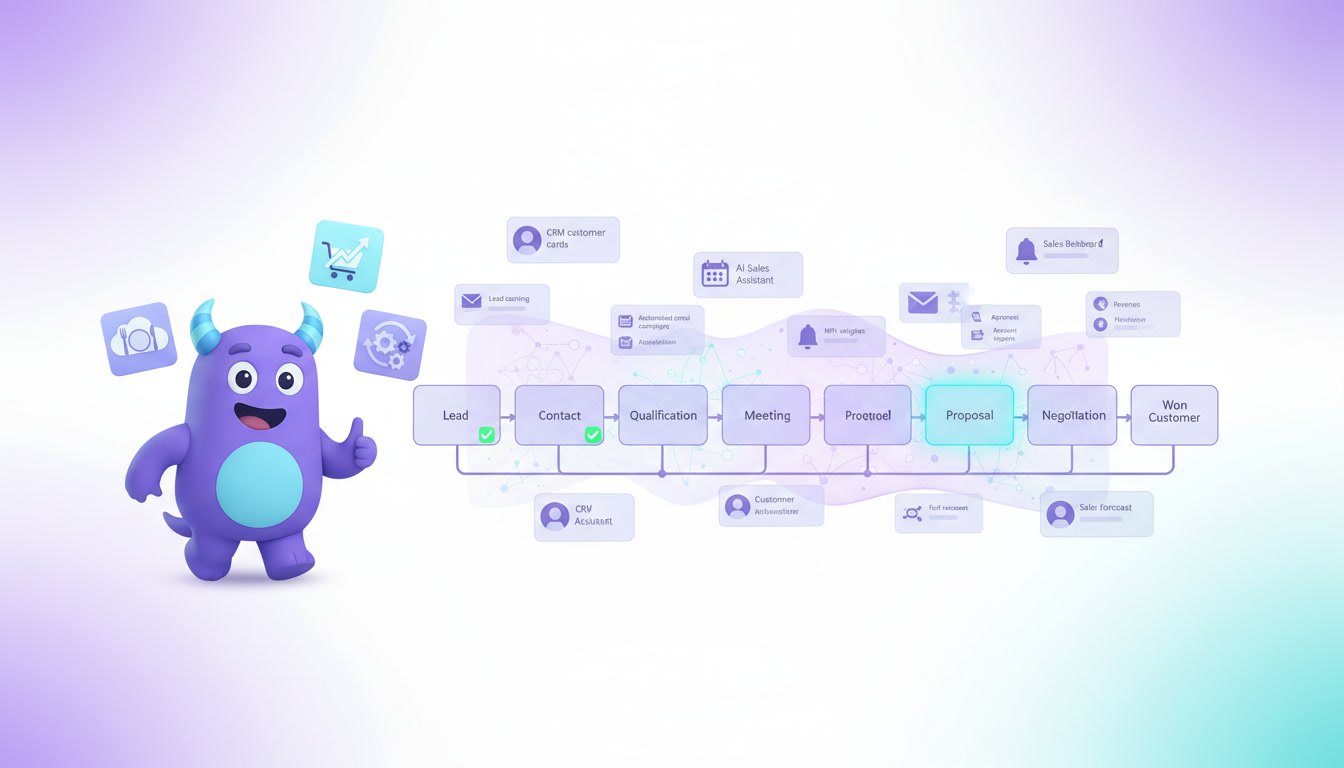
Lua CRM, CRM, əməliyyatlar, planlaşdırma, hesab-faktura və iş axınının avtomatlaşdırılmasını bir platformada birləşdirmək istəyən xidmət biznesləri üçün güclü bir uyğunluqdur. Satış, layihə çatdırılması və maliyyə üçün ayrı alətlər işlətmək əvəzinə, komandalar bir əlaqəli sistem daxilində işləyə və biznesdə vahid həqiqət mənbəyini saxlaya bilərlər.
Lua CRM, xüsusən də ən böyük probleminiz koordinasiya olduqda aktualdır: elektron cədvəllərə və söhbət mesajlarına güvənmədən müştəriləri, tapşırıqları, son tarixləri, işçi iş yükünü və ödəniş statusunu izləmək. Kiçik komandalar üçün ən böyük üstünlük dəyər vaxtıdır - sistem real əməliyyat iş axınları ətrafında qurulduqda tətbiq daha sürətli olur.
2) Mühasibat uçotu ilə idarə olunan dəstlər
Bu platformalar güclü hesab-faktura, mühasibat uçotu və vergi hazırlığına ehtiyacı olan bizneslər üçün yaygındır. Əməliyyatlar sadədirsə, onlar təsirli ola bilərlər, lakin çatdırılma mürəkkəbliyi artdıqda komandalar çox vaxt onları aşırlar.
3) İnventar yönümlü ERP-lər
Ehtiyat, satınalma və yerinə yetirilməyə çox güvənən bizneslər üçün inventar birinci sistemlər faydalı ola bilər. Kompromis odur ki, xidmət iş axınları və müştəri çatdırılma koordinasiyası əlavə alətlər və ya fərdiləşdirmə tələb edə bilər.
4) Modul ERP-lər
Modul platformalar geniş imkanlar təklif edir və miqyaslana bilər, lakin onlar çox vaxt daha çox quraşdırma səyi tələb edirlər. Kiçik bizneslər üçün daxili prosesləriniz aydın olduqda və konfiqurasiyanı idarə edə biləcək birinin olması məna kəsb edir.
Əgər bu siyahını “reytinqli siyahıya” çevirmək istəyirsinizsə, ən yaxşı yanaşma biznes modelinizə (xidmət, məhsul, hibrid) və ən böyük əməliyyat məhdudiyyətinizə (koordinasiya, maliyyə, inventar, planlaşdırma) əsaslanaraq sıralamaqdır.
Biznesiniz üçün Doğru ERP-ni Necə Seçmək olar
ERP seçmək “ən məşhur” platformanı seçməkdən daha çox, komandanızın hər gün istifadə edəcəyi sistemi seçməklə bağlıdır. Əgər qəbul uğursuz olarsa, ERP uğursuz olur. Qərar verməyin ən praktik yolu budur:
- Əməliyyat ağrısından başlayın: Ən çox nə pozulur - növbəti tədbirlər, çatdırılma, maliyyə nəzarəti, planlaşdırma, inventar, hesabat?
- İş axınınızı xəritələşdirin: Yaxşı bir ERP, sizi ümumi bir quruluşa məcbur etməməli, real xidmət həyat dövrünüzə uyğun olmalıdır.
- Əlaqəli proseslərə üstünlük verin: Ən böyük ERP dəyəri müştəri məlumatlarını icra və maliyyə ilə əlaqələndirməkdən gəlir.
- Sürətli tətbiq seçin: Çox vaxt aparırsa, faydaları gecikdirirsiniz və sürəti itirmək riski daşıyırsınız.
- Hesabatı təsdiqləyin: Elektron cədvəlləri ixrac etmədən əsas suallara cavab verə bildiyinizə əmin olun.
Əgər siz xidmət biznesi idarə edirsinizsə, CRM, layihələr, planlaşdırma və hesab-fakturaları birləşdirən ERP üslublu platforma seçmək adətən ən sürətli və ən görünən təkmilləşməni təmin edir.
Son Düşüncələr
2026-cı ildə kiçik bizneslər üçün ən yaxşı ERP proqramı ən mürəkkəb sistem deyil. Bu, alət həddindən artıqlığını azaldan, koordinasiyanı artıran və rəhbərliyə əməliyyatlara və gəlirliliyə real görünürlük verən sistemdir. ERP düzgün mərhələdə tətbiq edildikdə, gəlir sızmasının qarşısını alır, əməliyyat stresini azaldır və xaos olmadan miqyaslanma üçün zəmin yaradır.
Əgər biznesiniz artıq elektron cədvəllərin və əlaqəsiz alətlərin hədlərini hiss edirsə, növbəti addım “daha çox alət” deyil. Növbəti addım komandanıza daha sürətli, daha az səhvlə və aydın maliyyə nəzarəti ilə icra etməyə kömək edən bir əlaqəli sistemdir.
.jpg)

.jpg)