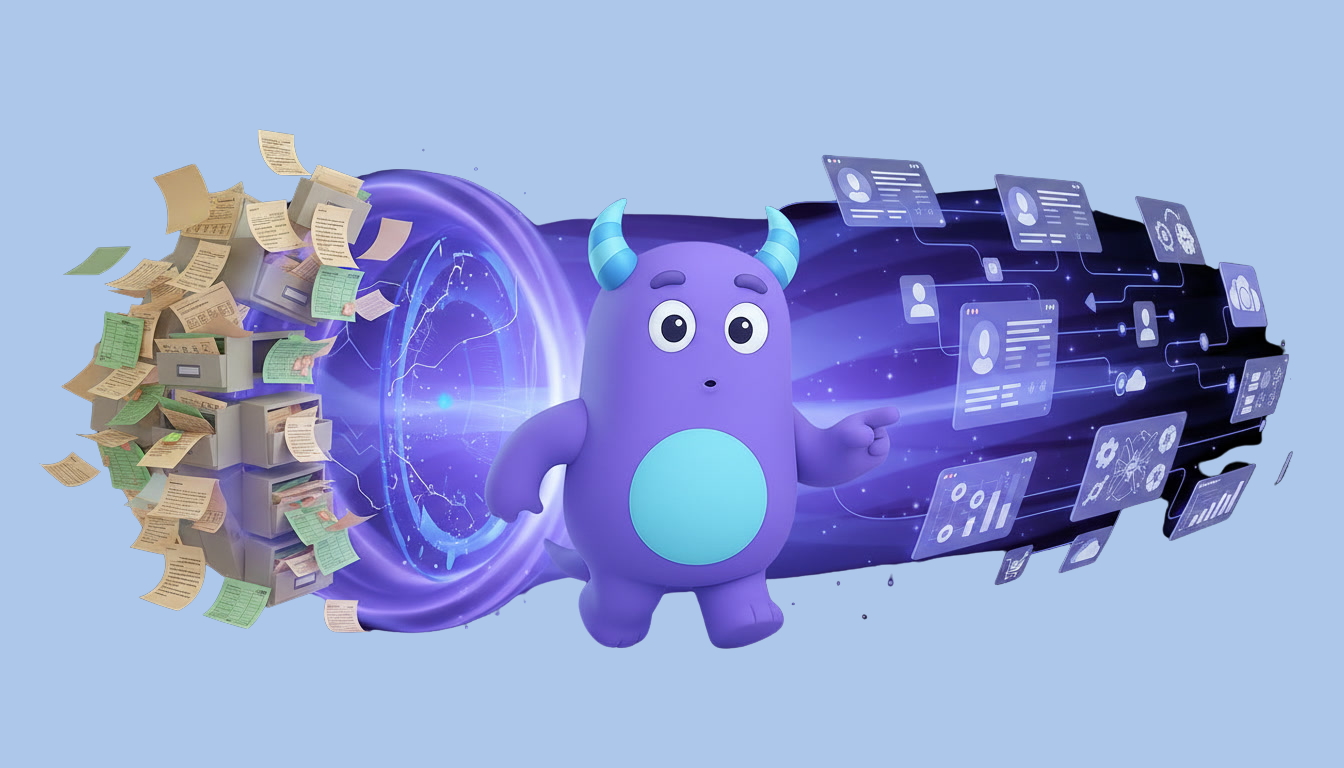

Gubitak kupaca rijetko se događa iznenada. U većini slučajeva tvrtke ne primjećuju trenutak kada se angažman počinje smanjivati. Klijenti prestaju odgovarati, interakcije postaju rjeđe i na kraju odnos nestaje. Dok to postane vidljivo, često je prekasno za oporavak.
Ovaj je problem posebno čest u rastućim uslužnim tvrtkama. Kako se poslovanje širi, broj klijenata, razgovora, projekata i internih odgovornosti brzo raste. Bez strukturiranih sustava za upravljanje odnosima, počinju se pojavljivati male praznine. Te se praznine u početku mogu činiti bezopasnima, ali s vremenom se gomilaju u izgubljeno povjerenje, smanjeni angažman i na kraju izgubljene kupce.
Najnepovoljniji aspekt gubitka kupaca je taj što se često događa tiho. Tvrtke mogu nastaviti stjecati nove klijente dok nesvjesno gube postojeće. To stvara iluziju rasta, dok dugoročna stabilnost slabi.
Gubitak uvida u odnose s kupcima
Jedan od glavnih razloga zašto tvrtke gube kupce je postupni gubitak uvida u odnose s kupcima. Kada su povijest komunikacije, ugovori, zahtjevi i odgovornosti razbacani po e-mailovima, porukama, proračunskim tablicama ili pojedinim članovima tima, nitko nema potpunu sliku.
Ova fragmentacija otežava razumijevanje potreba kupaca, praćenje prošlih interakcija ili dosljedan odgovor. Kupci očekuju kontinuitet. Očekuju da će se tvrtke sjećati prethodnih razgovora, preferencija i obveza. Kada se ovaj kontinuitet prekine, povjerenje slabi.
Iz perspektive kupca, to se često čini kao dezorganizacija. Čak i ako sama usluga ostane snažna, nedosljedna komunikacija stvara neizvjesnost. S vremenom se kupci počinju isključivati.
Odgođeni odgovori i komunikacijski propusti
Vrijeme odgovora igra ključnu ulogu u održavanju odnosa s kupcima. Kako tvrtke rastu, kašnjenja u odgovorima postaju sve češća, osobito kada se timovi oslanjaju na ručno praćenje ili individualno pamćenje.
Odgođeni odgovor šalje signal, čak i nenamjerno. Sugerira da kupac nije prioritet. Na konkurentnim tržištima kupci rijetko čekaju unedogled. Počinju istraživati alternative koje pružaju bržu i predvidljiviju komunikaciju.
Ovi komunikacijski propusti rijetko su posljedica zanemarivanja. Češće su uzrokovani operativnim preopterećenjem. Timovi upravljaju previše razgovora istovremeno bez strukturiranih sustava za organiziranje i određivanje prioriteta komunikacije.
S vremenom se odgođeni odgovori nakupljaju i postupno slabe odnos.
Operativna složenost raste brže od sustava
Kako uslužne tvrtke rastu, operativna složenost značajno raste. Više kupaca, više projekata, više zadataka i više interne koordinacije stvaraju veće operativno opterećenje.
Bez sustava dizajniranih za upravljanje ovom složenošću, timovi se oslanjaju na ručnu koordinaciju. To stvara rizik. Zadaci se propuštaju, zaboravljaju se naknadne radnje i odgađaju se obveze.
Kupci ne vide internu složenost. Vide samo rezultate. Kada izvršenje postane nedosljedno, kupci počinju gubiti povjerenje.
To se ne događa zato što tvrtke prestaju brinuti. To se događa zato što operativni sustavi ne uspijevaju rasti istom brzinom kao i rast poslovanja.
Korisničko iskustvo postaje nedosljedno
Dosljednost je jedan od najvažnijih elemenata zadržavanja kupaca. Kupci cijene predvidljivost. Žele znati što mogu očekivati i vjerovati da će se očekivanja ispuniti.
Kada su interni sustavi slabi, dosljednost postaje teško održavati. Kvaliteta usluge može varirati ovisno o opterećenju tima, internoj koordinaciji ili dostupnosti informacija.
Čak se i male nedosljednosti mogu nakupiti. Kupci možda neće odmah otići, ali se njihova razina angažmana smanjuje. S vremenom postaju manje osjetljivi i manje uloženi u odnos.
Ovo postupno isključivanje često prođe nezapaženo dok se kupac već ne izgubi.
Nedostatak proaktivnog upravljanja odnosima
Mnoge tvrtke djeluju reaktivno, a ne proaktivno. Odgovaraju kada se kupci jave, ali rijetko sami pokreću komunikaciju.
Proaktivni angažman igra ključnu ulogu u održavanju snažnih odnosa. Naknadne radnje, ažuriranja, provjere i strukturirana komunikacija jačaju povjerenje i pokazuju pouzdanost.
Bez proaktivnih sustava, komunikacija postaje nedosljedna. Kupci se mogu osjećati zaboravljeno, čak i ako tvrtka nastavi pružati usluge.
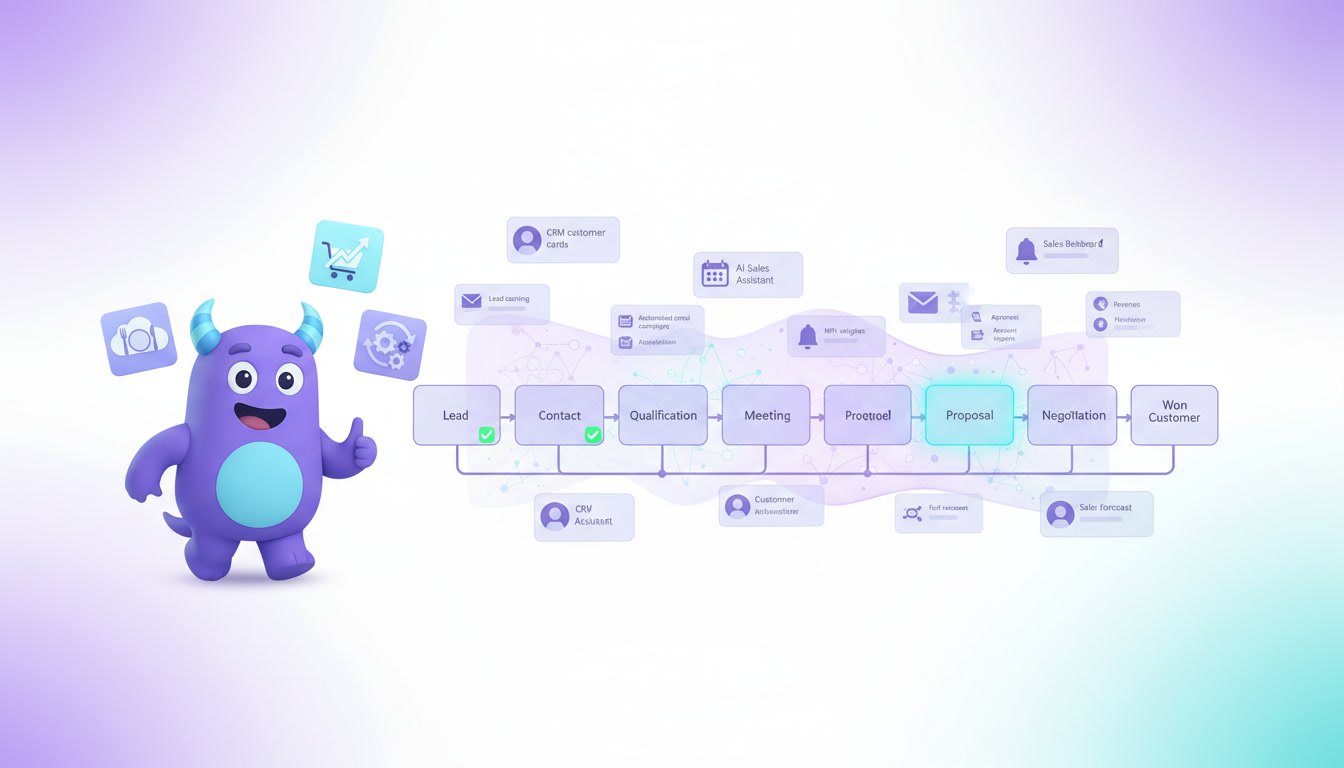
Proaktivno upravljanje odnosima zahtijeva vidljivost, organizaciju i strukturirane tijekove rada.
Financijski utjecaj tihog gubitka kupaca
Tiho gubljenje kupaca stvara dugoročnu financijsku nestabilnost. Stjecanje kupaca zahtijeva vrijeme, trud i troškove. Kada postojeći kupci odu nezapaženo, tvrtke ih moraju neprestano zamjenjivati samo kako bi održale trenutnu razinu prihoda.
To stvara skriveni operativni pritisak. Timovi rade više kako bi stekli nove kupce, a da nesvjesno gube postojeće. Rast postaje neučinkovit i nepredvidljiv.
Nasuprot tome, tvrtke koje održavaju snažnu vidljivost kupaca i strukturiranu komunikaciju dulje zadržavaju kupce, stvarajući stabilniji i predvidljiviji rast.
Zaključak
Tvrtke rijetko gube kupce zbog jednog neuspjeha. Gubitak kupaca obično je rezultat malih operativnih propusta koji se nakupljaju tijekom vremena. Kašnjenja u komunikaciji, fragmentirane informacije, nedosljedno izvršenje i nedostatak vidljivosti postupno slabe odnose.
Sprječavanje gubitka kupaca zahtijeva strukturiranu operativnu vidljivost. Tvrtke moraju biti u mogućnosti pratiti odnose, upravljati komunikacijom i održavati kontinuitet kako rastu.
Zadržavanje kupaca nije samo funkcija kvalitete usluge. To je funkcija operativne strukture. Tvrtke koje održavaju vidljivost, dosljednost i proaktivnu komunikaciju grade jače, dugotrajnije odnose s kupcima i stvaraju stabilniji dugoročni rast.
.jpg)

.jpg)