
Service businesses operate in environments where coordination, timing, and consistency matter as much as expertise. As teams grow and client expectations rise, manual processes become increasingly difficult to manage. What once worked through personal coordination and experience begins to create friction.
Business automation is often misunderstood as a way to replace people. In reality, its primary purpose is to remove repetitive effort, reduce errors, and create reliable execution. For service companies, automation has become a requirement rather than an advantage.
Understanding why automation matters starts with understanding where manual work quietly limits performance.
Manual Processes Do Not Scale
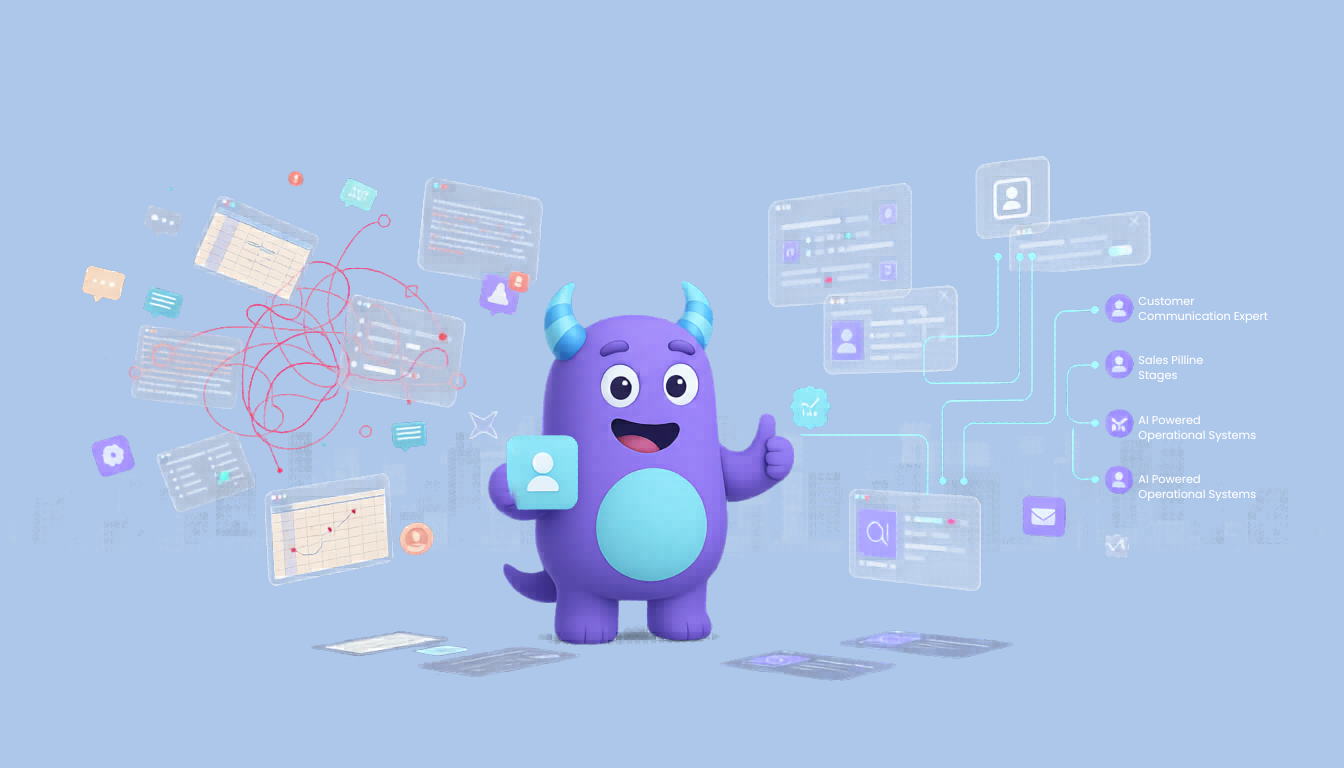
In small teams, coordination happens naturally. People remember tasks, follow up informally, and adapt quickly. As the organization grows, this approach stops working. Information becomes fragmented across messages, spreadsheets, and individual memory.
Managers spend increasing amounts of time reminding, checking, and reconnecting work instead of leading. Execution depends on constant attention rather than structure.
Automation replaces this fragile coordination with predictable processes that do not depend on individual effort.
Repetition Consumes More Time Than Expected
Many service teams underestimate how much time is spent on repeated actions. Sending updates, creating similar tasks, preparing documents, following up on approvals, and updating statuses all consume attention.
Individually, these actions feel small. Together, they represent a significant portion of the workday. Over time, repetition reduces focus and increases fatigue.
Automation handles these patterns consistently, freeing teams to focus on problem-solving and delivery.
Inconsistency Creates Risk
When processes are manual, outcomes vary. One client receives updates on time, another does not. One project follows best practices, another skips steps. Quality becomes dependent on who is involved rather than how the work is designed.
This inconsistency increases risk. Errors multiply quietly, client trust erodes, and rework becomes common.
Automation introduces consistency without rigidity by ensuring critical steps always occur.
Visibility Improves Decision-Making
Automation creates data naturally. When workflows, tasks, and approvals are automated, progress becomes visible without manual reporting. Leaders gain insight into what is happening in real time.
This visibility allows earlier intervention. Issues are identified before they escalate. Decisions are based on current information rather than assumptions.
Automation supports better management by making reality easier to see.
Automation Supports, Not Replaces, Teams
A common concern is that automation removes human judgment. In service businesses, this is rarely the case. Automation handles routine execution while people focus on communication, creativity, and decision-making.
When automation is applied thoughtfully, teams experience less stress, clearer expectations, and more predictable workloads.
The goal is not speed at any cost, but sustainable execution.
Where Automation Creates the Most Impact
Service businesses benefit most when automation is applied to coordination-heavy areas. This includes task creation, follow-ups, approvals, handoffs between roles, billing triggers, and status updates.
Automating these areas reduces delays and ensures that work moves forward even when people are busy.
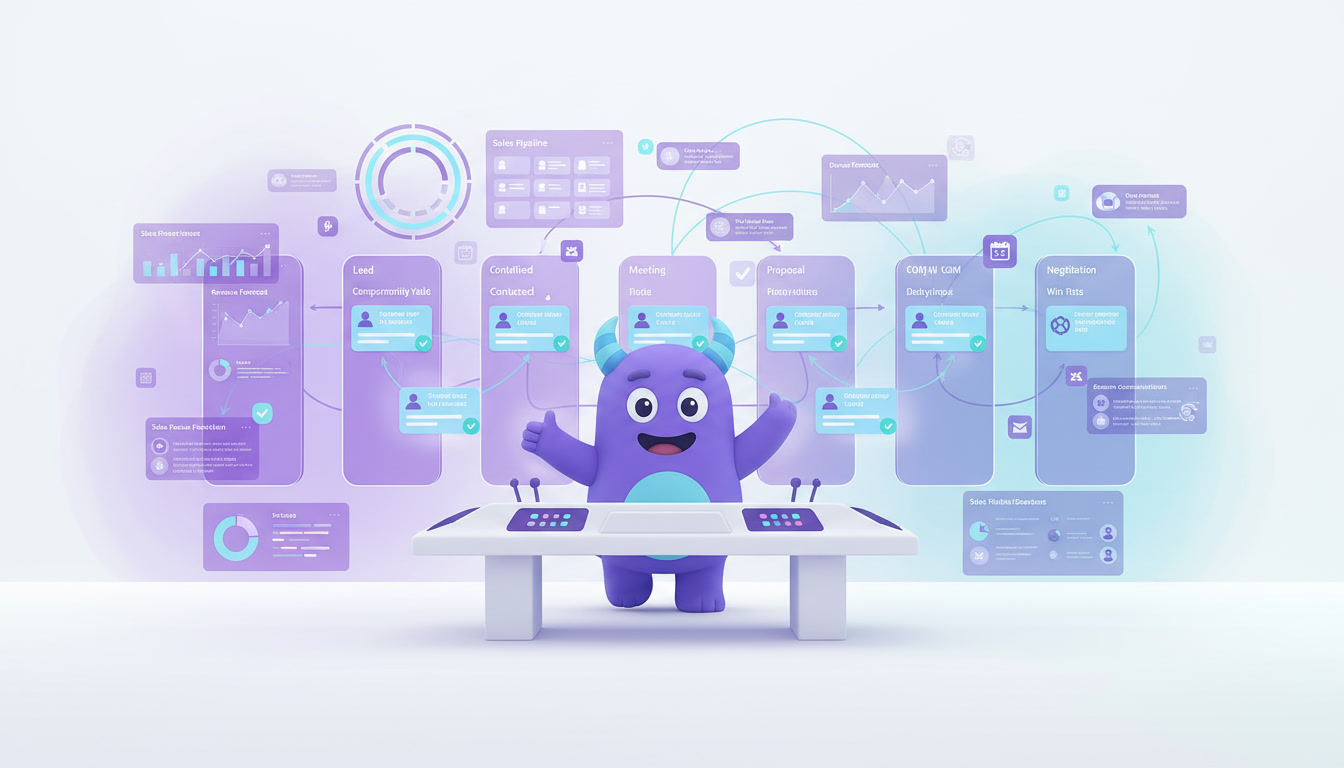
Over time, automation becomes the backbone that supports consistent service delivery.
Conclusion
Business automation is no longer optional for service companies because manual execution cannot keep up with growing complexity. Without automation, teams rely on effort instead of structure, and performance becomes fragile.
By automating routine coordination and workflows, service businesses improve reliability, protect quality, and create the foundation needed to grow without losing control. Automation does not replace people. It allows them to do their best work.