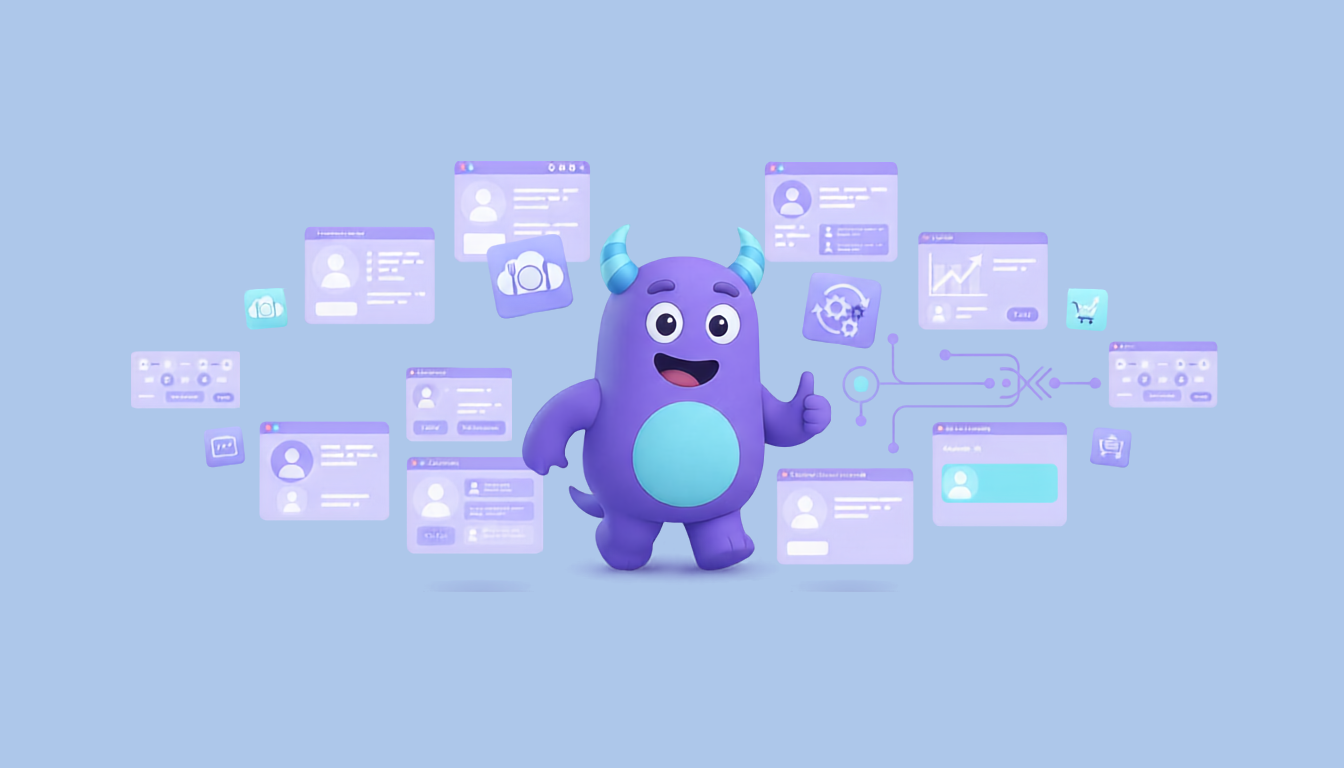

برشة شركات يعرفو قيمة أنظمة ERP، و مع هذا يأجلو في تبني واحد. فاهمين الفكرة، و يشوفو المنافسين يستعملو في منصات منظمة، و برشة مرات يحكيو على تطبيق ERP "في وقت ما في المستقبل". بالرغم من الوعي هذا، الفعل يتأجل لين الضغط التشغيلي يولي ما يتفاداش.
التأخير هذا نادر وين يكون مقصود. أغلب الشركات يعتقدو أن الإعداد الحالي متاعهم "باهي توا". العمليات اليومية ماشية، الإيرادات داخلة، و الفرق يلقاو طرق باش يعوضو النقص في الكفاءة. المشكلة الحقيقية هي أن تكلفة الإنتظار ما هياش واضحة في الحين.
في الوقت اللي تبني ERP يولي حاجة مستعجلة، الشركات في أغلب الأحيان يكونو يتعاملو مع الإجهاد، عدم إتساق البيانات، و الحمل التشغيلي الزايد. في المرحلة هاذي، ERP ما عادش تحسين إستراتيجي بل ردة فعل طارئة.
وهم السيطرة في الشركات اللي قاعدة تكبر
في المراحل الأولى، العمليات اليدوية و الأدوات المنفصلة في أغلب الأحيان يخدمو مليح على نحو مفاجئ. الفرق صغيرة، التواصل مباشر، و كل واحد يعرف شن قاعد يصير. المشاكل تتحل بسرعة عن طريق المحادثات مش عن طريق الأنظمة.
كي تبدا الشركة تكبر، الهيكل الغير رسمي هذا يبدا يتوسع. أكثر عملاء، أكثر معاملات، و أكثر تنسيق داخلي يخلقو تعقيد أصعب باش يتدار يدويا. لكن، على خاطر الخدمة مازالت قاعدة تصير، القيادة في أغلب الأحيان تفترض أن السيطرة مازالت موجودة.
هذا يخلق وهم الإستقرار. في الواقع، الفرق قاعدة تعوض بمجهود إضافي مش بالعمل داخل نظام مستدام.
علاش تبني ERP يتأجل عادة
واحد من الأسباب الرئيسية اللي تخلي الشركات تأجل تبني ERP هو التصور اللي هو فقط للمؤسسات الكبيرة. برشة صناع قرار يربطو ERP بالتطبيق الثقيل، التكاليف العالية، و الجداول الزمنية الطويلة.
إعتقاد شائع آخر هو أن ERP لازم يتقدم كان كي العمليات تولي ما تتسيطرش. عوض ما يستعملو ERP باش يمنعو الفوضى، يتعاملو معاه كحل للفوضى اللي موجودة أصلا.
فما زادة خوف من التعطيل. تغيير الأنظمة يحسوه حاجة فيها خطر، خاصة كي الفرق تكون مشغولة أصلا. نتيجة لذلك، الشركات يختارو يحافظو على الأدوات المألوفة حتى إذا ما عادوش فعالين.
التكاليف الخفية للإنتظار برشة
تكلفة تبني ERP المتأخر نادر وين تكون واضحة في مقياس واحد. تظهر تدريجيا، عبر مجالات متعددة من الشركة.
عدم الكفاءة التشغيلية هي وحدة من أولى العواقب. المهام تتكرر، المعلومات تتعاود تدخل يدويا، و الفرق يقضيو وقت يتحققو من البيانات عوض ما يتصرفو بناء عليها. التأخيرات الصغيرة هاذي تتراكم و تبطئ الأداء العام.
الرؤية المالية زادة تعاني. الإيرادات يمكن تزيد، لكن فهم الربحية يولي أصعب. التكاليف منفصلة عن العمليات، مما يصعب تحديد أي الخدمات، المشاريع، أو العملاء مربحين فعلا.
إجهاد الموظفين يزيد زادة. من غير أنظمة واضحة، المسؤولية تولي مش واضحة، الأخطاء تصير أكثر، و المساءلة صعيبة باش تتفرض. الفرق الموهوبة تولي محملة فوق طاقتها مش على خاطر نقص في المهارة، بل على خاطر هيكل ضعيف.
ERP كنظام وقائي، مش كأداة إنقاذ
أنظمة ERP تقدم أكبر قيمة كي تتطبق قبل ما العمليات يولو فوضويين. كي يتبنى بكري، ERP يخلق هيكل يكبر مع الشركة عوض ما يتفاعل مع المشاكل بعد ما يظهرو.
تبني ERP بكري يسمح للشركات بتوحيد سير العمل، مركزة البيانات، و تأسيس رؤية عبر الأقسام. هذا يخلي النمو أكثر قابلية للتوقع و يقلل الإعتماد على المعرفة الفردية.
عوض ما يصلح العمليات المكسرة، ERP يعاون الشركات باش يتفاداو تكسيرهم في المقام الأول.
علاش تبني ERP متأخر أصعب
تطبيق ERP تحت الضغط أصعب من عمله بشكل إستباقي. البيانات مبعثرة، العمليات غير متسقة، و الفرق مثقلة أصلا. الهجرة تولي معقدة على خاطر ما فماش خط أساس واضح باش ينخدم عليه.
المقاومة للتغيير تزيد زادة. كي الفرق تكون تحت الضغط، يكونو أقل إنفتاح على تعلم أنظمة جديدة. تبني ERP وقتها يتحس كعبء إضافي عوض الراحة.
هذا في أغلب الأحيان يؤدي إلى تطبيق جزئي، ميزات غير مستغلة، أو فشل في تحقيق النتائج المتوقعة.
جعل ERP قرار إستراتيجي
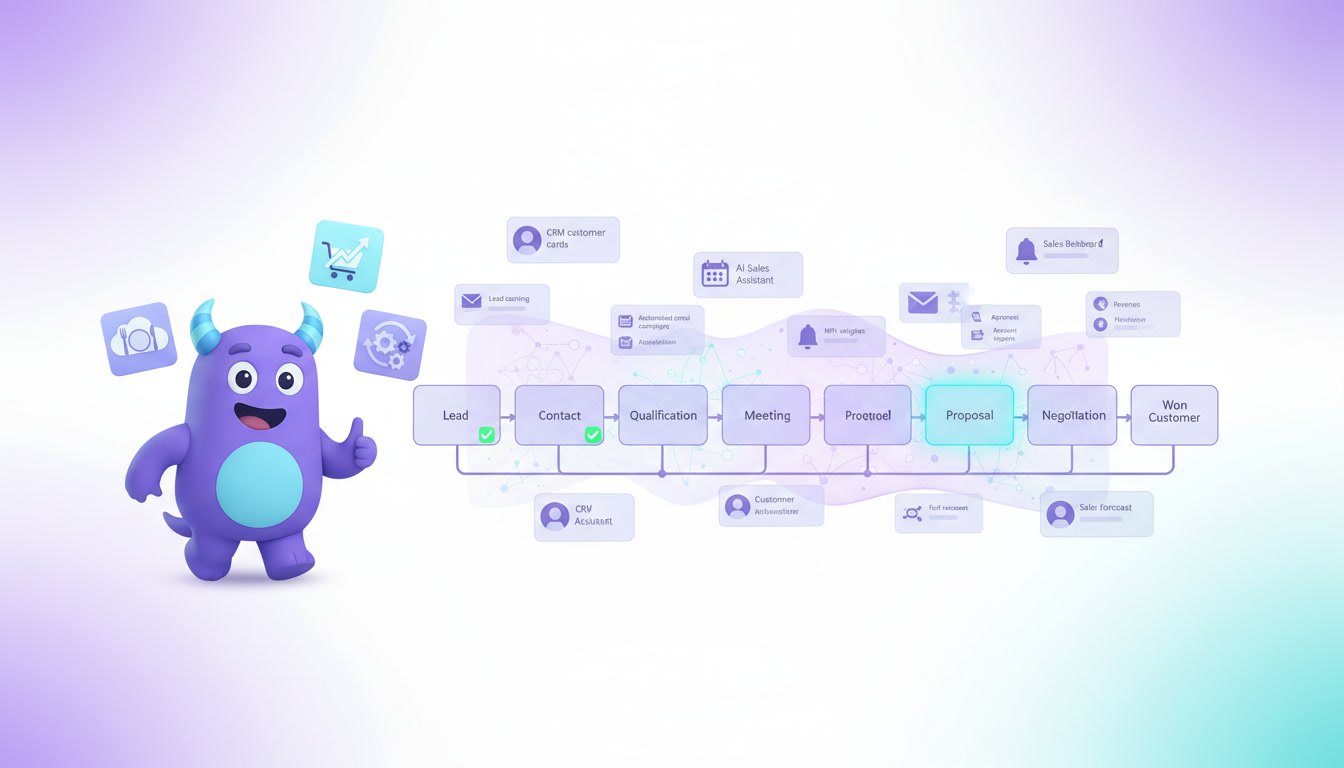
أكثر تطبيقات ERP نجاحا تصير كي الشركات يتعاملو مع ERP كأساس إستراتيجي عوض ما يكون الملاذ الأخير. الهدف مش أتمتة كل شيء في الحين، بل تأسيس عمود فقري تشغيلي موحد.
عن طريق تبني ERP في الوقت الصحيح، الشركات يكسبو وضوح، سيطرة، و قابلية للتوسع. صنع القرار يتحسن، الفرق تخدم بأقل إحتكاك، و القيادة تنجم تركز على النمو عوض حل المشاكل المستمر.
السؤال مش إذا كان ERP ضروري، بل وقتاش لازم يولي جزء من هيكل الشركة. لبرشة شركات قاعدة تكبر، الوقت الصحيح هو أبكر مما يتوقعو.
.jpg)

.jpg)