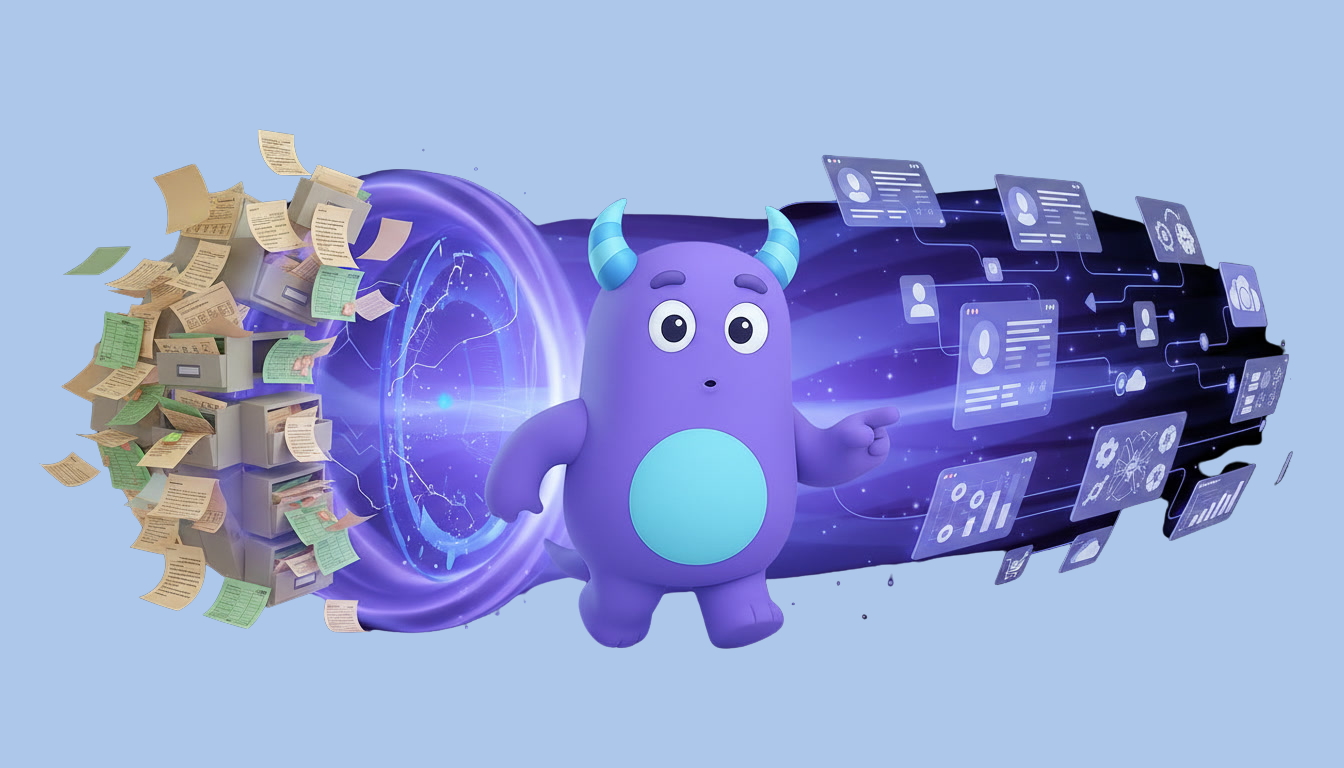

Service businesses often reach a point where growth feels harder than it should. Teams are busy every day, clients are being served, and new opportunities continue to appear. On the surface, everything seems to be moving forward. Internally, however, operations start to feel heavy, unclear, and increasingly stressful.
This struggle is not caused by poor service quality or lack of effort. In most cases, it is the result of growing complexity that existing processes and tools were never designed to handle. As the business expands, coordination becomes harder, visibility decreases, and small inefficiencies turn into daily obstacles.
Understanding why this happens is the first step toward fixing it.
Growth Changes the Nature of Work
In early stages, service businesses rely on direct communication and simple coordination. Teams are small, roles overlap, and information is shared informally. Decisions are made quickly because everyone has context.
As the business grows, this dynamic changes. More clients mean more communication. More projects mean more dependencies. More employees mean more handovers and expectations. What once worked through conversation now requires structure.
The challenge is that many businesses continue operating with early-stage habits while facing late-stage complexity.
When Activity Increases but Clarity Decreases
One of the most common symptoms of operational struggle is confusion. Teams are active, yet progress feels slow. Tasks exist, but ownership is not always clear. Information is available, but not easy to access.
Managers spend time checking statuses, asking questions, and resolving misunderstandings. Instead of focusing on strategy, they become coordinators of daily work.
This happens because processes are not clearly defined or supported by systems. Work depends on memory and communication rather than predictable workflows.
Why Manual Coordination Stops Scaling
Manual coordination works when complexity is low. Once operations expand, it becomes fragile. Every new client or project adds another layer of communication and tracking.
Without systems that connect tasks, projects, and information, people become the glue holding everything together. This increases dependency on individuals and creates risk when someone is unavailable.
Over time, coordination overhead grows faster than productivity.
Financial Visibility Falls Behind Operations
Another major challenge appears in financial control. Revenue may grow, but understanding where profit comes from becomes harder. Costs are often tracked separately from the work that generates them.
Reports take time to prepare and often describe past performance rather than current reality. Leaders are forced to make decisions without full visibility into how operations and finances connect.
This gap between activity and insight limits confident growth.
Why These Problems Feel Normal
Operational issues rarely appear as emergencies. Work still gets done. Clients are still served. Because of this, inefficiencies are often accepted as part of running a service business.
Teams compensate by working harder. Managers fill gaps manually. Over time, these workarounds become routine.
The danger is that what feels normal today becomes a barrier tomorrow.
Operations as the Foundation of Sustainable Growth
Service businesses do not struggle because they lack talent or motivation. They struggle because growth requires structure that evolves with complexity.
Clear processes, shared visibility, and connected systems allow teams to work with confidence instead of constant adjustment. When operations are structured, growth becomes predictable rather than stressful.
Recognizing that operational struggle is a system issue—not a people issue—opens the door to long-term solutions.
Looking Ahead
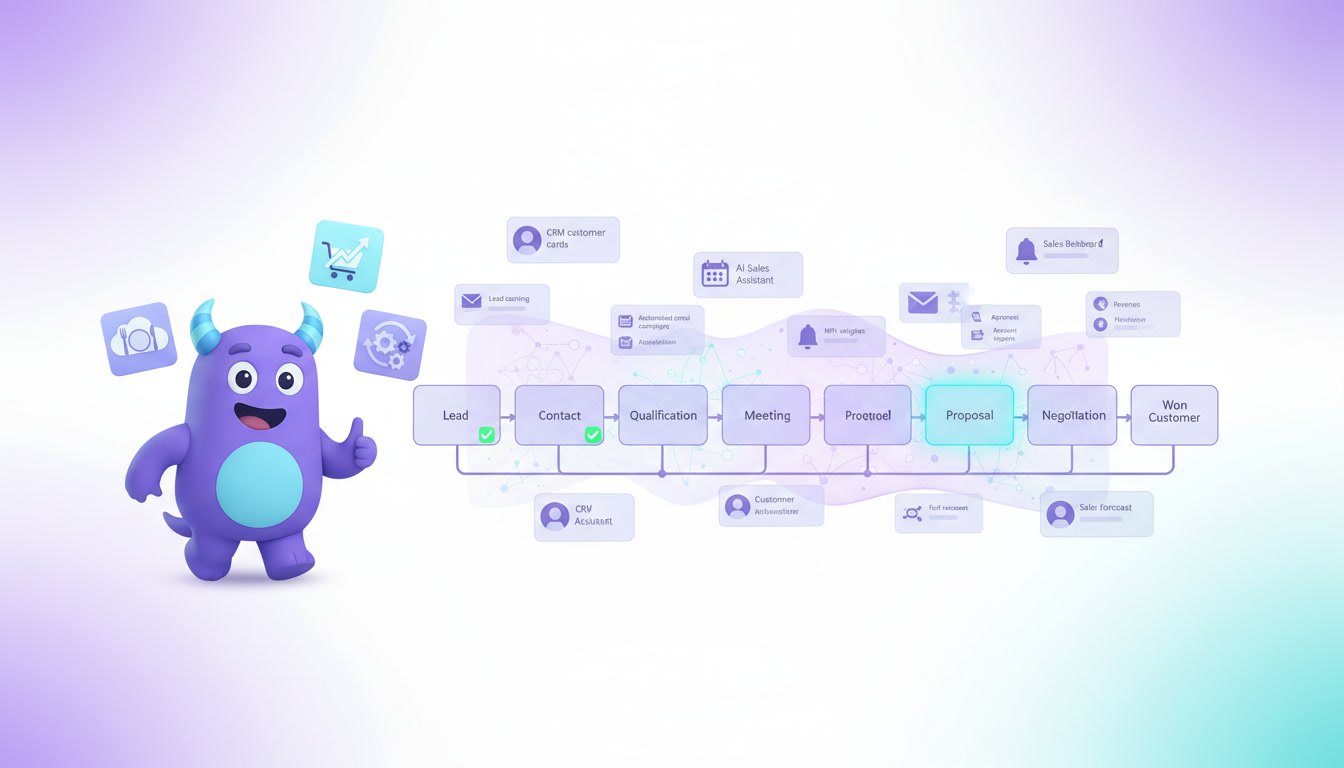
This is where many service businesses begin exploring better ways to manage work, information, and resources. The goal is not more tools, but better structure.
In the next stage, the focus shifts from identifying problems to understanding what kind of systems can support growth without adding complexity.
.jpg)

.jpg)