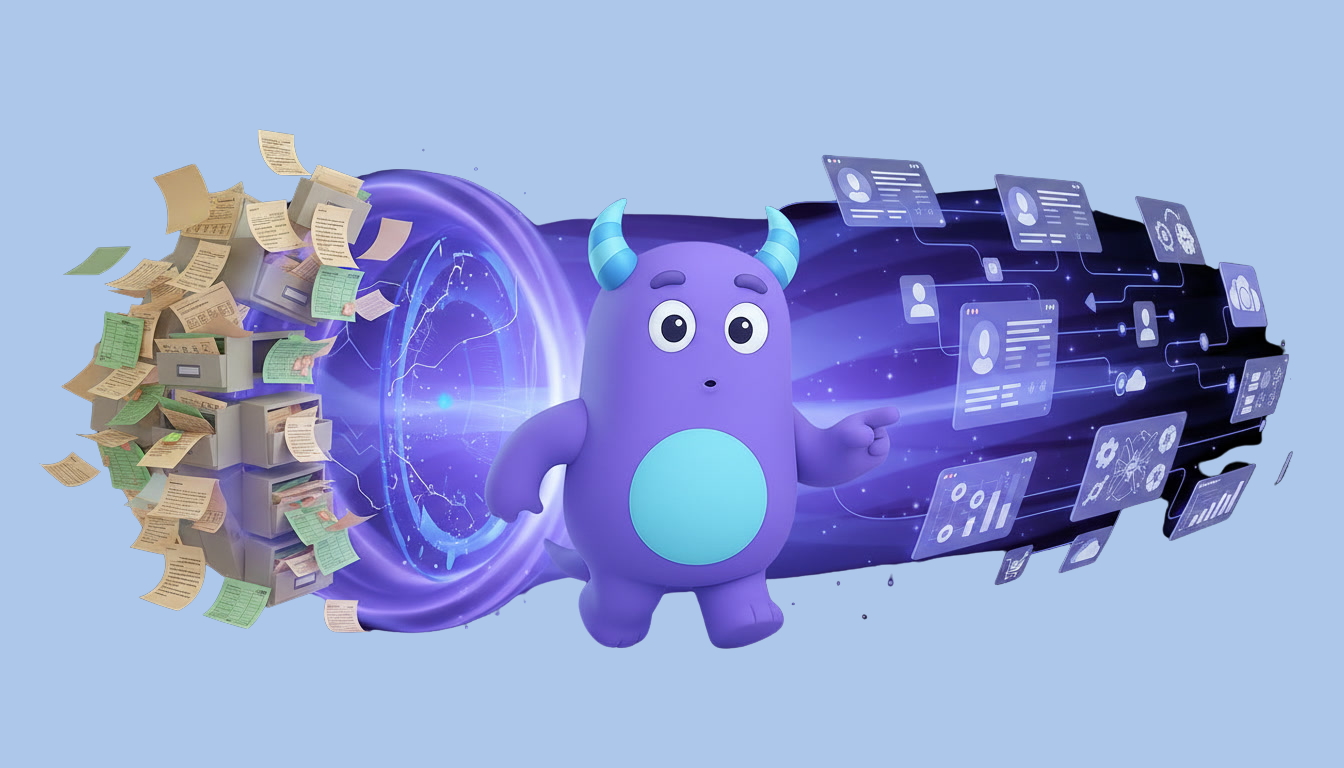

საოჯახო მომსახურების ბიზნესი ეყრდნობა სისწრაფეს, კოორდინაციასა და საიმედოობას. ტექნიკოსების გაგზავნა, გრაფიკების მართვა, მომხმარებლებთან კომუნიკაცია, ინვოისების დამუშავება და მასალების თვალყურის დევნება შეუფერხებლად უნდა მუშაობდეს ერთად. როდესაც კომპანია პატარაა, ეს ამოცანები ხშირად იმართება სატელეფონო ზარებით, ბლოკნოტებით, ცხრილებითა და დაგეგმვის მარტივი ხელსაწყოებით.
თუმცა, მოთხოვნის ზრდასთან ერთად, ეს არაფორმალური წყობა იწყებს ნგრევას. მეტი მომხმარებელი ნიშნავს მეტ მომსახურების ზარს, მეტ მარშრუტს, მეტ ტექნიკოსს და მეტ შემდგომ მოქმედებას. ის, რაც ოდესღაც მოქნილად იგრძნობოდა, ხდება ნელი, რეაქტიული და ძნელად გასაკონტროლებელი. გუნდები დაკავებულები არიან, მაგრამ სამუშაოების დასრულებას უფრო მეტი დრო სჭირდება და მომხმარებელთა საჩივრები უფრო ხშირი ხდება.
შენელება იშვიათად არის გამოწვეული ძალისხმევის ნაკლებობით. ეს ხდება მაშინ, როდესაც ოპერაციები ძალიან რთული ხდება მათი დამხმარე სისტემებისთვის.
ზრდა ზეწოლას ახდენს ყველა ყოველდღიურ პროცესზე
თითოეული დამატებითი მომსახურების მოთხოვნა ამრავლებს საკოორდინაციო სამუშაოს. დანიშვნები უნდა დაიჯავშნოს, ტექნიკოსები დაინიშნონ, ნაწილები მომზადდეს, მარშრუტები დაიგეგმოს და მომხმარებლები განახლდნენ. როდესაც ეს ნაბიჯები მუშავდება გათიშულ ინსტრუმენტებში, მცირე ცვლილებები დიდ დარღვევებს ქმნის.
დაგვიანებული ტექნიკოსი, დაკარგული ნაწილი ან გრაფიკის შეცვლა იწვევს სატელეფონო ზარებისა და განრიგის შეცვლის ჯაჭვურ რეაქციას. საოფისე პერსონალი ცდილობს დღის რეორგანიზებას, ხოლო საველე ჯგუფები ელოდებიან ინსტრუქციებს. პროდუქტიულობა ეცემა, მიუხედავად იმისა, რომ ყველა ბევრს მუშაობს.
სტრუქტურირებული სამუშაო პროცესების გარეშე, ზრდა ავტომატურად ზრდის ხახუნს.
ხელით დისპეტჩერიზაცია ხდება შეფერხება
დისპეტჩერიზაცია არის საოჯახო მომსახურების ოპერაციების გული. იმის კოორდინაცია, თუ სად მიდიან ტექნიკოსები, როდის ჩადიან და რა აღჭურვილობა სჭირდებათ, მუდმივ განახლებას მოითხოვს. მზარდ ბიზნესში დისპეტჩერები დიდწილად ეყრდნობიან გამოცდილებასა და მეხსიერებას.
მოცულობის გაზრდასთან ერთად, ეს სახელმძღვანელო მიდგომა სარისკო ხდება. ხდება ორმაგი დაჯავშნა. მგზავრობის დრო შეფასებულია არასაკმარისად. გადაუდებელი სამუშაოები წყვეტს დაგეგმილ მარშრუტებს. მომხმარებლები იღებენ ჩამოსვლის ურთიერთსაწინააღმდეგო ფანჯრებს.
დროთა განმავლობაში, დისპეტჩერიზაციის არაეფექტურობა ანელებს მთელ ოპერაციას და აზიანებს მომხმარებელთა ნდობას.
ფრაგმენტირებული სისტემები ამცირებს ხილვადობას
საოჯახო მომსახურების ბევრი კომპანია იყენებს ცალკეულ ინსტრუმენტებს დაგეგმვისთვის, ინვოისების გასაცემად, ინვენტარიზაციისთვის, მომხმარებლებთან კომუნიკაციისთვის და ანგარიშგებისთვის. თითოეულ პლატფორმას აქვს ისტორიის ნაწილი, მაგრამ არცერთი არ იძლევა სრულ საოპერაციო ხედვას.
მენეჯერებს უჭირთ ტექნიკოსის გამოყენების, სამუშაოს მომგებიანობის ან ყოველდღიური შესაძლებლობების რეალურ დროში დანახვა. იმის გაგება, თუ რომელი სერვისები გამოიმუშავებს ყველაზე მეტ მარჟას ან სად ხდება შეფერხებები, მოითხოვს ხელით ანალიზს.
ხილვადობის გარეშე, გადაწყვეტილებები დაქირავების, ფასების ან გაფართოების შესახებ ხდება ვარაუდი.
ადმინისტრაციული სამუშაო უფრო სწრაფად იზრდება, ვიდრე შემოსავალი
ოპერაციების მასშტაბის გაზრდასთან ერთად, საოფისე გუნდები აწყდებიან მზარდ დატვირთვას. შეთავაზებები, ინვოისები, შემდგომი ქმედებები, საგარანტიო მოთხოვნები და დოკუმენტაცია მუდმივ ყურადღებას მოითხოვს. როდესაც ეს პროცესები სახელმძღვანელოდ რჩება, ადმინისტრაციული ხარჯები უფრო სწრაფად იზრდება, ვიდრე შემოსავალი.
ტექნიკოსებს შეიძლება დასჭირდეთ დოკუმენტაციის შევსება სამუშაო საათების შემდეგ. საოფისე პერსონალი გვიანობამდე რჩება გრაფიკებისა და გადახდების შესათანხმებლად. სტრესი იზრდება მთელ ორგანიზაციაში და ბრუნვა უფრო სავარაუდო ხდება.
საოპერაციო არაეფექტურობა ჩუმად ანადგურებს მომგებიანობას.
ცენტრალიზებული სისტემები მხარს უჭერს საველე ოპერაციების მასშტაბირებას
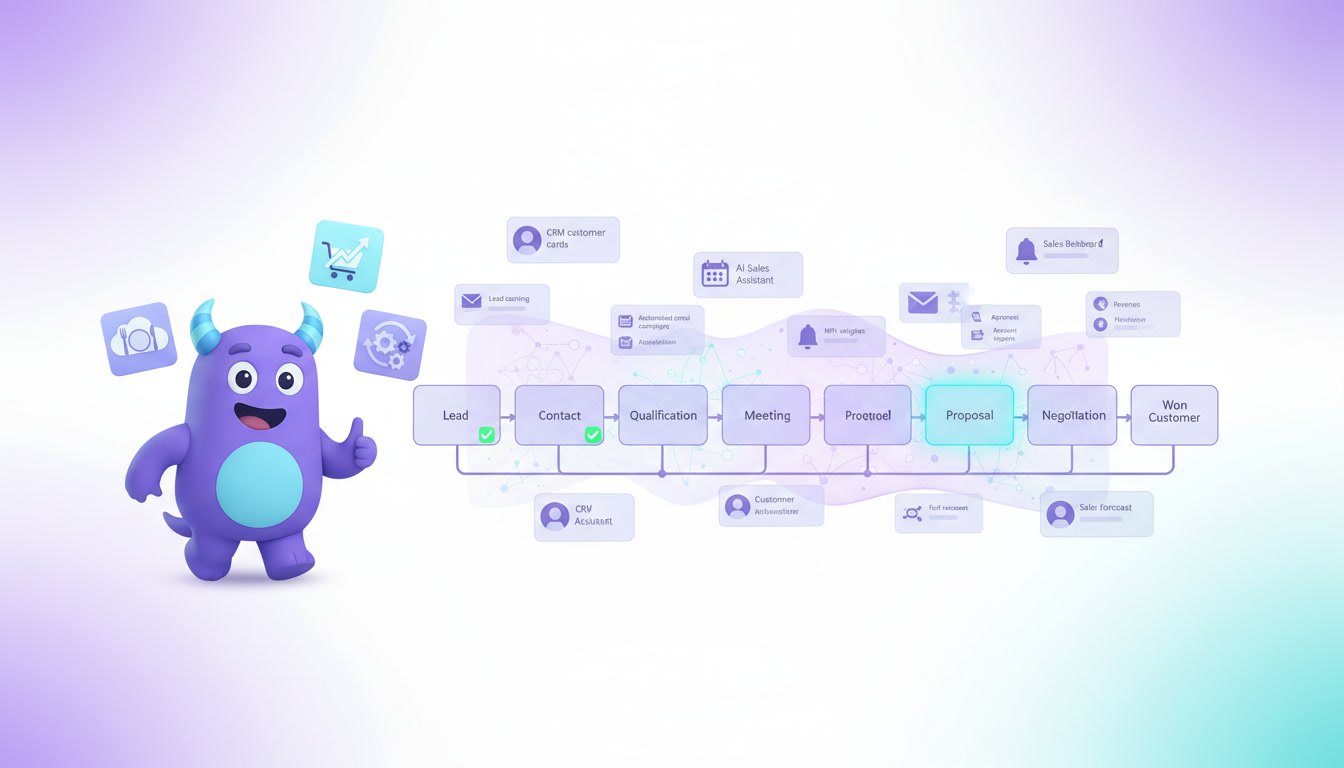
ეფექტურად მასშტაბირებისთვის, საოჯახო მომსახურების ბიზნესს სჭირდება ცენტრალიზებული საოპერაციო სისტემები. დაგეგმვა, დისპეტჩერიზაცია, მომხმარებელთა ჩანაწერები, სამუშაოს სტატუსი, ინვენტარი და ბილინგი უნდა იყოს ერთ დაკავშირებულ გარემოში.
ერთიანი სისტემა უზრუნველყოფს, რომ განახლებები მყისიერად მიედინება საოფისე პერსონალსა და საველე ჯგუფებს შორის. მარშრუტები ავტომატურად რეგულირდება. ამოცანები მკაფიოდ არის მინიჭებული. მენეჯერები ხედავენ შესრულებას რეალურ დროში პრობლემების წარმოქმნის შემდეგ.
სტრუქტურირებული ოპერაციებით, ზრდა ხდება პროგნოზირებადი და არა ქაოტური.
დასკვნა
საოჯახო მომსახურების ბიზნესი ნელდება მასშტაბის გაზრდისას, რადგან სახელმძღვანელო პროცესები და გათიშული ინსტრუმენტები ვერ უჭერენ მხარს მზარდ მოცულობასა და სირთულეს. ზრდა ავლენს სისუსტეებს დისპეტჩერიზაციაში, ხილვადობასა და ადმინისტრაციულ სტრუქტურაში.
კომპანიებს, რომლებიც ინვესტიციებს ახორციელებენ სტრუქტურირებულ საოპერაციო სისტემებში ადრე, შეუძლიათ გააფართოვონ მომსახურების სფეროები, მოემსახურონ მეტ მომხმარებელს და დაიცვან მომსახურების ხარისხი. ისინი, ვინც აყოვნებენ, ხშირად აწყდებიან მზარდ ხარჯებს, გადატვირთულ გუნდებს და იმედგაცრუებულ მომხმარებლებს.
მდგრადი ზრდა საოჯახო მომსახურებაში დამოკიდებულია ყოველდღიური კოორდინაციის სტრუქტურირებულ, ხილულ და მასშტაბირებად ოპერაციად გადაქცევაზე.
.jpg)

.jpg)