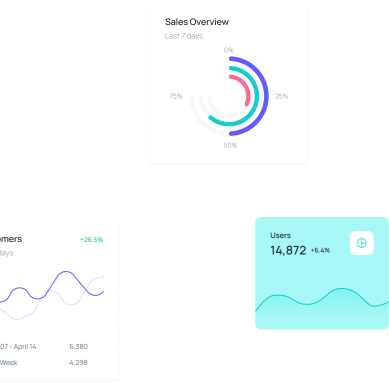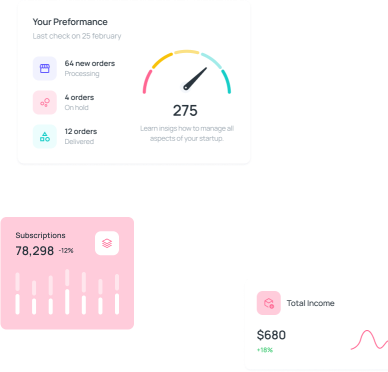
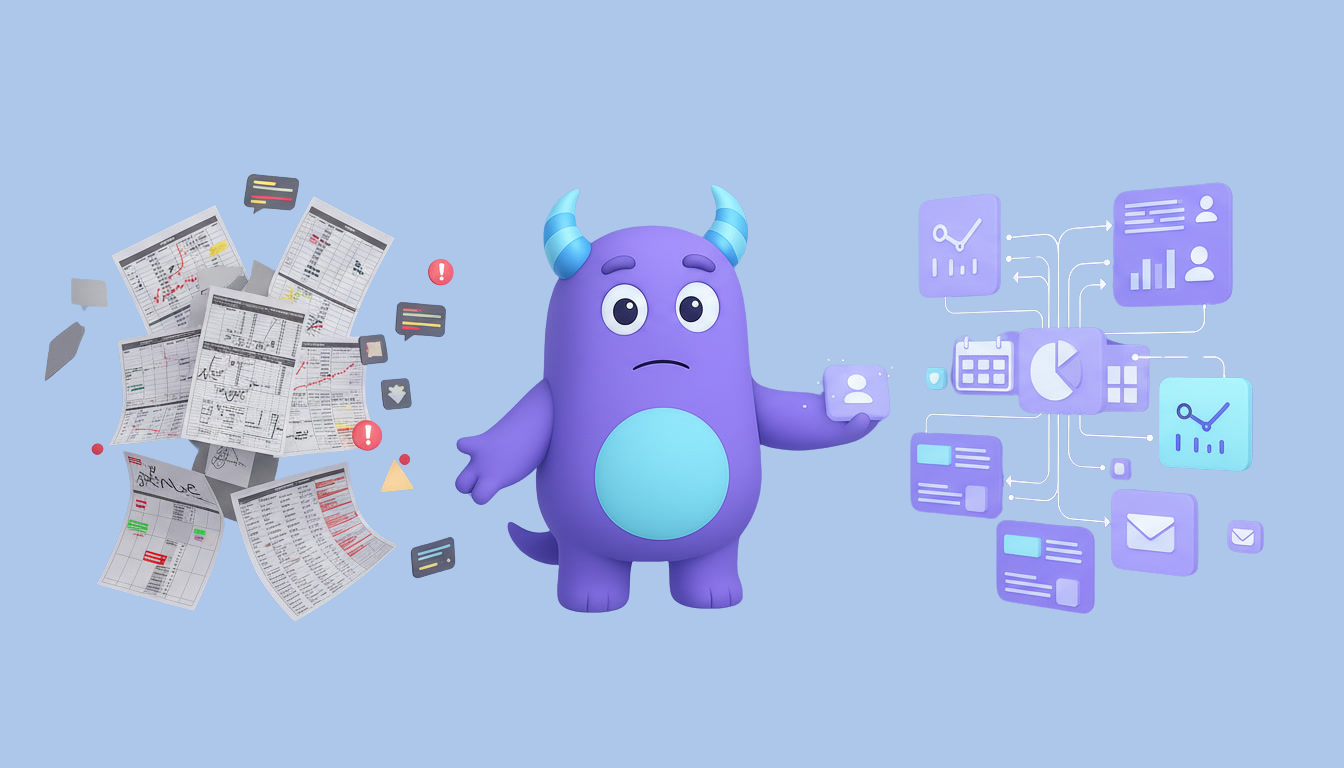
As small businesses grow, managing daily operations becomes increasingly complex. Sales, inventory, customer communication, finances, tasks, and reporting often become scattered across spreadsheets, messaging apps, and disconnected tools.
At first, this may seem manageable. But over time, manual coordination creates inefficiencies, slows down operations, and makes scaling more difficult.
This is why more companies are implementing ERP systems for small business operations.
An ERP system helps businesses organize operations, automate workflows, improve visibility, and manage multiple processes from one centralized platform.
Instead of relying on manual work and disconnected systems, small businesses can operate through structured workflows and automation.
What Is an ERP System?
An ERP system (Enterprise Resource Planning system) is business management software designed to centralize and organize operational processes in one platform.
ERP software allows businesses to manage sales, inventory, finance, reporting, tasks, workflows, and operational activities through one connected system.
Instead of departments working separately through different tools, an ERP system creates a unified operational environment.
This improves organization, reduces operational chaos, and helps businesses scale more efficiently.
Why Small Businesses Need an ERP System
Many small businesses initially manage operations manually using spreadsheets and messaging apps.
However, as the business grows, manual processes become difficult to maintain.
Leads become harder to track, inventory management becomes inconsistent, reporting takes too much time, and communication across teams becomes fragmented.
An ERP system solves these problems by centralizing operations and creating structured workflows.
This allows small businesses to operate more professionally and efficiently without increasing operational complexity.
Benefits of ERP Systems for Small Businesses
Implementing an ERP system provides several major advantages for growing businesses.
- Centralized business management
- Improved operational visibility
- Better inventory and stock control
- More organized workflows
- Reduced manual work
- Improved reporting and analytics
- Better communication across teams
- Scalable operational structure
ERP systems help small businesses reduce inefficiencies and build systems that support long-term growth.
Key Features of an ERP System
Modern ERP software includes multiple tools that help businesses manage operations efficiently.
- Sales and customer management
- Inventory and warehouse management
- Financial tracking and reporting
- Task and workflow management
- Operational analytics
- Workflow automation
- Team collaboration tools
- Centralized business data
These features help businesses improve coordination and reduce operational bottlenecks.
ERP Automation for Small Businesses
One of the biggest advantages of modern ERP systems is automation.
ERP automation helps businesses automate repetitive workflows and operational tasks.
For example:
- Tasks can be assigned automatically
- Reports can be generated instantly
- Workflow stages can update automatically
- Notifications and reminders can be automated
- Operational processes can follow predefined workflows
This reduces manual coordination and improves operational consistency.
If you want to learn more about automation systems, explore our Business Automation Guide.
ERP System vs Spreadsheets
Many small businesses continue using spreadsheets because they appear simple and inexpensive.
However, spreadsheets become increasingly inefficient as operations grow.
They lack automation, workflow structure, centralized visibility, and operational scalability.
An ERP system replaces disconnected spreadsheets with a centralized operational platform that improves organization and efficiency.
ERP and CRM Together
Modern businesses often combine ERP and CRM systems to create more connected operations.
While ERP software focuses on operational management, CRM systems focus on customer relationships, sales, and communication.
Together, ERP and CRM systems create a more complete business management environment.
If you want to understand CRM systems better, read our CRM System Guide.
Why Choose Lua CRM ERP System?
Lua CRM provides a modern ERP and business automation platform designed for growing businesses.
Unlike traditional ERP software that can be overly complicated and difficult to adapt, Lua CRM combines ERP, CRM, workflow automation, and operational management into one flexible platform.
- ERP and CRM in one system
- Workflow automation
- Sales and operational management
- Task and team coordination
- Analytics and reporting
- Flexible operational workflows
- Modern scalable architecture
This allows small businesses to organize operations, automate workflows, and scale more efficiently through structured systems.
What Happens Without an ERP System?
Without ERP software, operational complexity increases as businesses grow.
Teams spend more time coordinating manually, processes become inconsistent, and operational visibility decreases.
Over time, this creates inefficiencies that slow down growth and reduce productivity.
An ERP system helps businesses create structure, improve visibility, and operate more efficiently through automation and centralized management.
Frequently Asked Questions
What is an ERP system for small business?
An ERP system is software that helps small businesses manage operations, workflows, inventory, finances, and reporting in one platform.
Why do small businesses need ERP software?
ERP software improves organization, automates workflows, reduces manual work, and helps businesses scale more efficiently.
What are the benefits of ERP automation?
ERP automation improves efficiency, reduces repetitive work, and creates more consistent operational workflows.
Can ERP and CRM work together?
Yes. ERP systems manage operations while CRM systems manage customer relationships and sales processes.
Start Organizing Your Business with Lua CRM
If you are looking for an ERP system for small business operations, Lua CRM provides a flexible all-in-one platform for automation, workflow management, sales, and operational organization.
Frequently Asked Questions
What is an ERP system for small business?
An ERP system helps small businesses manage operations, workflows, inventory, reporting, and finances in one centralized platform.
Why do small businesses need ERP software?
ERP software improves organization, automates workflows, and helps businesses scale more efficiently.
What are the benefits of ERP automation?
ERP automation reduces manual work, improves operational consistency, and increases productivity.
Can ERP and CRM work together?
Yes. ERP systems manage operations while CRM systems manage sales and customer relationships.