Email remains one of the most important tools for business communication. Whether you are reaching out to clients, responding to inquiries, or managing internal communication, writing clear and professional emails is essential.
A well-written email can build trust, improve relationships, and help you achieve your business goals. On the other hand, unclear or unprofessional emails can create confusion and reduce credibility.
In this guide, you will find professional email examples for different business situations, along with tips to improve your communication.
What Makes an Email Professional?
Professional emails are clear, structured, and respectful. They get straight to the point while maintaining a polite tone.
- Clear subject line
- Proper greeting
- Concise message
- Call to action
- Professional closing
Keeping emails simple and easy to read increases the chances of getting a response.
1. General Business Email Example
Subject: Inquiry About Your Services
Dear [Name],
I hope this message finds you well. I would like to learn more about your services and how they can support our business needs.
Please let me know a convenient time for a short discussion.
Best regards,
[Your Name]
2. Follow-Up Email Example
Subject: Following Up on Our Previous Conversation
Dear [Name],
I wanted to follow up regarding my previous message. I understand you may be busy, but I would appreciate any update when convenient.
Looking forward to your response.
Best regards,
[Your Name]
3. Sales Email Example
Subject: Helping You Improve Your Business Processes
Dear [Name],
I came across your business and wanted to reach out. We help companies streamline operations and improve efficiency through automation and CRM solutions.
If you are open to a quick call, I would be happy to show how this could work for your business.
Best regards,
[Your Name]
4. Meeting Request Email
Subject: Request for a Meeting
Dear [Name],
I would like to schedule a meeting to discuss potential collaboration opportunities.
Please let me know your availability this week.
Best regards,
[Your Name]
5. Proposal Email Example
Subject: Business Proposal
Dear [Name],
Please find attached our proposal outlining how we can support your business objectives.
I would be happy to discuss the details and answer any questions.
Best regards,
[Your Name]
6. Complaint Response Email
Subject: Regarding Your Recent Feedback
Dear [Name],
Thank you for your feedback. We sincerely apologize for the inconvenience caused.
We are currently reviewing the issue and will provide an update shortly.
Best regards,
[Your Name]
7. Thank You Email Example
Subject: Thank You
Dear [Name],
Thank you for your time and the opportunity to work together. We appreciate your trust and look forward to continuing our collaboration.
Best regards,
[Your Name]
8. Reminder Email Example
Subject: Friendly Reminder
Dear [Name],
This is a friendly reminder regarding [topic].
Please let me know if you need any additional information.
Best regards,
[Your Name]
Tips for Writing Better Business Emails
Keep your emails short and focused. Avoid unnecessary details and get straight to the point.
Use a professional tone and avoid slang or overly casual language.
Always include a clear purpose and action in your message.
Proofread your email before sending to avoid mistakes.
How CRM Systems Improve Email Communication
Managing email communication manually can become difficult as your business grows. Important messages may be missed, and follow-ups can be delayed.
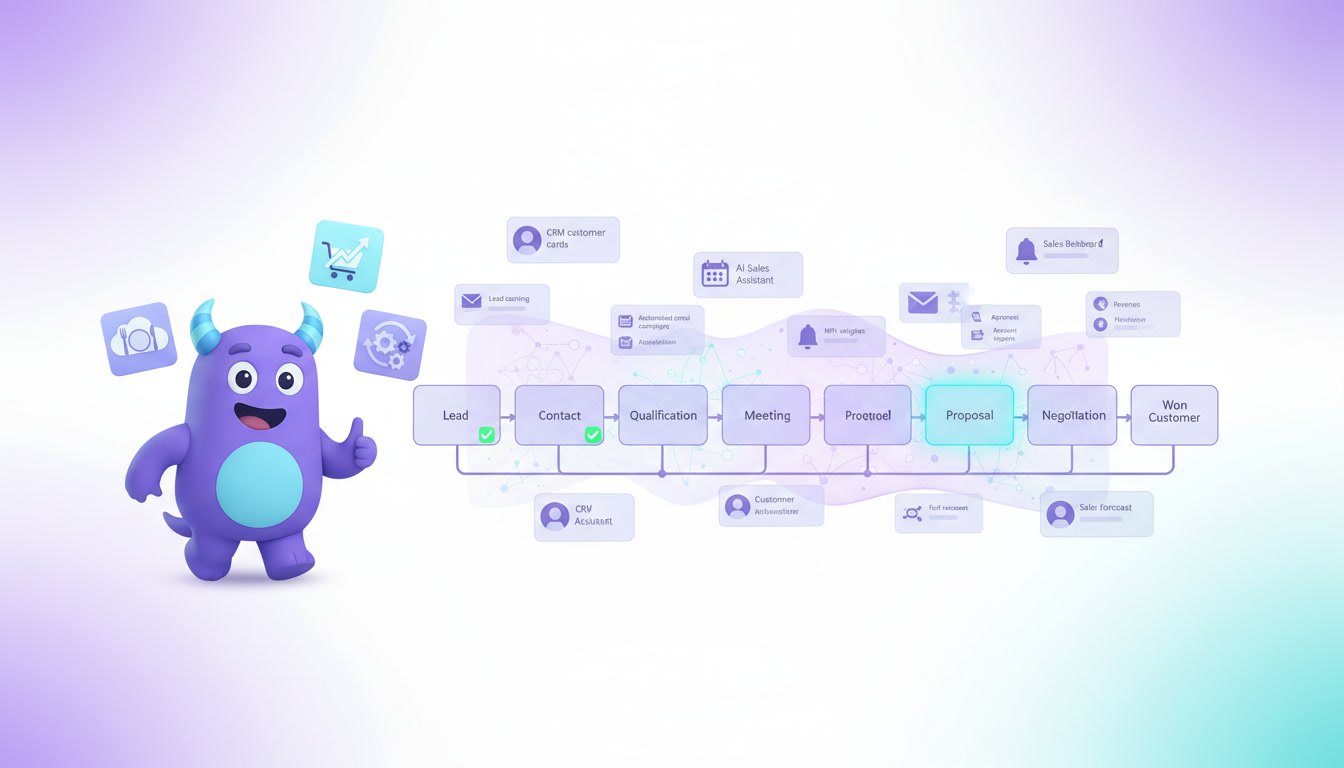
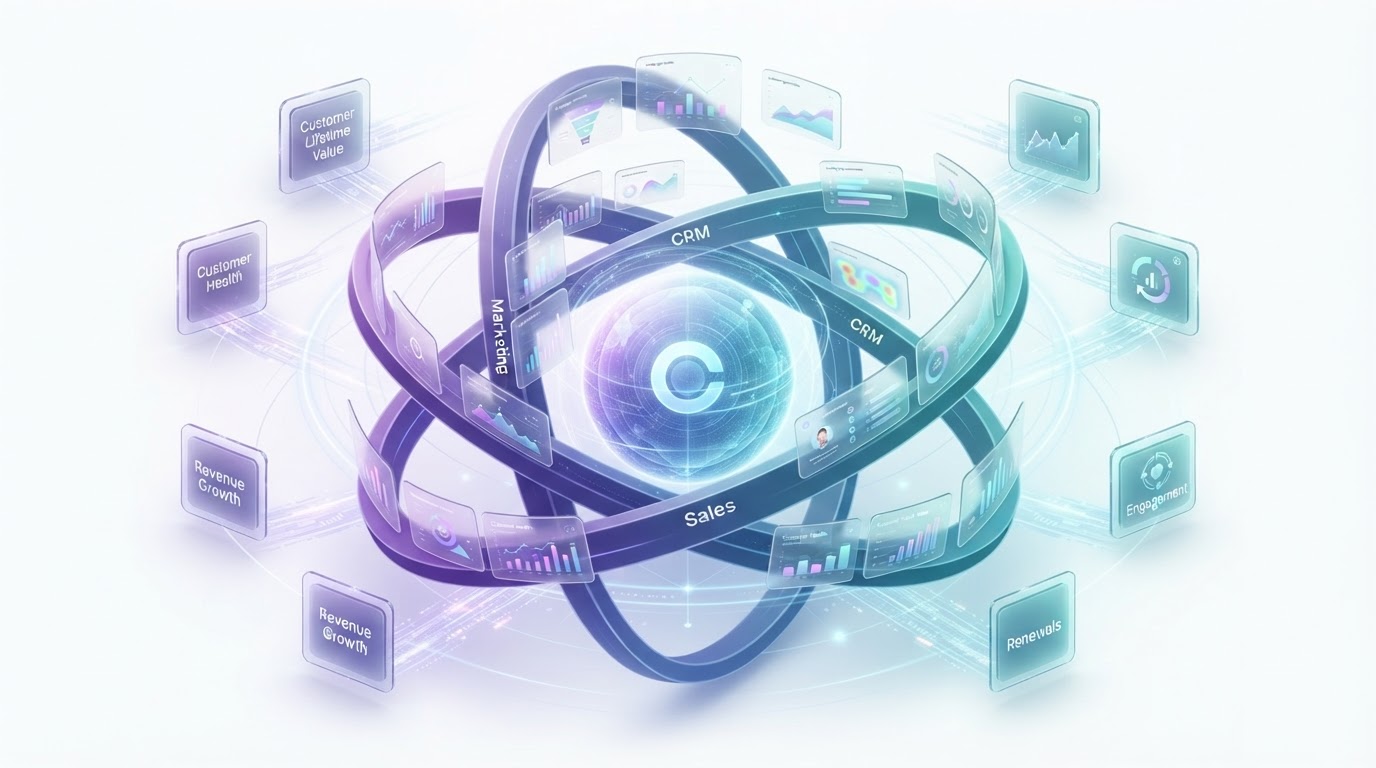
CRM systems help organize communication, track conversations, and automate follow-ups.
With tools like Lua CRM, businesses can manage emails more efficiently and ensure consistent communication with clients.
Conclusion
Professional email communication is a key skill in business. Clear and structured emails help build trust, improve relationships, and increase response rates.
By using the examples in this guide and improving your communication style, you can make your emails more effective and professional.
As your business grows, combining good communication practices with the right tools will help you stay organized and efficient.
.jpg)
.jpg)