Tourism and travel agencies operate in an environment where timing, coordination, and customer experience are critical. Managing bookings, suppliers, payments, itineraries, and customer communication requires precision. In the early stages, many agencies handle these activities manually or with a collection of basic tools. This approach often works when the business is small.
However, as a travel agency grows, operational complexity increases rapidly. More clients, more destinations, more partners, and more staff create a level of coordination that simple tools and informal processes cannot support. What once felt manageable becomes stressful, slow, and difficult to control.
The challenge is not growth itself, but the lack of operational structure to support that growth.
Growth Exposes Weak Operational Foundations
In small agencies, much of the work is handled through direct communication. Bookings are tracked in spreadsheets, confirmations are sent by email, and updates are shared through messaging apps. Team members rely on experience and memory to keep things running.
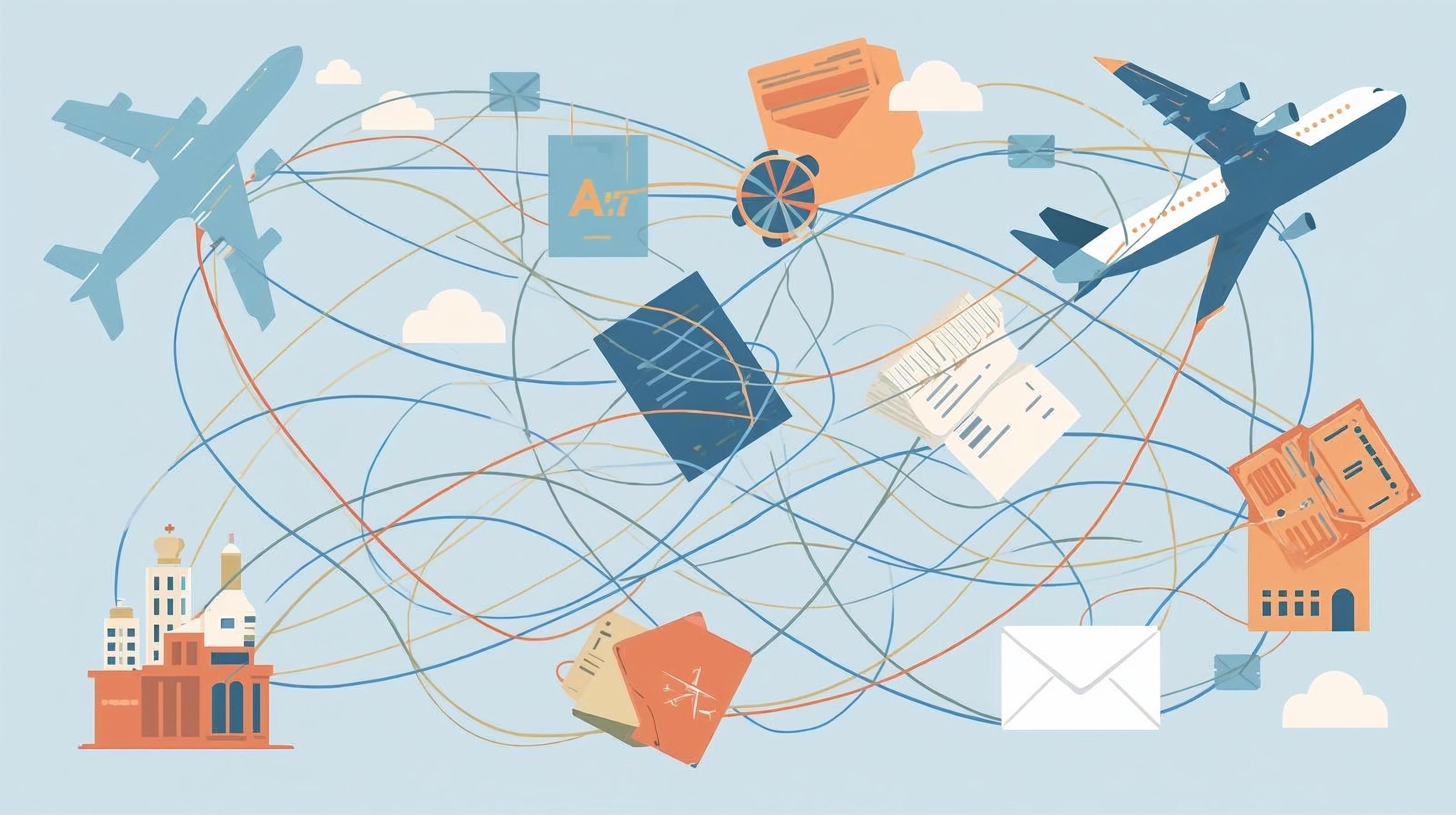
As demand increases, this approach starts to break down. Information becomes scattered across systems and conversations. One team member may update a booking while another is unaware of the change. Customer requests are missed or delayed. Suppliers receive incomplete information. Small mistakes accumulate into operational friction.
These issues often appear gradually. At first, they feel like temporary overload. Over time, they become constant problems that affect service quality and team morale.
Fragmented Tools Create Confusion Instead of Efficiency
To cope with growing workload, many travel agencies add new software tools. One system for bookings, another for accounting, another for email marketing, and separate tools for internal coordination. While each tool solves a specific problem, together they create fragmentation.
Teams must switch between platforms to complete a single task. Customer information is duplicated or inconsistent. Managers lack a clear overview of ongoing operations. Reporting becomes manual and time-consuming, making it difficult to understand profitability by trip, destination, or customer segment.
Instead of reducing effort, fragmented tools increase administrative work and reduce visibility across the organization.
Manual Coordination Does Not Scale With Demand
Tourism and travel businesses rely heavily on manual coordination. Confirmations, itinerary changes, supplier communication, and customer updates often require human intervention at every step. While this ensures personal attention, it becomes unsustainable as volume increases.
Employees spend large portions of their day responding to emails, confirming details, and checking information across systems. This leaves little time for improving service, developing new offerings, or building customer relationships.
As a result, teams feel constantly busy, yet progress feels slow. Errors increase, response times grow longer, and customer satisfaction begins to decline.
Lack of Visibility Limits Decision-Making
Without centralized operations, agency owners and managers struggle to answer basic questions. Which destinations are most profitable? Where do delays occur most often? Which partners cause the most operational issues? Which customers generate the highest lifetime value?
When data is spread across systems, answers require manual work and assumptions. Decisions are made based on incomplete or outdated information. This limits the agency’s ability to optimize operations and scale confidently.
Operational visibility is not a luxury. It is a requirement for sustainable growth.
Structured Systems Enable Scalable Travel Operations
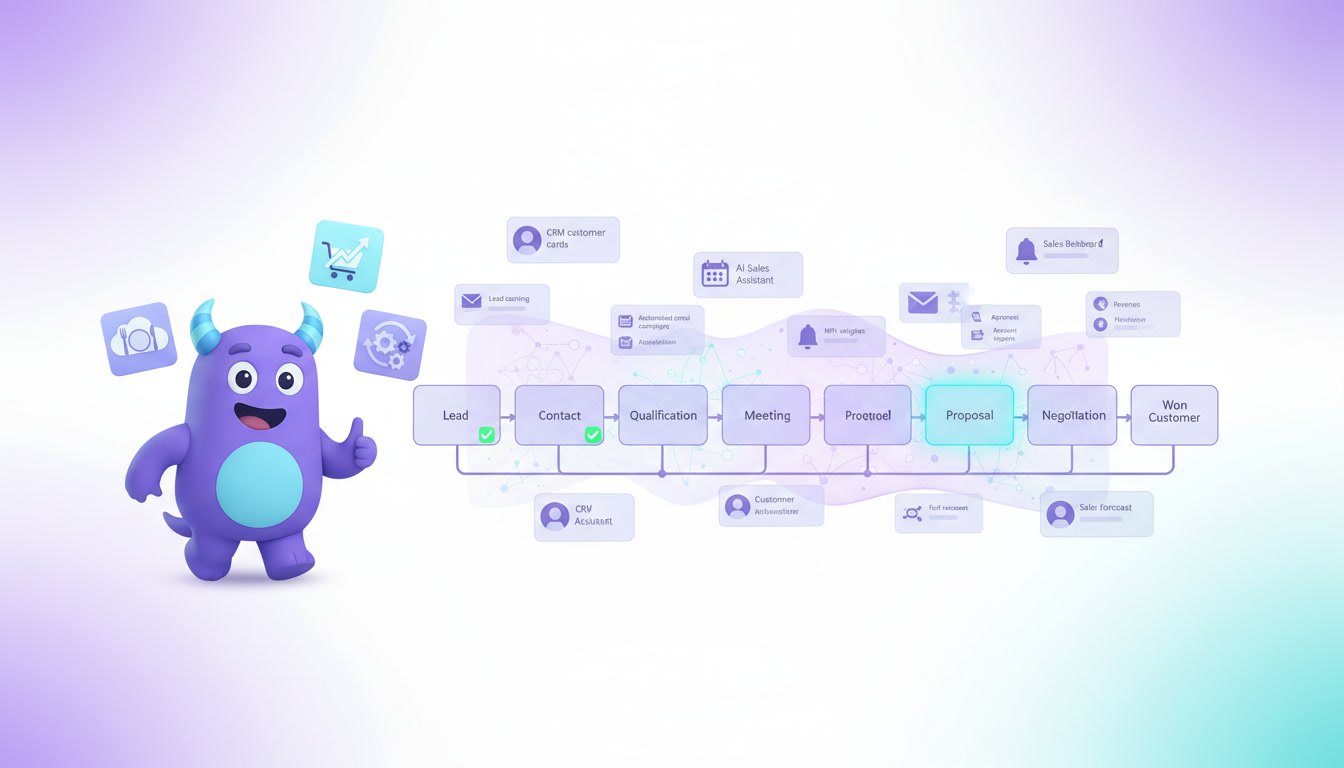
To grow without chaos, tourism and travel agencies need structured systems that centralize operations. This means managing customers, bookings, tasks, suppliers, finances, and communication in a single connected environment.
A centralized operational system ensures that information flows automatically between teams. Changes are visible in real time. Tasks are assigned clearly. Processes become repeatable and predictable. Instead of reacting to problems, teams can prevent them.
This shift does not remove personal service. It supports it by freeing teams from administrative overload and allowing them to focus on customer experience and business development.
Conclusion
Tourism and travel agencies struggle with operations as they grow because manual processes and disconnected tools cannot support increasing complexity. Growth amplifies coordination challenges, reduces visibility, and increases operational stress.
Agencies that invest in structured operational systems early can maintain service quality, improve efficiency, and scale with confidence. Those that delay systemization often face rising costs, dissatisfied customers, and burned-out teams.
Sustainable growth in the travel industry depends not only on demand, but on the ability to manage operations with clarity, structure, and control.
.jpg)

.jpg)