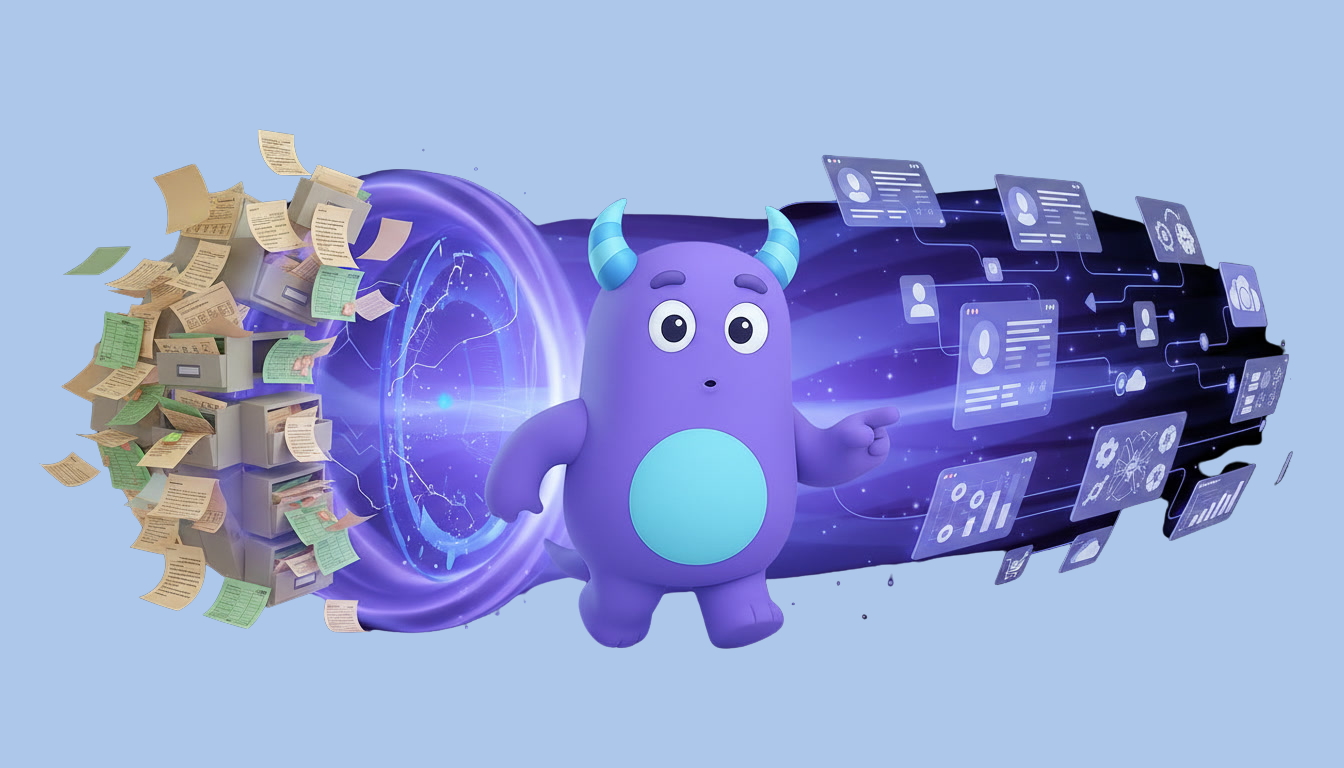

Service businesses often focus on growth initiatives such as sales, marketing, and hiring. While these areas are important, growth frequently stalls for a different reason. Operational gaps quietly limit execution long before demand becomes a problem.
These gaps are rarely obvious. Work gets done, clients are served, and revenue grows. Yet teams feel constant pressure, delays become normal, and scaling feels risky. The issue is not ambition or effort, but missing structure.
Recognizing operational gaps helps service businesses remove friction before it becomes a barrier.
Operational Gaps Form Gradually
Most service businesses begin with flexible processes. Decisions are fast, communication is informal, and coordination happens naturally. As the business grows, these informal systems stretch beyond their limits.
Processes remain undocumented. Responsibilities are assumed rather than defined. Tools multiply without integration. Each change seems small, but together they create instability.
Operational gaps emerge slowly and are often accepted as part of daily work.
Growth Exposes Weak Structure
As volume increases, weak structure becomes visible. Tasks are missed, priorities conflict, and teams rely on constant clarification. Managers step in to coordinate manually, reducing their ability to focus on strategy.
Growth amplifies inefficiencies. What worked at a smaller scale becomes a bottleneck.
Operations must evolve to support expansion.
Lack of Ownership Creates Delays
When responsibilities are unclear, execution slows. Tasks wait for action, decisions are postponed, and accountability becomes shared instead of owned.
This creates hesitation rather than action. Teams remain busy, but progress becomes uneven.
Clear ownership strengthens execution without adding control.
Disconnected Systems Increase Friction
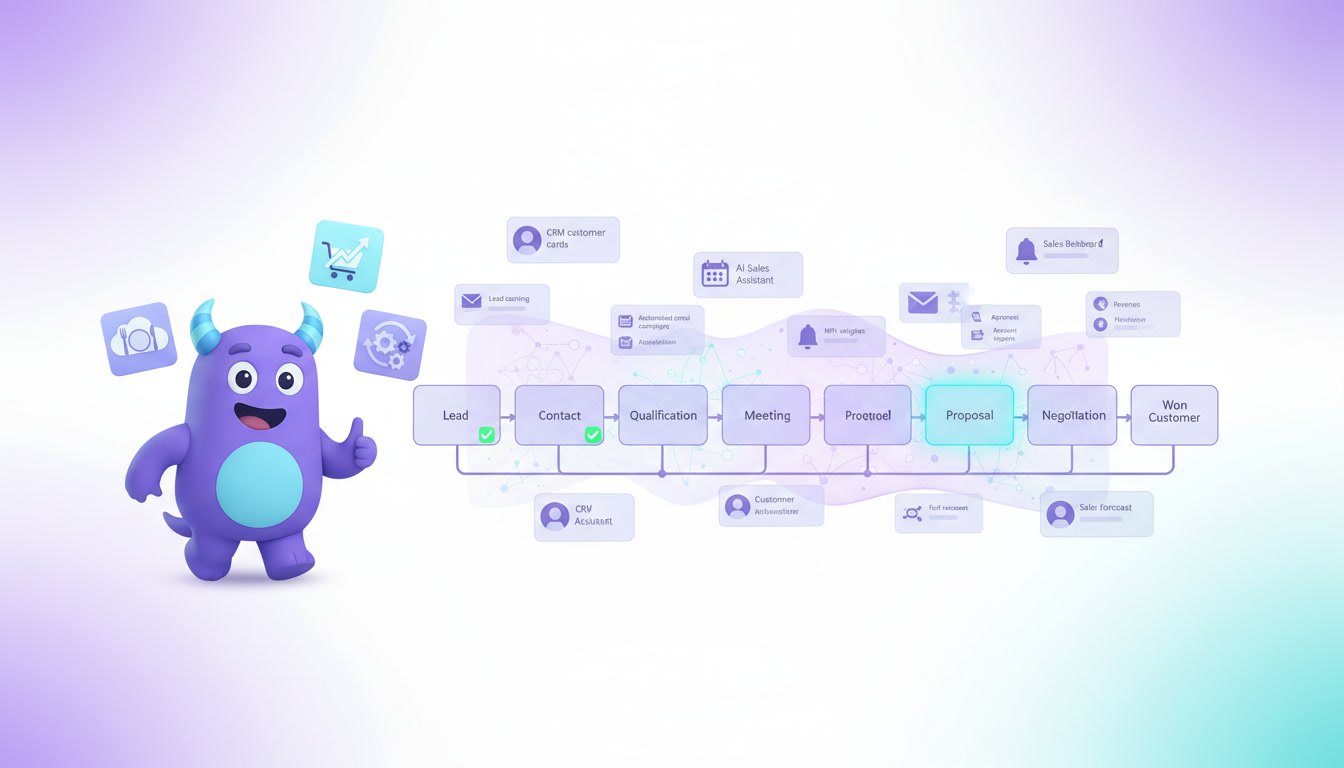
Service businesses often rely on multiple tools for CRM, tasks, projects, communication, and finance. When these systems are disconnected, information is duplicated and context is lost.
Teams spend time searching for data instead of delivering work. Errors increase as updates fall out of sync.
Connected systems reduce friction and improve clarity.
Visibility Gaps Delay Decisions
Without real-time visibility, leaders cannot see issues early. Reports reflect the past, while problems develop quietly.
Late decisions increase cost and reduce options. Teams react instead of adjust.
Visibility supports proactive management.
Operations Define Execution Quality
Service quality depends on how reliably work is delivered. Even skilled teams struggle without clear processes.
Operations create consistency. They define how tasks move, how decisions are made, and how issues are resolved.
Strong operations turn effort into results.
Conclusion
Operational gaps are dangerous because they are easy to ignore. They do not stop work immediately, but they weaken execution over time.
Service businesses that address structure, ownership, visibility, and system integration remove these hidden barriers. Growth becomes sustainable, execution improves, and teams regain confidence in daily operations.
.jpg)

.jpg)