
In service businesses, automation is often discussed in terms of speed and efficiency. Tasks should be completed faster, processes should move quicker, and teams should handle more work with fewer resources.
While these benefits are real, they miss an important part of the picture. The most noticeable impact of automation is not how fast work moves, but how work feels for the people doing it.
Automation changes the daily experience of execution. It reduces uncertainty, lowers mental load, and creates a more predictable working environment.
Manual Work Creates Constant Friction
In manual environments, teams rely heavily on memory, reminders, and informal communication. People track tasks in their heads, follow up manually, and constantly check whether something was done.
This creates hidden friction. Employees spend energy remembering, checking, and clarifying instead of focusing on delivery. Even simple work feels heavier than it should.
Over time, this friction leads to stress, fatigue, and slower execution.
Automation Reduces Mental Load
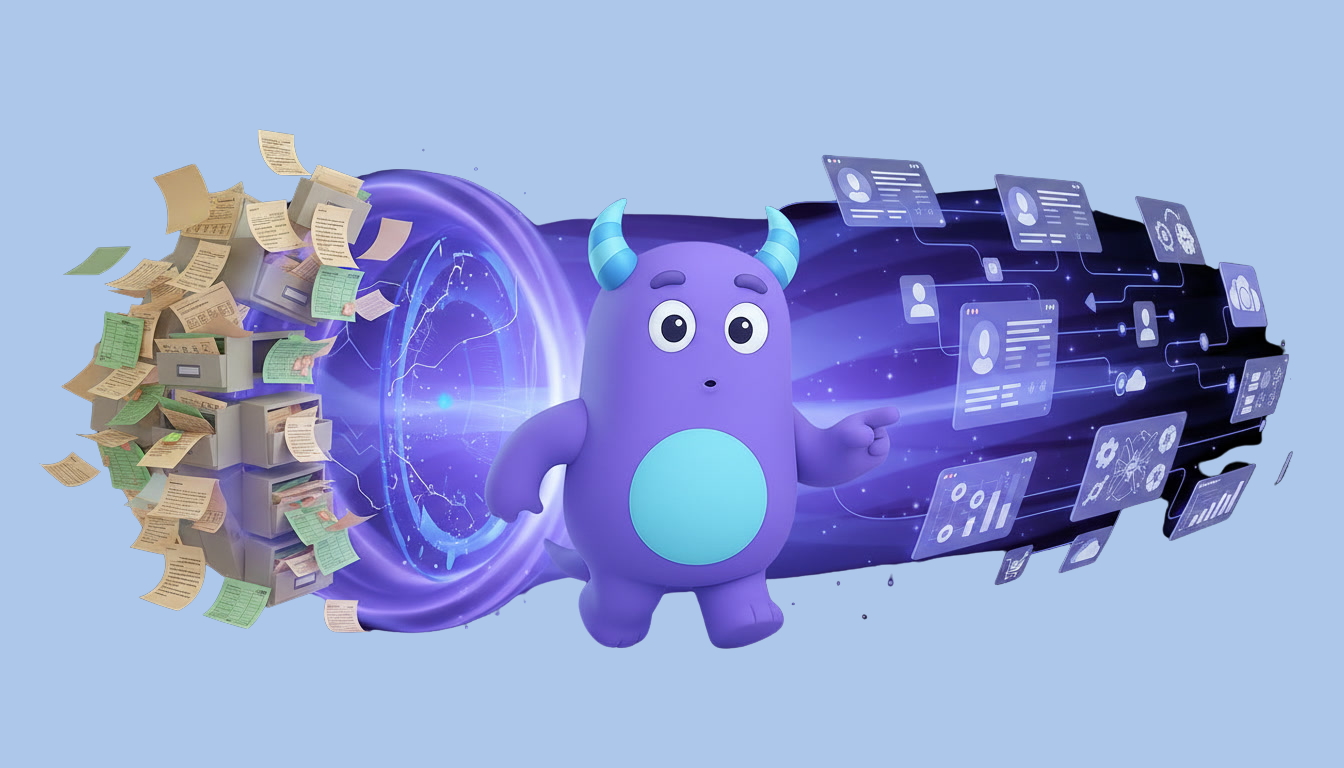
Automation removes the need to remember routine steps. Follow-ups happen automatically, tasks appear at the right time, and handovers do not depend on someone sending a message.
When systems handle repetition, people regain mental space. They no longer worry about forgetting something important or missing a small but critical step.
This reduction in mental load improves focus and overall work quality.
Another important effect of automation is predictability. When processes follow the same path each time, teams know what to expect. Work moves forward without constant coordination.
Predictability reduces anxiety. People trust the process instead of monitoring every detail.
Automation Supports Consistency at Scale
As service businesses grow, consistency becomes harder to maintain. Different people handle similar work in different ways, even when intentions are good.
Automation reinforces consistency by applying the same rules and steps across all cases. This does not remove flexibility, but it provides a stable baseline.
Clients experience this consistency as reliability and professionalism.
Automation also reduces dependence on individual effort. When outcomes rely less on personal memory and more on shared systems, teams become more resilient.
Absences, turnover, or growth no longer disrupt daily operations as severely.
Automation Improves Confidence in Execution
When teams trust that work is progressing correctly, confidence increases.
Managers spend less time checking status and more time supporting improvement. Employees feel supported by systems rather than controlled by them.
This confidence changes team dynamics. Work becomes calmer, decisions are clearer, and collaboration improves naturally.
Conclusion
Automation is not only about efficiency. It is about creating a work environment where people can focus, deliver, and perform without constant pressure.
For service businesses, the true value of automation lies in reducing friction, improving consistency, and making daily work feel more manageable. Over time, this shift has a deeper impact than speed alone.
.jpg)
.jpg)